Physical Address
304 North Cardinal St.
Dorchester Center, MA 02124
Physical Address
304 North Cardinal St.
Dorchester Center, MA 02124

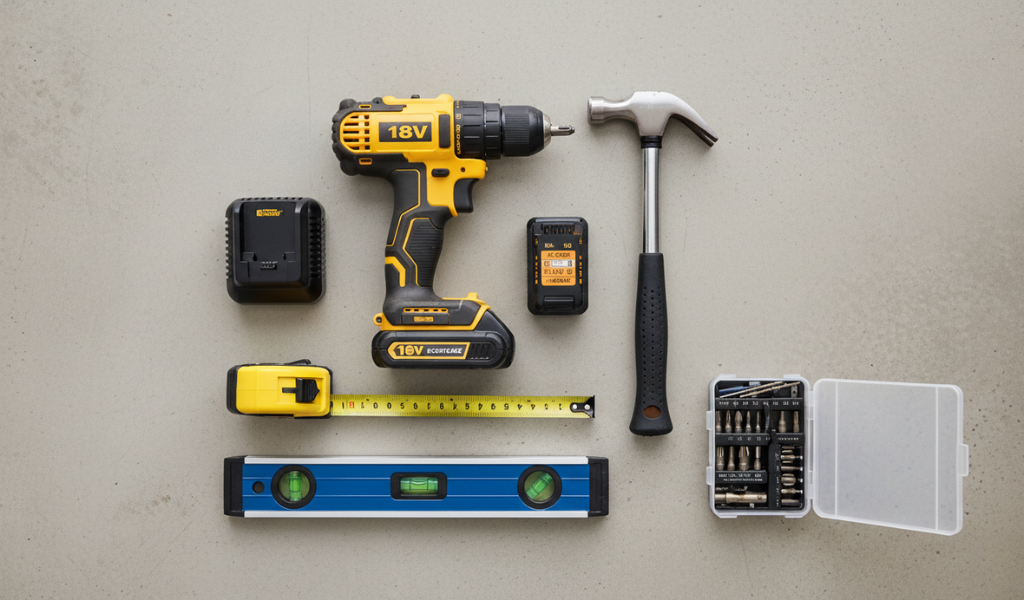
Looking to build your DIY confidence but feeling overwhelmed by the endless aisles of hardware? How to Choose Power Tools is your essential roadmap to navigating the complex world of modern machinery. From understanding the nuances of torque and RPM to picking a battery platform that won’t leave you stranded mid-project, we have you covered. Whether you are a complete beginner looking to hang your first shelf or a budding artisan aiming to upgrade your home workshop, this guide ensures you invest in power tools that empower your creativity rather than frustrate your efforts.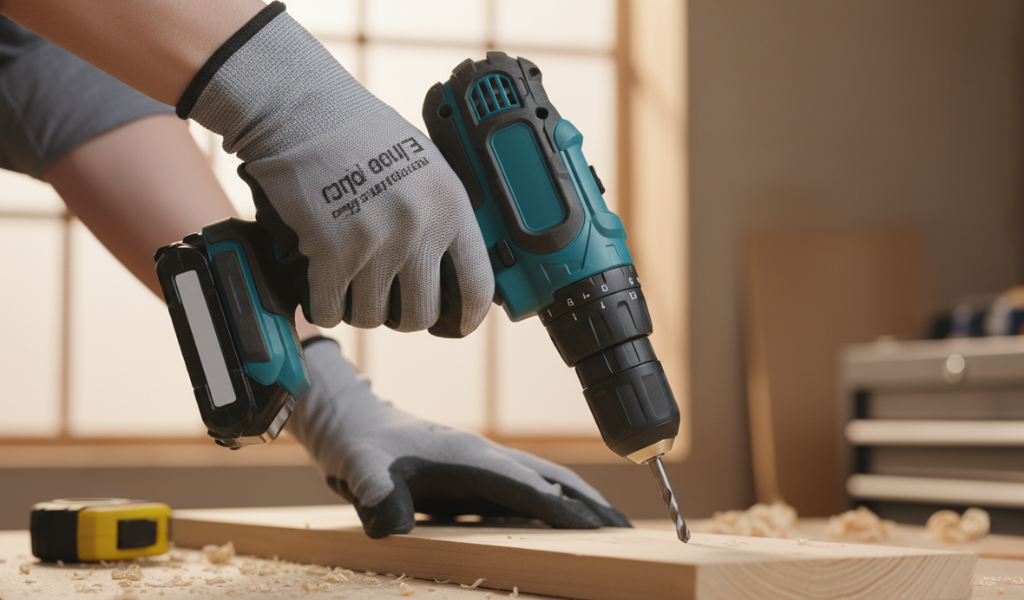
The transition from manual hand tools to a high-performance power tool is a rite of passage for every homeowner. It marks the shift from simply “fixing things” to “building things.” However, the sheer variety of corded tools and cordless tools can be paralyzing. Do you need a hammer drill or an impact driver? Is a multi-tool worth the investment? Does brand loyalty actually matter?
Let’s clear the sawdust and dive into the world of power tools—your next home transformation starts here!
Selecting the right power tools can literally make or break your home DIY projects. In the world of construction and repair, the old adage the right tool for the job isn’t just a cliché; it’s a fundamental rule for success. From the simple task of drilling pilot holes for shelving to the more complex endeavor of building custom garden furniture, using the correct power tool ensures safety, maximizes your efficiency, and results in a professional-grade finish that you can be proud of.
Whether you’re a complete beginner who has never held a drill or a seasoned DIYer looking to refine your workshop, knowing how to choose power tools involves much more than picking the cheapest model on the shelf. It requires an understanding of mechanics, ergonomics, and long-term value. The world of hardware is often overwhelming, filled with marketing jargon and shiny object syndrome. This guide is designed to cut through the noise, helping you build a DIY collection with purpose and precision.
Before you hand over your credit card for a new power tool, you must critically analyze the “why” behind your purchase. Not every task requires 2,000 RPM of raw power.
Consider whether your current work is a one-off minor repair or the start of a serious, ongoing hobby.
A reliable hand tool offers control and portability that some power tools lack. However, the “Power Balance” shifts when the volume of work increases. If you are drilling two holes, a hand drill is fine. If you are drilling fifty, a power tool is a health and safety requirement to prevent repetitive strain and fatigue-related mistakes.
One of the most foundational decisions in building your workshop is the power delivery system. This choice will dictate how you move, where you can work, and how much you spend.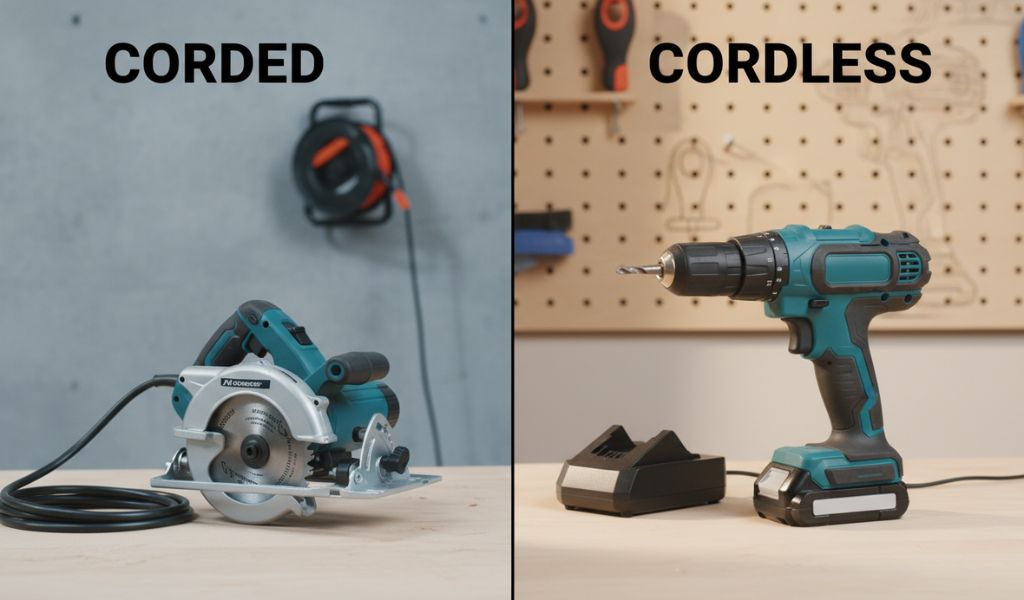
Corded tools are the traditional choice for stationary workshops. They draw power directly from a wall outlet, which offers several distinct advantages.
Cordless tools have completely revolutionized the DIY landscape over the last decade.
Expert Tip: For occasional indoor jobs near a power outlet, corded options are a fantastic, cost-effective choice. However, for the modern DIYer who values flexibility, cordless tools are almost always the better long-term investment.
When you are standing in the hardware store, don’t just look at the price tag. When learning how to choose power tools, evaluate these three technical pillars:
For cordless tools, the voltage (V) indicates the “muscle” or power, while Amp Hours (Ah) indicates the “fuel tank” or runtime.
This is the most important financial tip for beginners: Choose a brand and stick to it. Most manufacturers design their cordless items to share a universal battery. If you buy a Ryobi drill, you should probably buy a Ryobi sander. This allows you to buy (tools without batteries), which are significantly cheaper, as you can swap your existing power packs between them.
A power tool is an extension of your arm. If the center of gravity is too far forward, your wrist will ache after ten minutes. Always grip the tool in the store. Check if the the rubbery grip feels secure even if your hands get sweaty. A well-balanced tool improves accuracy because you aren’t fighting the weight of the motor while trying to stay on a cut line.
If there is one secret weapon in the modern toolkit, it is the multi-tool. For a beginner, this is perhaps the most confusing looking power tool, but it is arguably the most useful.
Unlike a drill that rotates or a saw that moves back and forth, a multi-tool vibrates a tiny blade or sanding pad at roughly 20,000 oscillations per minute. This high-speed vibration allows you to perform “surgical” DIY:
Because it can take dozens of different attachments, the multi-tool represents incredible value, often doing the work of five different specialized hand tools.
To avoid tool clutter, match your purchases to the projects you actually have on your calendar. This is the smartest way of how to choose power tools for your specific needs.
This is the heart of every collection. Whether you choose corded tools or cordless, a drill is mandatory for 99% of home improvements.
The jigsaw is the most beginner-friendly saw. It uses a thin, vertical blade that allows you to cut curves, circles, and complex shapes in wood, plastic, or even thin metal.
Manual sanding with hand tools is the most hated part of DIY. It’s slow, messy, and exhausting. A random orbital sander rotates and oscillates simultaneously, ensuring you don’t leave swirl marks on your wood.
A powerful power tool in untrained hands is a liability. You must prioritize protection over speed.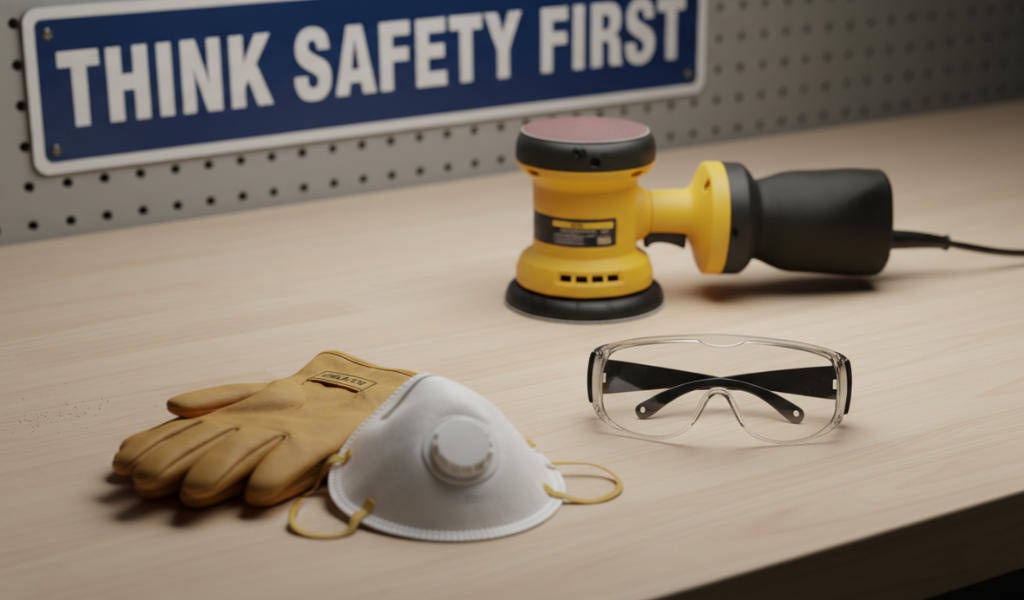
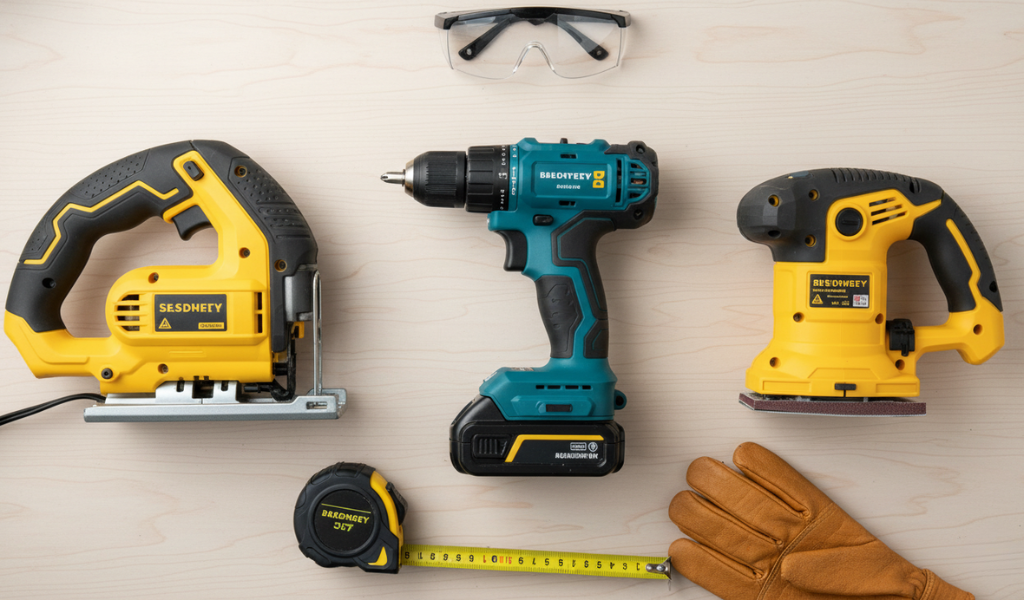
You do not need to buy the $500 combo kit on day one. Most of those kits include tools (like a high-intensity flashlight or a vacuum) that you don’t actually need. Instead, build your kit piece-by-piece:
| Phase | Focus | Recommended Tools |
| Year 1 | The Essentials | 18V Cordless Drill, Hammer, Level, Tape Measure |
| Year 2 | The Cut & Smooth | Jigsaw, Random Orbital Sander |
| Year 3 | The Problem Solver | Multi-tool, Circular Saw, Sawhorses |
By spreading out your purchases, you can afford higher-quality tools rather than a box full of cheap, plastic alternatives.
Your power tools are an investment. If you treat them well, they will serve you for decades.
In conclusion, knowing how to choose power tools is your comprehensive roadmap to transforming your living space with confidence and skill. Navigating the world of corded tools, cordless tools, and the ubiquitous multi-tool might seem daunting at first, but by focusing on quality and project-specific needs, you ensure your workshop is a place of productivity rather than frustration.
Whether you are using hand tools for a delicate repair or a heavy-duty power tool for a major renovation, the key is to work with respect for the equipment and your own limits. By choosing the right platform, prioritizing ergonomics, and never compromising on safety, you are setting yourself up for a lifetime of DIY success. So, grab your safety glasses, trust your research, and start crafting—your dream home is just one trigger-pull away!
Cordless tools offer the best portability and safety for most DIYers because there are no wires to trip over. However, corded tools are better for heavy, stationary work (like thick table sawing) where you need unlimited runtime without stopping to recharge.
The 18V cordless power drill/driver. It is the most versatile power tool in existence, capable of everything from hanging a mirror to building a deck.
Generally, no. Every manufacturer uses a proprietary plastic housing and connector. To save money, stick to one battery “platform” so you can share batteries across your entire collection.
The multi-tool (oscillating multi-tool) is a life-saver for “impossible” tasks. It can sand in corners, cut pipes flush against a wall, and remove grout without damaging the surrounding tiles.
Yes, for light tasks. A 12V drill is perfect for assembling furniture or hanging pictures. However, if you plan on doing any outdoor construction or drilling into masonry, you should step up to an 18V or 20V power tool.