Physical Address
304 North Cardinal St.
Dorchester Center, MA 02124
Physical Address
304 North Cardinal St.
Dorchester Center, MA 02124

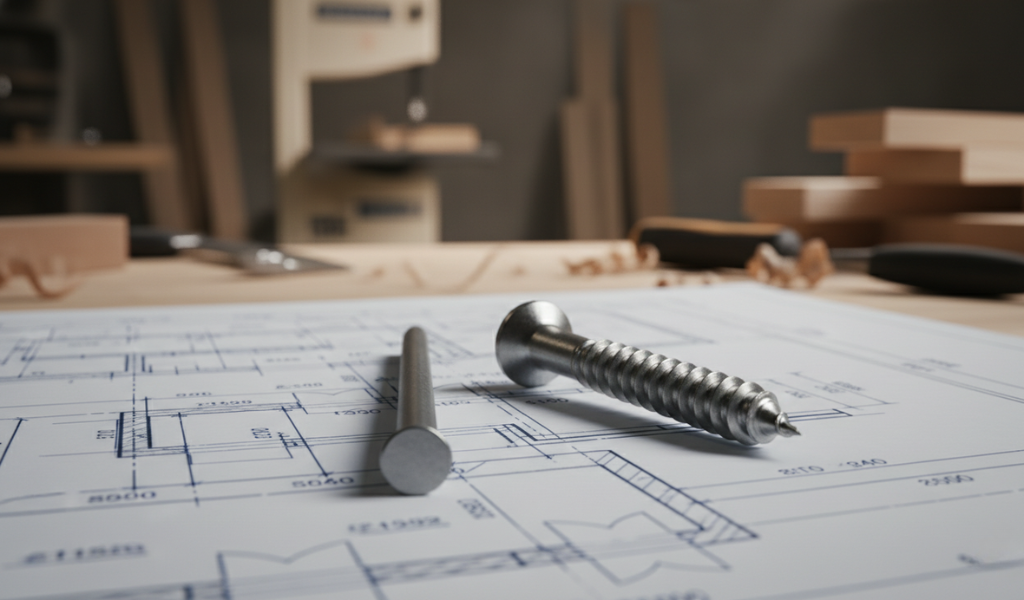
If there is one debate that has echoed through woodshops and construction sites for centuries, it is the choice between a nail or screw. To the casual observer, they both seem to do the same thing: hold two pieces of material together. However, any seasoned pro will tell you that picking the wrong one is a recipe for a ‘structural failure’ or, at the very least, a very frustrating afternoon.
Whether you are a DIY enthusiast tackling a weekend birdhouse or a professional contractor framing a luxury home, understanding the difference between nail and screw technology is vital. It isn’t just about which one is faster to drive; it’s about understanding the physics of ‘stress and strain’. In this 2000-word deep dive, we are going to settle the nail vs screw argument once and for all, covering everything from metallurgy to real-world application.
Nail or Screw – Which Is Better?
A screw is better for holding power (tensile strength), while a nail is better for handling sideways pressure (shear strength). Use screws for precision and strong grip, and nails for structural flexibility and speed.
In the first 100 words of any project planning, you have to ask: do I need this to stay perfectly still, or do I need it to move with the building? The nail or screw decision hinges on the nature of the “load” the joint will carry.
A nail is essentially a smooth metal spike. It relies on the friction of the wood fibers gripping its shank. A screw, meanwhile, is a complex machine—a threaded shaft that physically carves a path into the material, creating a mechanical lock. While they are often used interchangeably in casual DIY, the nail and screw serve very different masters in the world of engineering.
To act as an expert, we must talk about the “Big Two” of physics: Shear and Tensile strength. This is where the nail vs screw battle is truly fought.
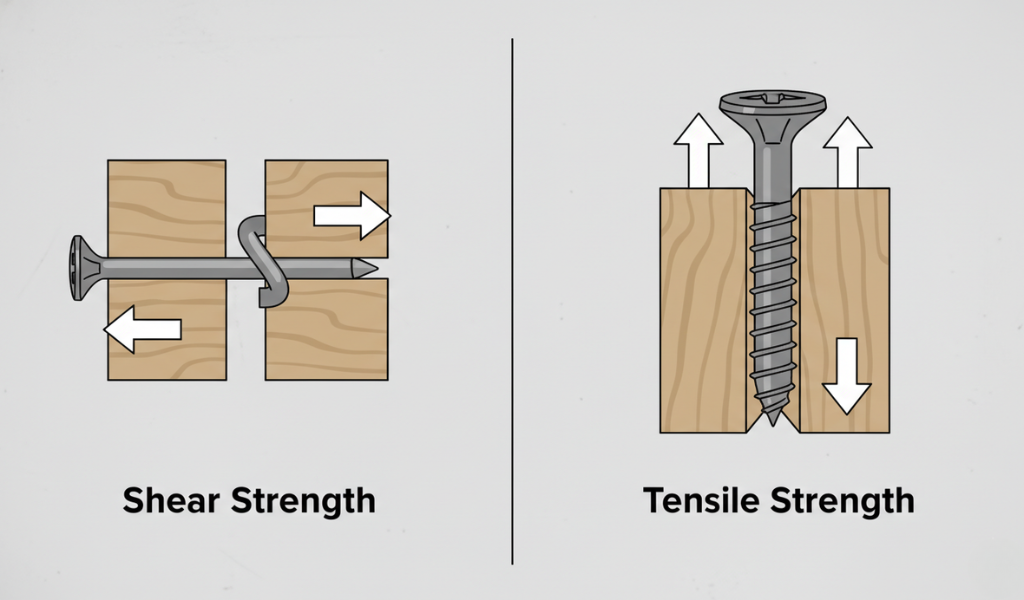
Shear strength refers to a fastener’s ability to resist being snapped by sideways pressure. Imagine two boards overlapping. If you try to slide the top board across the bottom board, you are applying ‘shear stress’.
Tensile strength refers to the resistance against being pulled straight out.
Understanding the difference between nail and screw options requires looking at their physical structure.
When we talk about a nail, we are talking about the “speed demon” of the construction world.
If you are framing a 2,000-square-foot house, you might need 20,000 fasteners. Hammering each one is slow, but using a pneumatic nail gun is lightning fast. You can drive a nail in less than half a second. Screwing that same house would take four times as long and cost five times as much in labor.
Buildings are living things. They expand in the summer, contract in the winter, and shift during storms. Nails are the “shock absorbers” of the carpentry world. They allow for a tiny amount of “give” without losing their integrity. This is why framing code almost always specifies nails rather than screws.
The screw is a precision instrument. It is for the craftsman who wants absolute control over the final product.
Because a screw pulls the two pieces of material together, it creates a much tighter joint. This is essential for cabinetry, where even a 1/16th of an inch gap can ruin the alignment of a door.
We all make mistakes. If you nail a board in the wrong place, removing it often involves a hammer, a pry bar, and a lot of swearing—usually resulting in damaged wood. With a screw, you simply set your drill to reverse. This makes screws the superior choice for ‘temporary structures’ or projects that might need adjustment.
Choosing a nail or screw often depends on what you are actually fastening.
Sometimes a basic nail and screw just won’t cut it.
This is a “hybrid” fastener. It looks like a nail but has rings along the shank. It drives like a nail (fast) but holds like a screw (high withdrawal resistance). It is popular for subfloors to prevent squeaking.
These are massive, heavy-duty screws used for structural connections, like attaching a deck to a house. They provide the ‘ultimate holding power’ for heavy loads.
In any large project, the budget matters.
For a small DIY project, the price difference is pennies. For a large-scale project, opting for a nail over a screw can save hundreds, if not thousands, of dollars in material costs alone.
Your choice of nail or screw is often dictated by what is in your toolbox.
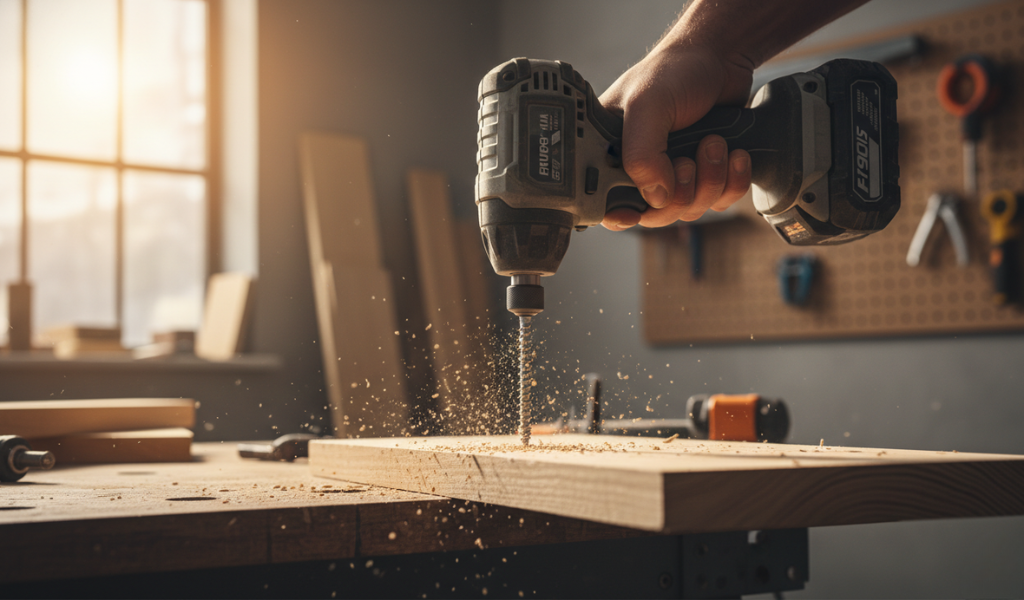
Use: Screws. Decks are exposed to sun and rain. Wood will warp. Nails will eventually “pop” up, which is a hazard for bare feet. High-quality deck screws with a ‘corrosion-resistant coating’ are mandatory.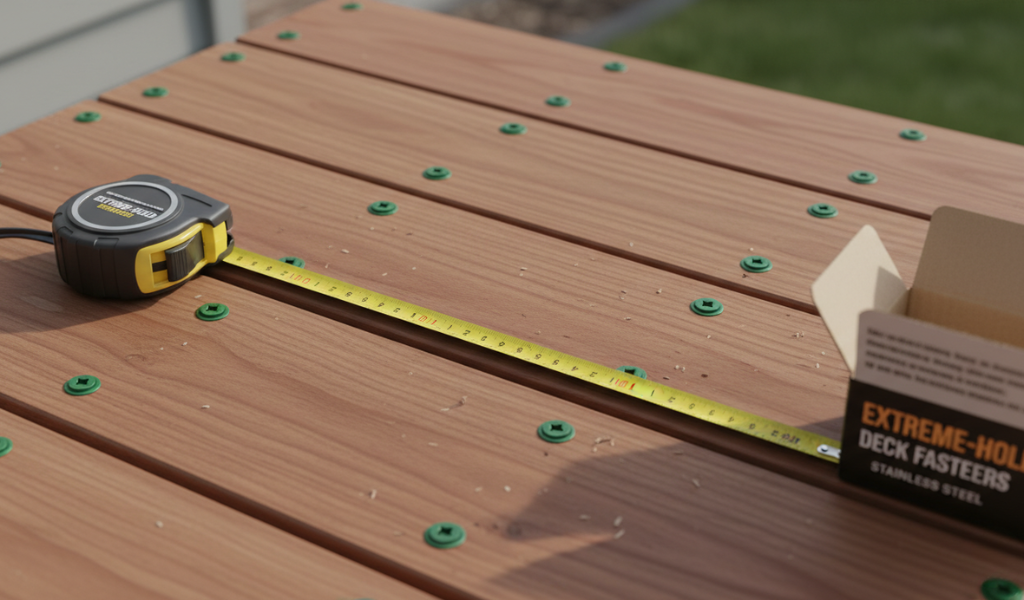
Use: Nails. The sheer weight of the roof and floors creates lateral pressure. Nails will hold the studs together and “flex” with the load.
Use: Screws (and Glue). Furniture needs to be tight. Screws provide the clamping force needed while wood glue dries.
Use: Screws. Drywall nails used to be common, but they cause “nail pops” (ugly bumps in your paint). Drywall screws are the industry standard for a ‘smooth finish’.
When NOT to Use Nails or Screws
Always choose the fastener based on load type and environment.
So, which is better: nail or screw?
The “Golden Rule” is this: If the force is pulling the boards apart (Tensile), use a screw. If the force is sliding the boards against each other (Shear), use a nail.
By respecting the technical differences between these two fasteners, you ensure that your work stays together for a lifetime. Don’t be afraid to keep both in your shop. A well-stocked DIYer knows that a nail and screw are not rivals, but partners in the art of building.
Call to Action: Now that you are an expert on fasteners, go check your current project. Are you using the right one? If not, head to the hardware store and grab the proper box of ‘high-performance’ screws or nails today!
Q1: Can I use a screw instead of a nail for framing?
Technically, you can buy “Structural Wood Screws” that are rated for framing, but they are expensive. Never use standard gold or black drywall screws for framing—they will snap under the weight of the house.
Q2: Why does my wood split when I use a screw?
This happens because the screw’s shank is acting like a wedge. To prevent this, always ‘pre-drill’ a pilot hole that is slightly smaller than the screw’s diameter.
Q3: Are nails or screws better for a fence?
Nails (specifically galvanized ones) are usually better because fences cover a lot of distance and need to be built quickly and cheaply. However, for the gate, use screws to prevent sagging.
Q4: What does “galvanized” mean?
It means the nail or screw has been coated in zinc to prevent rust. Always use galvanized fasteners for any project that will be outside.
Q5: What is a “Torx” drive?
It is a star-shaped hole in the head of a screw. Unlike Phillips (cross-shaped) heads, Torx drives almost never strip out, making them the ‘best choice’ for high-torque applications.