Physical Address
304 North Cardinal St.
Dorchester Center, MA 02124
Physical Address
304 North Cardinal St.
Dorchester Center, MA 02124

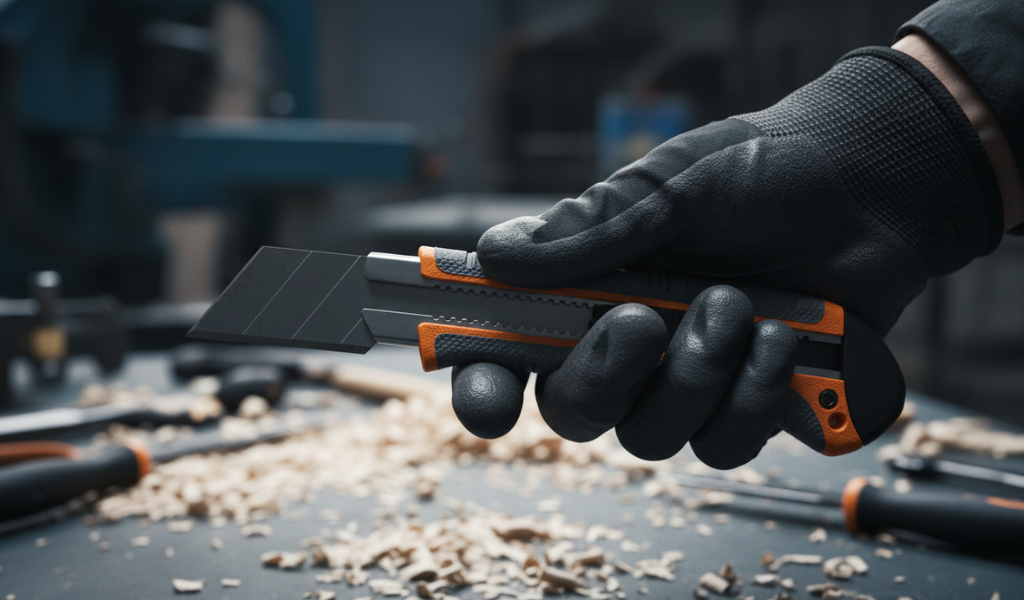
Utility knives are essential cutting tools used for tasks like opening boxes, cutting drywall, trimming carpet, and handling general DIY or construction work. However, not all utility knives offer the same level of blade quality, durability, safety, or comfort.
When choosing the best utility knife, factors such as utility knife blade quality, handle design, knife durability, and knife size and weight all play an important role. In this guide, you will learn what makes the best utility knife and which features matter most for different types of tasks and users.
How to Choose the Best Utility Knife
What makes the best utility knife depends on blade quality, handle design, durability, safety features, and knife size and weight. A high-quality utility knife should provide sharp cutting performance, comfortable grip, reliable blade retention, and durable construction for both everyday and heavy-duty tasks.
At its simplest level, a utility knife is a tool designed for diverse tasks. However, “utility” shouldn’t mean “generic.” A high-quality knife should be able to handle repetitive, heavy-duty tasks without causing hand fatigue or losing its edge after two minutes of work.
When we talk about what makes the best utility knife, we are looking for a balance of three things: Safety, Efficiency, and Longevity. A knife that is incredibly sharp but has a slippery handle is a liability. Conversely, a knife that is built like a tank but takes five minutes to change a blade is a nuisance.
In the professional world, time is money. If you’re a drywaller or a carpet installer, you might change your blade ten times a day. If the mechanism is clunky, you lose productivity. Therefore, the best utility knife should work efficiently during daily tasks and maintain reliable performance during heavy-duty use.
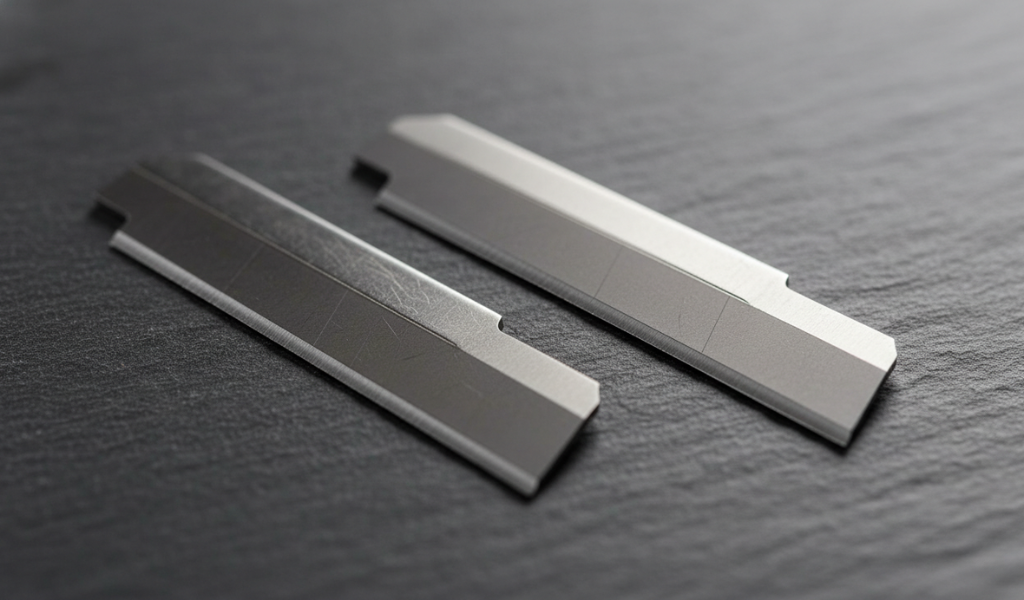
Even a well-designed handle cannot compensate for poor blade quality. If the steel is too soft, the blade will lose its edge quickly and reduce cutting performance. Utility knife blade quality is the single most important factor in performance. Many people think all blades are the same since they are “disposable,” but that couldn’t be further from the truth.
High-quality blades undergo specialized heat treatments. If a blade is too hard, it becomes brittle and can snap, which increases the risk of blade breakage during use . If it’s too soft, the edge “rolls” the moment it hits a hard surface like a staple or a knot in wood. The best blades provide a good balance between hardness and flexibility.
To understand what makes the best utility knife, we have to look at the metallurgy. Generally, you’ll encounter three types of materials in the blade aisle:
If you’ve ever spent an afternoon cutting flooring, you know that poor handle design can cause discomfort during long periods of use . This is where handle design becomes a deal-breaker. Ergonomics is important for comfort, grip control, and reducing hand fatigue during use.
Grip Material and Texture
Look for handles that feature a rubberized over-mold. This ensures that even if your hands are sweaty, covered in sawdust, or oily from a mechanical project, the knife won’t slip. A textured surface provides the friction necessary for high-pressure cuts.
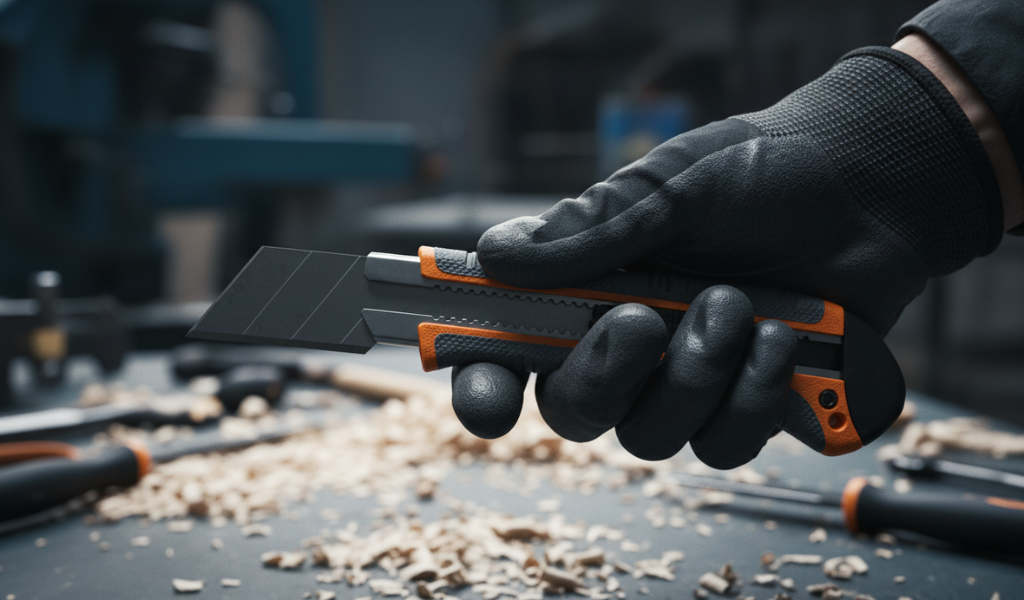
The best utility knives aren’t flat rectangles. They should have a slight curve to fit the natural arch of the palm and a “choil” (a notch for your index finger) to provide better control. This allows you to put your weight behind the cut without straining your wrist. For those with larger hands, a “fat” handle is often better to prevent cramping, while those with smaller hands might prefer a slim, tapered profile.
A utility knife should be durable enough for regular heavy use. It’s going to get dropped, stepped on, and likely covered in paint, glue, or grease. To ensure maximum knife durability, look for metal housings over plastic ones.
While plastic or composite knives are lightweight and cheap, they often crack under the pressure of a heavy-duty pry or a high-impact drop from a ladder. An aluminum or zinc-alloy body offers the best strength-to-weight ratio.
Furthermore, examine the “joint” of the knife. If it’s a folding model, the hinge is the most common point of failure. A steel-on-steel hinge will outlast a plastic-on-metal hinge every time. When you are assessing what makes the best utility knife, always look at the screw points—are they reinforced? Is the metal thick enough to resist bending?
There is a common misconception that heavier is always better. While a bit of heft helps with stability, knife size and weight should really be determined by how you carry and use the tool.
A heavier, full-sized fixed blade knife (often made of solid steel or zinc) is great for a tool belt. The extra weight can improve stability and control during heavy cutting tasks. It provides a sense of gravity that assists in long, straight cuts across heavy materials like plywood or thick rubber matting.
If you’re carrying the knife in your pocket all day, a lightweight, folding aluminum model is superior. You want something slim enough that it doesn’t bulk up your pocket but substantial enough to feel secure when opened. A knife that is too heavy for your pocket will end up in a drawer, and as they say, “portable knives are often more convenient for daily carry.”
To truly determine what makes the best utility knife for your specific lifestyle, you have to choose the action style. Each type is designed for different uses and preferences for good reason.
These are the simplest and strongest. There are no moving parts to break. Because the blade is locked firmly in place by a screw-down housing, there is zero “wobble.” These are preferred by roofers and carpet installers who need a tool designed for demanding work environments.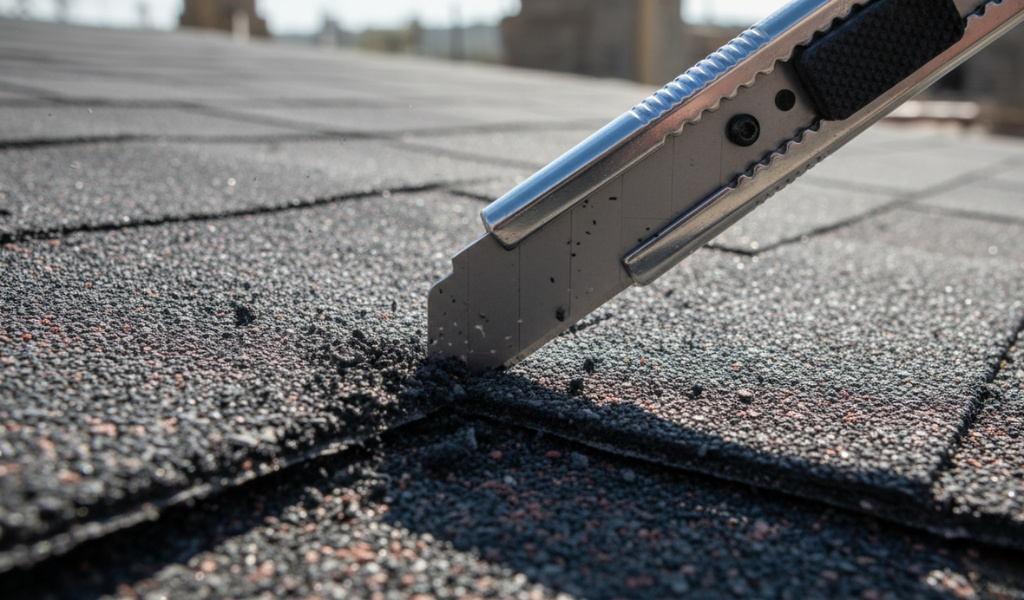
This is the classic “box cutter” style. A thumb slider allows you to extend the blade to various lengths. This is perfect for opening boxes without damaging the contents inside.
A relatively modern invention, these combine the convenience of a pocket knife with the utility of a disposable blade. They usually feature a pocket clip and a liner-lock or back-lock mechanism.
Safety isn’t just about not getting cut; it’s about how the knife behaves when things go wrong. When searching for what makes the best utility knife, look for these safety-specific features:
Self-Retracting Mechanisms: Some knives are spring-loaded so that the blade automatically pulls back into the handle the moment you lose contact with the slider. This is a requirement in many industrial warehouses to prevent accidental injuries.
Overlap Construction: Look at the nose of the knife. The two halves of the handle should overlap or interlock. This prevents the blade from being pushed through the side of the handle if you hit a hard obstruction.
Blade Lock-Back: In folding models, a ”positive-lock” ensures the knife won’t accidentally close on your fingers during use.
Sometimes a standard knife isn’t enough. Depending on your niche, you might need a tool that offers more than a straight edge.
These feature long, segmented blades. When one tip gets dull, you snap it off to reveal a fresh, razor-sharp point. These are favored by painters and window tinters because they provide a very long, thin reach for tight corners.
If you are cutting shingles or linoleum, a standard pointed blade will dull instantly against the backing. A hook blade “pulls” through the material, using the inner curve to do the work. The best utility knives often allow you to swap between straight and hook blades in seconds.
Even the most durable tool requires regular maintenance. If you want to maintain knife durability, follow these simple steps:
Clear the Track: If you use a retractable knife, blow out the dust and grit from the slider track once a week. A drop of dry lubricant (like graphite) will keep the action smooth.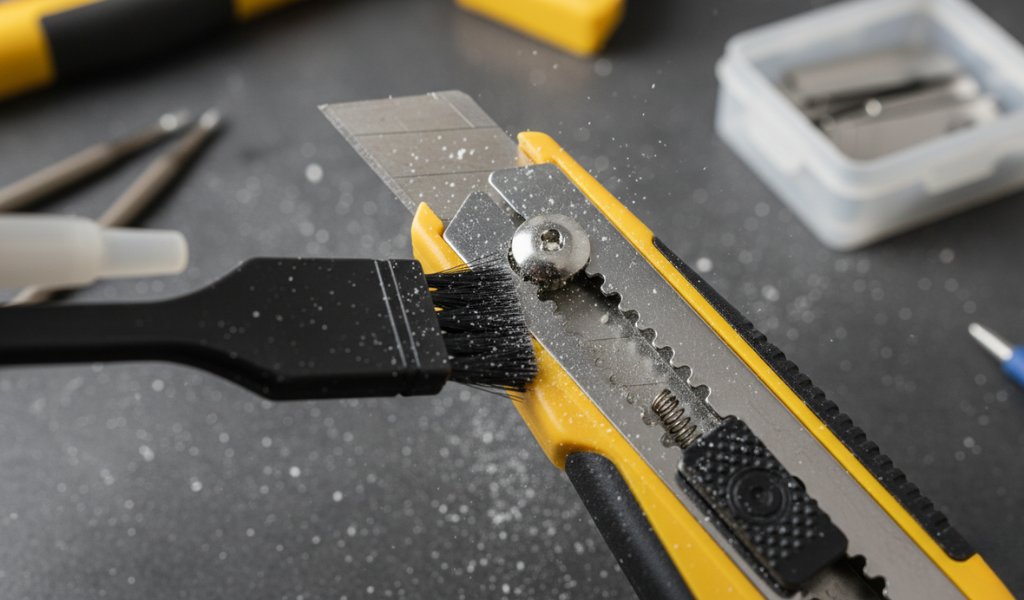
Check the Screw: Over time, the vibration of cutting can loosen the main housing screw. Give it a quick tighten once a month.
Wipe it Down: If you’ve been cutting through adhesive or tape, use a bit of rubbing alcohol to remove the “gunk” from the blade. This reduces friction and makes the next cut much easier.
The best utility knife should combine strong blade quality, comfortable handle design, durability, and safety features. Choosing the right knife depends on the type of work you do, whether it is heavy-duty construction, flooring, packaging, or general DIY projects.
A high-quality utility knife with durable construction, reliable blade retention, and proper knife size and weight can improve cutting performance and reduce user fatigue. By understanding the key features that matter most, you can choose a utility knife that fits your daily tasks more effectively.
As soon as you feel the knife “tugging” or “tearing” the material rather than slicing through it cleanly, it’s time for a change. A dull blade is actually more dangerous than a sharp one because you have to apply significantly more force, increasing the risk of a slip and accidental injury.
Technically, yes, you can use a whetstone or a pull-through sharpener. However, it’s rarely worth the time. Utility blades are designed to be disposable and inexpensive. It’s much more efficient to flip the blade to the fresh side or replace it entirely to maintain peak utility knife blade quality.
Modern folding knives with stainless steel locking mechanisms are incredibly strong. However, for extreme tasks—like prying or cutting through multiple layers of thick roofing material—a fixed-blade knife is still the stronger option for heavy-duty durability because there are no moving parts to fail under torque.
If you work in a garage or outdoors, avoid smooth plastic or polished metal. Look for a knife with deep “jimping” (textured grooves) in the metal or a high-friction rubberized grip. Materials like G10 or textured aluminum are also excellent for maintaining a hold when things get messy.
This usually happens with cheaper models where the internal locking tab has worn down or bent. It can also happen if the blade isn’t seated properly on the carrier. It’s a major safety hazard. If your blade doesn’t stay locked under pressure, it’s time to retire that knife and buy a higher-quality replacement.
Absolutely. A heavier knife provides more “momentum” and stability for long, straight cuts in thick materials. However, a smaller, lighter knife is much better for detailed work, such as trimming delicate wallpaper, cutting out stencils, or intricate craft projects where you need to move the knife like a pen.
Most modern utility knives are designed to be ambidextrous. However, some specific “side-loading” or “asymmetrical” handle designs favor right-handed users. If you are left-handed, look for a knife with a center-mounted slider or a symmetrical folding design to ensure you have the same level of control and safety.