Physical Address
304 North Cardinal St.
Dorchester Center, MA 02124
Physical Address
304 North Cardinal St.
Dorchester Center, MA 02124

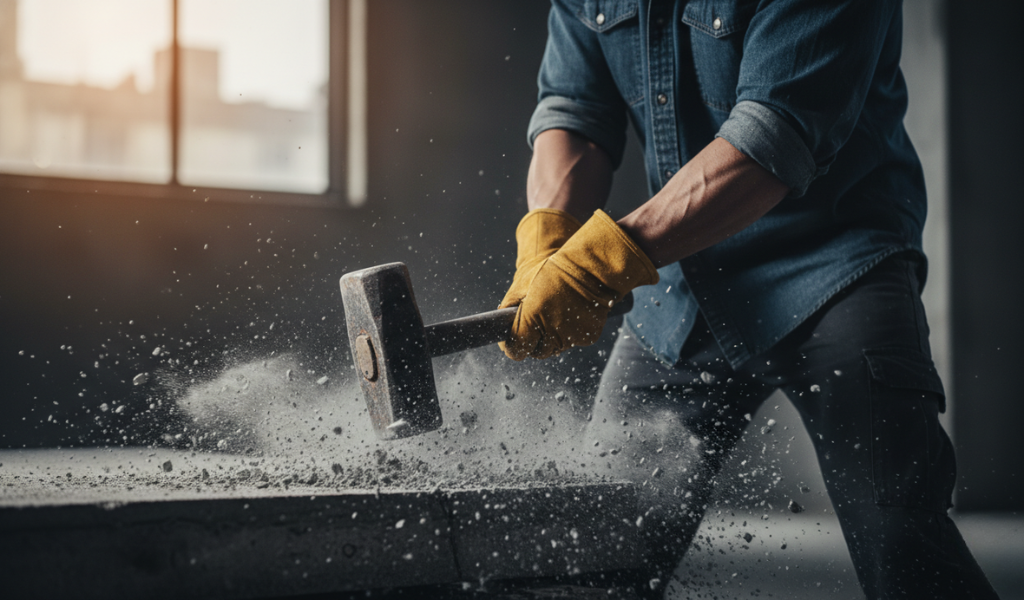
Ever wondered what a sledge hammer is truly capable of? “What is a sledge hammer used for?” You might be surprised by the versatility of this powerful tool. From demolishing structures to shaping metal and driving stakes, the sledge hammer packs a punch in various industries and applications.
But its uses go beyond mere construction; it’s a tool of power and precision, ready to tackle tough tasks with ease. So, if you’re curious about unlocking the full potential of the sledge hammer, buckle up and join us on a journey of discovery. Get ready to explore its many applications and uncover the secrets of this mighty tool.
Key Summary: What is a Sledge Hammer Used For?
A sledgehammer is a heavy-duty tool primarily used for demolition tasks, such as breaking concrete, driving stakes, or pounding large objects. Its weight and design concentrate force, making it effective for tasks requiring powerful impacts in construction, renovation, and landscaping.
The sledge hammer, often hailed as the workhorse of construction and demolition, is a versatile tool designed for heavy-duty tasks. Comprising a long handle made of wood, fiberglass, or metal, topped with a large, heavy head, the sledge hammer is built to deliver powerful blows with maximum force. Its design allows for effective transfer of energy from the user’s swing to the target, making it ideal for tasks that require significant impact.
One of the key features of the sledge hammer is its dual-faced head, typically featuring a flat striking surface on one side and a wedge-shaped striking surface on the other. This dual design enhances the tool’s adaptability, enabling users to choose the most suitable striking surface for different materials and applications. The flat side is commonly used for tasks such as driving stakes, breaking concrete, and shaping metal, while the wedge side excels at splitting logs and prying apart materials.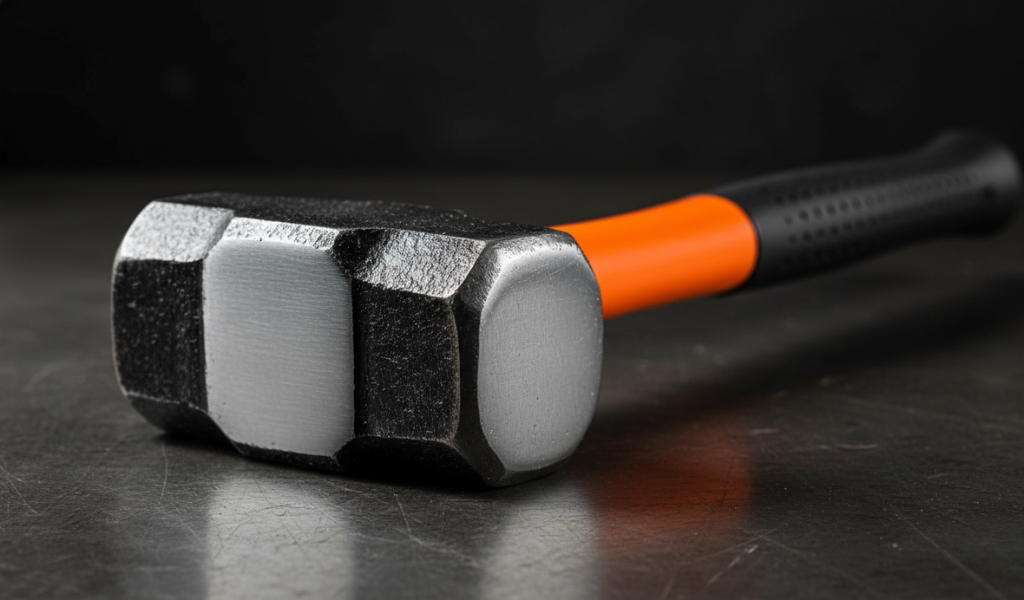
When using a sledge hammer, proper technique is essential to ensure safety and maximize effectiveness. Users should stand with their feet shoulder-width apart, grip the handle firmly with both hands, and maintain a comfortable stance to generate power and control. Additionally, it’s crucial to focus on accuracy and precision when striking the target, as haphazard swings can result in injury or damage to the surrounding area.
In addition to its primary role in construction and demolition, the sledge hammer has found its way into various other industries and applications. In landscaping, it is used for tasks such as driving landscape spikes, breaking up compacted soil, and shaping stones. In automotive repair, it can be employed for tasks such as removing stubborn parts and straightening metal surfaces. Moreover, the sledge hammer’s versatility makes it a valuable asset in emergency situations, such as search and rescue operations and disaster response efforts.
Despite its robust design and formidable appearance, the sledge hammer requires regular maintenance to ensure optimal performance and longevity. Users should inspect the handle for signs of wear or damage, such as splintering or cracking, and replace it if necessary. Additionally, the head should be periodically checked for looseness or damage, and tightened or replaced as needed.
The sledge hammer is a powerful and versatile tool that plays a crucial role in various industries and applications. By understanding its design, proper usage, and maintenance requirements, users can harness its formidable power safely and effectively, making it an indispensable addition to any toolkit.
A sledge hammer, with its distinctive long handle and heavy head, is a tool known for its versatility and raw power. While its primary function may seem straightforward – delivering forceful blows to break, shape, or drive objects – the sledge hammer’s applications span across various industries and tasks. Let’s delve into the many uses of this indispensable tool and explore how it contributes to diverse fields.
In the realm of construction and demolition, the sledge hammer reigns supreme as a tool of choice for tasks requiring substantial force. From breaking concrete and stone to driving stakes and anchors, its ability to deliver powerful blows makes it indispensable on job sites. Whether it’s demolishing old structures or shaping materials for new construction projects, the sledge hammer’s impact is felt throughout the industry.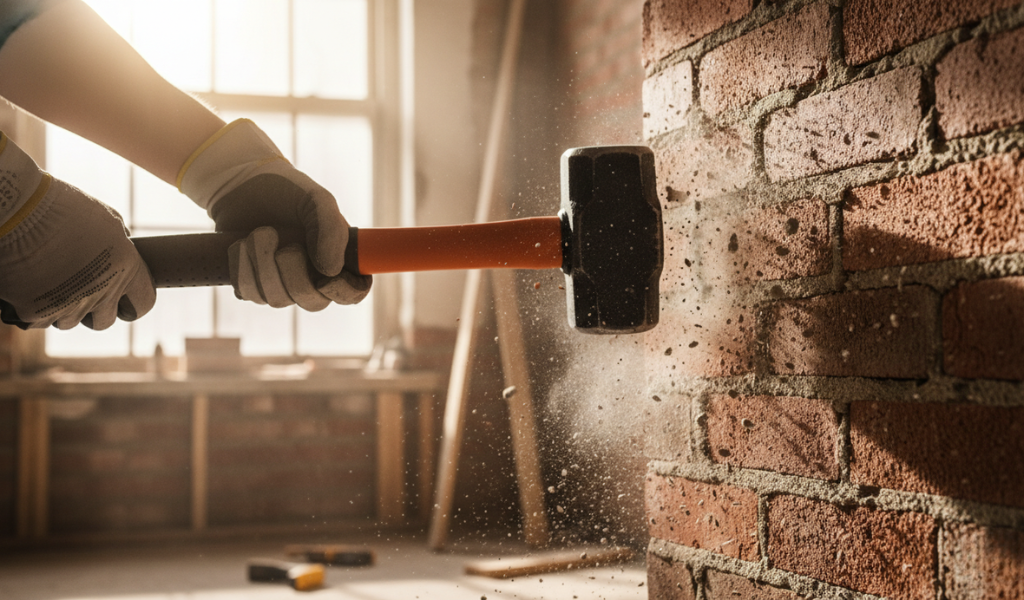
In landscaping and outdoor maintenance, the sledge hammer finds ample opportunities to shine. From driving landscape spikes and fence posts to breaking up compacted soil and rocks, its brute force makes light work of tough outdoor tasks. Additionally, its versatility extends to shaping stones and boulders, allowing landscapers to create stunning outdoor environments with precision and ease.
The automotive industry also benefits from the versatility of the sledge hammer. In repair and maintenance tasks, such as removing stubborn parts, straightening metal surfaces, and shaping body panels, the sledge hammer’s forceful blows can save time and effort. Whether it’s repairing dents or aligning chassis components, the sledge hammer proves to be a valuable ally in automotive workshops.
In metalworking and fabrication, the sledge hammer plays a crucial role in shaping and forming metal components. From forging and shaping hot metal to bending and straightening cold metal, its impact is essential for creating precise and intricate designs. Whether it’s crafting decorative ironwork or shaping structural steel, the sledge hammer’s versatility allows metalworkers to bring their visions to life with skill and precision.
The sledge hammer’s versatility extends beyond traditional applications into emergency and rescue operations. In situations such as search and rescue efforts, disaster response missions, and vehicle extrication scenarios, its forceful blows can be instrumental in freeing trapped individuals, breaking through debris, and accessing inaccessible areas. Its reliability and effectiveness make it a valuable tool in the hands of emergency responders and rescue teams.
For homeowners and DIY enthusiasts, the sledge hammer is a versatile tool that can tackle a wide range of projects around the home. From demolition tasks such as removing old flooring and breaking down walls to construction projects like building retaining walls and installing fence posts, its power and versatility make it an essential addition to any DIY toolkit. Whether it’s renovating a room or landscaping the backyard, the sledge hammer’s ability to deliver forceful blows makes it a valuable asset for tackling tough jobs with confidence.
The sledge hammer is a versatile and indispensable tool that finds applications across various industries and tasks. From construction and demolition to landscaping, automotive repair, metalworking, emergency response, and home improvement, its ability to deliver forceful blows makes it a valuable asset in a wide range of scenarios. By understanding its many applications and mastering its usage, individuals and professionals alike can harness the power of the sledge hammer to tackle tough jobs with efficiency and precision.
Using a sledge hammer can be an effective way to tackle tough tasks, but it’s important to prioritize safety to avoid accidents and injuries. Whether you’re a professional construction worker or a DIY enthusiast, following these safety tips will help you use a sledge hammer effectively while minimizing risks:
Before using a sledge hammer, always wear the appropriate personal protective equipment (PPE) to protect yourself from potential hazards. Safety goggles or glasses shield your eyes from flying debris, while sturdy gloves provide grip and hand protection. Additionally, wear steel-toed boots to safeguard your feet from impact injuries.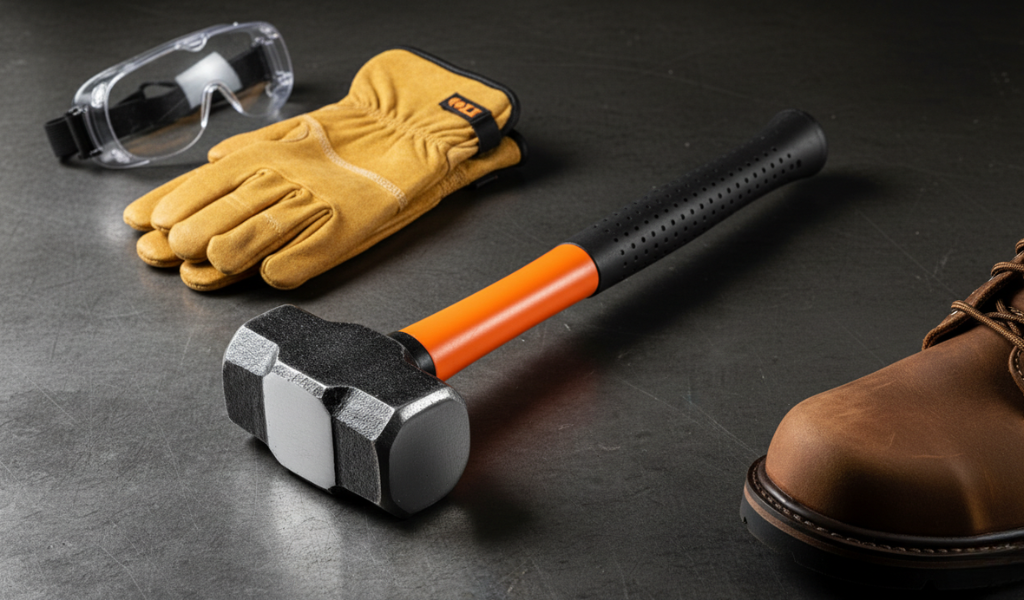
Selecting the correct sledge hammer for the task at hand is crucial for safety and effectiveness. Consider factors such as the weight of the hammer and the size of the striking surface. A heavier hammer delivers more force but requires greater control, while a lighter one may be more suitable for precision work.
Before each use, inspect the sledge hammer for any signs of wear, damage, or defects. Check the handle for splinters, cracks, or loose fittings, and ensure that the head is securely attached. If you notice any issues, do not use the hammer until it has been repaired or replaced.
Maintain a stable and balanced stance while using a sledge hammer to ensure maximum control and accuracy. Stand with your feet shoulder-width apart, knees slightly bent, and body weight evenly distributed. Avoid overreaching or leaning excessively while swinging the hammer to prevent loss of balance.
Hold the sledge hammer handle with a firm, two-handed grip to maintain control and prevent slippage during use. Place one hand near the end of the handle for power and stability, while the other hand should grip closer to the head for precision and control.
Use proper swinging technique to maximize effectiveness and minimize the risk of injury. Start with a controlled backswing, bringing the hammer over your shoulder while keeping your arms straight and wrists firm. Then, generate power from your hips and shoulders as you swing the hammer downward, aiming for the target with precision.
Maintain visual contact with the target throughout the swing and aim for the center to achieve maximum impact. Avoid swinging blindly or haphazardly, as this can lead to inaccurate strikes and potential accidents. Take your time to line up each swing and adjust your aim as needed.
Allow the weight of the sledge hammer head to generate momentum and force during the downward swing. Let gravity do the work for you by exerting minimal effort to guide the hammer’s trajectory. Avoid overexerting yourself by relying solely on muscle strength, as this can lead to fatigue and diminished control.
Using a sledge hammer can be physically demanding, so take regular breaks to rest and hydrate. Listen to your body’s signals and avoid pushing yourself beyond your limits to prevent fatigue and reduce the risk of accidents or injuries.
After use, store your sledge hammer in a dry, clean environment away from moisture and corrosive materials. Hang it securely or place it in a designated storage area to prevent damage and ensure easy access for future use.
By following these safety tips for using a sledge hammer effectively, you can minimize the risk of accidents and injuries while achieving optimal results in your projects. Remember to prioritize safety at all times and seek proper training if you’re unfamiliar with using this powerful tool. With practice and caution, you can become a skilled sledge hammer user and tackle a wide range of tasks with confidence.
When it comes to selecting a sledge hammer for your project, one size does not fit all. The right sledge hammer can make a significant difference in the efficiency and outcome of your work. With various sizes, weights, and designs available, understanding how to choose the appropriate sledge hammer for your specific needs is essential. Here’s a comprehensive guide to help you make the right choice:
Before purchasing or selecting a sledge hammer, consider the nature of the task you’ll be performing. Different projects require different levels of force and precision, so assess the materials you’ll be working with and the type of impact required. For example, breaking concrete may require a heavier sledge hammer compared to driving stakes into soft ground.
Sledge hammers come in a range of weights, typically measured in pounds or kilograms. Lighter sledge hammers are suitable for tasks that require precision and control, such as shaping metal or driving small stakes. Heavier sledge hammers deliver more force and are ideal for tasks that require significant impact, such as breaking concrete or driving large stakes.
Sledge hammer handles are commonly made from materials such as wood, fiberglass, or steel. Each material offers different levels of durability, shock absorption, and grip. Wood handles provide a traditional feel and absorb shock well but may splinter over time. Fiberglass handles are lightweight, durable, and resistant to splintering, making them ideal for heavy-duty use. Steel handles offer maximum durability and strength but may transmit more shock to the user’s hands.
The length of the sledge hammer handle also plays a crucial role in its usability and effectiveness. Longer handles provide greater leverage and swing arc, allowing users to generate more force with less effort. However, longer handles may be cumbersome in tight spaces or overhead work. Shorter handles offer increased control and maneuverability but may require more effort to deliver the same amount of force.
Sledge hammer heads come in various shapes and designs, each tailored to specific tasks and applications. Flat or slightly rounded heads are ideal for striking surfaces evenly, while domed heads are better suited for concentrated impacts. Some sledge hammers feature replaceable heads, allowing users to customize the tool for different tasks or replace worn-out heads easily.
The grip of the sledge hammer plays a crucial role in user comfort, control, and safety. Look for a sledge hammer with a comfortable and ergonomic grip that allows for a secure hold during use. Textured or contoured grips can help prevent slippage and reduce hand fatigue, especially during prolonged use.
When choosing a sledge hammer, consider the reputation and quality of the brand. Look for reputable manufacturers known for producing high-quality tools that meet industry standards for durability, performance, and safety. Investing in a well-made sledge hammer from a trusted brand can ensure long-term reliability and satisfaction.
If you’re unsure about which sledge hammer is best suited for your project, don’t hesitate to seek advice from knowledgeable professionals or experts in the field. Visit a local hardware store or tool retailer and consult with staff members who can provide guidance based on your specific needs and requirements.
Choosing the right sledge hammer for your project is essential for achieving optimal results and ensuring safety and efficiency. By considering factors such as task requirements, hammer weight, handle material and length, head shape and design, grip comfort, brand reputation, and seeking expert advice when needed, you can select the perfect sledge hammer for your needs. With the right tool in hand, you’ll be well-equipped to tackle any project with confidence and precision.
Sledge hammers are robust tools designed to withstand heavy use, but proper maintenance and care are essential to ensure their longevity and performance. By following a few simple steps, you can keep your sledge hammer in top condition and ready for action whenever you need it. Here’s a guide to help you maintain and care for your sledge hammer effectively:
After each use, take the time to clean your sledge hammer to remove dirt, debris, and any built-up residue. Use a wire brush or a damp cloth to wipe down the hammer head and handle, paying special attention to any crevices or grooves where dirt may accumulate. Once clean, ensure the sledge hammer is thoroughly dried to prevent rust and corrosion.
Regularly inspect your sledge hammer for signs of wear, damage, or defects that may affect its performance or safety. Check the hammer head for chips, dents, or cracks, and inspect the handle for splinters, cracks, or looseness. If you notice any issues, address them promptly to prevent further damage and ensure safe operation.
Over time, the components of your sledge hammer, such as the head and handle, may become loose due to repeated use. Periodically check for any loose fasteners or fittings and tighten them as needed using appropriate tools. Ensure that the head is securely attached to the handle to prevent accidents or injuries during use.
To maintain smooth operation and prevent corrosion, lubricate any moving parts or mechanisms on your sledge hammer regularly. Apply a small amount of lubricant, such as oil or grease, to pivot points, hinges, and other areas where metal components come into contact. Wipe away any excess lubricant to avoid attracting dirt and debris.
When not in use, store your sledge hammer in a clean, dry environment away from moisture and extreme temperatures. Hang it securely on a wall-mounted rack or store it in a designated toolbox to prevent damage and ensure easy access when needed. Avoid leaving the sledge hammer lying on the ground or exposed to the elements, as this can lead to rust and deterioration.
The handle of your sledge hammer is particularly susceptible to damage from impacts, moisture, and prolonged exposure to sunlight. To protect the handle and prolong its lifespan, consider applying a protective coating or finish, such as linseed oil or varnish. This will help seal the wood and prevent moisture absorption, splintering, and deterioration.
If any components of your sledge hammer become excessively worn, damaged, or compromised, it’s essential to replace them promptly to maintain safe and effective operation. Replace worn-out handles, damaged heads, or any other parts as needed to ensure that your sledge hammer performs optimally and safely.
Lastly, always follow the manufacturer’s recommendations and guidelines for maintenance and care specific to your sledge hammer model. Consult the owner’s manual or manufacturer’s website for information on recommended maintenance procedures, lubricants, and replacement parts.
By following these tips for sledge hammer maintenance and care, you can extend the lifespan of your tool, maintain its performance, and ensure safe and effective operation for years to come. With proper maintenance and care, your sledge hammer will remain a reliable companion for tackling tough tasks and projects with ease.
Sledge hammers, with their sheer force and versatility, are indispensable tools in various industries and applications. From construction sites to DIY projects, these heavy-duty tools offer a range of benefits and advantages that make them invaluable for tackling tough tasks. Here’s a closer look at the benefits of using sledge hammers:
One of the most significant advantages of sledge hammers is their ability to deliver unparalleled force and impact. With their heavy steel heads and long handles, sledge hammers can generate tremendous kinetic energy, making them ideal for tasks that require breaking, shaping, or driving materials with resistance.
Sledge hammers are versatile tools that can be used for a wide range of applications across various industries. From demolition and construction to landscaping and metalworking, sledge hammers excel in tasks such as breaking concrete, driving stakes, shaping metal, and more. Their versatility makes them indispensable for professionals and DIY enthusiasts alike.
In demolition and construction projects, sledge hammers are essential for breaking down structures, removing concrete, and shaping materials. Their powerful blows can quickly and efficiently demolish walls, floors, and other structures, allowing for swift progress and efficient cleanup.
Sledge hammers are invaluable tools for landscaping and outdoor maintenance tasks, such as driving stakes, breaking rocks, and shaping stones. Whether you’re installing fence posts, creating pathways, or building retaining walls, sledge hammers provide the force and precision needed to get the job done effectively.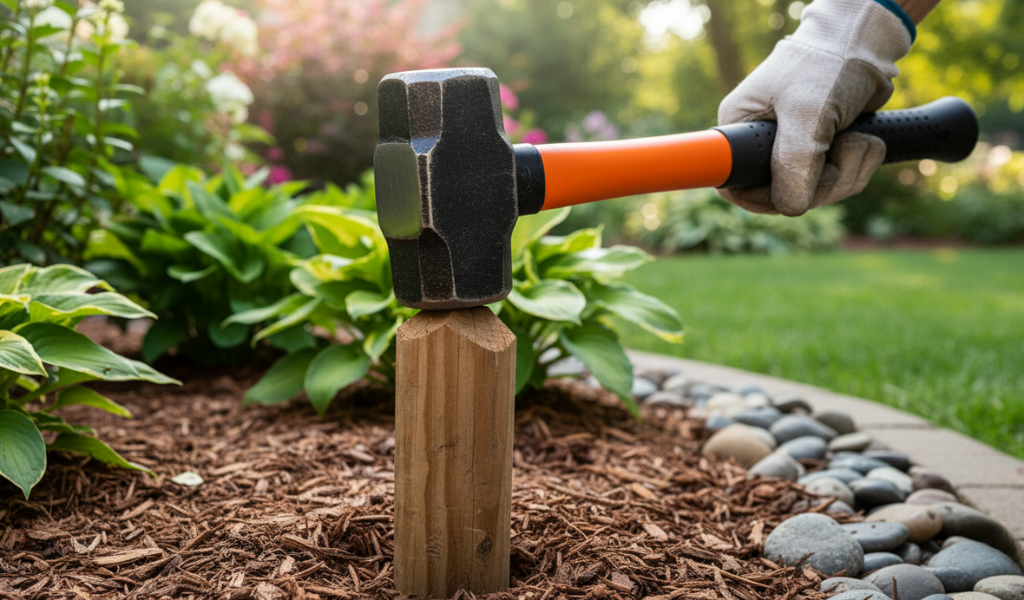
In metalworking and fabrication shops, sledge hammers are used for shaping, bending, and forging metal components. Their heavy heads and long handles allow for precise control and manipulation of metal pieces, making them essential tools for shaping and forming metalwork.
Sledge hammers play a vital role in emergency and rescue operations, where quick and decisive action is essential. From breaching doors and breaking windows to freeing trapped victims and accessing inaccessible areas, sledge hammers are indispensable tools for first responders and emergency personnel.
Compared to specialized equipment or machinery, sledge hammers are relatively inexpensive and cost-effective tools that offer long-term durability and reliability. With proper maintenance and care, a quality sledge hammer can last for years, making it a wise investment for both professionals and homeowners.
Sledge hammers require minimal maintenance compared to other power tools or equipment. With regular cleaning, inspection, and lubrication of moving parts, sledge hammers can remain in top condition and ready for use whenever needed. Their simplicity and durability make them low-maintenance tools that offer high performance.
Sledge hammers are powerful, versatile, and indispensable tools that offer a range of benefits and advantages across various industries and applications. From demolition and construction to landscaping and metalworking, these heavy-duty tools excel in tasks that require extreme force, precision, and efficiency. With their cost-effectiveness, durability, and minimal maintenance requirements, sledge hammers are essential additions to any toolkit, enabling professionals and DIY enthusiasts alike to tackle tough tasks with ease and confidence.
The sledge hammer stands as a symbol of power, versatility, and efficiency in various industries and applications. Whether demolishing structures, shaping metal, driving stakes, or aiding in emergency operations, its unparalleled force and adaptability make it an indispensable tool.
With proper handling, maintenance, and respect for its capabilities, the sledge hammer remains a reliable companion for professionals and DIY enthusiasts alike, empowering them to tackle tough tasks with confidence and precision.
The purpose of a sledge hammer is to deliver heavy blows to various materials such as concrete, metal, or wood. It is commonly used in construction, demolition, and landscaping for tasks requiring significant force.
A sledge hammer can be used for a wide range of tasks including breaking concrete, driving stakes, shaping metal, demolishing structures, and more. Its versatility makes it an essential tool in various industries and applications.
While sledge hammers are commonly used in demolition for breaking down structures, they have many other applications. They can be used for tasks such as driving stakes, shaping metal, landscaping, and emergency rescue operations.
A sledgehammer may have a flexible handle to absorb shock and vibrations, reducing strain on the user’s hands and arms. This can improve comfort and safety during prolonged use and minimize the risk of injuries such as hand-arm vibration syndrome.
The primary use of a sledge hammer is to deliver powerful blows to heavy materials, aiding in tasks such as demolition, construction, and landscaping. Its heavy head and long handle allow for efficient and controlled striking, making it an indispensable tool in many industries.
While sledge hammers are primarily used outdoors in construction and demolition settings, they can be used indoors with caution. Care must be taken to ensure that nearby objects or surfaces are not damaged, and adequate ventilation is maintained to prevent dust and debris buildup.