Got a flat and no torque wrench? No problemo! Ever wondered how to tighten lug nuts without torque wrench? Well, hold onto your lug nuts because we’re about to spill the beans on some savvy techniques. Picture this: you’re stranded with loose nuts and no fancy tools in sight.
But fear not, we’ve got the inside scoop on tightening those babies up without breaking a sweat. No need for high-tech gadgets, just a pinch of know-how and a dash of elbow grease. So, if you’re ready to learn the art of DIY nut-tightening, you’re in the right place. Buckle up, folks, it’s about to get wrench-free in here!
Key Summary: How to Tighten Lug Nuts Without Torque Wrench?
To tighten lug nuts without a torque wrench, use a cross pattern with a lug or socket wrench. Hand-tighten initially, then apply firm pressure in stages, ensuring each nut is snug. Tighten in a star pattern until secure. This method typically takes around 10-15 minutes, requiring only a wrench and spare time.
Why Properly Tightening Lug Nuts Matters
Ensuring that your vehicle’s lug nuts are properly tightened might seem like a minor detail in the grand scheme of automotive maintenance. However, overlooking this crucial step can have dire consequences for both your safety and the integrity of your vehicle.
At the core of every vehicle’s wheel assembly are the humble lug nuts. These seemingly small components play a critical role in securing the wheels to the vehicle’s hub. When tightened to the manufacturer’s recommended torque specifications, lug nuts create a strong, stable connection that keeps the wheels firmly in place, even under the stresses of driving.
The consequences of improperly tightened lug nuts can be severe. One of the most immediate risks is the potential for wheel detachment while driving. If lug nuts are too loose, the wheel can gradually work its way loose from the hub, leading to a catastrophic loss of control and a potentially devastating accident.
Even if a wheel doesn’t detach entirely, improperly tightened lug nuts can cause uneven pressure distribution on the wheel studs and hub. This can lead to premature wear and damage to these components, compromising the vehicle’s structural integrity over time.
Additionally, under-tightened lug nuts can allow the wheel to wobble or vibrate while driving, resulting in uncomfortable and potentially dangerous handling characteristics. This can make it more difficult to maintain control of the vehicle, especially at higher speeds or in emergency situations.
On the flip side, over-tightening lug nuts can be just as problematic. Excessive torque can strip the threads on the wheel studs or lug nuts themselves, rendering them ineffective at securing the wheel. Over-torquing can also cause damage to the wheel or hub, leading to costly repairs or replacements.
Properly tightening lug nuts is not just a matter of convenience or aesthetics—it’s a critical safety measure that should never be overlooked. By adhering to the manufacturer’s torque specifications and employing proper tightening techniques, you can help ensure that your wheels stay securely attached to your vehicle, minimizing the risk of accidents and preserving the longevity of your vehicle’s components.
Essential Tools and Materials for Properly Tightened Lug Nuts Without a Torque Wrench
When it comes to properly tightening lug nuts without a torque wrench, having the right tools and materials on hand is essential. While a torque wrench is the ideal tool for achieving precise torque specifications, there are alternative methods that can be used effectively with the proper equipment. Here’s a look at the essential tools and materials you’ll need:
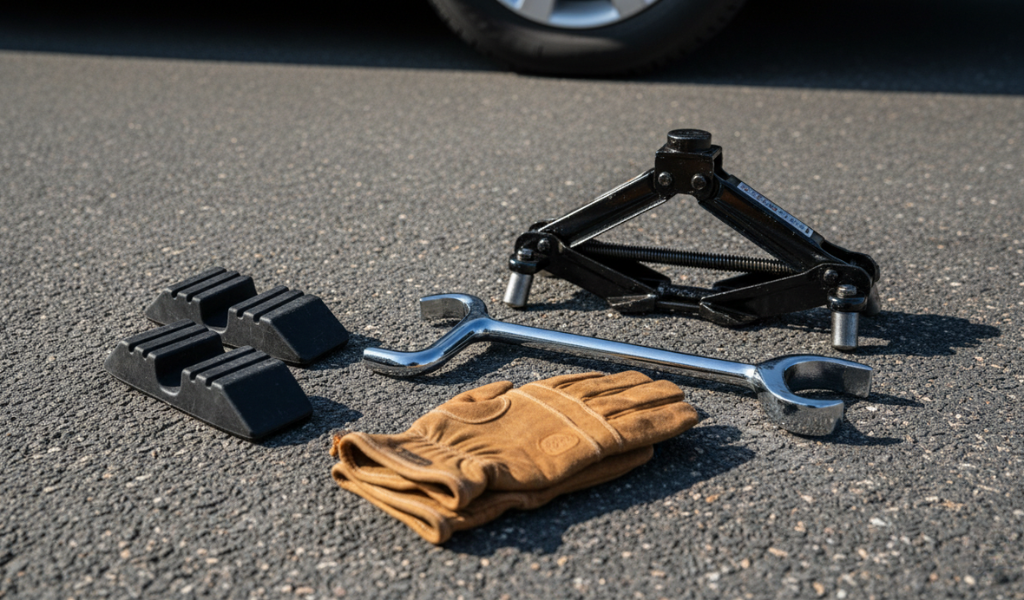
- Socket Wrench or Tire Iron: A socket wrench or tire iron is a basic tool that is commonly found in most vehicle toolkits. It’s used to loosen and tighten lug nuts and is essential for the hand tightening method.
- Quality Lug Wrench: If you don’t have a socket wrench or tire iron, a dedicated lug wrench is a must-have. Look for one with a long handle for better leverage, as this will make tightening lug nuts easier and more effective.
- Torque Stick or Extension: While not as precise as a torque wrench, torque sticks or extensions can help approximate torque without one. These tools are designed to flex at a certain torque level, providing a level of control when tightening lug nuts.
- Torque Calculation Chart: A torque calculation chart correlates bolt size with tightening force, allowing you to estimate the required torque for lug nuts based on their size. Keep a chart handy for reference when tightening lug nuts without a torque wrench.
- Wheel Chocks: Safety should always be a priority when working on a vehicle. Wheel chocks are essential for preventing the vehicle from rolling while loosening or tightening lug nuts. Place them in front of and behind the wheel opposite the one you’re working on to secure the vehicle in place.
- Jack and Jack Stands: Before loosening or tightening lug nuts, ensure the vehicle is properly supported on a stable surface. A jack and jack stands are necessary for lifting the vehicle off the ground safely. Follow manufacturer instructions for proper jacking and support points.
- Protective Gloves and Eye Protection: Lug nuts can be tight and difficult to remove, especially if they’ve been over-tightened. Protective gloves and eye protection are essential for preventing injury while working on your vehicle.
- Penetrating Oil or Lubricant: If lug nuts are rusted or seized, penetrating oil or lubricant can help loosen them. Apply the oil to the threads and allow it to penetrate before attempting to loosen the lug nuts.
By ensuring you have these essential tools and materials on hand, you can effectively tighten lug nuts without a torque wrench. While not as precise as using a torque wrench, these alternative methods can still provide adequate tightening to keep your wheels securely attached and your vehicle safe on the road. Always prioritize safety and consult a professional if you’re unsure about any aspect of vehicle maintenance.
Step-by-Step Guide: How to Tighten Lug Nuts Without Torque Wrench
Tightening lug nuts without a torque wrench may seem daunting, but with the right tools and technique, it’s entirely feasible. Follow this step-by-step guide to ensure your wheels are securely attached and your vehicle is safe to drive:
- Step 1: Gather Your Tools and Materials: Gather essential tools and materials before starting. You’ll need a socket wrench or tire iron, quality lug wrench, torque stick or extension, torque calculation chart, wheel chocks, jack and jack stands, protective gear, and penetrating oil or lubricant. Having these on hand ensures you’re prepared for the task ahead.
- Step 2: Park on a Flat Surface and Apply Wheel Chocks: Park your vehicle on a flat surface and engage the parking brake. Place wheel chocks in front of and behind the wheel opposite the one you’ll be working on to prevent the vehicle from rolling.
- Step 3: Lift the Vehicle and Remove the Wheel: Using the jack, lift the vehicle off the ground and secure it with jack stands. Once the vehicle is safely supported, remove the wheel by loosening the lug nuts in a star or cross pattern with your socket wrench or tire iron.
- Step 4: Hand Tighten the Lug Nuts: Before using any tools, hand tighten the lug nuts onto the wheel studs. Start by threading each lug nut onto the studs until they’re snug against the wheel. Avoid cross-threading by aligning the nut with the stud before tightening.
- Step 5: Use a Torque Stick or Extension (Optional): If you have a torque stick or extension, use it to approximate torque without a torque wrench. Select the appropriate torque stick or extension based on the size of your lug nuts and attach it to your socket wrench or lug wrench.
- Step 6: Tighten the Lug Nuts in a Star or Cross Pattern: Begin tightening the lug nuts in a star or cross pattern to ensure even pressure distribution across the wheel. Start with one lug nut, then move to the one opposite it, continuing in a diagonal pattern until all lug nuts are tightened.
- Step 7: Follow Manufacturer Guidelines or Torque Calculation Chart: Refer to the manufacturer’s guidelines for torque specifications, if available. Alternatively, consult a torque calculation chart to estimate the required torque based on the size of your lug nuts and the thread pitch.
- Step 8: Apply Penetrating Oil or Lubricant (If Necessary): If any lug nuts are rusted or seized, apply penetrating oil or lubricant to the threads and allow it to penetrate for a few minutes before attempting to loosen them.
- Step 9: Check and Re-Tighten Lug Nuts: Once all lug nuts are tightened, double-check each one to ensure they’re properly seated and torqued. If necessary, re-tighten any lug nuts that feel loose or appear uneven.
- Step 10: Replace the Wheel and Lower the Vehicle: Carefully replace the wheel onto the hub, ensuring that it’s properly aligned with the wheel studs. Hand-thread the lug nuts onto the studs to prevent cross-threading, then tighten them in a star or cross pattern.
- Step 11: Lower the Vehicle and Remove Wheel Chocks: Once the wheel is securely attached, carefully lower the vehicle from the jack stands using the jack. Remove the jack stands and lower the vehicle until it rests securely on the ground. Finally, remove the wheel chocks from in front of and behind the wheel.
- Step 12: Test Drive and Final Inspection: Take your vehicle for a short test drive to ensure that the wheel is secure and there are no unusual vibrations or handling issues. Afterward, perform a final inspection of the lug nuts to confirm that they’re properly tightened and seated.
By following these steps and using the appropriate tools and techniques, you can effectively tighten lug nuts without a torque wrench. Prioritize safety throughout the process, and consult a professional if you’re unsure about any aspect of the procedure.
Exploring Alternative Methods for Tightening Lug Nuts Without a Torque Wrench
While a torque wrench is the preferred tool for tightening lug nuts to precise specifications, there are alternative methods that can be effective in achieving proper tightness. Here, we’ll explore some of these methods along with tips for their use:
Hand Tightening Method
One of the simplest alternatives to using a torque wrench is hand tightening. This method involves using a lug wrench or socket wrench to tighten the lug nuts by hand. While not as precise as a torque wrench, it can be effective when done correctly.
To hand tighten lug nuts:
- Loosen the lug nuts slightly with a wrench.
- Hand tighten each lug nut onto the wheel studs in a star or cross pattern to ensure even pressure distribution.
- Use steady, even pressure to tighten the lug nuts, being careful not to over-tighten.
Using a Torque Stick or Extension
Torque sticks or extensions are tools designed to flex at a specific torque level, providing a level of control when tightening lug nuts. While not as precise as a torque wrench, they can help approximate torque when used correctly.
To use a torque stick or extension:
- Attach the torque stick or extension to your lug wrench, ensuring it is properly secured.
- Refer to a torque calculation chart to determine the appropriate torque level for your lug nuts based on their size.
- Use the torque stick or extension to tighten each lug nut in a star or cross pattern to the specified torque level.
- Apply steady, even pressure to achieve the desired torque without over-tightening.
Using a Torque Calculation Chart
A torque calculation chart correlates bolt size with tightening force, allowing you to estimate the required torque for lug nuts based on their size. While not as precise as using a torque wrench, it can provide a rough guideline for tightening lug nuts.
To use a torque calculation chart:
- Refer to the chart to determine the recommended torque level for your lug nuts based on their size.
- Use a lug wrench or socket wrench to tighten each lug nut in a star or cross pattern to the specified torque level.
- Use steady, even pressure to achieve the desired torque without over-tightening.
Tips for Effective Alternative Methods
- Always use a star or cross pattern when tightening lug nuts to ensure even pressure distribution.
- Apply steady, even pressure when tightening lug nuts to prevent over-tightening.
- Double-check each lug nut to ensure they are all tightened to the correct torque specification.
- Perform a brief test drive after tightening lug nuts to ensure everything feels normal.
While a torque wrench is the preferred tool for tightening lug nuts to precise specifications, alternative methods can be effective when used correctly. Whether using the hand tightening method, torque sticks or extensions, or torque calculation charts, it’s essential to prioritize safety and apply proper techniques to ensure your vehicle’s wheels are securely attached and roadworthy.
Final Checks and Precautions for Tightening Lug Nuts Without a Torque Wrench
Tightening lug nuts without a torque wrench requires attention to detail and adherence to proper techniques. Once the lug nuts are tightened using alternative methods, it’s essential to perform final checks and take safety precautions to ensure the wheels are securely attached and the vehicle is safe to drive. Here’s what you need to do:
Conduct a Visual Inspection
Before driving the vehicle, conduct a thorough visual inspection of the lug nuts and wheel assembly. Check for the following:
- Proper Alignment: Ensure that each lug nut is seated properly on the wheel stud and tightened securely.
- Even Tightening: Confirm that the lug nuts are tightened evenly and there are no gaps between the wheel and the hub.
- No Loose Components: Check for any loose or missing components, such as lug nuts, wheel studs, or hub caps.
Perform a Hand Test
After visually inspecting the lug nuts, perform a hand test to verify their tightness. Here’s how:
- Use Your Hands: Apply firm pressure to each lug nut using your hands. They should not move or feel loose.
- Check for Movement: Attempt to rotate the wheel by hand. If the lug nuts are properly tightened, the wheel should not move or wobble.
Perform a Test Drive
Once you’ve completed the visual inspection and hand test, take the vehicle for a brief test drive to ensure everything feels normal. Pay attention to the following:
- Handling: Monitor the vehicle’s handling during acceleration, braking, and turning. Any unusual vibrations or handling issues could indicate improperly tightened lug nuts.
- Noise: Listen for any unusual noises coming from the wheel assembly, such as clicking or rattling sounds. These could indicate loose or improperly tightened lug nuts.
- Braking: Test the brakes to ensure they are functioning correctly. Improperly tightened lug nuts can affect brake performance and stability.
Monitor for Signs of Loosening
Even after performing the final checks and test drive, it’s essential to monitor the lug nuts for signs of loosening over time. Here’s what to look out for:
- Visual Inspection: Periodically inspect the lug nuts for any signs of movement, rust, or damage.
- Hand Test: Perform regular hand tests to ensure the lug nuts remain tight. If any lug nuts feel loose or show signs of movement, tighten them immediately.
- Listen for Noises: Pay attention to any unusual noises coming from the wheel assembly while driving. Clicking or rattling sounds could indicate loose lug nuts.
Take Safety Precautions
In addition to performing final checks, it’s crucial to take safety precautions when tightening lug nuts without a torque wrench. Here are some important safety tips:
- Use Proper Tools: Always use high-quality tools and materials when tightening lug nuts. This ensures a secure and reliable connection between the wheel and the hub.
- Wear Protective Gear: Wear protective gloves and eye protection when working on your vehicle to prevent injuries from sharp edges or flying debris.
- Follow Manufacturer Guidelines: Refer to the vehicle manufacturer’s guidelines for proper torque specifications and tightening sequences. While alternative methods can provide adequate tightening, following manufacturer recommendations ensures optimal safety and performance.
By following these final checks and safety precautions, you can ensure that the lug nuts are properly tightened without a torque wrench and that your vehicle is safe to drive. Remember to perform regular inspections and monitor for any signs of loosening to maintain optimal safety and performance on the road.
Final Word
While a torque wrench is the ideal tool for precise tightening, alternative methods can still achieve effective results when executed with care. By utilizing hand tightening techniques, torque sticks, or torque calculation charts, and performing thorough final checks and safety precautions, you can ensure that your lug nuts are securely tightened.
Prioritizing safety and regular inspections will help maintain optimal performance and peace of mind on the road. Remember, when in doubt, consult a professional mechanic for guidance on proper lug nut tightening procedures.
Frequently Asked Questions
What can you use to tighten lug nuts if you don’t have a torque wrench?
You can use alternative methods such as hand tightening with a lug wrench, using a torque stick or extension, or referring to a torque calculation chart to estimate tightening force based on bolt size.
How do you tighten lug nuts without a torque wrench by hand?
To tighten lug nuts by hand, first, loosen them slightly with a wrench. Then, hand tighten each lug nut onto the wheel studs in a star or cross pattern using steady, even pressure.
Do you need a torque wrench to tighten lug nuts?
While a torque wrench is the preferred tool for precise tightening, alternative methods such as hand tightening, torque sticks, or torque calculation charts can also achieve adequate results.
Is it safe to tighten lug nuts without a torque wrench?
When done correctly using alternative methods and proper techniques, tightening lug nuts without a torque wrench can be safe. However, it’s essential to perform final checks and monitor for signs of loosening regularly.
What is the proper way to tighten lug nuts without a torque wrench?
The proper way to tighten lug nuts without a torque wrench is to use alternative methods such as hand tightening, torque sticks, or torque calculation charts while ensuring even pressure distribution and regular inspections for proper tightness.
How hard should you tighten lug nuts if you’re using alternative methods?
When using alternative methods to tighten lug nuts, apply firm pressure but avoid over-tightening. Use your judgment to achieve snugness without stripping the threads. Regularly inspect the lug nuts and monitor for any signs of loosening.