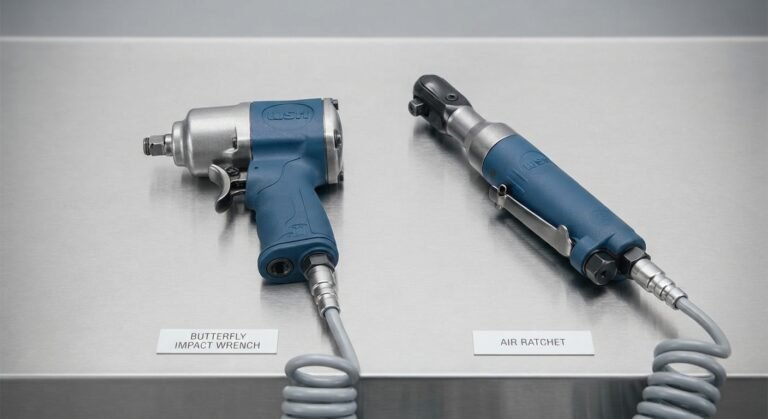
When not to use an impact wrench? It’s a question that can save you a lot of trouble. Picture this: you’re in the middle of a project, ready to tackle that stubborn bolt, and suddenly, you hesitate. That’s where knowing when to put down the impact wrench comes in handy. 
Because let’s face it, these tools are like a bull in a china shop sometimes. But fear not, we’ve got your back. In this guide, we’ll spill the beans on those moments when reaching for the impact wrench might not be the best move. So buckle up and get ready to learn the ropes of savvy tool usage.
Key Summary: When Not to Use an Impact Wrench?
Avoid using an impact wrench for delicate tasks, such as electronics, or on fragile materials to prevent damage. It’s also unsuitable for rusted or corroded fasteners to prevent shearing or stripping. Lastly, refrain from its use on critical components where torque precision is vital, as it lacks finesse.
Knowing When to Hold Back: A Guide to Impact Wrench Safety
Impact wrenches are powerful tools that can significantly speed up mechanical tasks, but their immense torque and force also pose safety risks if not used properly. Understanding when to exercise caution and hold back on using an impact wrench is crucial for preventing accidents and injuries in the workshop or job site.
- Assessing Workpiece Stability: Before using an impact wrench, it’s essential to assess the stability of the workpiece and surrounding environment. Loose or unstable components can shift or fall during operation, posing a risk of injury to the user or bystanders. Securely fasten workpieces in place using clamps or vises to prevent unexpected movement.
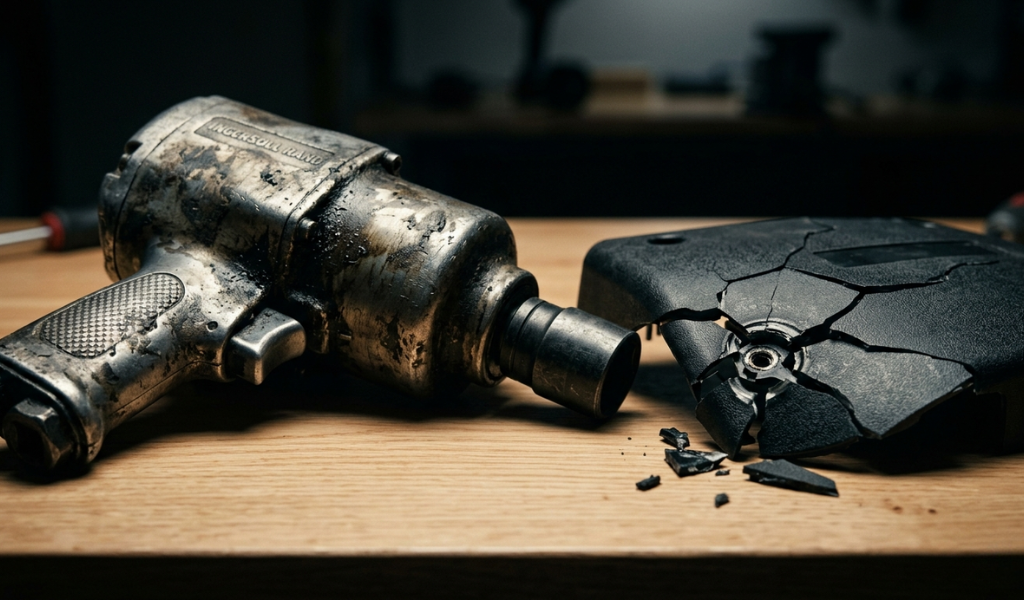
- Considering Material Strength: Different materials react differently to the force applied by an impact wrench. Delicate materials such as plastics, ceramics, or thin metals may be prone to damage or deformation when subjected to excessive torque. Exercise caution when working with these materials and consider using alternative tools or manual methods to avoid over-tightening or shearing off fasteners.
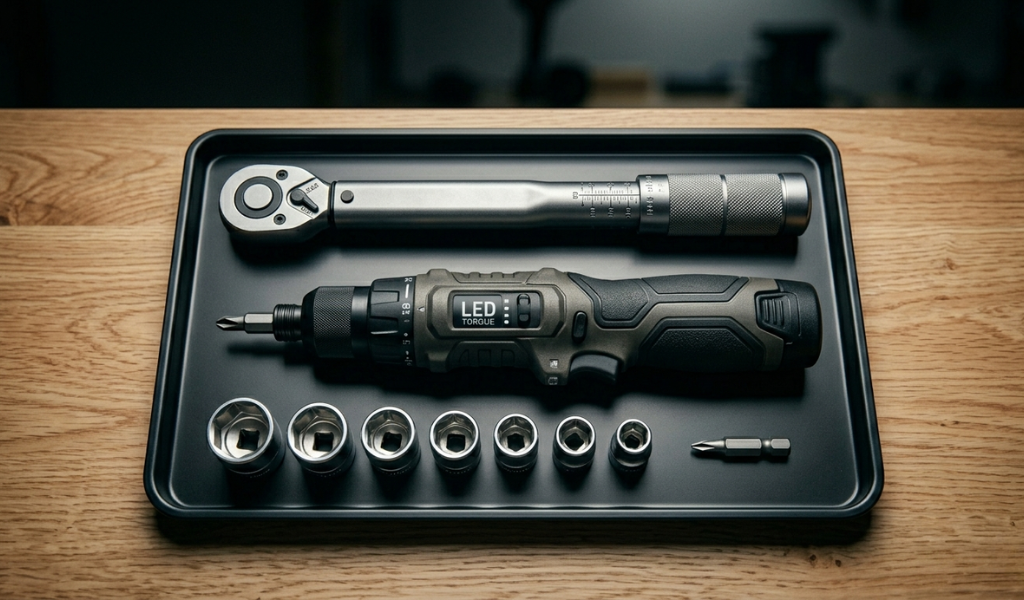
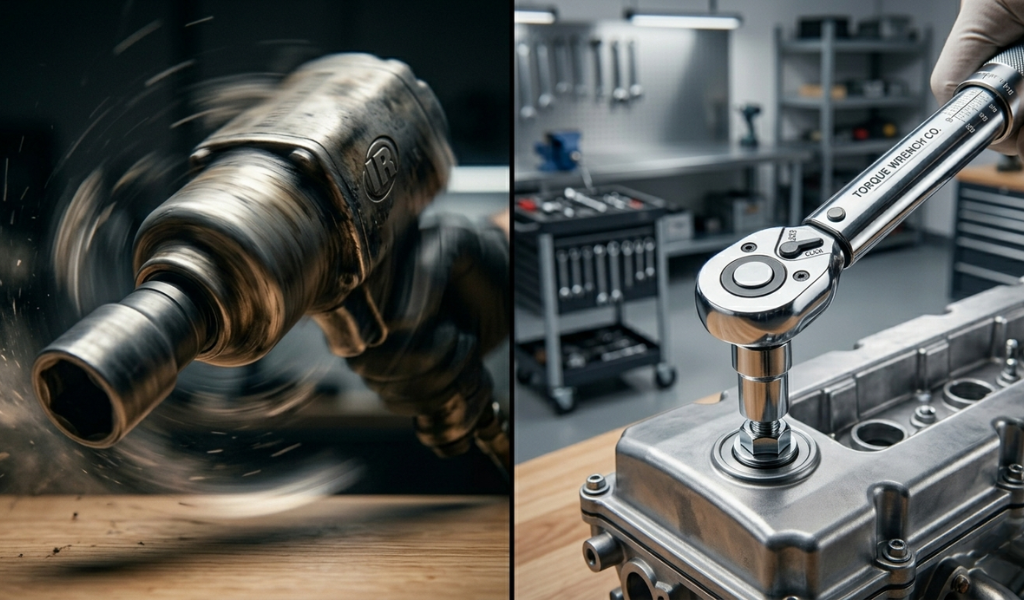
- Understanding Torque Requirements: Not all tasks require the high torque output of an impact wrench. In situations where precision torque control is essential, such as automotive repairs or delicate assembly work, using a torque wrench or calibrated electric screwdriver may be more appropriate. Match the tool to the task to ensure optimal results and prevent damage to components.
- Maintaining Tool and Personal Safety: Regular maintenance and inspection of impact wrenches are essential for ensuring safe and reliable operation. Check for signs of wear or damage to the tool, including worn sockets, loose fasteners, or frayed power cords. Always wear appropriate personal protective equipment, such as safety glasses, hearing protection, and gloves, to minimize the risk of injury.
- Practicing Proper Technique: Using an impact wrench requires proper technique to ensure safe and effective operation. Hold the tool firmly with both hands and position yourself in a stable stance to maintain control and stability during use. Avoid overextending your reach or applying excessive force, as this can lead to loss of control and potential accidents.
- Seeking Training and Guidance: If you’re unfamiliar with using an impact wrench or uncertain about the safest approach for a particular task, seek training or guidance from experienced professionals. Many trade schools, vocational programs, and equipment manufacturers offer training courses or instructional materials on tool usage and safety practices.
Knowing when to hold back and exercise caution when using an impact wrench is essential for protecting yourself, your workpieces, and those around you. By assessing workpiece stability, considering material strength, understanding torque requirements, maintaining tool and personal safety, practicing proper technique, and seeking training and guidance when needed, you can ensure safe and successful outcomes in your mechanical tasks. Remember, safety always comes first.
Handle with Care: The Art of Knowing When Not to Use an Impact Wrench
Impact wrenches are powerful tools, but knowing when to refrain from using them is just as important as knowing when to wield their force. Mastering the art of when not to use an impact wrench requires careful consideration of various factors to ensure both safety and precision in mechanical tasks.
- Assessing Material and Component Sensitivity: One of the primary considerations when determining whether to use an impact wrench is the sensitivity of the materials or components involved. Delicate materials such as plastics, ceramics, or thin metals are more susceptible to damage from the high torque output of impact wrenches. Using an impact wrench on such materials can lead to over-tightening, deformation, or even breakage. In these cases, opting for hand tools or low-torque alternatives is often the wiser choice to prevent damage and ensure the integrity of the workpiece.
- Evaluating Precision Torque Requirements: Precision torque control is another crucial factor to consider when deciding whether to use an impact wrench. While impact wrenches excel at quickly loosening or tightening stubborn bolts, they may not provide the level of control required for tasks where precise torque application is essential. Applications such as automotive repairs, machinery maintenance, or delicate assembly work often demand careful torque management to avoid damage or failure. Employing manual torque wrenches or calibrated electric screwdrivers may be more appropriate in such instances to achieve the desired level of precision.
- Protecting Surface Finish and Integrity: Impact wrenches can also pose a risk to the surface finish and integrity of workpieces. The high impact force generated by these tools can cause scratches, dents, or other forms of surface damage if not used carefully. When working on surfaces that require protection, employing techniques such as using protective pads or blankets, or utilizing low-torque settings can help minimize the risk of damage while still achieving the desired results.
- Considering Noise and Vibration Levels: In addition to their mechanical force, impact wrenches also produce significant levels of noise and vibration during operation. Prolonged exposure to high noise levels can cause hearing damage, while excessive vibration can lead to hand-arm vibration syndrome (HAVS). When working with impact wrenches for extended periods or in noisy environments, wearing hearing protection and using anti-vibration gloves can help mitigate these risks and ensure a safer working environment.
- Seeking Professional Advice and Guidance: Ultimately, mastering the art of when not to use an impact wrench requires experience, knowledge, and judgment. If you’re uncertain about the best approach for a particular task or material, don’t hesitate to seek advice from experienced professionals or consult equipment manuals. They can offer valuable insights and guidance to help ensure the safety and success of your project.
Knowing when not to use an impact wrench is a crucial aspect of mastering the art of mechanical work. By carefully assessing material sensitivity, evaluating precision torque requirements, protecting surface finish and integrity, considering noise and vibration levels, and seeking professional advice when needed, you can ensure safe and successful outcomes in your mechanical tasks. Remember, handle with care, and always prioritize safety and precision in your work.
Thread with Caution: Avoiding Damage with Impact Wrench Use
Impact wrenches are powerful tools that can significantly speed up mechanical tasks, but their immense torque and force also pose risks of causing damage if not used properly. To ensure both safety and precision in your work, it’s crucial to approach impact wrench use with caution and attentiveness, especially when dealing with threaded fasteners.
- Understanding Threaded Fasteners: Threaded fasteners, such as bolts and nuts, play a critical role in holding mechanical components together. They rely on precise threading to create a secure and stable connection. However, excessive force or improper handling can damage the threads, compromising the integrity of the fastener and potentially leading to loosening or failure over time.
- Applying Proper Torque: One of the key considerations when using an impact wrench is applying the proper torque to threaded fasteners. While impact wrenches excel at delivering high torque output, they may not provide the level of precision required for tasks where precise torque application is essential. Over-tightening bolts can stretch or strip the threads, while under-tightening can result in loose connections that may fail under load. Using a torque wrench or calibrated electric screwdriver alongside the impact wrench can help ensure accurate torque application and prevent damage to threaded fasteners.
- Avoiding Cross-Threading: Cross-threading occurs when the threads of a fastener become misaligned with the corresponding threads of the mating component, resulting in a damaged or stripped connection. Impact wrenches can increase the risk of cross-threading, especially when used hastily or without proper alignment. To avoid cross-threading, ensure that the fastener and mating component are properly aligned before applying torque. Use hand tools or manual methods to start threading the fastener, then switch to the impact wrench once the threads are properly engaged.
- Exercising Control and Precision: Using an impact wrench requires careful control and precision to avoid damage to threaded fasteners. Hold the tool firmly and position yourself in a stable stance to maintain control and stability during use. Apply torque gradually and evenly, avoiding sudden or jerky movements that can strain the fastener threads. If you encounter resistance while tightening a fastener, stop and reassess to avoid over-tightening or damaging the threads.
- Practicing Proper Technique: Practicing proper technique is essential for preventing damage when using an impact wrench. Take your time to assess the task at hand and select the appropriate tool and settings for the job. Use caution when working with delicate materials or components, and be mindful of the potential risks associated with impact wrench use. By exercising caution and practicing proper technique, you can avoid damage to threaded fasteners and ensure the integrity of your mechanical assemblies.
Threaded fasteners play a critical role in mechanical assemblies, and it’s essential to handle them with care when using an impact wrench. By understanding the risks associated with impact wrench use, applying proper torque, avoiding cross-threading, exercising control and precision, and practicing proper technique, you can prevent damage to threaded fasteners and achieve safe and successful outcomes in your mechanical tasks. Remember, when it comes to impact wrench use, thread with caution to avoid costly mistakes and ensure the longevity of your assemblies.
Precision Matters: Understanding Impact Wrench Dos and Don’ts
Impact wrenches are powerful tools that can significantly expedite mechanical tasks, but their potency also necessitates precision and adherence to safety protocols. Understanding the dos and don’ts of impact wrench usage is paramount for ensuring both effectiveness and safety in various applications. Here’s a comprehensive guide to help you navigate the proper usage of impact wrenches:
Dos
- Utilize Proper Torque Settings: Accurate torque application is crucial for the integrity of fasteners and components. Adjust the torque setting on the impact wrench to match the specifications of the fastener being tightened or loosened. Utilizing excessive torque can lead to fastener damage or component deformation, while insufficient torque may result in loose connections prone to failure.
- Secure Workpieces Firmly: Before engaging the impact wrench, ensure that workpieces are firmly secured in place. Unstable or loosely secured workpieces pose a safety hazard as they may shift or fall during operation, risking injury to the user or bystanders. Securely fasten workpieces using clamps, vises, or appropriate fixtures to maintain stability and prevent accidents.
- Maintain Tool and Personal Safety: Regular maintenance and inspection of the impact wrench are imperative for safe and reliable operation. Conduct routine checks for signs of wear, damage, or malfunction, such as worn sockets, loose fasteners, or frayed power cords. Address any issues promptly to mitigate safety risks. Additionally, always wear suitable personal protective equipment, including safety glasses, hearing protection, and gloves, to safeguard against potential hazards.
- Practice Proper Technique: Executing proper technique is essential for maximizing the effectiveness and safety of impact wrench usage. Hold the impact wrench firmly with both hands and adopt a stable stance before initiating operation. Apply torque gradually and evenly to fasteners, avoiding abrupt or jerky movements that may strain the tool or components. If encountering resistance while tightening or loosening a fastener, pause and reassess to prevent overexertion or damage.
Don’ts
- Over-Tighten Fasteners: Excessive torque application can lead to fastener damage or failure, compromising the integrity of mechanical assemblies. Refrain from over-tightening fasteners with the impact wrench. Instead, utilize a torque wrench or calibrated electric screwdriver in conjunction with the impact wrench to achieve precise torque control and prevent overexertion.
- Use on Delicate Materials: Exercise caution when working with delicate materials or components that may be susceptible to damage from the impact wrench’s high torque output. Fragile materials such as plastics, ceramics, or thin metals require careful handling to avoid over-tightening, deformation, or breakage. Opt for hand tools or low-torque alternatives when working with delicate materials to prevent damage and ensure precision.
- Ignore Noise and Vibration: The noise and vibration generated by impact wrenches during operation can pose health and safety risks if disregarded. Prolonged exposure to high noise levels may result in hearing damage, while excessive vibration can lead to hand-arm vibration syndrome (HAVS). Wear appropriate hearing protection and utilize anti-vibration gloves to mitigate these risks and promote a safer working environment.
- Rush or Force the Task: Avoid rushing or forcing tasks when utilizing an impact wrench. Take the time to assess the situation, select the appropriate tool and settings, and execute the task methodically and accurately. Rushing or forcing the task can increase the likelihood of accidents, injuries, or damage to equipment, compromising safety and effectiveness.
Precision is paramount when utilizing impact wrenches in mechanical applications. By adhering to the dos and don’ts outlined above, users can maximize safety, efficiency, and effectiveness in their tasks. Remember to utilize proper torque settings, secure workpieces firmly, maintain tool and personal safety, practice proper technique, and avoid common pitfalls such as over-tightening fasteners or using the tool on delicate materials. With a commitment to precision and adherence to safety protocols, impact wrenches can be powerful allies in various mechanical endeavors.
Achieving Precision: Alternatives to Impact Wrenches for Avoiding Over-Tightening
Impact wrenches are renowned for their power and efficiency in loosening or tightening stubborn fasteners. However, their high torque output can pose a risk of over-tightening, particularly when working with delicate materials or components. To achieve precision and prevent damage, it’s essential to explore alternative tools and techniques. Here’s a comprehensive guide to some effective alternatives:
Manual Torque Wrenches
Overview
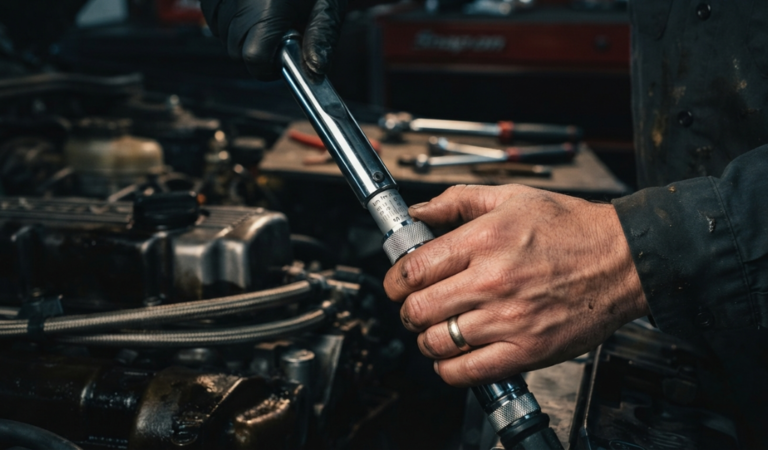
- Manual torque wrenches are versatile tools designed for precise torque control in mechanical tasks. They come in various types, including click-type, beam-type, and electronic torque wrenches, each offering unique features and benefits.
Benefits
- Precise Torque Control: Manual torque wrenches allow users to set and control the exact amount of torque applied to fasteners, ensuring accuracy and consistency.
- Versatility: These wrenches are suitable for a wide range of applications, from automotive repairs and construction to machinery maintenance and assembly.
- Delicate Material Handling: Manual torque wrenches are ideal for working with delicate materials or components, preventing over-tightening and damage.
Considerations
- Manual Operation: Using manual torque wrenches requires physical effort, which may be tiring over extended periods or in tight spaces.
- Cost: High-quality manual torque wrenches can be relatively expensive, especially for models with advanced features.
- Learning Curve: Proper usage of manual torque wrenches requires knowledge and skill to set and apply the correct torque settings for different applications.
Calibrated Electric Screwdrivers
Overview
- Calibrated electric screwdrivers are precision tools designed for accurate torque control in assembly and manufacturing processes. They feature adjustable torque settings and digital displays for precise monitoring.
Benefits
- Digital Precision: Electric screwdrivers offer digital precision and accuracy in torque control, allowing users to set and monitor torque settings with ease.
- Consistent Results: These tools provide consistent torque output, ensuring uniform assembly quality and reducing the risk of over-tightening.
- Efficiency: Electric screwdrivers are efficient for high-volume assembly work, offering fast and reliable torque application without manual effort.
Considerations
- Limited Torque Range: Some electric screwdrivers may have a limited torque range compared to impact wrenches, limiting their suitability for heavy-duty applications.
- Power Source: Electric screwdrivers require electricity or rechargeable batteries, which may limit their portability and use in remote settings.
- Cost: High-quality electric screwdrivers can be expensive, especially models with advanced features like digital torque monitoring.
Adjustable Ratchet Wrenches
Overview
- Adjustable ratchet wrenches, or torque ratchets, combine the convenience of a ratchet mechanism with adjustable torque settings for precise fastening or loosening of fasteners.
Benefits
- Versatility: Adjustable ratchet wrenches offer versatility in torque settings, accommodating different fasteners and applications.
- Compact and Portable: These wrenches are compact and portable, suitable for various settings including automotive repairs and DIY projects.
- Affordability: Adjustable ratchet wrenches are generally more affordable than impact wrenches or electric screwdrivers.
Considerations
- Limited Torque Range: Adjustable ratchet wrenches may have a limited torque range compared to other alternatives, restricting their use for heavy-duty tasks.
- Manual Operation: Like manual torque wrenches, these wrenches require manual effort to operate, which may be fatiguing over time.
- Precision: While offering adjustable torque settings, adjustable ratchet wrenches may not provide the same precision as manual torque wrenches or electric screwdrivers.
While impact wrenches are powerful tools, they may not always be suitable for tasks requiring precise torque control. By considering alternative tools such as manual torque wrenches, calibrated electric screwdrivers, or adjustable ratchet wrenches, users can achieve precision and prevent over-tightening. Each alternative has its benefits and considerations, so it’s essential to choose the tool that best suits your specific needs and requirements. With the right selection and usage, these alternatives can offer reliable and efficient solutions for various mechanical tasks.
Final Word
While impact wrenches are powerful tools for many mechanical tasks, knowing when not to use them is equally important. Avoid using impact wrenches on delicate materials, such as plastics or ceramics, to prevent damage.
Additionally, exercise caution when working with threaded fasteners, ensuring proper torque control to avoid over-tightening or cross-threading. By recognizing these limitations and employing alternative tools when necessary, you can ensure safe and effective outcomes in your mechanical work.
Frequently Asked Questions
What not to use impact wrench on?
Using an impact wrench on delicate materials like plastics or ceramics is not recommended as it can cause damage or deformation due to the high torque output. Additionally, avoid using them on threaded fasteners where precise torque control is crucial.
When should you use an impact wrench?
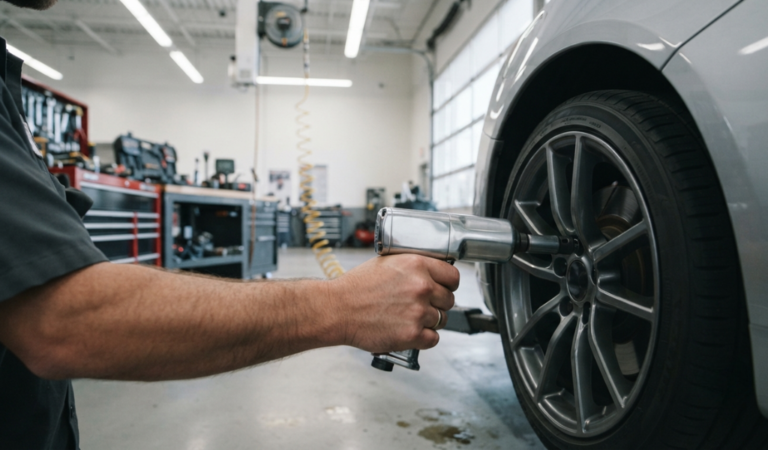
Impact wrenches are best suited for tasks that require high torque output, such as loosening or tightening stubborn fasteners in automotive repairs, construction, or machinery maintenance. They are particularly useful in applications where manual effort alone may not suffice.
What are the hazards of impact wrenches?
The hazards of impact wrenches include over-tightening fasteners, which can lead to damage or failure of components. There is also a risk of injury from flying debris or accidental tool slippage. Improper use or lack of proper safety precautions can result in accidents or injuries.
When not to use an impact wrench on a car?
Avoid using an impact wrench on a car when working with delicate components such as plastic trim pieces or interior fittings, as the high torque output can cause damage. Additionally, exercise caution when working on critical fasteners to prevent over-tightening or stripping.
Can impact wrenches damage delicate materials?
Impact wrenches can exert significant torque, making them unsuitable for use on delicate materials like plastics or ceramics, as they may cause damage or deformation.
Are there alternatives to impact wrenches for certain tasks?
Yes, there are alternative tools such as manual torque wrenches, calibrated electric screwdrivers, or adjustable ratchet wrenches that provide more precise torque control for specific applications.

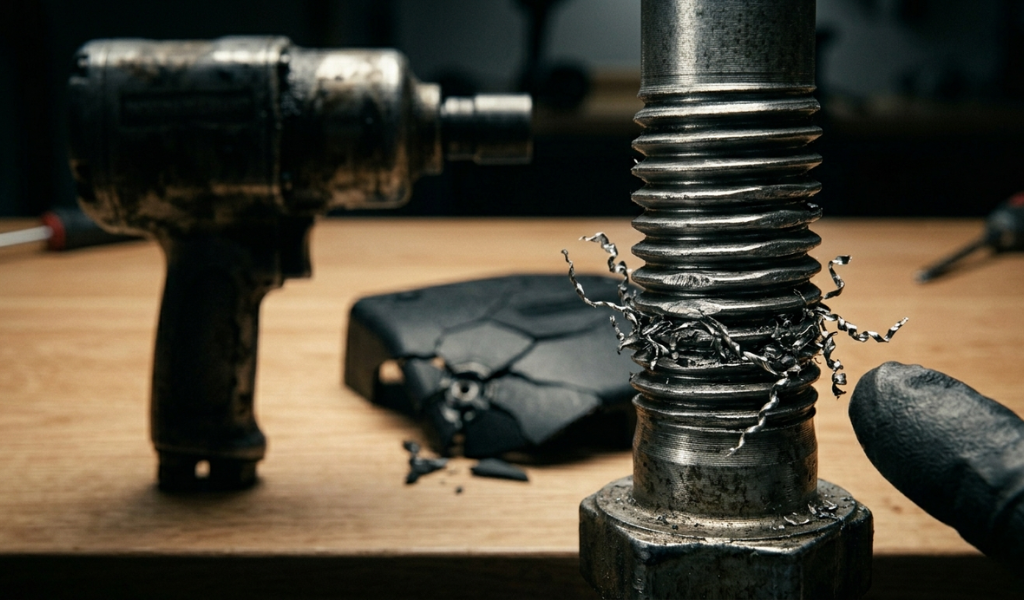 Impact wrenches can increase the risk of cross-threading, especially when used hastily or without proper alignment. To avoid cross-threading, ensure that the fastener and mating component are properly aligned before applying torque. Use hand tools or manual methods to start threading the fastener, then switch to the impact wrench once the threads are properly engaged.