Physical Address
304 North Cardinal St.
Dorchester Center, MA 02124
Physical Address
304 North Cardinal St.
Dorchester Center, MA 02124

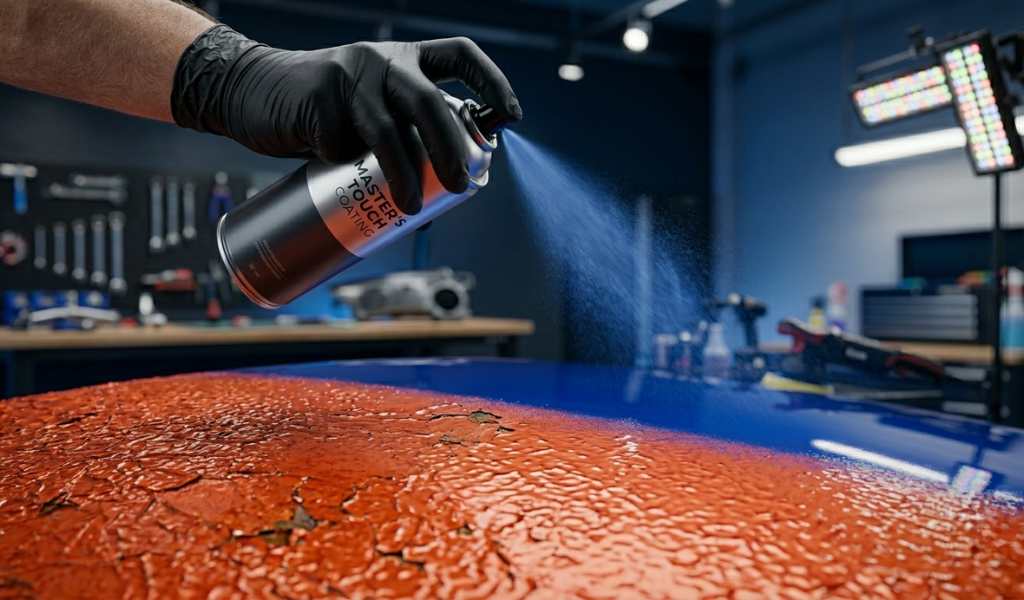
Why does spray paint wrinkle? It’s the frustrating question that plagues many DIY enthusiasts. You’ve spent time prepping, painting, only to find your masterpiece marred by unsightly wrinkles. But fear not, because in this quick read, we’re diving into the mystery behind spray paint wrinkling.
From the chemistry of the paint to the impact of environmental factors, we’ll uncover it all. Get ready to arm yourself with knowledge and bid farewell to those pesky wrinkles. So grab your paintbrush and let’s embark on a journey to smoother, flawless finishes!
Key Summary: Why Does Spray Paint Wrinkle?
Spray paint wrinkles due to factors like improper application, incompatible surfaces, or environmental conditions. Thick application, unprepared surfaces, or extreme weather can cause wrinkling. To avoid it, prep surfaces, use compatible paint, and consider weather during application.
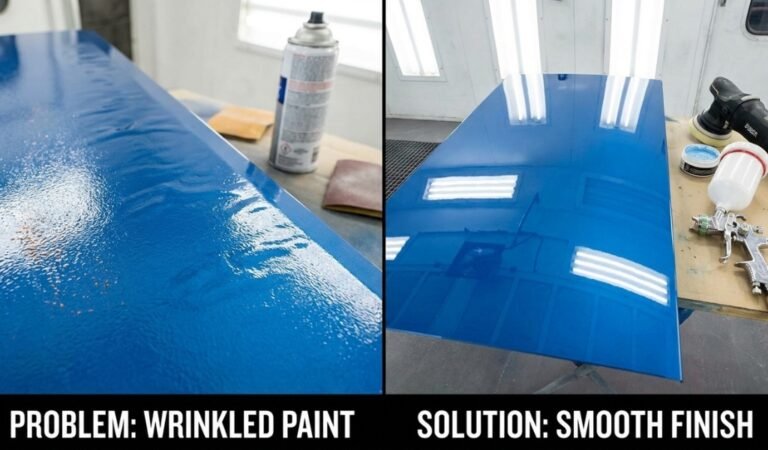
Spray painting offers a convenient and efficient way to transform surfaces, from furniture to walls, with a fresh coat of color. However, encountering the frustration of wrinkled paint can quickly dampen the excitement of a DIY project. To address this perplexing issue, it’s essential to delve into the underlying reasons behind why spray paint wrinkles.
At its core, the phenomenon of spray paint wrinkling arises from a complex interplay of factors, each contributing to the final outcome of the paint application. One of the primary culprits is inadequate surface preparation. Surfaces that are not properly cleaned, sanded, or primed may fail to provide the necessary adhesion for the paint, leading to wrinkling as it dries.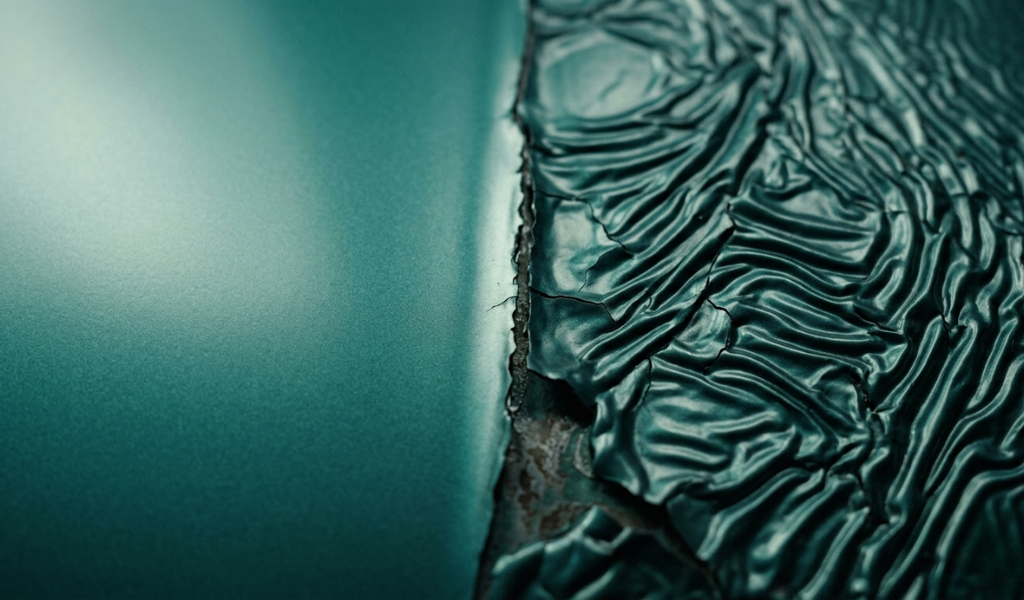
Additionally, environmental conditions play a significant role in the wrinkling process. Factors such as high humidity levels, extreme temperatures, or insufficient ventilation can disrupt the drying process of the paint, resulting in uneven drying and subsequent wrinkling. Therefore, creating optimal painting conditions becomes crucial to minimizing the risk of wrinkling.
Furthermore, the type and quality of the spray paint used can significantly influence its propensity to wrinkle. Lower-quality paints may contain ingredients or additives that are more prone to wrinkling, while higher-quality formulations designed for specific surfaces and conditions can offer better adhesion and smoother finishes.
To preempt spray paint wrinkling, meticulous surface preparation is paramount. Begin by thoroughly cleaning the surface to remove any dirt, grease, or debris that could hinder adhesion. Next, lightly sand the surface to create a smooth and uniform texture, followed by the application of a suitable primer to enhance adhesion and promote a seamless finish.
During the painting process, employing proper techniques is crucial to minimizing the risk of wrinkling. Apply the paint evenly in thin, overlapping coats, maintaining the recommended distance between the surface and the spray nozzle. Avoid the temptation to apply too much paint at once or to spray too closely, as this can lead to excessive buildup and potential wrinkling.
Unraveling the mystery of why spray paint wrinkles is essential for achieving professional-quality results in your projects. By addressing surface preparation, environmental factors, and paint selection, you can mitigate the risk of wrinkling and achieve smooth, flawless finishes. Armed with this knowledge and employing the appropriate techniques, you can elevate the quality of your painting endeavors and bid farewell to wrinkled paint for good.
Spray painting is a popular method for achieving smooth and professional finishes on various surfaces. However, despite careful application and preparation, many individuals encounter the frustrating issue of spray paint wrinkling. Among the various factors contributing to this problem, environmental conditions play a significant role.
High humidity levels can significantly impact the drying process of spray paint and contribute to wrinkling. When the air is humid, the paint may take longer to dry, leading to prolonged exposure to environmental elements and increasing the likelihood of wrinkling. Additionally, excessive moisture in the air can interfere with the adhesion of the paint to the surface, further exacerbating the issue.
Extreme temperatures, both hot and cold, can also affect the drying process of spray paint and contribute to wrinkling. In excessively hot conditions, the paint may dry too quickly, preventing it from leveling properly and resulting in wrinkles. Conversely, in extremely cold conditions, the paint may take longer to dry, prolonging exposure to environmental factors and increasing the risk of wrinkling.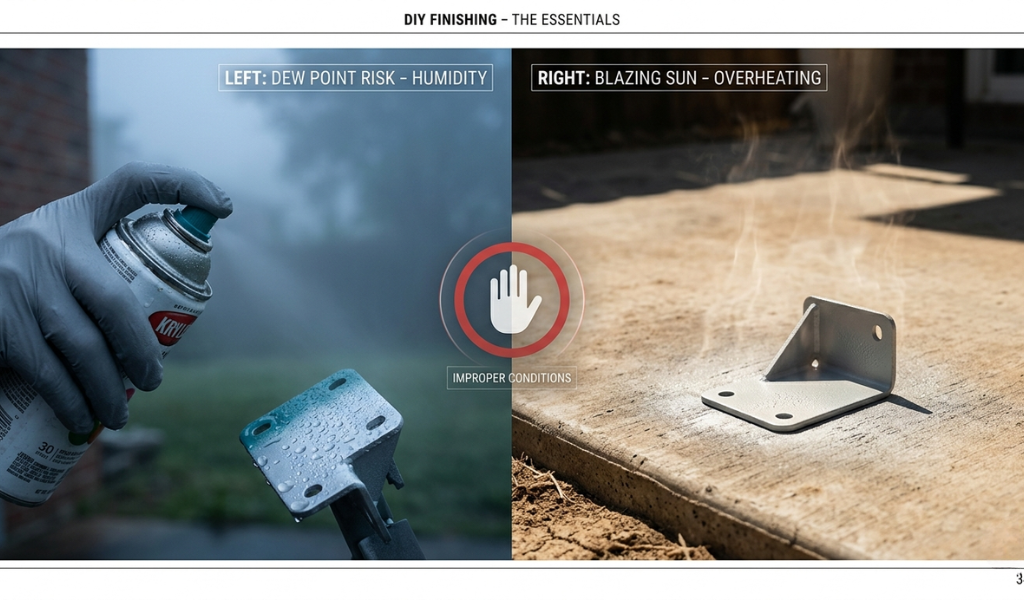
Proper ventilation is crucial during the spray painting process to ensure adequate airflow and facilitate the drying of the paint. Inadequate ventilation can trap moisture and other contaminants in the air, prolonging drying times and increasing the likelihood of wrinkling. Therefore, it’s essential to work in well-ventilated areas or use fans and exhaust systems to promote airflow and facilitate the drying process.
When spray painting outdoors, factors such as wind and sunlight can also impact the drying process and contribute to wrinkling. Strong winds can cause the paint to dry unevenly or blow debris onto the wet surface, resulting in imperfections and wrinkles. Similarly, exposure to direct sunlight can accelerate the drying process, leading to premature drying and potential wrinkling.
To mitigate the impact of environmental factors on spray paint wrinkling, it’s essential to create optimal painting conditions. Work in a controlled environment with moderate humidity levels and temperatures to promote proper drying and adhesion of the paint. Ensure adequate ventilation by using fans or opening windows and doors to facilitate airflow.
Additionally, consider timing your painting projects to avoid extreme weather conditions or adverse environmental factors. If painting outdoors, choose a calm, overcast day to minimize the risk of wind and direct sunlight affecting the paint application.
Environmental factors play a significant role in spray paint wrinkling and must be carefully considered during the painting process. By understanding the impact of humidity, temperature, ventilation, and outdoor conditions, you can take proactive steps to create optimal painting conditions and minimize the risk of wrinkling, ultimately achieving smooth and professional finishes in your projects.
Spray painting is a popular technique for achieving smooth and even coatings on various surfaces. However, one of the most frustrating issues that can arise during the process is spray paint wrinkling. This phenomenon occurs when the paint dries unevenly, resulting in unsightly wrinkles and imperfections on the surface. To address this challenge effectively, it’s essential to understand the underlying causes of spray paint wrinkling.
One of the primary contributors to spray paint wrinkling is inadequate surface preparation. Surfaces that are not properly cleaned, sanded, or primed may fail to provide the necessary adhesion for the paint, leading to poor bonding and wrinkling as the paint dries. Therefore, it’s crucial to start any painting project by thoroughly cleaning the surface to remove dirt, grease, and other contaminants. Additionally, sanding the surface lightly can create a rough texture that allows the paint to adhere more effectively.
Environmental conditions play a significant role in spray paint wrinkling. High humidity levels, extreme temperatures, and poor ventilation can all impact the drying process of the paint, leading to uneven drying and wrinkling. To mitigate the effects of environmental factors, it’s essential to work in a controlled environment with moderate humidity levels and temperatures. Adequate ventilation is also crucial to facilitate airflow and promote proper drying of the paint.
The type and quality of spray paint used can also influence its tendency to wrinkle. Lower-quality paints may contain ingredients or additives that are more prone to wrinkling, while high-quality formulations designed for specific surfaces and conditions can offer better adhesion and smoother finishes. Therefore, it’s essential to choose a high-quality spray paint that is compatible with the surface and conditions of your project to minimize the risk of wrinkling.
Improper application techniques can exacerbate the risk of spray paint wrinkling. Applying too much paint at once or spraying too closely to the surface can result in excessive buildup and uneven drying, leading to wrinkling. To achieve smooth and even coatings, it’s important to apply the paint in thin, overlapping coats, maintaining the recommended distance between the surface and the spray nozzle. This allows the paint to dry evenly and minimizes the risk of wrinkling.
The drying time and conditions can also impact the risk of spray paint wrinkling. Rushing the drying process by applying heat or using fans can cause the paint to dry too quickly, leading to uneven drying and potential wrinkling. Similarly, painting in excessively hot or cold conditions can affect the drying process and increase the risk of wrinkling. Therefore, it’s essential to allow the paint to dry naturally in optimal conditions to minimize the risk of wrinkling.
Spray paint wrinkling can be a frustrating challenge to overcome, but understanding its underlying causes is the first step toward prevention. By addressing issues such as inadequate surface preparation, environmental factors, paint quality, application techniques, and drying conditions, you can minimize the risk of wrinkling and achieve smooth, professional finishes in your spray painting projects. With the right knowledge and techniques, you can transform your surfaces from smooth to wrinkled.
When embarking on a spray painting project, achieving a flawless, wrinkle-free finish is undoubtedly the goal. However, despite meticulous preparation and application, spray paint wrinkling can sometimes occur, leaving surfaces looking less than perfect. One crucial factor that significantly influences the likelihood of wrinkling is the type and quality of spray paint used. In this guide, we’ll explore why quality matters when choosing spray paint and how selecting the right product can help prevent wrinkling and ensure professional-looking results.
The composition of spray paint can vary widely depending on the brand, type, and intended use. Lower-quality paints often contain inferior ingredients or additives that may be more prone to wrinkling as they dry. Conversely, higher-quality paints are formulated with premium ingredients and designed to provide better adhesion, coverage, and durability.
One of the primary functions of spray paint is to adhere securely to the surface and provide even coverage. Inferior-quality paints may struggle to adhere properly, leading to poor bonding and increased susceptibility to wrinkling. By choosing a high-quality spray paint specifically formulated for the surface and conditions of your project, you can ensure better adhesion and coverage, minimizing the risk of wrinkling and achieving a smooth, uniform finish.
Spray painting often takes place in a variety of environmental conditions, from indoor workshops to outdoor spaces. Environmental factors such as humidity, temperature, and ventilation can significantly impact the drying process of spray paint and contribute to wrinkling. High-quality spray paints are often formulated to be more resistant to these environmental factors, providing better drying performance and reducing the risk of wrinkling, even in challenging conditions.
Not all surfaces are created equal, and different materials may require specialized spray paint formulations for optimal results. Whether you’re painting wood, metal, plastic, or fabric, choosing a spray paint specifically designed for the surface can make a significant difference in preventing wrinkling and achieving professional-looking finishes. High-quality spray paints often come in a range of specialized formulations tailored to different surfaces and applications, ensuring compatibility and optimal performance.
In addition to preventing wrinkling during the application process, the quality of spray paint can also impact the long-term durability and finish of the painted surface. Inferior-quality paints may be more prone to chipping, fading, or peeling over time, compromising the overall appearance and longevity of your project. By investing in high-quality spray paint, you can enjoy a durable, long-lasting finish that maintains its integrity and appearance over time.
When it comes to achieving a flawless, wrinkle-free finish in your spray painting projects, quality matters. By choosing a high-quality spray paint specifically formulated for the surface and conditions of your project, you can ensure better adhesion, coverage, and resistance to environmental factors. With the right product, you can minimize the risk of wrinkling and achieve professional-looking results that stand the test of time. So, next time you reach for the spray paint aisle, remember that quality matters more than you may think.
Spray painting is a versatile and efficient method for applying paint to various surfaces, offering a smooth and professional finish when executed correctly. However, achieving flawless results requires careful attention to detail and proper technique to avoid common pitfalls such as wrinkling. In this step-by-step guide, we’ll walk you through the process of achieving flawless spray paint without wrinkling, ensuring professional-quality results in your projects.
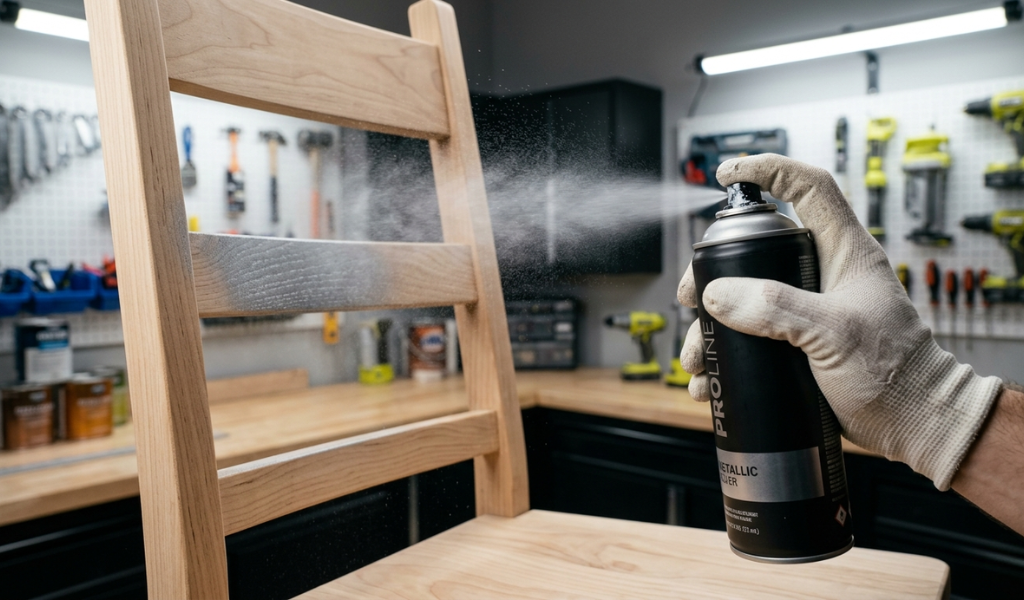
By following this step-by-step guide, you can achieve flawless spray paint results without wrinkling, ensuring professional-quality finishes in your projects. Thorough surface preparation, proper primer application, careful paint application, and patience during the drying process are key to achieving flawless results. With practice and attention to detail, you can master the art of spray painting and enjoy flawless finishes every time.
Spray paint wrinkling can be disheartening, but with the right troubleshooting steps, you can salvage your project and achieve a smooth, professional finish.
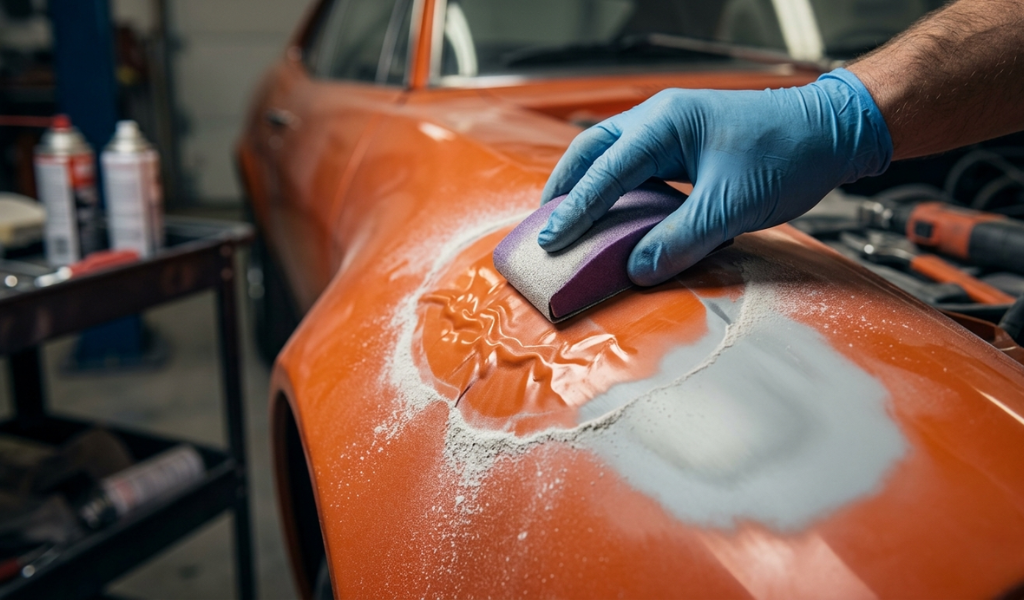
By addressing the root causes and employing these solutions, you can overcome spray paint wrinkling and achieve a professional-looking finish for your project.
Spray paint wrinkles primarily due to incompatible products, improper application conditions, surface contamination, and aging paint. Mixing incompatible paints or spraying in extreme temperatures and humidity can cause the paint to dry unevenly, resulting in wrinkles. Contaminants on the surface hinder proper adhesion, leading to wrinkling as the paint dries. Additionally, using old or improperly stored spray paint increases the risk of inconsistencies in application and drying, further contributing to wrinkling issues.
To fix spray paint wrinkles, lightly sand the affected area once the paint is dry, then apply a new coat of paint. Ensure optimal application conditions and compatibility between products to prevent future wrinkling.
Prevent spray paint wrinkles by using compatible products, applying paint in optimal conditions (moderate temperature and humidity), and ensuring the surface is clean and free of contaminants before painting.
Spray paint wrinkles can occur due to incompatible products, improper application conditions, surface contamination, or aging paint. To fix it, sand the affected area, ensure optimal conditions, and use compatible products.
Spray paint may wrinkle on metal due to surface contamination, incompatible products, or improper application conditions. Metal surfaces often require thorough cleaning and priming before painting to prevent wrinkling.
Wrinkling when using spray paint can be caused by incompatible products, extreme temperatures or humidity during application, surface contamination, or using old or improperly stored paint. Ensuring proper surface preparation and application techniques can help prevent wrinkling.