Physical Address
304 North Cardinal St.
Dorchester Center, MA 02124
Physical Address
304 North Cardinal St.
Dorchester Center, MA 02124

 You’re about to unlock the ultimate woodworking hack: learning how to sharpen a table saw blade like a pro. Picture this: smoother cuts, cleaner edges, and less hassle. Intrigued? Well, you should be! In just a few minutes, you’ll be armed with the know-how to transform dull blades into cutting champions.
No more frustration over jagged edges or splintered wood – we’ve got your back. So, grab your tools and let’s dive into this quick and easy guide. Trust us, your future woodworking projects will thank you for it. Ready to level up your woodworking game? Let’s sharpen those blades and get cutting!
Key Summary: How to Sharpen a Table Saw Blade?
To sharpen a table saw blade, gather a blade sharpener, wrench, cleaning brush, and safety gear. Allocate 30 minutes. Remove and clean the blade, then secure it for sharpening. Use the sharpener to hone each tooth, maintaining a consistent angle. Reassemble the blade, ensuring proper tension, before use.
Sharp table saw blades are the backbone of efficient and precise woodworking operations. Understanding their importance is paramount for both safety and quality in woodworking projects.
Sharp table saw blades are indispensable assets in woodworking, offering benefits ranging from safety and precision to efficiency and cost savings. By understanding and prioritizing the importance of sharp blades, woodworkers can create safer work environments, produce higher-quality projects, and optimize their overall woodworking experience.
Sharpening a table saw blade is a fundamental skill for any woodworker looking to maintain the quality and efficiency of their equipment. With the right tools and techniques, you can breathe new life into dull blades, ensuring clean cuts and smooth finishes for your woodworking projects. Follow these step-by-step instructions to sharpen your table saw blade effectively.
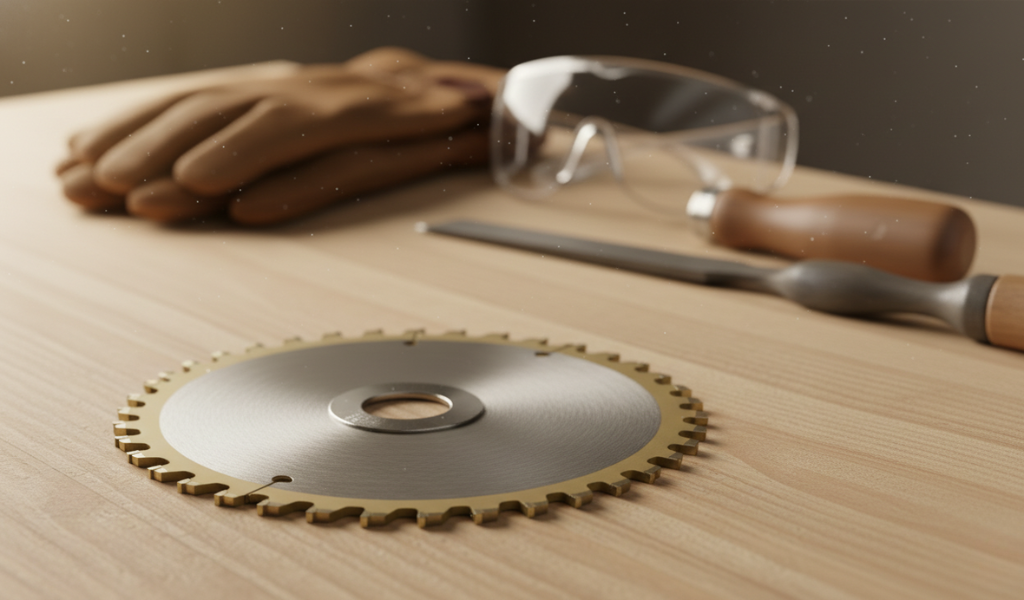
Before you begin, ensure you have the necessary safety gear, including protective eyewear and gloves. Additionally, disconnect the table saw from power to prevent accidental starts. Remember, safety should always be the top priority when working with power tools.
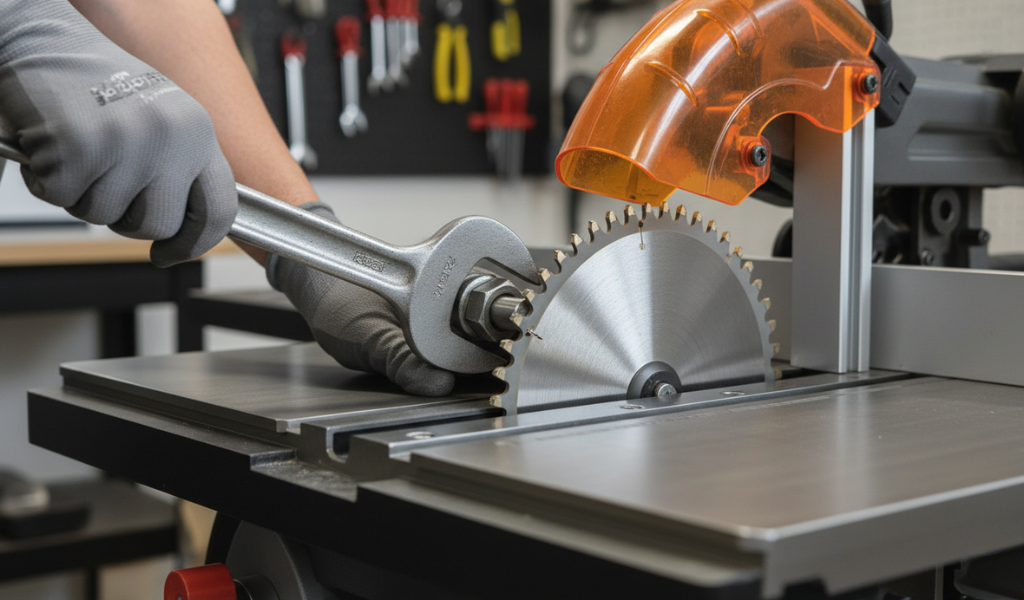
Most table saws have a blade locking mechanism that allows you to safely remove the blade. Consult your table saw’s manual for specific instructions on how to do this. Once the blade is removed, place it on a clean and stable work surface.
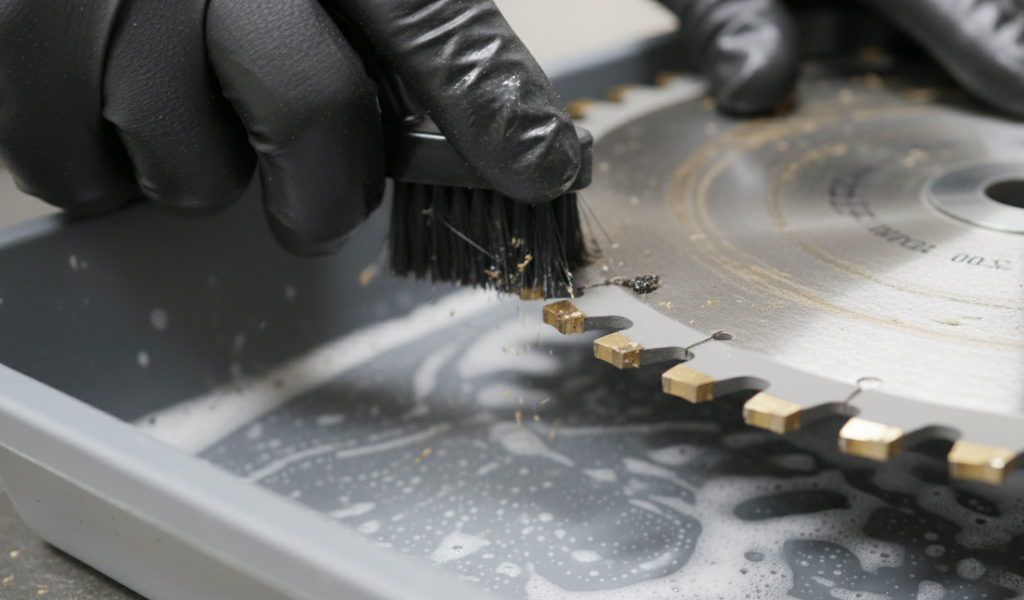
Use a blade cleaning solution or a mixture of water and mild detergent to remove any built-up residue, pitch, or rust from the blade. A stiff-bristled brush or nylon scrub pad can help loosen stubborn debris. Rinse the blade thoroughly with water and allow it to dry completely before proceeding.
Carefully examine the teeth of the blade for any signs of damage, such as chipping or dullness. If any teeth are severely damaged or missing, it may be time to replace the blade altogether. Otherwise, proceed to the next step.
There are several methods for sharpening table saw blades, including using a hand file, a sharpening stone, or a dedicated blade sharpener. Choose the method that best suits your skill level and available tools. Secure the blade in place using a vise or blade holder to prevent movement during sharpening.
Using your chosen sharpening tool, carefully sharpen each tooth of the blade following the manufacturer’s recommendations. Maintain a consistent angle and pressure to ensure uniform sharpening. Take your time with this step, as proper sharpening is essential for optimal cutting performance.
Once you’ve sharpened all the teeth, visually inspect the blade for any remaining dull spots or imperfections. You can also run a fingernail along the edge of each tooth to feel for sharpness. If necessary, touch up any areas that require further sharpening until the entire blade is uniformly sharp.
Once you’re satisfied with the sharpness of the blade, carefully reattach it to the table saw following the manufacturer’s instructions. Double-check that the blade is securely fastened before reconnecting the power and testing the saw on a scrap piece of wood. Ensure the blade cuts smoothly and cleanly before resuming regular use.
Congratulations! You’ve successfully sharpened your table saw blade and restored its cutting performance. By following these step-by-step instructions and taking the time to properly maintain your equipment, you can enjoy cleaner cuts, smoother finishes, and improved woodworking results. Keep practicing your sharpening skills, and soon you’ll become a master of the art of blade sharpening.
Selecting the appropriate sharpening method for your table saw blade is crucial for achieving optimal cutting performance and prolonging the life of your equipment. With various sharpening techniques available, each offering unique advantages and considerations, it’s essential to understand the differences and choose the method that best suits your needs. Let’s explore the most common sharpening methods and how to determine which one is right for you.
Hand filing is one of the most traditional and straightforward methods for sharpening table saw blades. It involves using a flat file to manually sharpen each tooth of the blade. 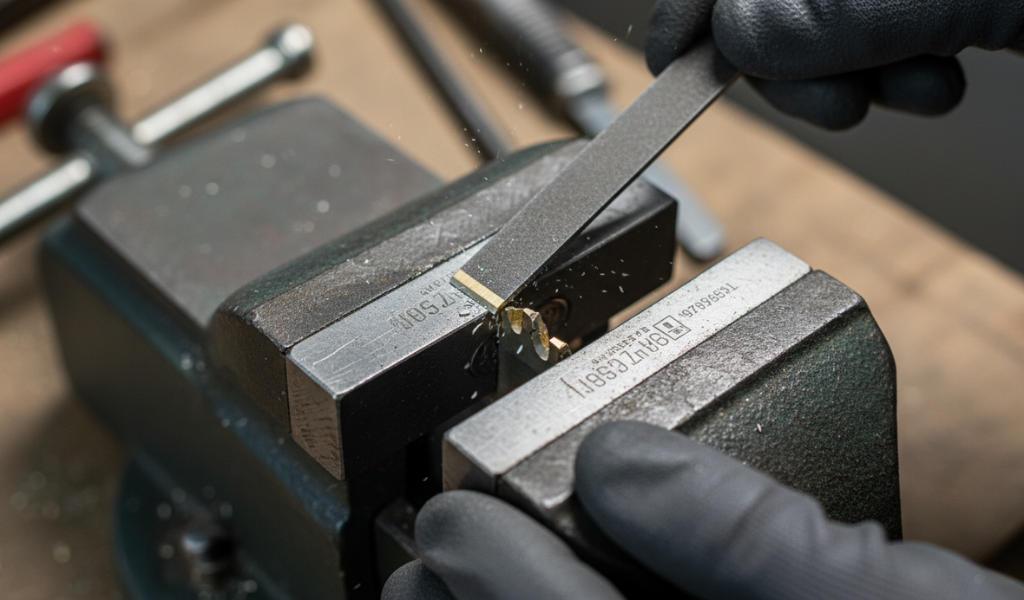 Hand filing offers precision and control, allowing you to tailor the sharpening process to the specific needs of your blade. However, it can be time-consuming and requires a steady hand to maintain consistent angles and pressure.
Sharpening stones, also known as whetstones, are another popular choice for sharpening table saw blades. These abrasive stones come in various grits, allowing you to adjust the level of abrasiveness to suit the condition of your blade. Sharpening stones are versatile and effective at removing material quickly, making them ideal for restoring heavily damaged or dull blades. However, they require some skill and practice to use effectively, as improper technique can result in uneven sharpening.
Dedicated blade sharpeners are electric or manual machines specifically designed for sharpening table saw blades. These sharpeners offer convenience and efficiency, allowing you to sharpen multiple teeth simultaneously with minimal effort. Some models even feature built-in guides and angle adjustments to ensure consistent results. While dedicated blade sharpeners can be more expensive than other methods, they offer speed and precision, making them a popular choice for professional woodworkers and hobbyists alike.
For woodworkers who prefer to leave blade sharpening to the experts, professional sharpening services offer a convenient solution. These services typically use specialized equipment and techniques to sharpen blades quickly and effectively. While outsourcing sharpening may incur additional costs, it can save time and ensure consistent, high-quality results. Additionally, professional sharpening services may offer other benefits such as blade balancing and inspection, further extending the life of your blades.
When selecting a sharpening method for your table saw blade, consider factors such as your skill level, the condition of the blade, and your budget. If you’re comfortable with manual techniques and have the time to dedicate to sharpening, hand filing or using a sharpening stone may be suitable options. On the other hand, if you value efficiency and convenience, investing in a dedicated blade sharpener or professional sharpening service may be worth considering.
By understanding the differences between sharpening methods and assessing your specific needs, you can choose the method that best aligns with your preferences and woodworking goals. Whether you opt for traditional hand filing, modern sharpening tools, or professional services, prioritizing regular blade maintenance will ensure optimal cutting performance and longevity for your table saw blades.
Once you’ve sharpened your table saw blade to perfection, the final steps of testing and reinstalling are crucial to ensure optimal cutting performance and safety in your woodworking projects. In this guide, we’ll walk you through the process of testing your newly sharpened blade and safely reinstalling it onto your table saw.
Before reinstalling the blade onto your table saw, it’s essential to test its sharpness and performance to ensure it meets your expectations. Here’s how to conduct a thorough blade test:
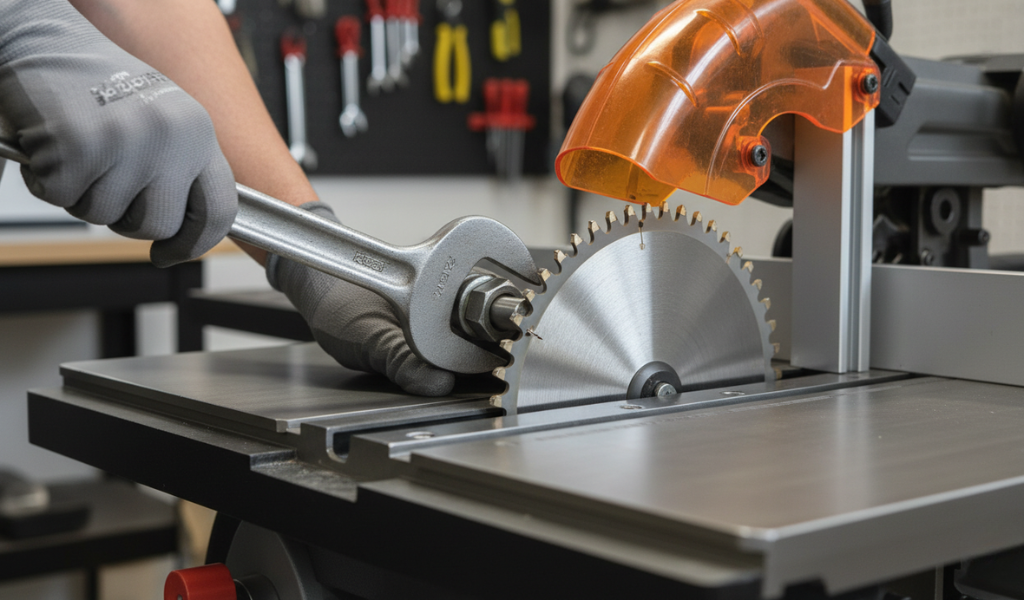
Once you’ve confirmed that your blade is sharp and performing well, it’s time to reinstall it onto your table saw. Follow these steps for safe and accurate blade installation:
Testing and reinstalling your table saw blade are critical steps in the sharpening process, ensuring optimal cutting performance and safety in your woodworking projects. By carefully inspecting the blade, conducting thorough tests, and following proper installation procedures, you can maintain precision and efficiency in your table saw operations. Remember to prioritize safety at all times and regularly maintain your blades to prolong their lifespan and ensure consistent results.
When operating a table saw, safety should always be the top priority. Understanding and implementing proper safety precautions and best practices can help prevent accidents and ensure a safe working environment for woodworkers. Let’s explore some essential safety measures and best practices to follow when using a table saw.
By implementing proper safety precautions and best practices, woodworkers can reduce the risk of accidents and injuries when using a table saw. Prioritize safety by wearing appropriate PPE, familiarizing yourself with the user manual, maintaining a clean workspace, using push sticks and featherboards, and ensuring proper alignment of blade guards and riving knives. Remember, safety is key to enjoying a safe and productive woodworking experience.
Keeping your table saw blade sharp is essential for achieving clean cuts and optimal performance in your woodworking projects. Regular maintenance helps extend the life of the blade and ensures consistent cutting quality over time. Let’s explore some key maintenance tips to help you keep your table saw blade sharp and in top condition.
By following these maintenance tips, you can ensure that your table saw blade remains sharp and performs at its best for years to come. Regular cleaning, inspection, and sharpening, along with proper cutting techniques and storage practices, are key to extending the life of your blade and achieving optimal cutting quality in your woodworking projects. Prioritize blade maintenance as part of your overall woodworking routine to enjoy cleaner cuts, smoother finishes, and improved overall performance from your table saw.
Mastering the art of sharpening a table saw blade is a fundamental skill for any woodworker. By following proper techniques and maintenance routines, you can ensure that your blade remains sharp and efficient, producing clean cuts and smooth finishes in your woodworking projects.
Prioritize safety, regular inspection, and sharpening as part of your woodworking routine to optimize the performance and longevity of your table saw blade. With sharp blades, you’ll unlock the full potential of your table saw and elevate your woodworking craftsmanship to new heights.
Yes, you can sharpen table saw blades. Regular sharpening helps maintain their cutting performance and prolongs their lifespan. However, it’s essential to use proper techniques and tools for effective sharpening.
To sharpen a saw blade by hand, you’ll need a sharpening file or stone. Hold the blade securely and maintain a consistent angle as you sharpen each tooth individually. Take your time and ensure even sharpening for best results.
Whether to sharpen or replace a table saw blade depends on its condition. If the blade is severely damaged or worn, replacement may be necessary. However, if it’s still in good condition with minor dullness, sharpening can restore its cutting performance effectively.
Sharpening a table saw blade or any blade tool involves removing material from the cutting edge to restore its sharpness. This can be done using various methods such as hand filing, using sharpening stones, or using dedicated blade sharpeners, depending on preference and skill level.
To sharpen a table saw blade with a file, securely clamp the blade and use a sharpening file to file each tooth individually. Maintain a consistent angle and pressure for even sharpening. Take your time and ensure each tooth is sharpened uniformly for optimal cutting performance.