Physical Address
304 North Cardinal St.
Dorchester Center, MA 02124
Physical Address
304 North Cardinal St.
Dorchester Center, MA 02124

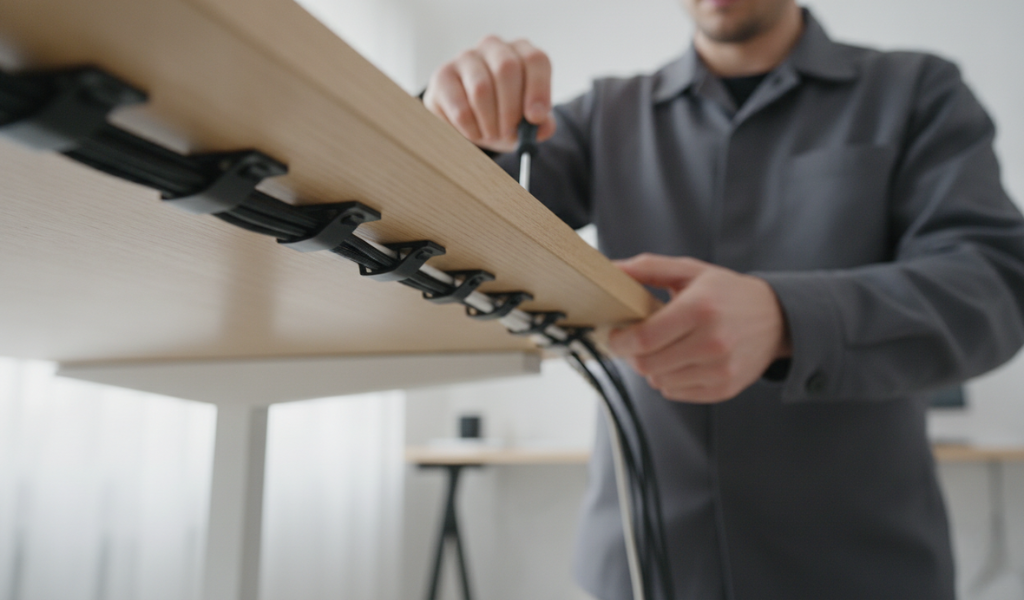
Cable management rarely gets the credit it deserves. Done well, it’s invisible. Done poorly, it becomes a tangled, hazardous mess that can cost you time, money, and in serious cases, safety. Cable clamps are the small but mighty solution that keeps wires secure, organized, and protected—whether you’re setting up a home office or wiring an industrial machine.
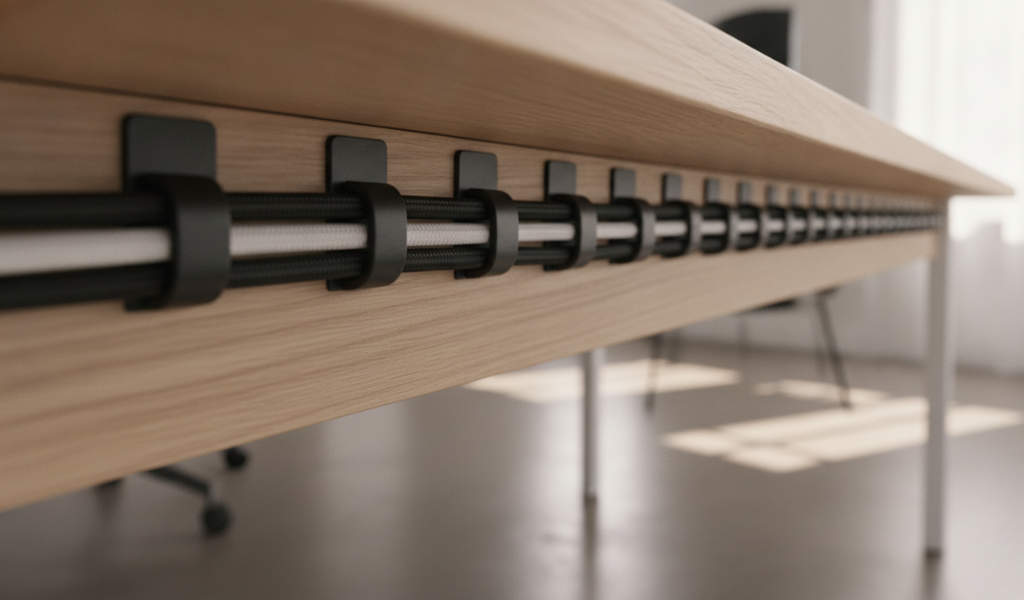
This guide covers everything you need to know about cable clamps: what they are, the different types available, how to choose the right one for your project, and how to install them correctly. By the end, you’ll have a solid foundation for making smarter cable management decisions—no guesswork required.
Cable clamps are fastening devices designed to hold electrical cables, wires, or wire bundles securely in place. They prevent cables from moving, tangling, chafing against surfaces, or accidentally disconnecting from their terminals.
Despite their small size, they play a significant role in electrical safety and compliance. National Electrical Code (NEC) guidelines, for example, specify how frequently cables must be supported and what types of securing devices are acceptable. Getting this wrong doesn’t just create a messy installation, it can result in code violations or fire hazards.
Cable clamps are used across a wide range of environments:
Choosing the wrong type of clamp can lead to slipped cables, surface damage, or premature wear. Here’s a breakdown of the most common varieties and where each one excels.
Plastic clamps are lightweight, affordable, and easy to work with. They’re best suited for indoor use where conditions are stable and loads are light. Common applications include home theater setups, office desk cable routing, and general electrical boxes. Most plastic clamps last between 5 and 10 years indoors—longer if they’re kept away from UV exposure and heat.
For demanding environments, metal clamps are the go-to choice. They offer superior strength, heat resistance, and durability, making them well-suited for automotive wiring, outdoor installations, machinery, and construction sites. Stainless steel options are particularly valuable in high-temperature areas like boiler rooms and engine compartments, where plastic would degrade or melt.
These clamps attach directly to surfaces using a peel-and-stick adhesive—no drilling required. They’re ideal for routing cables behind TVs, along walls, under workbenches, or on furniture. They’re convenient, but there’s a trade-off: once removed, adhesive-backed clamps often lose their sticking power. For best results, always clean the surface thoroughly before applying.
To remove adhesive-backed clamps cleanly, use a heat gun to soften the adhesive, then peel the clamp away gently. Any residue can be wiped off with isopropyl alcohol.
When you need a permanent, ultra-secure hold, screw-in clamps are the right call. These are commonly found in electrical panels, commercial equipment rooms, and junction boxes—anywhere that cables need to stay put for the long haul. Always use UL-listed screw-in clamps when installing inside electrical junction boxes, as these prevent strain on terminals and help cables enter safely.
Snap-fit clamps click into place without any tools, making them ideal for situations where speed and flexibility matter. They’re widely used in automotive repair and electronics work, where cables may need to be repositioned frequently. They’re reusable, easy to install, and quick to remove.
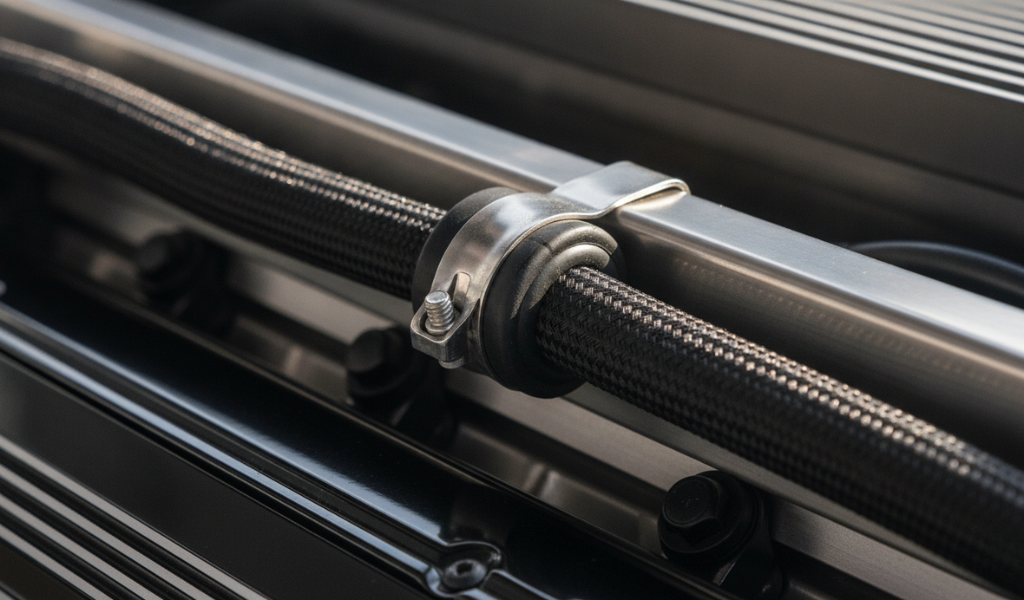
In environments subject to vibration—engines, marine applications, HVAC systems—standard clamps can work loose over time. Rubber-insulated R and P-clamps absorb vibration and cushion the cable, preventing wear from repeated motion. For vehicles specifically, rubber-insulated clamps are the standard recommendation for securing wiring harnesses.
With so many options available, selection comes down to five key factors about how to choose the right cable clamps.
| Factor | What to Consider |
| Cable diameter | Match the clamp size to the cable for a snug—but not crushing—fit |
| Weight and bundle size | Heavier or thicker bundles require stronger, reinforced clamps |
| Mounting surface | Use adhesive for smooth surfaces; screw-in for wood, drywall, or concrete |
| Environmental conditions | Outdoor or wet environments call for UV-resistant or stainless steel options |
| Vibration exposure | High-motion settings require rubber-lined or anti-vibration clamps |
A few additional considerations worth keeping in mind:
Even the best clamp will underperform if installed carelessly. Follow these steps for a professional result about how to install and use cable clamps.
Before drilling or sticking anything down, map out your cable route. Measure the distance between mounting points and plan for even spacing. For most standard cable types, clamps should be placed every 12 to 18 inches. Heavier cables may require closer intervals.
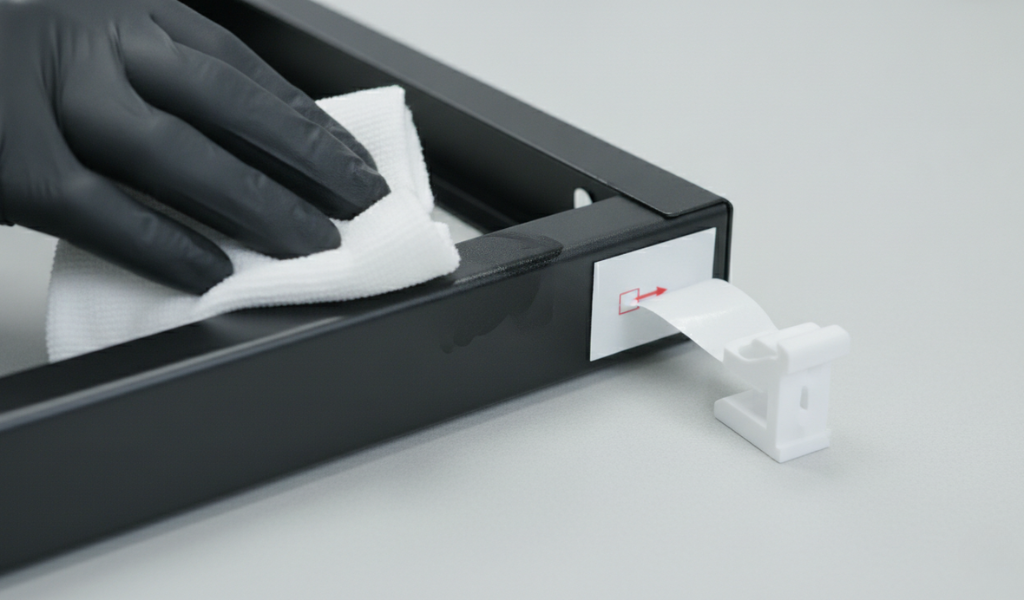
For adhesive clamps, clean the mounting surface with isopropyl alcohol and let it dry completely before applying. For screw-in clamps on drywall, use appropriate wall anchors to ensure a secure hold. On brick or concrete, use masonry anchors and pre-drill with a hammer drill.
For screw-in types: Drill a pilot hole, position the clamp, and fasten with the appropriate screw. Most standard clamps use size 8 or size 10 screws—check the product specs if you’re unsure.
For snap-fit types: Simply press the clamp into position until it clicks into place.
For adhesive types: Peel the backing, press firmly onto the cleaned surface, and hold for 30 seconds.
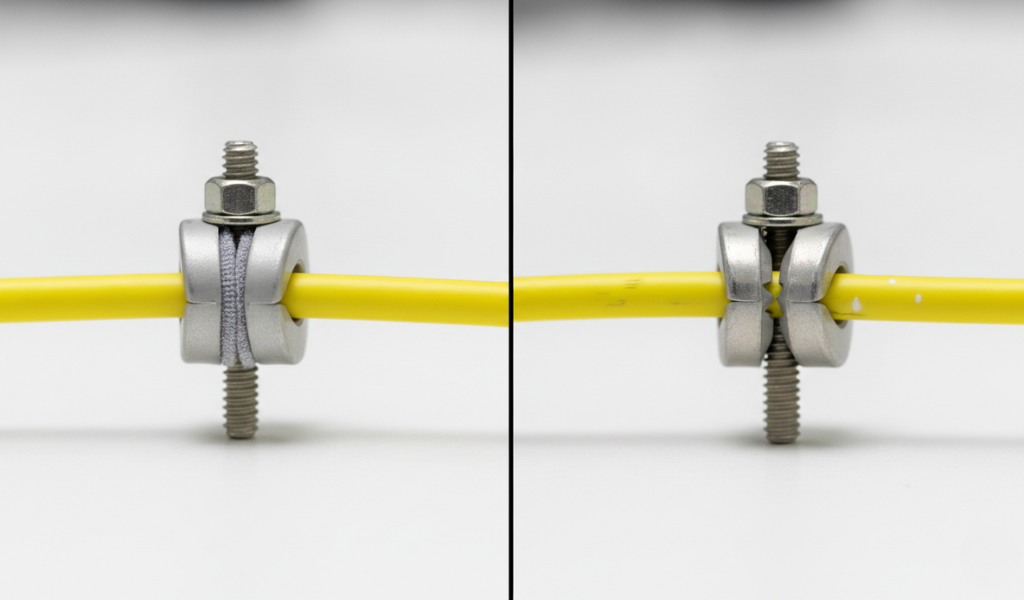
Slide the cable into the clamp and fasten it snugly. The cable should be held firmly without being compressed or distorted. Overtightening—especially with metal clamps on sensitive cables—can damage insulation and, in the worst case, create a fire risk. For fiber optic cables specifically, always use clamps with non-abrasive lining. Never use zip ties on fiber optic cables; they can crush the strands.
In areas where cables need to flex—near hinges, moving panels, or vibrating surfaces—leave a small amount of slack rather than pulling the cable taut. This reduces stress on both the cable and the clamp over time.
Never route plastic clamps near exhausts, motors, or other heat sources. In high-temperature environments, always switch to metal clamps.
Cable clamps may seem like a small part of any project, but their role in maintaining order, safety, and reliability cannot be overstated. By understanding the different types of clamps and choosing the right ones for your application, you’ll save yourself from headaches down the road. Proper installation ensures cables stay secure, organized, and protected for years to come.
For a full range of cable clamps suited to residential, commercial, and industrial applications, browse catalog to find the right fit for your next project.
What is the purpose of cable clamps?
Cable clamps are used to secure, organize, and protect cables and wire bundles. They prevent tangling, chafing, and accidental disconnections, ensuring a neat and safe installation.
Can I reuse cable clamps?
Some types, like snap-fit or rubber-insulated clamps, are reusable. Adhesive-backed clamps, however, often lose their sticking power after removal.
How do I choose the right size cable clamp?
Measure the cable diameter and choose a clamp that provides a snug fit without compressing the cable. Always refer to the manufacturer’s sizing guide.
Are cable clamps suitable for outdoor use?
Yes, but make sure to select UV-resistant plastic or stainless steel clamps designed for outdoor conditions. These materials can withstand exposure to moisture and sunlight.
Why should I avoid bundling power and data cables together?
Bundling power and data cables can cause electromagnetic interference (EMI), which negatively impacts signal quality in AV or networking setups.
How often should I inspect cable clamps?
In high-vibration or challenging environments, inspect clamps during regular maintenance to ensure they remain secure and functional.
Are adhesive-backed clamps reliable?
Adhesive-backed clamps work well on clean, smooth surfaces but may lose sticking power if exposed to heat or moisture. For permanent installations, screw-in clamps are a better option.