Physical Address
304 North Cardinal St.
Dorchester Center, MA 02124
Physical Address
304 North Cardinal St.
Dorchester Center, MA 02124

Choosing the right wood for furniture is rarely as simple as picking the prettiest grain. Material properties, hardness, moisture resistance, workability, and long-term durability determine whether a piece lasts a decade or a lifetime. Two hardwoods that frequently appear in this decision are acacia wood and rubberwood (also called parawood), and while both are widely used in solid wood furniture production, they serve very different purposes.
Acacia is a dense, exotic hardwood prized for its rich grain patterns and natural resistance to wear. Rubberwood harvested from the Hevea brasiliensis rubber tree is an eco-friendly plantation timber with a smooth, uniform texture that excels in painted furniture and budget-conscious indoor applications. Understanding the mechanical and aesthetic differences between these two wood species is essential for homeowners, woodworkers, interior designers, and furniture buyers who want to make an informed purchase.
If you’ve already been comparing tropical hardwoods, you may have explored whether acacia wood or teak wood better suits your needs. This guide takes that conversation further by introducing rubberwood as a compelling alternative particularly for indoor furniture on a tighter budget.
By the end of this comparison, you’ll understand exactly when to choose acacia, when rubberwood makes more practical sense, and which material aligns with your specific use case.
Before diving into a head-to-head breakdown, it helps to understand the fundamental nature of each wood type where it comes from, how it grows, and what defines its character as a building material.
Acacia wood is a dense hardwood sourced from the acacia tree, a genus with over 1,300 species native to Australia, Southeast Asia, and Africa. The most commonly used varieties for furniture making include Australian Blackwood and Hawaiian Koa, though many commercial furniture pieces use acacia species grown on managed plantations across Asia.
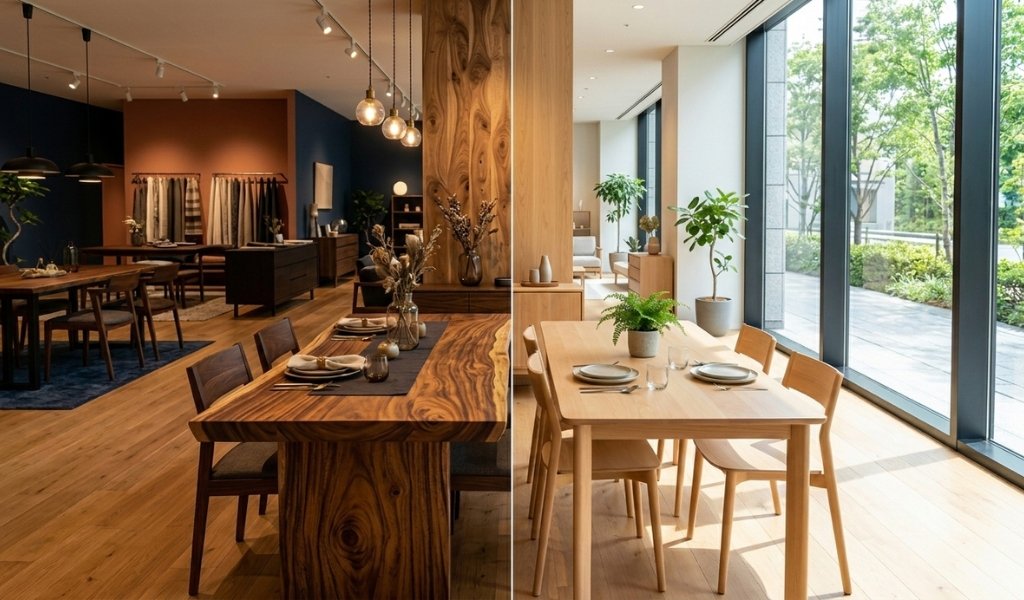
What makes acacia wood immediately recognizable is its bold, rich grain patterns. The pronounced contrast between sapwood and heartwood creates a multicolored appearance ranging from light amber to deep mahogany that gives each furniture piece a genuinely unique character. Those exotic dark tones and natural variation are a major reason acacia furniture commands a premium aesthetic.
From a structural standpoint, acacia wood is classified as a dense hardwood with impressive natural resistance to scratches, dents, and general wear and tear. Its density makes it a popular choice for high-traffic applications like dining tables, countertops, and cutting boards. It does require regular oiling to maintain its natural beauty and prevent surface cracking, but its inherent durability means properly maintained acacia wood furniture can last decades.
Rubberwood commonly known as parawood in Southeast Asia is harvested from the Hevea brasiliensis tree, the same species that produces commercial latex. When a rubber tree’s latex production declines after roughly 25 to 30 years, the tree is felled and the timber is used for furniture manufacturing rather than being burned or discarded. This process makes rubberwood one of the most environmentally friendly timber options available in global furniture production.
Unlike acacia, rubberwood has a light, uniform appearance with a smooth texture and minimal grain variation. Its pale cream-to-light-tan hue gives it a clean, neutral finish that works exceptionally well for painted furniture or pieces intended to fit seamlessly into minimalist and Scandinavian-style interiors. Furniture makers across Southeast Asia and beyond rely heavily on rubberwood for dining sets, table legs, shelving units, and indoor furniture of all types.
The wood is classified as a light-to-medium hardwood. It lacks the natural resistance of acacia or teak, but its workability, affordability, and eco-friendly credentials make it a practical choice for a wide range of indoor furniture applications.
Hardness is one of the most reliable indicators of how well a wood will perform under everyday use. The Janka hardness scale measures a wood’s resistance to denting and surface wear, providing a standardized way to compare wood species.
Acacia wood scores significantly higher on the Janka hardness scale, with ratings typically ranging from 1,100 lbf to over 2,300 lbf depending on the species. Some acacia varieties reach even higher. This makes acacia a genuinely tough hardwood resistant to scratches, dents, and the kind of daily abuse that high-traffic furniture endures. A solid acacia dining table, for example, can handle dropped cutlery, sliding objects, and years of use without showing significant wear.
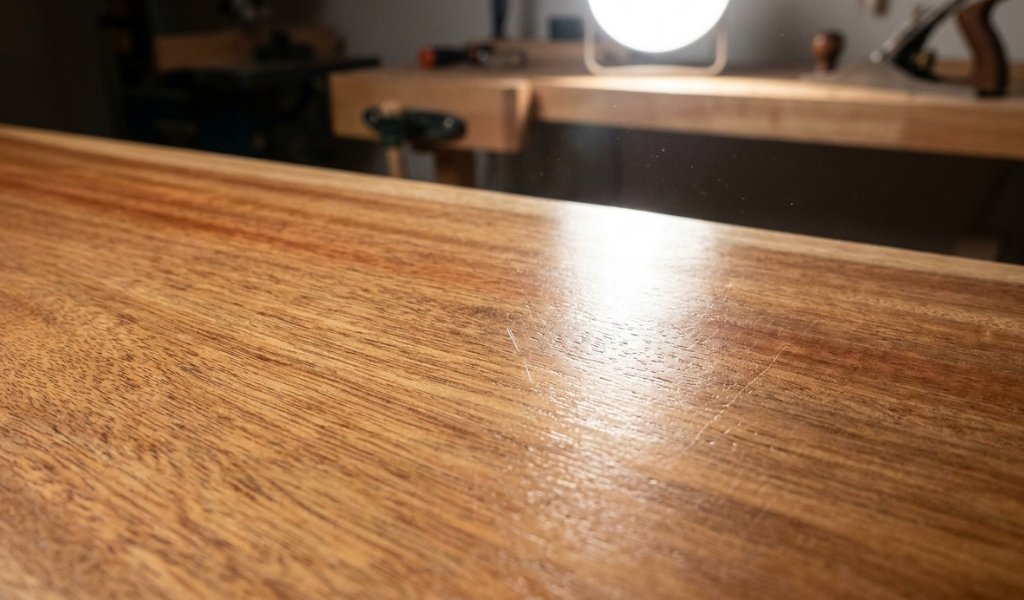
Rubberwood, by contrast, scores between 980 and 1,000 lbf on the Janka hardness scale placing it on the softer end of the hardwood spectrum. It is harder than many softwoods, including pine, but considerably softer than acacia, walnut, or teak. In practical terms, rubberwood is more susceptible to dents and surface scratches under heavy use. That said, for indoor furniture that doesn’t face constant mechanical stress, rubberwood’s durability is more than adequate.
Long-term durability also depends on resistance to environmental factors. Acacia is naturally resistant to fungal decay and moisture when properly finished. Rubberwood, without treatment, is more vulnerable to fungal attack and moisture absorption, a critical consideration for buyers in humid climates.
Acacia wood’s aesthetic appeal lies in its visual complexity. The rich grain patterns featuring swirls, interlocking figures, and high contrast between heartwood and sapwood give acacia furniture a rustic, organic character that’s difficult to replicate with other wood species. The range of hues, from golden amber to deep brown, lends acacia a naturally exotic appearance that suits farmhouse, bohemian, and contemporary rustic interiors.
Rubberwood’s aesthetic is almost the opposite. Its smooth texture and light, uniform grain make it visually understated. This is an advantage, not a drawback, for furniture intended to be painted or used in spaces where the wood is not the focal point. Rubberwood’s neutral appearance makes it highly adaptable; it can be stained to mimic darker wood species or painted in any color without the grain telegraphing through the finish.
For buyers who want the wood’s natural character to define the piece, acacia wins decisively. For those who prioritize painted or custom-finished furniture, rubberwood’s smooth, consistent surface is a genuine asset.
Rubberwood’s most significant practical advantage is its workability. The wood is straight-grained, dimensionally stable when kiln-dried, and easy to cut, shape, sand, and join. It accepts screws and adhesives reliably, making it a favorite in furniture manufacturing environments where precision and consistency matter. Its smooth texture means it takes paint and stain exceptionally well, with minimal preparation required to achieve a clean, even finish.
Acacia wood is harder to work with. Its dense structure and irregular grain patterns mean that improper cutting techniques can cause tear-out or splintering. Sharp, high-quality tools are essential. Acacia does take stains and oils beautifully once properly sanded, and its natural beauty generally means it needs less finishing work but the milling process itself is more demanding.
From a furniture manufacturing standpoint, rubberwood is the more cost-efficient choice. Its workability reduces production time and waste, which is a major reason it’s so widely used in flat-pack and mid-range furniture production.
Moisture resistance is where these two wood types diverge most dramatically in terms of practical application.
Acacia wood has reasonable natural resistance to moisture, especially when finished with oils or sealants. Well-maintained acacia furniture can handle outdoor use in covered or semi-sheltered spaces. However, prolonged exposure to standing water or direct rain will eventually cause the wood to warp and crack. For outdoor furniture in exposed conditions, regular oiling is non-negotiable.
Rubberwood has poor natural moisture resistance. Without proper sealing, it absorbs water readily, making it vulnerable to warping, swelling, and fungal growth in humid or wet environments. Rubberwood is strictly an indoor material. Using it outdoors even in a covered patio significantly shortens its lifespan and risks rapid structural degradation.
For indoor and outdoor versatility, acacia holds the advantage. Rubberwood should only be considered for indoor furniture applications where moisture exposure is minimal.
Advantages:
Disadvantages:
Advantages:
Disadvantages:
Both acacia wood and rubberwood have strong sustainability credentials compared to old-growth hardwoods like teak or walnut but for different reasons.
Acacia trees are fast-growing, reaching harvestable maturity in as few as 10 to 15 years. This rapid growth cycle makes acacia one of the most renewable hardwood timber sources available. Acacia plantations, particularly in Southeast Asia, allow for continuous harvest without depleting natural forests. The wood’s density and longevity also mean that well-made acacia furniture has a low replacement frequency, further reducing its environmental footprint.
Rubberwood’s sustainability case is arguably even more compelling. Because parawood is harvested from Hevea brasiliensis trees at the end of their latex-producing lifecycle, it repurposes material that would otherwise be incinerated or left to decompose. This makes rubberwood production genuinely zero-waste within its supply chain. It is widely certified by sustainability bodies, and furniture buyers who prioritize environmentally friendly sourcing will find rubberwood an excellent choice.
Both wood types support responsible forestry when sourced from certified plantation operations. Neither contributes to the deforestation concerns associated with over-harvested tropical species.
Cost is one of the sharpest distinctions between these two hardwoods.
Rubberwood is among the most affordable solid wood options on the market. Its low cost, combined with its excellent workability, makes it the dominant material in budget-to-mid-range furniture production. A complete rubberwood dining set typically costs a fraction of what equivalent solid acacia furniture would command.
Acacia wood sits in the mid-to-premium price range for hardwoods. It is significantly more affordable than teak or walnut but commands a higher price than rubberwood due to its density, visual appeal, and superior durability. For buyers looking for premium aesthetics and long-term performance without paying teak-level prices, acacia represents strong value.
For furniture manufacturers, rubberwood’s affordability and workability make it the practical choice for high-volume production. For individual buyers investing in statement pieces, acacia offers better long-term return on investment.
Choose acacia wood when durability, natural beauty, and long-term performance are the primary criteria. Specific applications where acacia excels include:
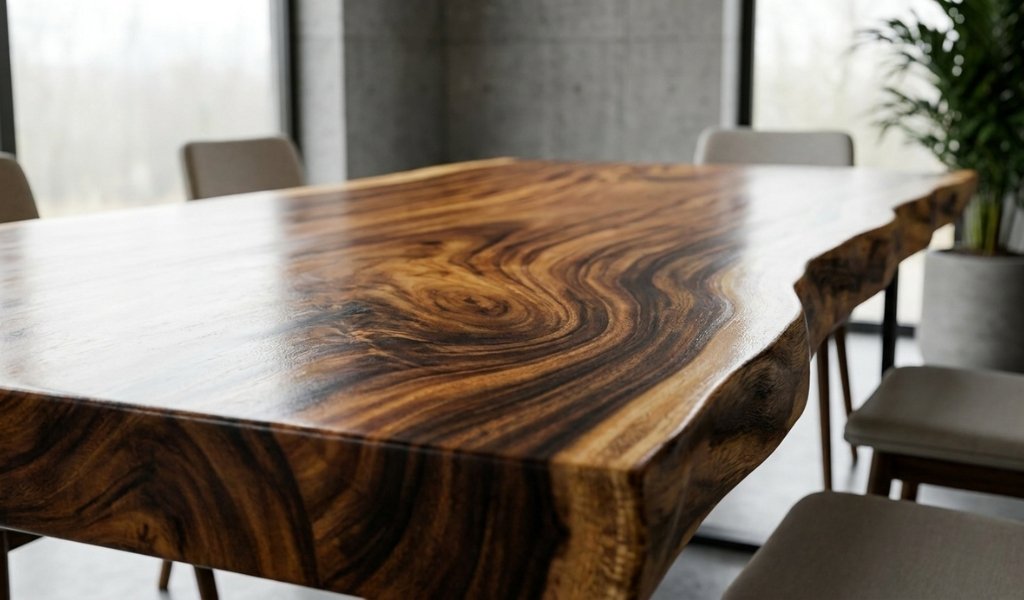
For buyers prioritizing aesthetic impact and long-lasting solid wood furniture, acacia is the superior choice.
Rubberwood is the right material when budget, workability, and painted finishes are the priority. Strong use cases include:
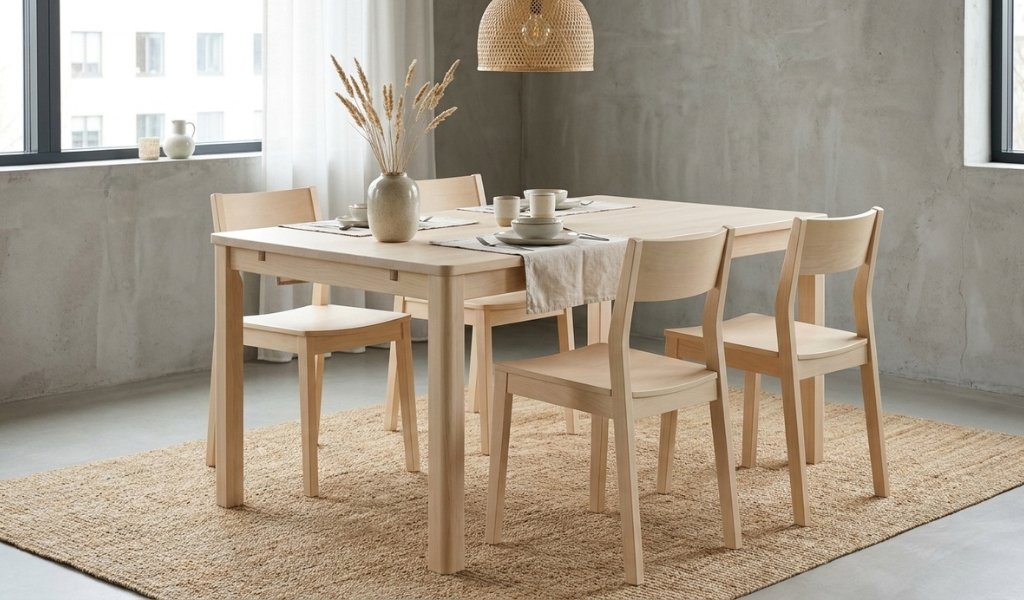
For buyers furnishing interiors on a budget or seeking eco-friendly, easy-to-paint solid wood, rubberwood is a highly practical choice.
Acacia wood and rubberwood aren’t competitors fighting for the same buyer; they serve fundamentally different needs. Acacia is the choice for buyers who want durable, visually striking solid wood furniture that can handle high-traffic use and, with proper care, last for decades. Its hardness, rich grain patterns, and natural resistance make it worth the higher investment for dining tables, countertops, and accent furniture where quality is non-negotiable.
Rubberwood earns its place in the market through affordability, excellent workability, and a genuinely eco-friendly production story. For indoor furniture that will be painted, for budget-conscious buyers who still want solid wood over MDF or plywood, and for furniture manufacturers seeking cost-effective, sustainably sourced timber, rubberwood delivers real value.
The question isn’t which wood is universally better, it’s which material fits your application, your budget, and your environment. Both acacia and rubberwood, when selected appropriately and maintained properly, are sound choices for solid wood furniture production.
Rubberwood’s primary disadvantages are its lower hardness and poor moisture resistance. With a Janka rating of around 980–1,000 lbf, it dents and scratches more easily than acacia or teak. Without proper sealing, rubberwood is highly vulnerable to fungal decay and moisture absorption, making it unsuitable for outdoor use or humid environments.
Acacia wood requires consistent maintenance particularly regular oiling to prevent surface cracking and drying in climate-controlled interiors. Its irregular, active grain makes machining more technically demanding, requiring sharp tools to avoid tear-out. Acacia is also heavier than rubberwood and more expensive, which can be a limiting factor in large-scale furniture production.
Acacia wood has moderate natural resistance to termites and pests, particularly when properly finished and sealed though it is less resistant than teak, which contains natural oils toxic to insects. Rubberwood, in its untreated state, is more susceptible to insect and fungal attack. Most commercially produced rubberwood furniture undergoes kiln-drying and chemical treatment to reduce this vulnerability before use in indoor furniture.
Yes rubberwood accepts stain and paint more easily than acacia. Its smooth, uniform texture and minimal grain variation allow paint and stain to adhere evenly with little surface preparation. Acacia can be stained beautifully, but its bold grain patterns and natural hue variations mean the wood’s character will remain visible beneath lighter stains. For fully painted furniture, rubberwood delivers a cleaner, more consistent finish.
Both wood types are suitable for indoor furniture, but the better choice depends on the application. Acacia excels in high-traffic indoor pieces dining tables, countertops, and cutting boards where hardness and durability are critical. Rubberwood is better suited for painted indoor furniture, dining sets, and budget-conscious production where workability and cost-efficiency take priority. Neither should be used in outdoor, exposed conditions without significant treatment.