Physical Address
304 North Cardinal St.
Dorchester Center, MA 02124
Physical Address
304 North Cardinal St.
Dorchester Center, MA 02124

If you have ever stood in a furniture showroom trying to decide between two beautiful wood pieces, you already know how confusing the choice can get. Acacia vs oak is one of the most common debates among homeowners, woodworkers, and anyone shopping for durable, good-looking furniture. Both woods are strong, both look stunning, and both show up everywhere from dining tables to kitchen countertops. But they are not the same, and picking the wrong one for your project can cost you time, money, and a lot of frustration.
In this guide, we will break down everything you need to know about acacia and oak, from their basic properties to how they perform in furniture, flooring, and cutting boards. By the end, you will know exactly which wood fits your needs. And if you are also curious about other wood comparisons, you might want to check out Acacia Wood or Teak Wood: Which One Should You Choose? for another angle on how acacia stacks up against a different popular hardwood.
Acacia and oak have earned their reputation for good reason. Both are hardwoods, meaning they come from slow-growing deciduous trees that produce dense, sturdy timber. This density is what gives furniture and flooring made from these woods their long-lasting strength.
Oak has been a staple in woodworking for centuries. It grows across North America and Europe, and its tight grain pattern has made it a favorite for everything from wine barrels to farmhouse tables. Acacia, on the other hand, is a newer star in the furniture world. Native to tropical regions like Australia, Southeast Asia, and parts of Africa, acacia trees grow faster than oak and produce timber with rich color variation and a distinctive wavy grain.
People love both woods for different reasons. Oak offers that classic, timeless look many buyers associate with quality craftsmanship. Acacia brings a warmer, more rustic charm with unique color tones that range from golden honey to deep chocolate brown. Neither wood is objectively better across the board. It really comes down to what you are building and what look you are going for.
When comparing acacia and oak side by side, hardness is one of the first things to look at. Oak typically scores around 1290 on the Janka hardness scale for red oak, while white oak comes in a bit higher. Acacia often ranks even higher, sometimes reaching 2200 or more depending on the species, which makes it one of the tougher hardwoods used in home furnishings.
Weight is another factor. Both woods are dense and heavy, but acacia tends to feel slightly heavier due to its tighter cell structure. This extra density is part of why acacia holds up so well against dents and scratches.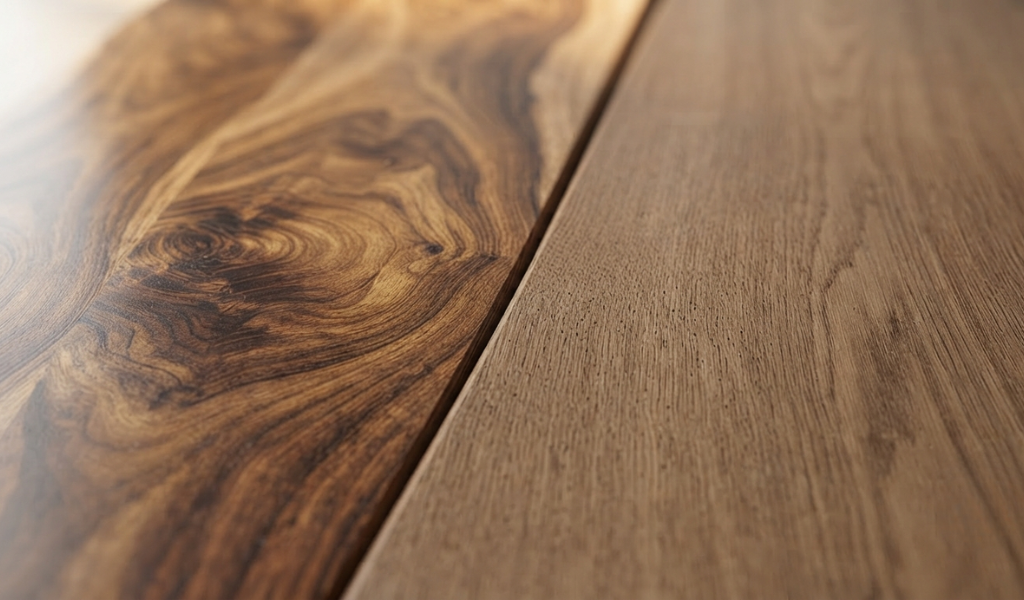
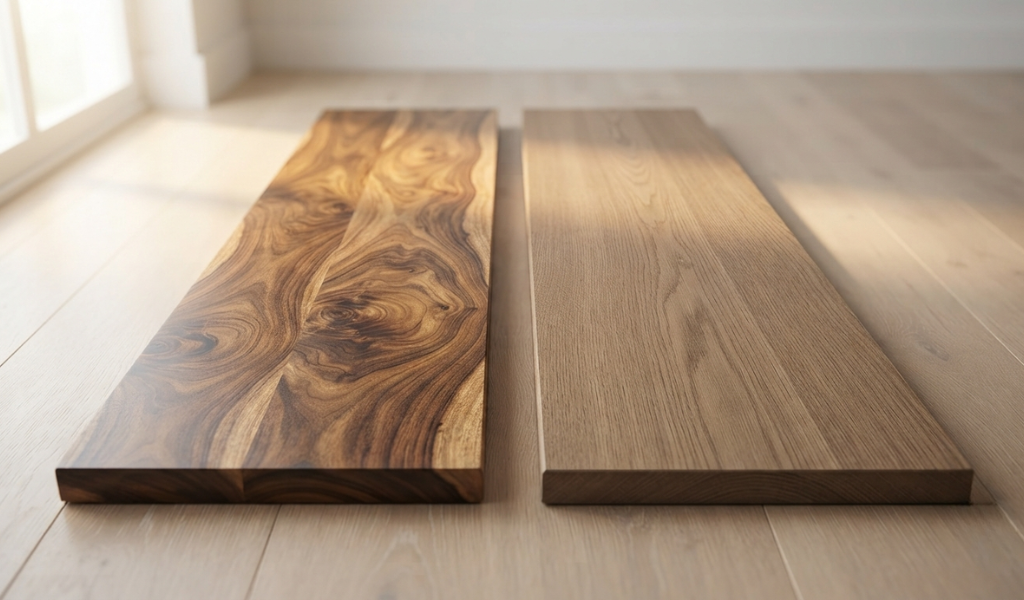
Grain structure also sets these two apart. Oak has a straight, uniform grain with visible pores that give it a slightly coarse texture. Acacia has a wilder, more irregular grain pattern with swirling lines that make each piece look one of a kind.
Appearance is where personal taste really comes into play. Oak has a light to medium brown tone with a classic, almost formal look. It takes stain well, which is why you often see it finished in darker shades for traditional furniture styles.
Acacia offers a broader color range right out of the tree. You will find pieces with streaks of amber, deep brown, and even reddish tones in a single board. This natural variation gives acacia furniture a more organic and artisanal feel, which fits well with modern farmhouse and boho interior styles. If you want furniture that feels handcrafted and unique, acacia often wins on looks alone.
Both woods are excellent choices for furniture that needs to survive years of daily use. Oak has long been trusted for chairs, tables, and cabinets because it resists warping and holds joints tightly over time. Its straight grain also makes it easier for craftsmen to cut and shape without unexpected splitting.
Acacia is no slouch either. Its hardness makes it highly resistant to dents from everyday bumps, which is why you often see it used in dining tables and coffee tables that get heavy daily use. However, because acacia can contain more natural moisture variation, it sometimes requires more careful drying and treatment during manufacturing to prevent cracking as it settles into a home environment.
This is where the two woods start to diverge. Oak is mostly used indoors because untreated oak can be vulnerable to moisture damage over time, though it can be sealed for limited outdoor use. Acacia naturally contains oils that give it better resistance to moisture, insects, and rot, which is why you will often spot acacia in outdoor patio sets, garden benches, and porch furniture.
If you are furnishing a covered patio or a backyard dining area, acacia is usually the more practical pick. For indoor pieces meant to last for generations, like a family dining table or a bedroom set, oak still holds a slight edge thanks to its long track record of durability and easy repairability.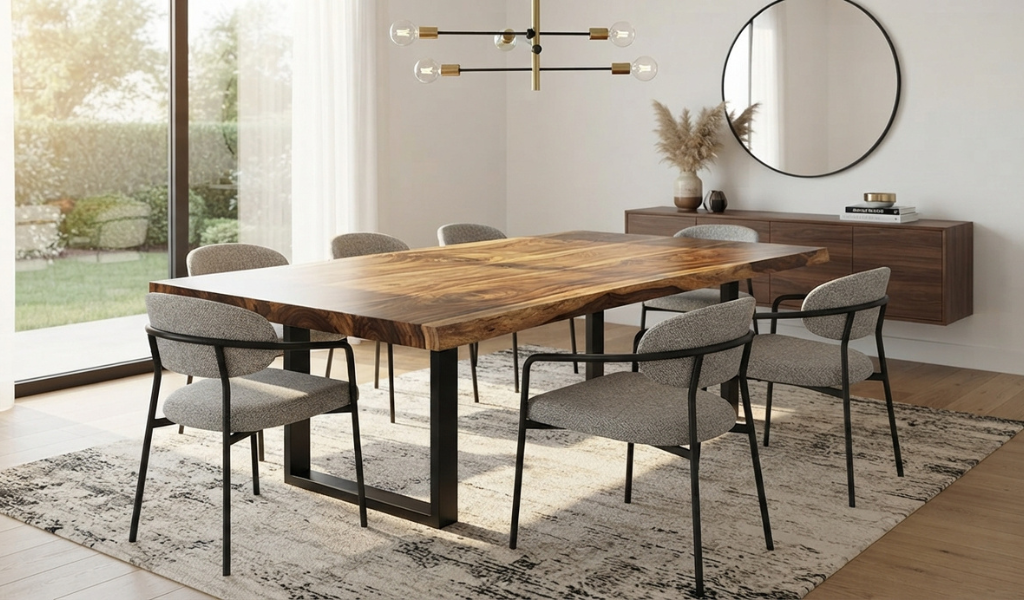
Flooring takes a beating from foot traffic, furniture legs, and the occasional dropped object, so hardness matters a lot here. Because acacia generally ranks higher on the Janka scale, acacia flooring tends to resist scratches and dents slightly better than oak, making it a strong option for busy households with kids or pets.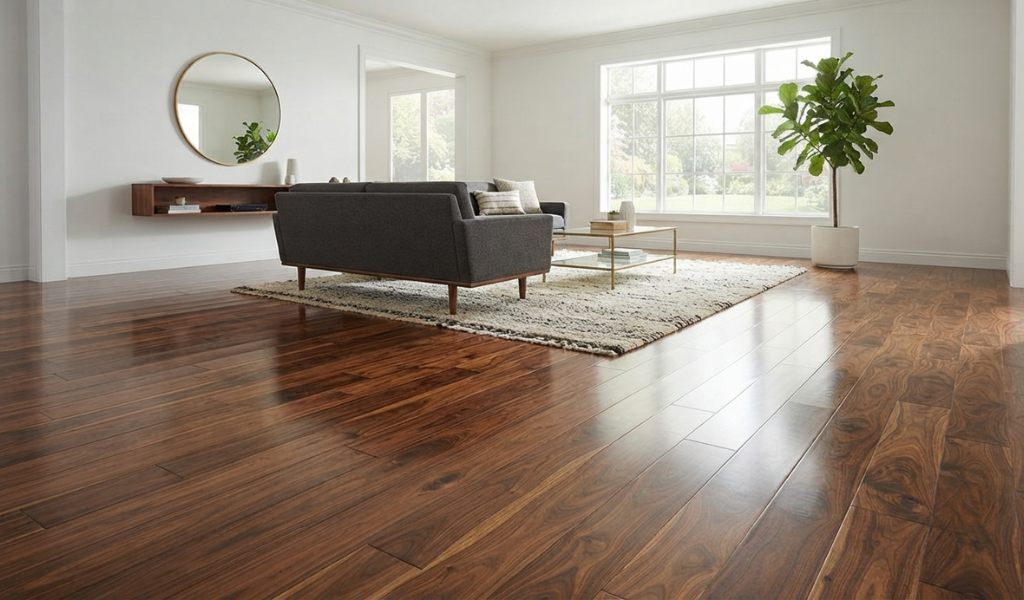
Oak flooring is still highly durable and has been the go-to choice in homes for decades. Its predictable grain pattern also makes it easier to match and refinish when small scratches or dings show up over the years.
Both woods need regular sweeping and occasional refinishing to stay in top shape, but there are small differences. Oak flooring is widely supported by flooring professionals, so finding matching stain colors or replacement boards is usually simple. Acacia flooring, with its varied grain and color, can be trickier to match perfectly if a board needs replacing, though its natural durability often means it needs less frequent touch-ups in the first place.
For homes in humid climates, acacia flooring can also handle minor humidity shifts a bit better than oak, reducing the risk of gaps or slight warping between boards.
Cutting boards go through constant contact with knives, water, and food, so wood choice matters for both performance and hygiene. Acacia is a popular pick for cutting boards because its density resists deep knife grooves, which helps prevent bacteria from settling into the wood surface. Its natural oils also give it a subtle water resistance that helps the board hold up over years of chopping and slicing.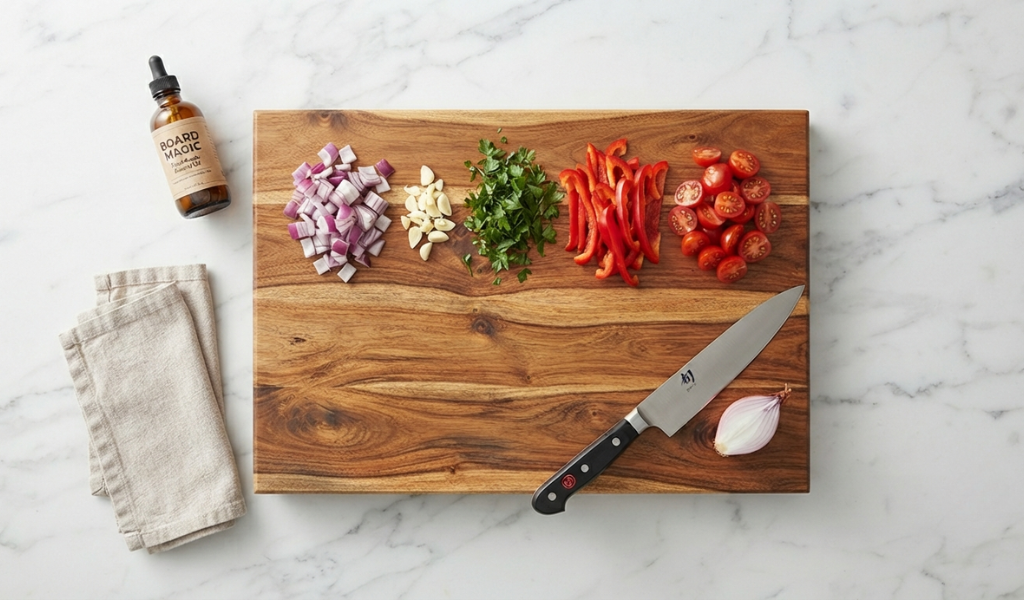
Oak can also be used for cutting boards, but its open grain structure means it can absorb more moisture and food particles if not sealed properly. This makes oak slightly less ideal for boards compared to tighter grained woods like acacia or maple, though it can still work well with the right finish and care routine.
Caring for an acacia cutting board is fairly simple. Hand washing with mild soap and warm water, followed by drying it upright, keeps it in good condition. Regular oiling with food safe mineral oil helps maintain its natural water resistance and prevents cracking.
Oak cutting boards need similar care but may require more frequent oiling since the open grain can dry out faster. Avoiding dishwashers is a must for both woods, as the heat and prolonged water exposure can cause warping or cracking regardless of the wood type.
Acacia contains natural oils that act as a built-in barrier against moisture. This is one of the biggest reasons acacia has become so popular for kitchenware, cutting boards, and outdoor furniture. While it is not completely waterproof, acacia handles occasional splashes and humidity far better than many other hardwoods without needing heavy sealing.
Oak is more porous than acacia, which means it absorbs moisture more readily if left untreated. This does not make oak a bad choice, but it does mean oak furniture, flooring, and kitchenware typically need a proper sealant or finish to prevent water damage over time. Once sealed correctly, oak can perform well even in kitchens and bathrooms, but it requires more upfront preparation compared to acacia.
Sustainability is becoming a bigger factor in wood choices, and both acacia and oak have their strengths here. Acacia trees grow much faster than oak, often reaching maturity in 10 to 15 years compared to oak’s 50 to 100 years. This faster growth cycle makes acacia a more renewable option, and many acacia plantations are specifically managed for responsible harvesting.
Oak, being a slower growing tree, takes much longer to replenish once harvested. However, oak forests in North America and Europe are often subject to strict forestry regulations, and many oak products come from certified sustainable sources. When shopping for either wood, looking for certifications like FSC (Forest Stewardship Council) can help ensure you are choosing a responsibly sourced product regardless of which wood you pick.
Price often plays a big role in the acacia versus oak decision. Acacia is generally more budget friendly because it grows faster and is more widely available in tropical regions with lower production costs. This makes acacia an attractive option for shoppers who want the look and durability of hardwood without the higher price tag often attached to oak.
Oak tends to cost more, especially white oak, due to slower growth cycles and higher demand in traditional furniture markets. That said, oak furniture often holds its resale value well, particularly antique or well-crafted pieces, since oak has a long-standing reputation for quality that many buyers trust.
In terms of long-term value, both woods can last decades with proper care. The better question to ask is not just which wood costs less upfront, but which one fits your lifestyle and how much maintenance you are willing to put in over the years.
With proper care, both acacia and oak furniture and flooring can last well over 20 years, sometimes even generations. Oak has a proven track record, with plenty of antique oak furniture still in use today after 50 years or more. Its strength and repairability make it easy to refinish and restore rather than replace.
Acacia, being a newer favorite in Western markets, has not been tested over quite as many decades, but its natural hardness and oil content suggest it can also last a very long time with basic care. Keeping acacia pieces out of direct, prolonged sun exposure and oiling them occasionally will help preserve their color and strength for years to come.
If you want furniture with a warm, rustic, one-of-a-kind look and slightly better natural water resistance, acacia is a fantastic pick, especially for outdoor or casual indoor pieces like dining tables and coffee tables. If you prefer a classic, timeless appearance with a long history of durability and easier long-term repairs, oak remains a reliable choice for formal dining rooms, bedroom sets, and heirloom quality pieces.
For cutting boards, acacia generally comes out ahead thanks to its tighter grain, natural oils, and better resistance to knife marks and moisture. While oak can be used with the right finish, acacia requires less maintenance and holds up better against daily kitchen use, making it the more practical choice for most home cooks.
Choosing between acacia and oak really comes down to your priorities. If you want a wood with rich natural color variation, strong water resistance, and a friendlier price tag, acacia checks a lot of boxes. If you value a long, proven history in furniture making, easier refinishing, and a more classic look, oak is hard to beat.
Whichever wood you choose, both acacia and oak offer excellent durability and beauty that can serve your home well for years. Take a moment to think about where the piece will live, how much upkeep you are willing to do, and which look fits your space before making your final decision.
Is acacia wood better than oak for furniture? It depends on your needs. Acacia offers better natural water resistance and a more rustic look, while oak provides a classic appearance and a longer track record of durability in traditional furniture.
Which wood is harder, acacia or oak? Acacia is generally harder than oak on the Janka hardness scale, which makes it more resistant to dents and scratches in daily use.
Can acacia wood be used outdoors? Yes, acacia’s natural oils give it good resistance to moisture and insects, making it a popular choice for outdoor furniture like patio sets and garden benches.
Is oak or acacia better for cutting boards? Acacia is usually the better choice for cutting boards because of its tighter grain and natural water resistance, which helps prevent bacteria buildup and knife damage.
Does acacia wood scratch easily? No, acacia is fairly resistant to scratches due to its density and hardness, though like all wood it can still show marks over years of heavy use.
Which wood is more affordable, acacia or oak? Acacia is typically more affordable than oak because it grows faster and is more widely available, while oak often costs more due to slower growth and higher demand.
Is oak more sustainable than acacia? Acacia is often considered more renewable due to its faster growth cycle, but both woods can be sustainable choices when sourced from certified forests with responsible harvesting practices.