Physical Address
304 North Cardinal St.
Dorchester Center, MA 02124
Physical Address
304 North Cardinal St.
Dorchester Center, MA 02124

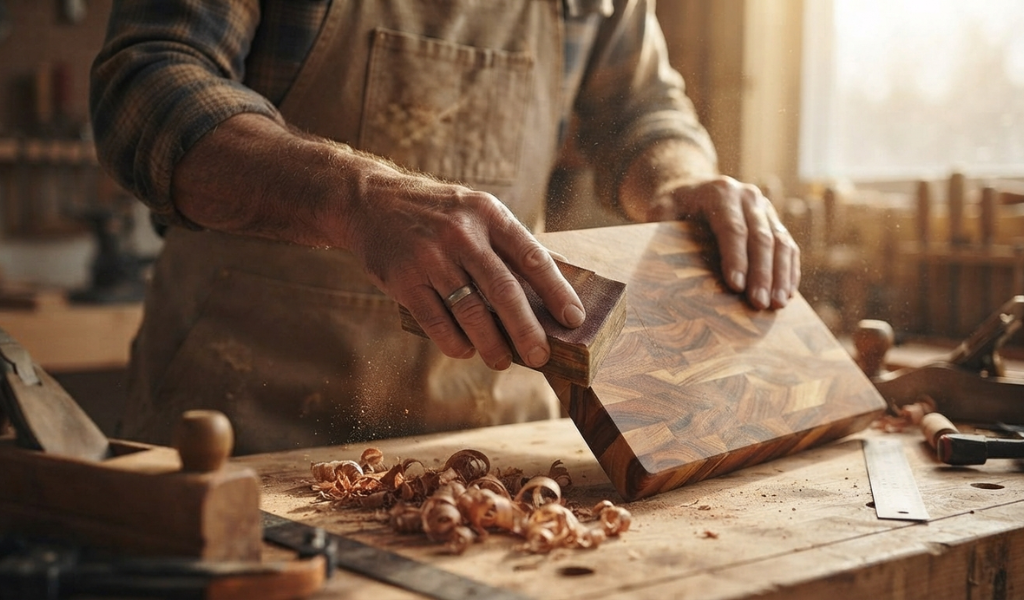
Choosing the right cutting board matters more than most people think. A good wood cutting board can protect your knives, last for years, and even make your kitchen look better. But with so many options out there, it can be hard to know which one is right for you.
Two of the most popular choices right now are teak and acacia cutting boards. Both are hardwoods, both look great, and both have a loyal following among home cooks and professional chefs. But they are not the same. They differ in hardness, grain, water resistance, price, and long-term durability.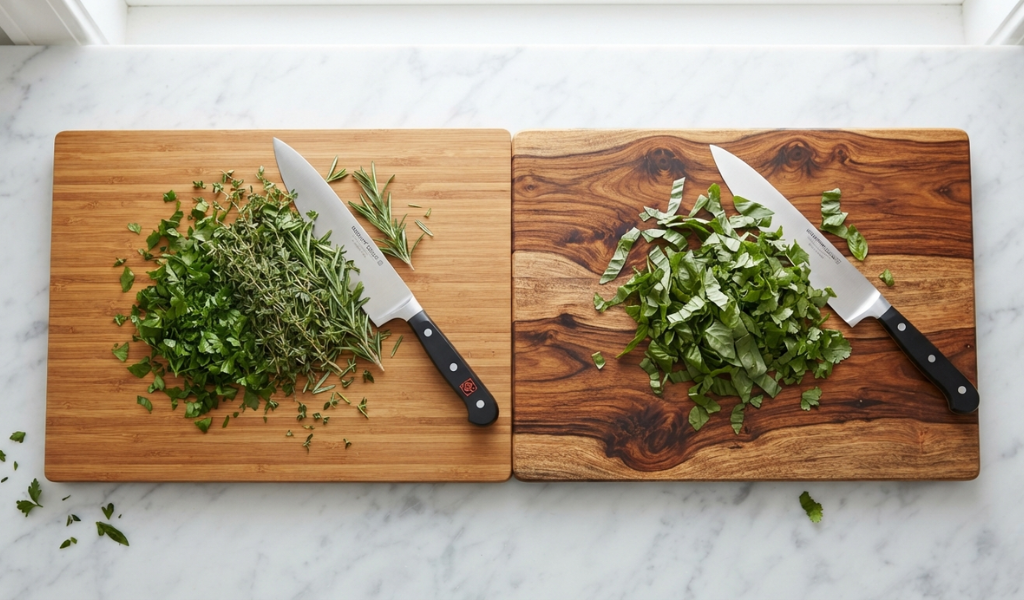
So, in the teak vs acacia cutting board debate, which one actually wins? In this guide, we break down every key difference between acacia and teak wood cutting boards, so you can make a smart choice for your kitchen.
Acacia is a fast-growing hardwood that comes from acacia trees found across Africa, Australia, and parts of Asia. Because acacia trees grow quickly, the wood is widely available and more affordable than many other hardwoods. That makes it a popular choice for kitchen items like cutting boards, bowls, and utensils.
Acacia wood has a warm, rich color that ranges from light honey tones to deep reddish-brown. The grain patterns can vary quite a bit from board to board, which gives each acacia cutting board a unique look. The wood is naturally hard and fairly dense, which means it holds up well under regular use.
One thing worth knowing is that acacia has a lower natural oil content compared to teak. This means it can dry out and crack more easily over time if it is not oiled regularly.
Teak is a tropical hardwood that originally comes from South and Southeast Asia, particularly countries like India, Myanmar, and Indonesia. It has been prized for centuries in boat building and outdoor furniture because of its exceptional resistance to water, rot, and insects.
Teak wood has a high natural oil content, which is one of its biggest advantages as a cutting board material. That oil acts as a built-in barrier against moisture, which helps the board resist warping, cracking, and swelling. Teak has a smooth, straight grain with a golden-brown color that deepens over time.
Because of its slow growth and premium quality, teak is generally more expensive than acacia and most other wood for cutting boards.
Not all acacia wood is the same. There are over 1,000 species of acacia trees worldwide, and the quality and density can vary. Some common types used for cutting boards include Hawaiian Koa and Australian Blackwood, though most commercial acacia boards come from plantation-grown acacia in Asia.
Teak also has a few varieties, but the most prized is Burmese teak (Tectona grandis). This is what most high-quality teak cutting boards are made from. You may also find plantation teak, which is more sustainable and increasingly common on the market today.
A teak cutting board is a wood cutting board made from teak wood. It is known for being naturally oily, moisture-resistant, and long-lasting. Teak cutting boards are a popular choice for home cooks who want a board that requires minimal maintenance and can stand up to heavy daily use.
An acacia cutting board is made from acacia wood and is valued for its beautiful grain patterns and affordability. It is a solid hardwood option that works well for everyday kitchen tasks. However, it does require more regular oiling than a teak board to stay in good condition.
| Feature | Teak | Acacia |
| Hardness (Janka) | ~1,070 lbf | ~1,700 lbf |
| Natural Oil Content | High | Low to Medium |
| Water Resistance | Excellent | Moderate |
| Knife Friendliness | Good | Moderate |
| Price | Higher | Lower |
| Appearance | Consistent, golden-brown | Variable, rich tones |
| Maintenance | Low | Moderate to High |
This surprises a lot of people. Acacia is actually harder than teak. On the Janka hardness scale, acacia wood typically scores around 1,700 lbf, while teak sits closer to 1,070 lbf. 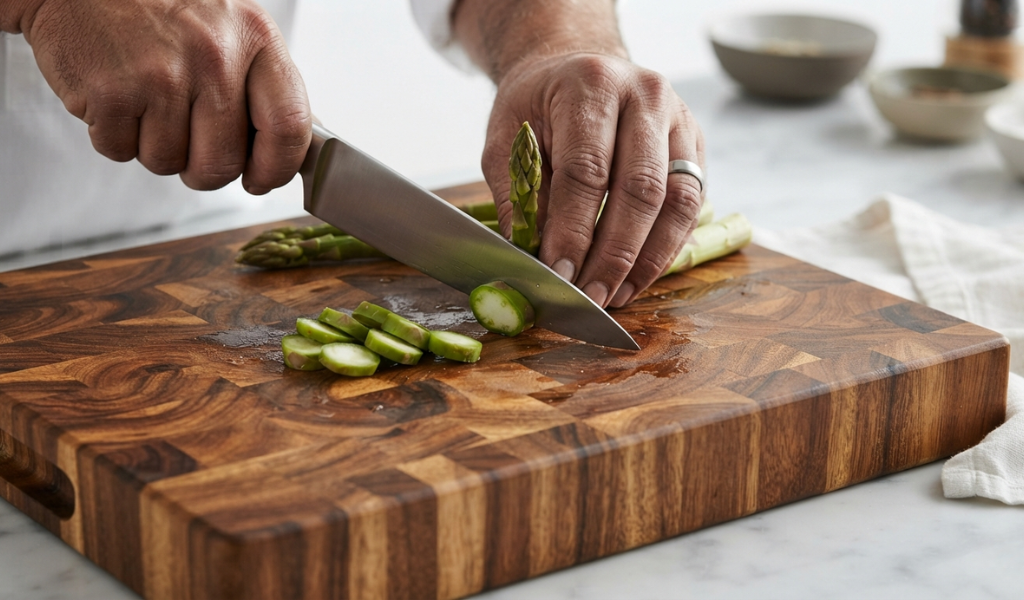 A higher Janka score means the wood is denser and more resistant to denting and scratching.
So if raw hardness is your main concern, acacia has the edge.
Hardness alone does not tell the whole durability story. Teak’s high natural oil content gives it a strong advantage in long-term durability, especially in kitchen environments where the board is exposed to water, food acids, and humidity regularly.
An acacia cutting board that is well-maintained with regular oiling can last many years. But a teak cutting board will generally hold up better over time with less effort, simply because its natural oils protect it from the inside out. When comparing acacia and teak for overall longevity, teak tends to win.
This is where teak clearly pulls ahead. Because teak is softer than acacia on the Janka scale, it is gentler on knife edges. Cutting on a surface that is too hard will dull your knives faster, which is why very hard materials like glass and ceramic boards are a poor choice for knives.
Acacia, being significantly harder, puts more stress on knife edges with each chop. Over time, this can mean more frequent sharpening. If you use high-quality knives and want to keep them sharp longer, a teak cutting board is the smarter pick.
It is worth mentioning that hardwoods like maple and walnut are often recommended by chefs for knife friendliness too, but teak performs comparably well in this category while adding moisture resistance to the mix.
The grain of the wood plays a big role in how a cutting board performs. Teak has a straight, tight grain that creates a relatively forgiving cutting surface. The wood fibers close back up slightly after each cut, which helps the board self-heal over time and reduces the depth of visible knife marks.
Acacia wood has a more varied and sometimes interlocking grain pattern. This makes it visually striking, but it can also mean the surface shows knife marks more clearly over time. End grain cutting boards, whether made from teak or acacia, offer even better knife protection than face grain boards because the knife enters between the wood fibers rather than cutting across them.
If you want the best performance for your knives and the most durable surface, look for end grain cutting boards in either wood.
Yes, and this is one of teak’s greatest strengths. The high natural oil content in teak wood makes it highly resistant to water absorption. This means the board is less likely to warp, swell, or crack when it gets wet during normal kitchen use. It also resists bacteria growth that can occur in wet, porous wood surfaces.
This is the same reason teak has been used in boat building and outdoor furniture for centuries. It simply handles moisture better than almost any other wood naturally.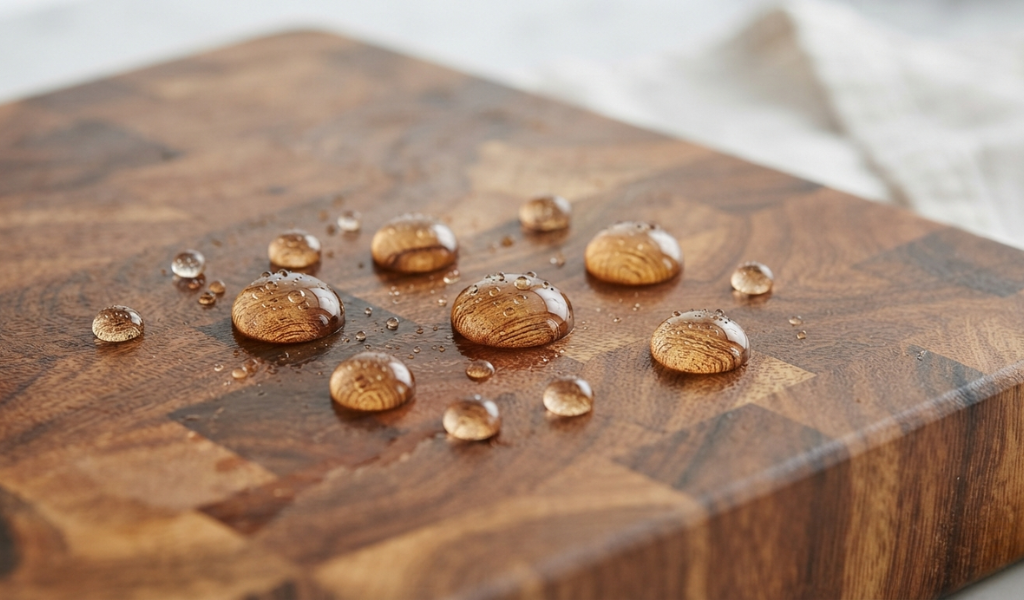
Acacia offers moderate water resistance. It is not as naturally oily as teak, so it absorbs more moisture. This makes it more vulnerable to warping and cracking if it is left wet, soaked in water, or put in a dishwasher. Regular oiling helps a lot, but acacia will never match teak’s natural moisture resistance without extra effort.
For kitchens that see a lot of action, fish preparation, fruit cutting, or heavy cooking where the board gets wet often, teak is the better choice. Its built-in oil content provides reliable protection without requiring constant maintenance.
Acacia can work fine in wet environments, but you need to dry it thoroughly after each use and oil it more frequently to prevent damage. If you are looking for a low-maintenance wood for cutting boards in a busy kitchen, teak wins this round.
Teak is one of the easiest wooden cutting boards to maintain. Here is what you need to do:
Acacia needs a bit more attention:
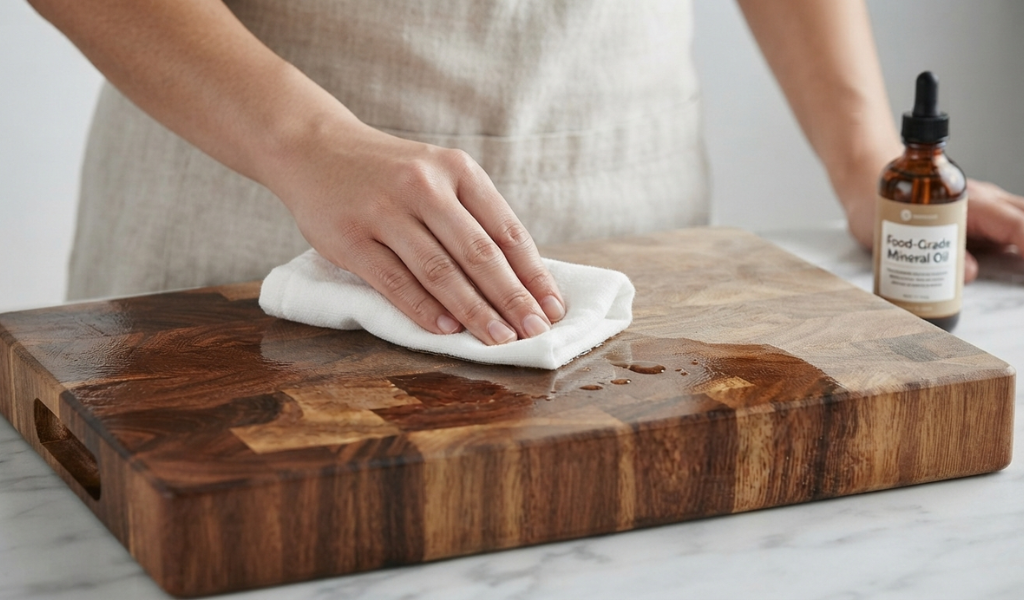
As a general rule, new boards should be oiled three to four times in the first month to build up protection. After that, teak cutting boards need oiling every two to three months. Acacia cutting boards benefit from monthly oiling. Always use food-safe oil like food-grade mineral oil, beeswax, or a dedicated board conditioner. Avoid olive oil or vegetable oil, which can go rancid inside the wood over time.
Teak wood has a classic, refined look. The color is typically a warm golden-brown with a relatively consistent, straight grain. It does not have dramatic variation between boards, which gives it a clean and timeless appearance. Over time, untreated teak develops a silvery-gray patina, though oiling keeps the warm color alive.
Acacia is the showstopper of the two. The grain patterns are bold and varied, and the color range can go from light tan to deep walnut-like tones, often with natural swirling and streaking. No two acacia cutting boards look exactly alike, which makes them a popular choice for kitchen decor and serving boards. Compared to acacia, teak looks more understated.
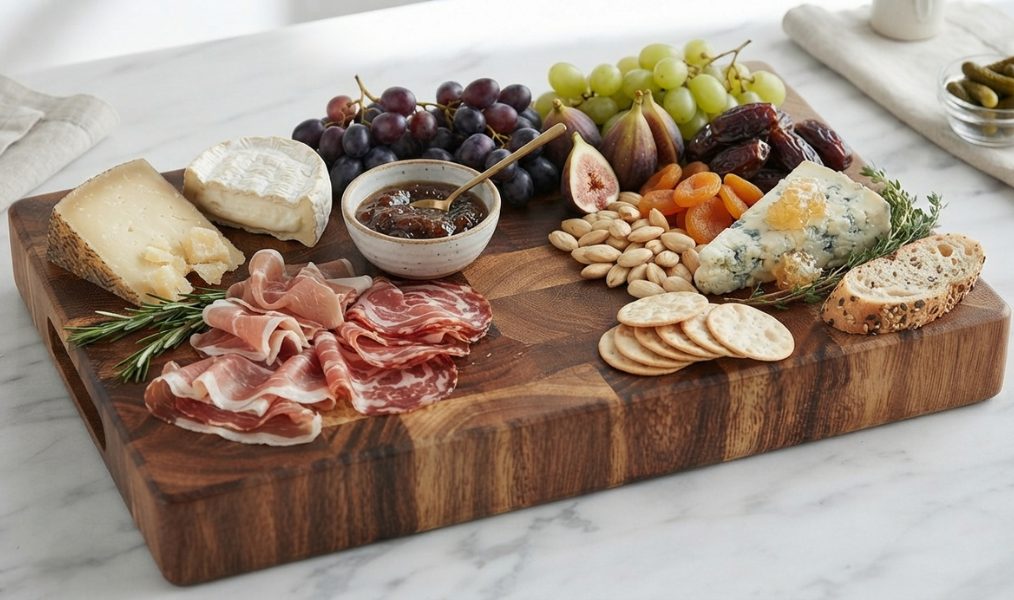
This comes down to personal taste. If you want a board that doubles as a display piece or charcuterie board, acacia wood wins on visual appeal. If you prefer a cleaner, more uniform look that fits any kitchen style, teak is the better pick. Both are far more attractive than plastic cutting boards.
Yes. Teak cutting boards are completely food safe. The natural oils in teak wood have mild antimicrobial properties, which add a small layer of protection. As long as you clean the board properly after cutting raw meat, poultry, or fish, it is safe to use for all types of food prep.
Yes. Acacia is also food safe and non-toxic. Like any wooden cutting board, it does require regular cleaning to stay hygienic. Wood naturally has some bacteria-resistant properties compared to plastic cutting boards, which can harbor bacteria in deep knife grooves over time.
With both teak and acacia cutting boards, cleaning is essential for food safety. Always wash the board with hot, soapy water after contact with raw proteins. Use a diluted white vinegar solution or a paste of coarse salt and lemon juice to deodorize and disinfect. Never submerge the board in water or run it through the dishwasher, as prolonged water exposure will damage both teak wood and acacia wood boards.
Yes. Teak is almost always more expensive than acacia. Teak wood grows slowly and is sourced from regulated forests, which drives up the price. A quality teak cutting board can cost anywhere from $50 to over $150 depending on size and brand.
Acacia is a fast-growing tree, making it more readily available and significantly cheaper. A good acacia cutting board typically costs between $20 and $80.
If budget is your priority, acacia offers strong performance at a lower price point. It is a solid wood cutting board that looks great and works well for everyday kitchen use.
If you are willing to invest more upfront, teak pays off over time. Its low maintenance needs and superior moisture resistance mean it lasts longer with less effort. For home cooks who want a board that simply works without much fuss, teak is the better long-term value.
Pros:
Cons:
Pros:
Cons:
Everyday Cooking
For the average home cook who wants a reliable wood cutting board for daily chopping, slicing, and prep work, teak is the more practical option. It handles moisture well, is easy to maintain, and is kind to knife edges.
Durability
If you are focused purely on surface hardness and scratch resistance, acacia has teak beat on raw durability numbers. An acacia cutting board will resist deep cuts and dents better, especially with heavy use like breaking down vegetables or hard produce.
Budget-Conscious Buyers
Acacia is the clear winner here. You get a solid, attractive hardwood cutting board at a fraction of the price of teak. For cooks who do not mind spending a bit more time on maintenance, acacia cutting boards offer great value for money.
Comparing acacia vs teak ultimately comes down to priorities. Teak suits those who want low maintenance and long life. Acacia suits those who want beauty and affordability. Both are among the best wood for cutting boards on the market today.
Both teak and acacia are excellent choices for cutting boards, and either one will serve you better than plastic or glass alternatives. The right choice depends on what you value most in a cutting board.
Choose teak if you want a board that requires little upkeep, resists moisture naturally, and treats your knives well. Choose acacia if you want striking visual appeal and a harder, more affordable surface.
Whatever you decide, remember that proper care makes all the difference. Oil your board regularly, wash it by hand, and dry it quickly after each use. A well-maintained wooden cutting board can last a decade or more and only gets better with time.
Is teak or acacia better for a cutting board?
Both are excellent options, but they suit different needs. Teak is better for moisture resistance, knife care, and low maintenance. Acacia is better for budget buyers and those who want a more visually striking board. For most home cooks, teak offers the best overall balance of performance and durability.
Does acacia wood dull knives faster than teak?
Yes. Acacia is harder than teak on the Janka scale, which means it puts more stress on knife edges with each chop. Teak’s moderate hardness makes it gentler on knives, helping them stay sharp longer between sharpenings.
How often should I oil my acacia or teak cutting board?
New boards should be oiled three to four times in the first month. After that, teak boards need oiling every two to three months, while acacia boards benefit from monthly oiling. Always use food-grade mineral oil or a dedicated board conditioner.
Are acacia and teak cutting boards dishwasher safe?
No. Neither teak nor acacia cutting boards should go in the dishwasher. The heat and prolonged water exposure will cause the wood to warp, crack, and split. Always wash by hand with warm soapy water and dry immediately.
Can I use an acacia or teak board for raw meat?
Yes, both woods are food safe and suitable for raw meat preparation. After cutting raw poultry, meat, or fish, wash the board thoroughly with hot soapy water. Some cooks prefer to keep a separate board for raw meat to avoid cross-contamination.
Which is more eco-friendly, teak or acacia?
Acacia is generally considered the more sustainable choice because it is a fast-growing tree that replenishes quickly. Teak grows slowly, though FSC-certified or plantation-grown teak is a responsible option. When buying a teak cutting board, look for certified sustainable sourcing.
Is a teak cutting board worth the higher price?
For most people, yes. A teak cutting board lasts longer, needs less maintenance, and resists moisture better than acacia. Over time, the lower maintenance costs and longer lifespan make teak a smart investment, especially for everyday kitchen use.