Physical Address
304 North Cardinal St.
Dorchester Center, MA 02124
Physical Address
304 North Cardinal St.
Dorchester Center, MA 02124

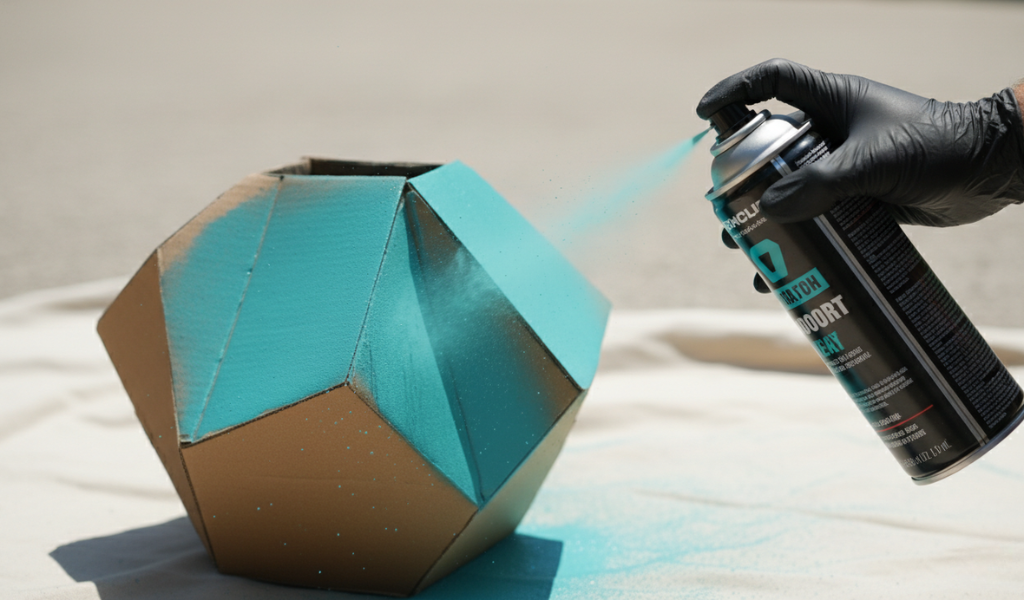
Ready to take your DIY projects to the next level? Ever wondered, Can you spray paint cardboard? Well, buckle up because we’re about to uncover the secrets behind this crafty endeavor. From turning ordinary cardboard into stunning artwork to exploring innovative techniques, this guide is your ticket to unleashing your inner artist.
Whether you’re a seasoned creator or a curious beginner, get ready to dive into the vibrant world of spray painting on cardboard. So, grab your favorite spray cans and let’s embark on a colorful adventure together. Get ready to transform plain cardboard into masterpieces that will leave everyone amazed!
Key Summary: Can You Spray Paint Cardboard?
Spray painting cardboard involves cleaning the surface, applying primer if necessary, then spraying in a well-ventilated area. Allow 24 hours for drying. Apply paint evenly in light coats to prevent saturation. This method ensures a smooth finish without damaging the cardboard.
Spray painting cardboard: it’s a concept that may raise eyebrows initially. After all, cardboard, typically associated with packaging and crafts, isn’t exactly renowned as a conventional canvas for spray paint. However, as with many creative endeavors, the feasibility of this practice lies in the details.
Firstly, let’s address the nature of cardboard itself. Composed of paper fibers, cardboard possesses a porous quality that can impact how spray paint adheres to its surface. This absorbent nature can lead to challenges, such as uneven application and potential blotchiness.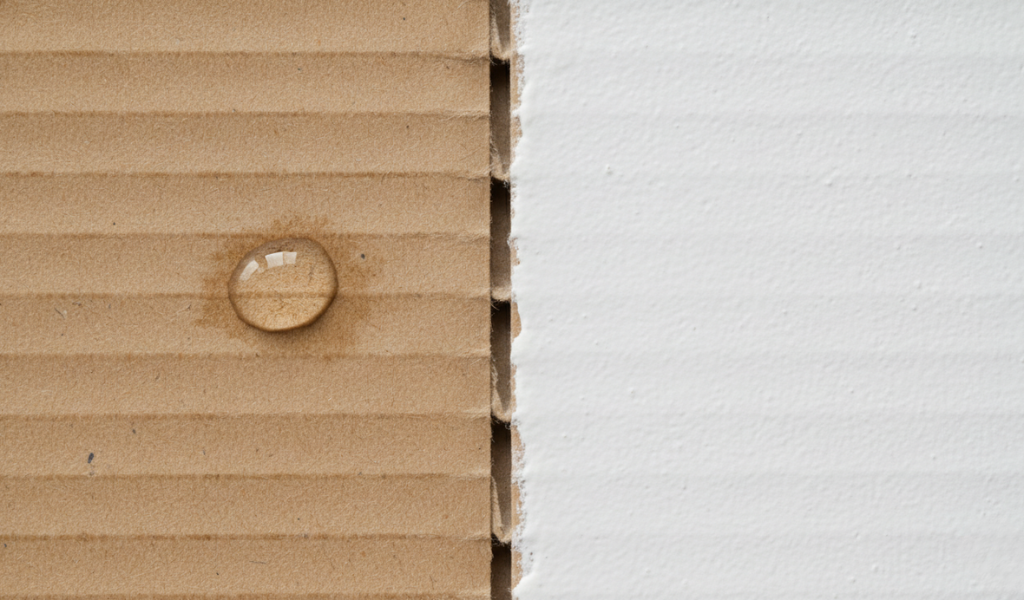
Yet, despite these initial hurdles, the feasibility of spray painting cardboard becomes clearer with proper techniques and preparation. Surface preparation is paramount; ensuring the cardboard is clean and free from debris is essential. Moreover, applying a primer can provide a smoother base for the paint to adhere to, enhancing the final outcome of your project.
Selecting the appropriate spray paint is another crucial consideration. Acrylic-based paints are generally recommended for cardboard, as they adhere well to porous surfaces. Color, finish, and brand selection play vital roles in achieving the desired aesthetic for your artwork.
Mastery of technique is where feasibility truly comes to fruition. Proper spraying techniques, including maintaining an optimal distance from the surface and using smooth, even strokes, are fundamental. Layering and coverage techniques can further enhance the depth and texture of your artwork, ensuring professional-grade results.
Safety should always be a priority when engaging in any form of spray painting. Adequate ventilation in your workspace is essential to mitigate the inhalation of fumes, while wearing protective gear, such as gloves and a mask, is imperative to safeguard against exposure to chemicals. Responsible disposal of paint cans and materials is also crucial to minimize environmental impact.
While the concept of spray painting cardboard may initially seem improbable, its feasibility becomes evident with the application of proper techniques and precautions. By understanding the unique qualities of cardboard, preparing the surface effectively, selecting suitable paint, and mastering spraying techniques, individuals can unlock the potential of this versatile medium. So, embrace the challenge, unleash your creativity, and explore the feasibility of spray painting cardboard today!
When it comes to painting cardboard, choosing the right type of paint can make all the difference in achieving desired results. Let’s explore the various options and considerations to ensure you select the perfect paint for your cardboard projects.
Choosing the right paint for cardboard projects is essential for achieving professional-looking results. Whether you opt for acrylic, spray paint, or watercolors, selecting paint specifically designed for use on porous surfaces like cardboard is key. Consider the type of paint, color options, finish preferences, and brand reputation when making your decision. With the right paint and proper preparation, you can transform ordinary cardboard into stunning works of art.
Spray painting cardboard can be a fun and creative way to transform ordinary materials into works of art. With the right technique and preparation, you can achieve professional-looking results that will impress. Let’s explore the step-by-step process for spray painting cardboard.
Before you begin spray painting, it’s essential to prepare your workspace. Choose a well-ventilated area, preferably outdoors, to avoid inhaling fumes. Lay down a drop cloth or old newspapers to protect the surrounding area from overspray. Additionally, consider wearing protective gear such as gloves and a mask to shield yourself from paint particles.
Next, gather all the necessary materials for spray painting cardboard. You will need:
Before applying any paint, it’s crucial to prepare the cardboard surface properly. Start by cleaning the surface to remove any dust, dirt, or debris. Use a damp cloth or sponge to wipe down the cardboard thoroughly, and allow it to dry completely before proceeding.
If desired, you can apply a primer to the cardboard surface to create a smoother, more even base for the paint to adhere to. Priming is especially recommended for cardboard surfaces that are rough or uneven, as it helps improve paint adhesion and coverage.
Once the cardboard surface is clean and dry, it’s time to apply the spray paint. Shake the can of spray paint vigorously for about a minute to ensure the paint is well-mixed. Hold the spray can approximately 6-8 inches away from the cardboard surface at a slight angle.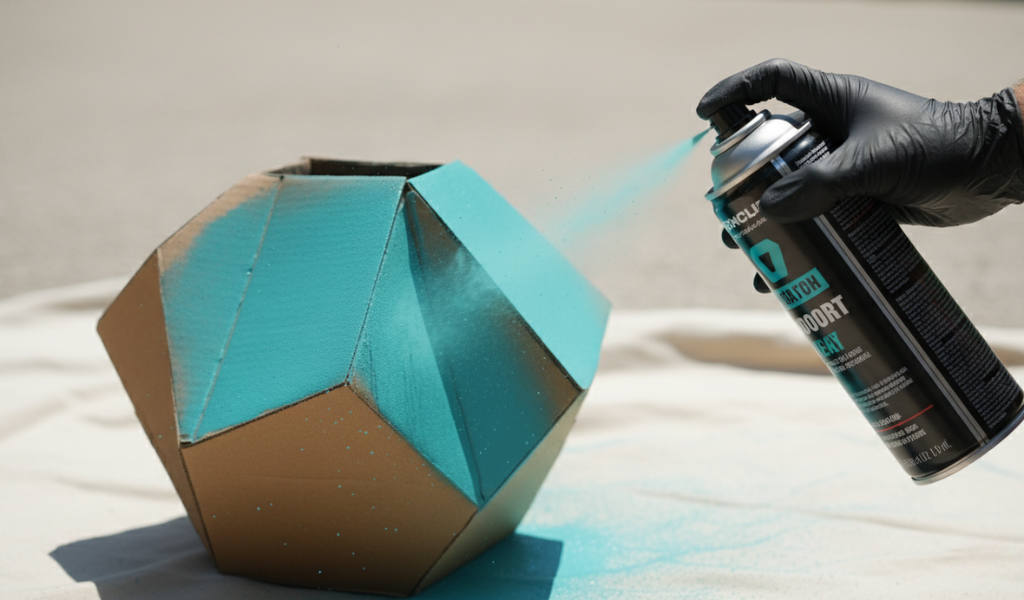
Using smooth, sweeping motions, apply the spray paint evenly across the surface of the cardboard. Start spraying slightly off the edge of the cardboard and continue past the other edge to ensure complete coverage. Avoid spraying too close to the surface or holding the can in one spot for too long, as this can result in drips or uneven coverage.
After applying the spray paint, allow the cardboard to dry completely before handling or moving it. The drying time will vary depending on factors such as humidity, temperature, and the type of spray paint used. Refer to the manufacturer’s instructions on the spray paint can for specific drying times.
Avoid touching or disturbing the painted surface while it’s drying to prevent smudges or smears. If necessary, you can apply additional coats of spray paint to achieve the desired color intensity or coverage once the first coat has dried completely.
Once the base coat of spray paint has dried, you can add additional detail or designs to your cardboard surface if desired. Use painter’s tape or stencils to create crisp lines or patterns, or experiment with different colors and textures to enhance your artwork.
If you want to protect your spray-painted cardboard surface from damage or wear, consider applying a clear sealant or varnish once the paint has dried completely. This will help seal the paint and provide a protective barrier against moisture, dust, and scratches.
Once the spray paint has dried and any additional details or sealants have been applied, your spray-painted cardboard artwork is ready to be enjoyed! Display it proudly or incorporate it into your DIY projects and creative endeavors.
By following these steps and mastering the technique of spray painting cardboard, you can create stunning works of art that are sure to impress. So grab your spray cans and let your creativity flow as you explore the endless possibilities of spray painting on cardboard.
Spray painting cardboard can be a rewarding creative endeavor, but it’s essential to prioritize safety to ensure a positive experience. Let’s explore the necessary precautions to take when spray painting cardboard to protect yourself and others.
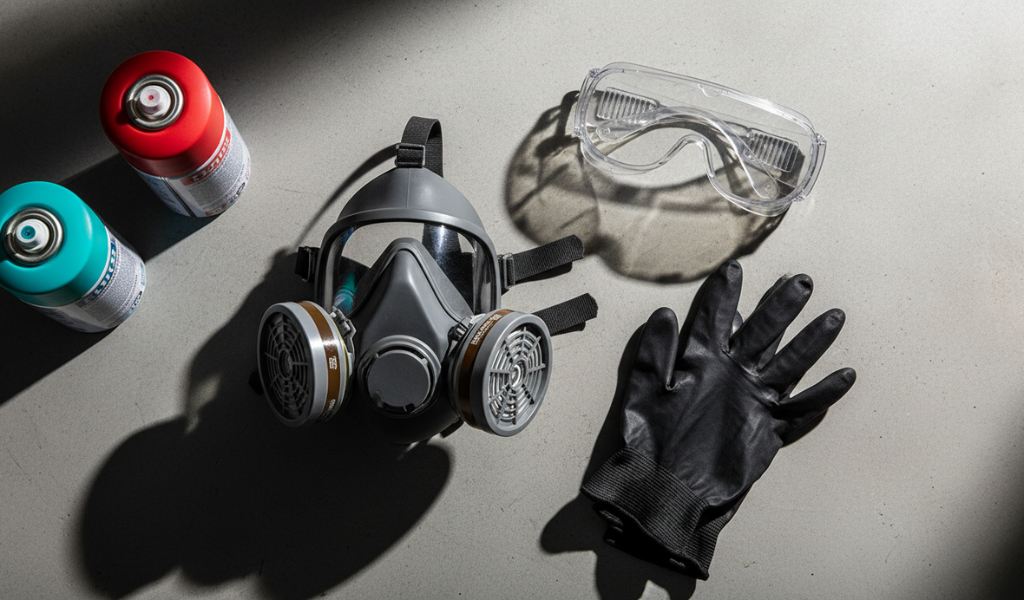
By taking these safety precautions when spray painting cardboard, you can minimize risks and enjoy a safe and enjoyable creative experience. Ventilate your workspace, wear appropriate PPE, protect your skin, practice fire safety, dispose of materials properly, and clean up carefully after painting. With these precautions in place, you can focus on mastering your technique and creating stunning works of art on cardboard.
Spray painting cardboard can be a fun and rewarding process, but it’s not without its challenges. Let’s explore some common issues that may arise during spray painting and how to troubleshoot them effectively.
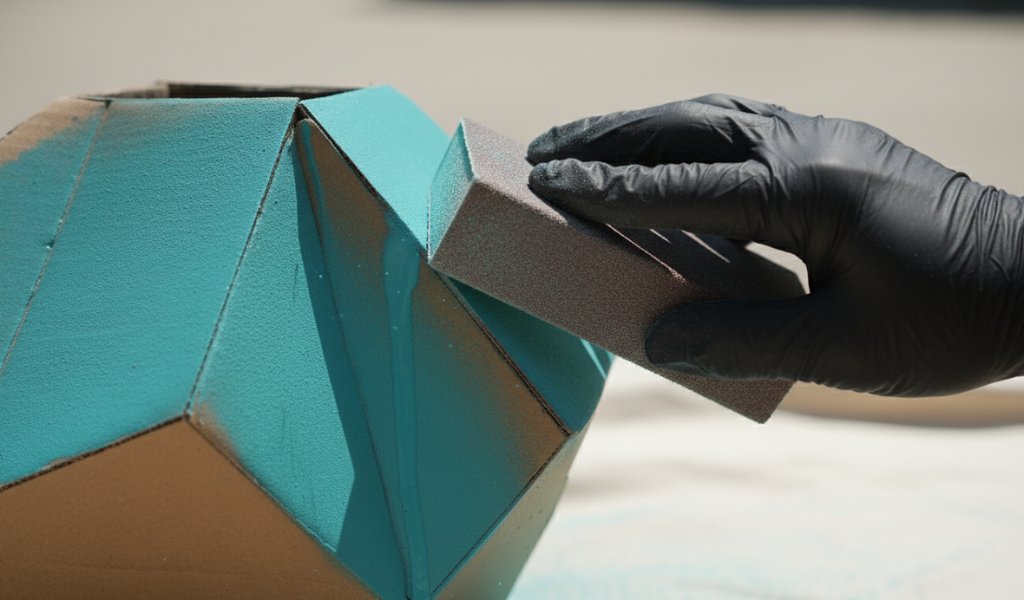
While spray painting cardboard can present its challenges, knowing how to troubleshoot common issues effectively can help you achieve professional-looking results. By addressing issues such as uneven coverage, paint runs, bleeding or smudging, overspray, and fading or discoloration, you can overcome obstacles and create stunning works of art on cardboard. Remember to practice patience, experimentation, and perseverance as you refine your spray painting technique and unleash your creativity.
The answer to whether you can spray paint cardboard is a resounding yes. With the right techniques, preparation, and safety precautions, spray painting on cardboard opens up a world of creative possibilities. Whether you’re crafting art pieces, DIY projects, or decorative items, cardboard can serve as a versatile and accessible canvas for your imagination to flourish. So grab your spray cans, unleash your creativity, and explore the endless potential of spray painting on cardboard today!
Yes, spray painting cardboard is possible and can yield impressive results. With proper preparation and technique, you can achieve vibrant and long-lasting colors on cardboard surfaces.
It’s recommended to use spray paint specifically formulated for porous surfaces like cardboard. Acrylic-based spray paints adhere well to cardboard and offer a wide range of colors and finishes to choose from.
Before spray painting, it’s essential to prepare the cardboard surface by cleaning it thoroughly and applying a primer if desired. After painting, you can seal the cardboard with a clear varnish or sealant to protect the paint and enhance durability.
When you spray paint cardboard, the paint adheres to the surface and dries to create a colorful and visually appealing finish. Properly prepared and painted cardboard can be used for various art projects, decorations, and DIY endeavors.
The drying time for spray paint on cardboard depends on factors such as temperature, humidity, and the type of paint used. In general, spray paint dries relatively quickly, but it’s advisable to allow at least 24 hours for the paint to fully cure before handling or displaying the cardboard.
Yes, you can spray paint cardboard with acrylic paint, but it’s essential to use spray paint specifically formulated for porous surfaces like cardboard. Acrylic spray paint adheres well to cardboard and offers vibrant colors and a durable finish.