Physical Address
304 North Cardinal St.
Dorchester Center, MA 02124
Physical Address
304 North Cardinal St.
Dorchester Center, MA 02124

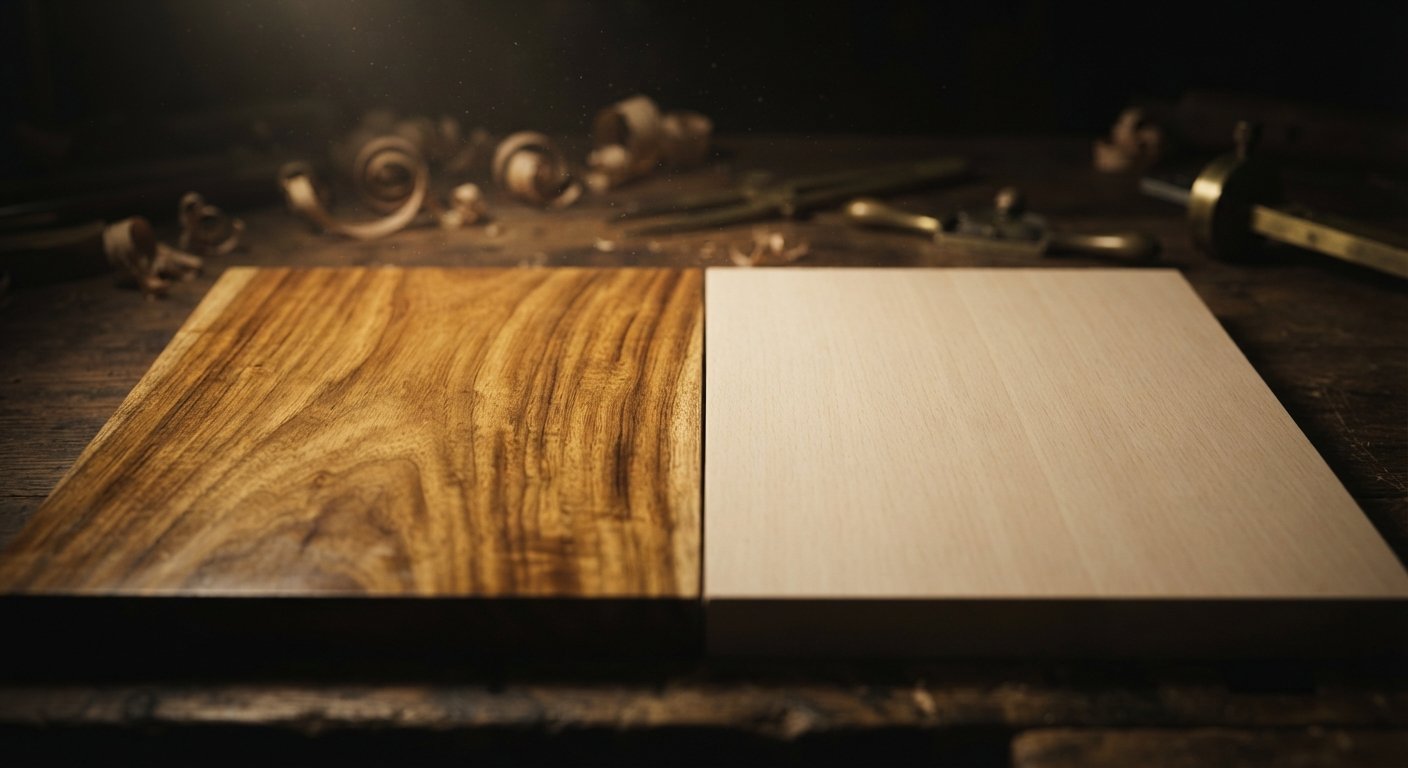
Choosing the right timber for your next furniture piece can feel overwhelming, especially when two popular options like rubberwood and teak wood are both marketed as durable, attractive, and budget-friendly. If you have ever stood in a furniture showroom wondering why one dining table costs half as much as another, the answer often comes down to the wood itself.
Rubber wood and teak wood are two of the most widely used timbers in furniture manufacturing today, but they serve very different purposes and price points. If you’ve already been comparing tropical hardwoods, you may have explored whether acacia wood or teak wood better suits your needs. This guide breaks down everything you need to know about rubber wood vs teak wood, from grain patterns and strength to sustainability and long-term value, so you can make a confident decision for your home or workshop.
Before comparing the two side by side, it helps to understand what each wood actually is, where it comes from, and why furniture makers reach for it in the first place.
Rubberwood comes from the Hevea brasiliensis tree, more commonly known as the rubber tree. This tree is originally grown for latex production, and once it stops yielding latex after about 25 to 30 years, the tree is harvested for its timber. Because of this, rubberwood is often described as a byproduct of the latex industry, making it one of the more resourceful wood types on the market.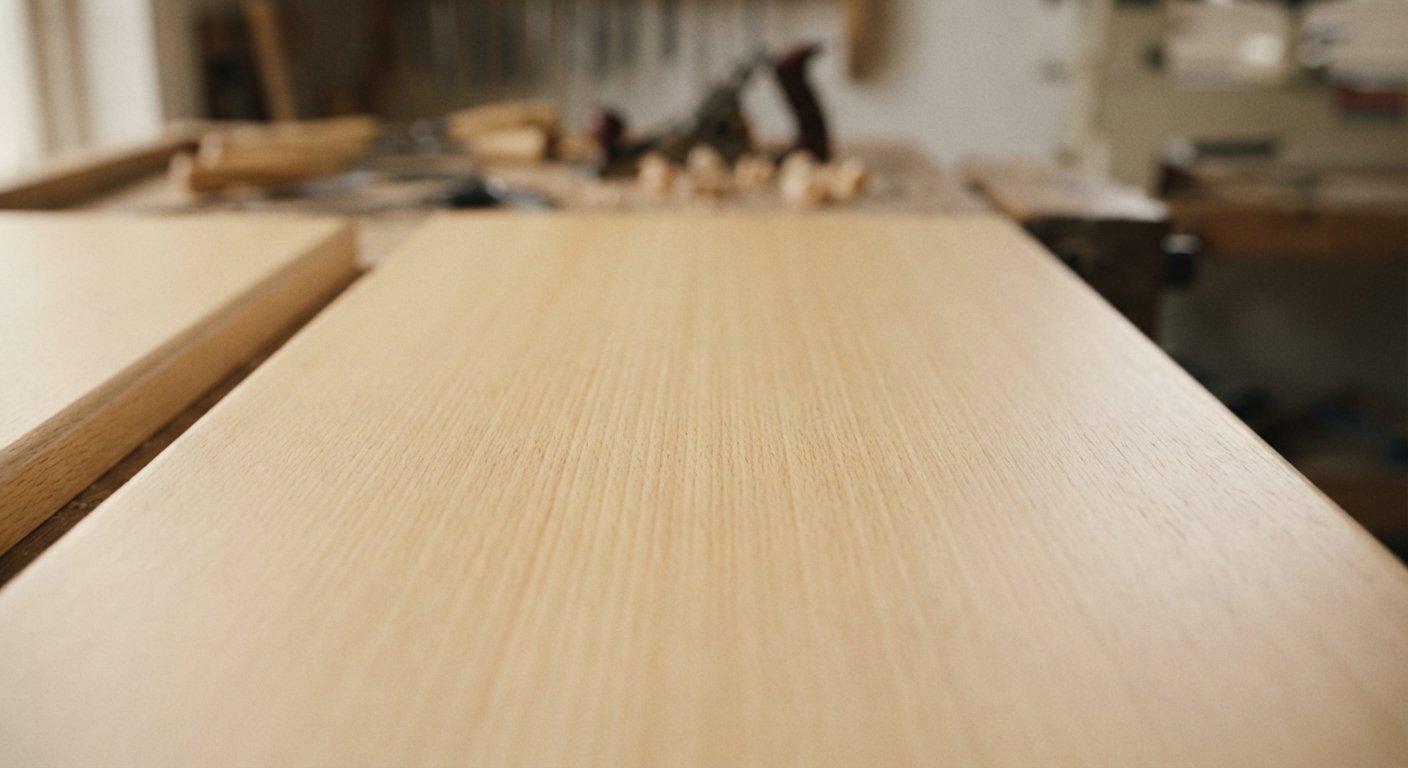
Rubberwood is a light yellowish-brown hardwood with a fairly straight and smooth grain. It is moderately dense, easy to work with, and takes stain and finishing well. Malaysia, Indonesia, and other parts of South and Southeast Asia are major producers of rubberwood, thanks to the large-scale rubber plantations found throughout the region. This wood is a popular choice for indoor furniture such as tables, chairs, cabinets, and shelving units, largely because it offers a natural wood look at a more accessible price.
Teak wood comes from the Tectona grandis tree, a slow-growing deciduous tree native to South and Southeast Asia, with Burma (Myanmar), Indonesia, and India historically serving as major sources. Teak has been prized for centuries, and it remains one of the most sought-after hardwoods for high-end furniture and outdoor applications.
What makes teak wood stand out is its high natural oil content. This oil content gives teak its signature resistance to water, insects, and rot, which is why teak wood is a favorite for outdoor furniture and boat building. The grain of teak wood is generally straight, though it can be slightly wavy or interlocked, and it carries a warm golden-brown tone that deepens with age. Teak wood is denser and harder than rubberwood, contributing to its reputation as one of the most durable timbers available.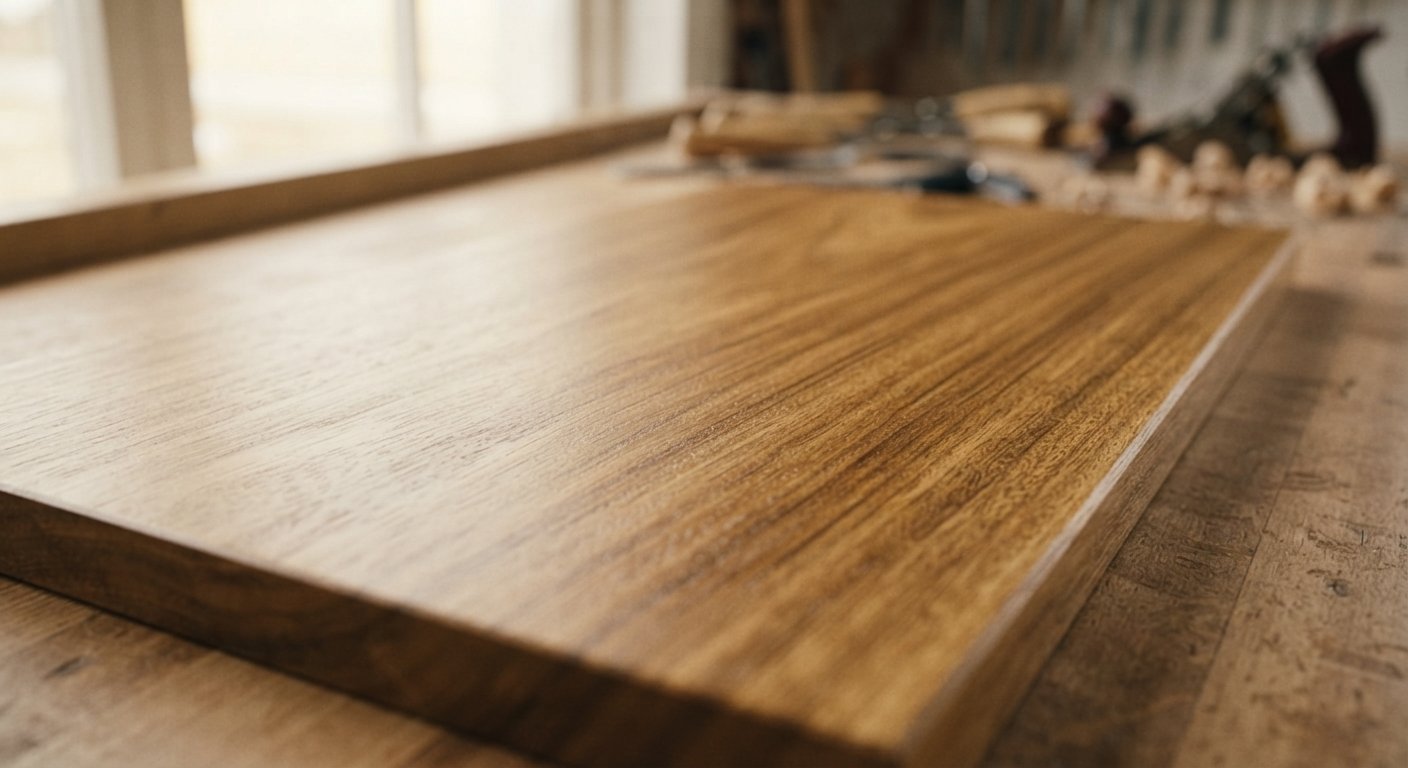
At a glance, the biggest differences between rubberwood and teak wood come down to three things: density, oil content, and cost. Teak wood is denser, contains natural oils that repel moisture and pests, and commands a much higher price. Rubberwood is softer, lacks that natural oil protection, and is significantly more affordable.
Another key difference lies in application. Rubberwood is best suited for indoor furniture, while teak wood can handle both indoor and outdoor environments without much trouble. Grain-wise, rubberwood tends to have a more uniform, smooth grain, while teak wood shows a bit more character with subtle variation across each board.
When it comes to strength and durability, teak wood generally wins. On the Janka hardness scale, teak measures harder than rubberwood, meaning it resists dents and scratches more effectively over time. Teak’s natural oils also protect it from moisture damage, warping, and insect infestation, which is why it holds up so well as outdoor furniture exposed to rain, sun, and humidity.
Rubberwood, while not as tough as teak, is still a respectable hardwood. It performs well for indoor furniture that is not subject to constant humidity or temperature swings. In terms of appearance, rubberwood has a pale, consistent tone that works nicely with modern and minimalist interiors. Teak wood, on the other hand, offers a richer golden-brown color that many woodworkers and homeowners associate with classic elegance and long-lasting quality.
Rubberwood’s smooth grain pattern makes it easy to sand and finish, giving furniture makers a clean surface to work with. It accepts paint and stain evenly, which is one reason it is popular for painted furniture pieces where the wood grain is not the main visual feature.
Teak wood’s grain is slightly more varied, but this only adds to its aesthetic appeal. Because of its oil content, teak wood ages gracefully. Left untreated outdoors, it develops a silvery-gray patina that many people find attractive. Indoors, an oiled teak surface can last decades without significant wear, which is a testament to why teak has remained a favorite for heirloom-quality furniture.
Rubberwood offers several advantages that make it a popular pick for budget-conscious buyers. It is affordable, eco-friendly since it repurposes trees that have already served their latex-producing life, and easy to work with for woodworkers of all skill levels. Its smooth texture and light color also make it versatile for a range of furniture styles.
That said, rubberwood does have some downsides. It is softer than teak, so it is more prone to dents and scratches. It also lacks natural resistance to moisture, meaning it is not suitable for exterior applications unless it is heavily treated. Without proper sealing, rubberwood can be vulnerable to warping in humid conditions.
Teak wood’s biggest advantage is its exceptional durability. Its natural oil content makes it resistant to water, pests, and rot, which means teak furniture can last for generations with minimal maintenance. It also has undeniable aesthetic appeal, with a rich color and smooth grain that only improves with age.
The main disadvantage of teak wood is cost. Because teak trees are slow growing and often sourced from limited plantations in Indonesia, Burma, and similar regions, teak wood is considerably pricier than rubberwood or other common hardwoods like oak, maple, or pine. Sourcing genuine, sustainably harvested teak can also be more complicated, as demand has led to overharvesting in some regions.
Rubberwood shines in indoor settings where moisture and temperature are controlled. It is a common choice for dining tables, chairs, cabinets, and shelves, particularly in furniture manufacturing aimed at everyday households. If you are furnishing a bedroom, home office, or living room and want solid wood furniture without the higher price tag of teak, rubberwood is a smart pick.
Choose rubberwood if you want a natural wood look on a budget, plan to paint or stain your furniture, and do not need the piece to withstand outdoor elements.
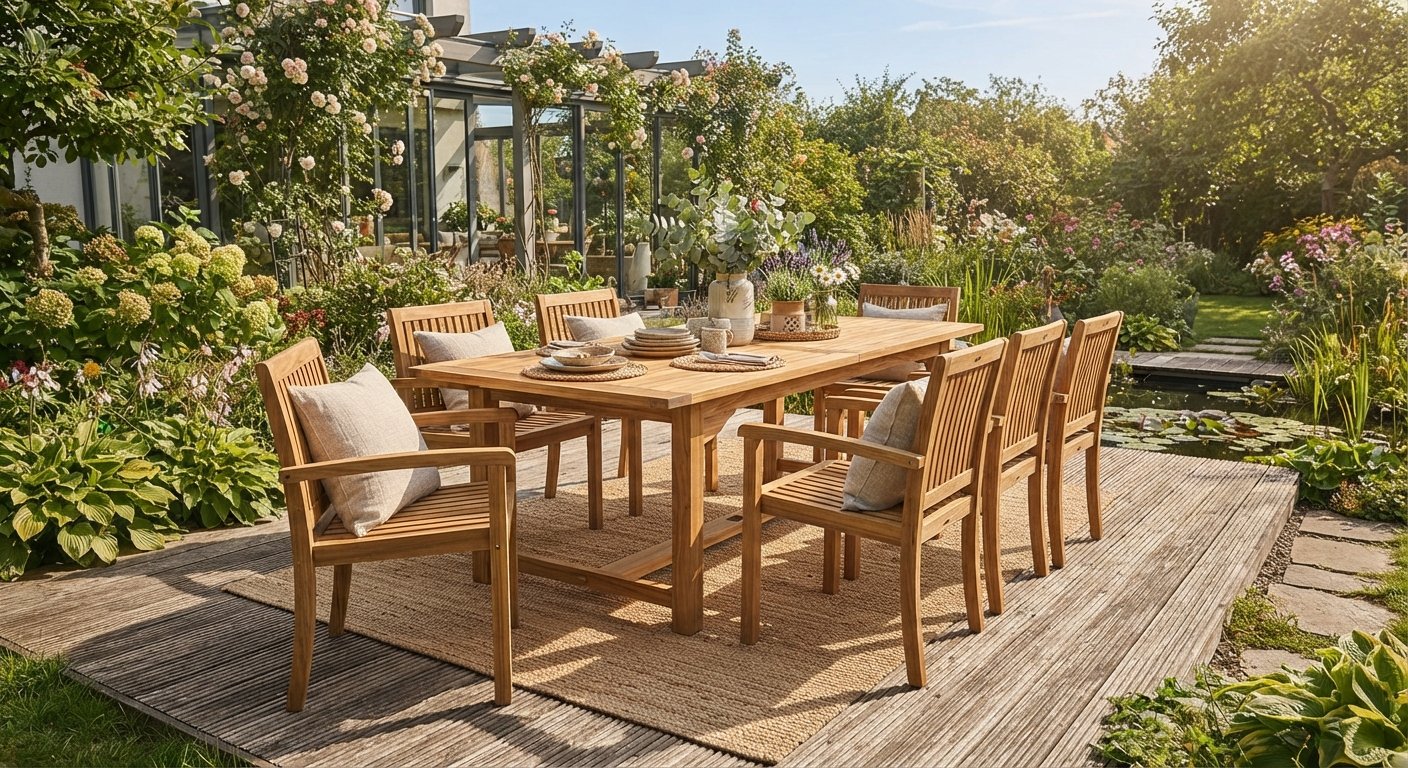
Teak wood makes sense when durability and long-term performance matter more than upfront cost. Outdoor furniture, garden benches, and patio sets are ideal use cases, since teak wood can handle rain, sun, and humidity without warping or rotting. Teak is also a go-to option for high-end indoor pieces like coffee tables, cabinetry, and statement furniture meant to last a lifetime.
Choose teak wood if you plan to use furniture outdoors, want a piece that will age well over decades, and are willing to invest more upfront for long-term value.
Several factors influence the price gap between rubberwood and teak wood. Teak trees grow slowly, often taking decades to mature, and quality teak wood is primarily sourced from a limited number of regions, including Indonesia and Burma. This limited supply, combined with high global demand, keeps teak prices elevated.
Rubberwood, by contrast, benefits from being widely available as a byproduct of rubber plantations across Malaysia and other parts of Southeast Asia. Since the trees are already being harvested for latex, the wood itself becomes an economical alternative for furniture manufacturing, keeping costs low without sacrificing too much on quality.
While rubberwood is more affordable upfront, teak wood often delivers better long-term value, especially for outdoor or heavily used furniture. A teak wood dining set may cost significantly more initially, but its resistance to wear, rot, and pests means it can last for decades with minimal upkeep, potentially outlasting several rubberwood replacements.
For buyers on a tighter budget or those furnishing spaces where furniture will be replaced or updated every few years, rubberwood offers excellent value. For those looking to invest once and enjoy durable furniture for the long haul, teak wood’s higher cost is often justified.
Woodworkers generally find rubberwood easier to handle. Its moderate density means it sands smoothly, drills cleanly, and joins well without excessive tool wear. This makes rubberwood a favorite for beginner and intermediate woodworking projects, as well as large-scale furniture manufacturing where efficiency matters.
Teak wood, being denser and containing natural oils, requires slightly more effort and specialized tools. Drilling and joining teak wood demands sharp, high-quality blades, since the oil content can dull standard tools faster. Experienced woodworkers often prefer teak for its workability despite the extra effort, since the results tend to be more refined and long-lasting.
Gluing can be tricky with teak wood because of its natural oils, which can interfere with adhesive bonding if the surface is not properly cleaned and prepped beforehand. Rubberwood, on the other hand, glues easily and accepts most finishes without much preparation, making it a more forgiving option for DIY projects and hobbyist woodworkers.
For finishing, rubberwood takes paint and stain evenly thanks to its smooth grain, while teak wood is often left with a simple oil finish to enhance its natural color and highlight its grain pattern. If you are new to woodworking, rubberwood’s ease of finishing and gluing may make it the more approachable choice.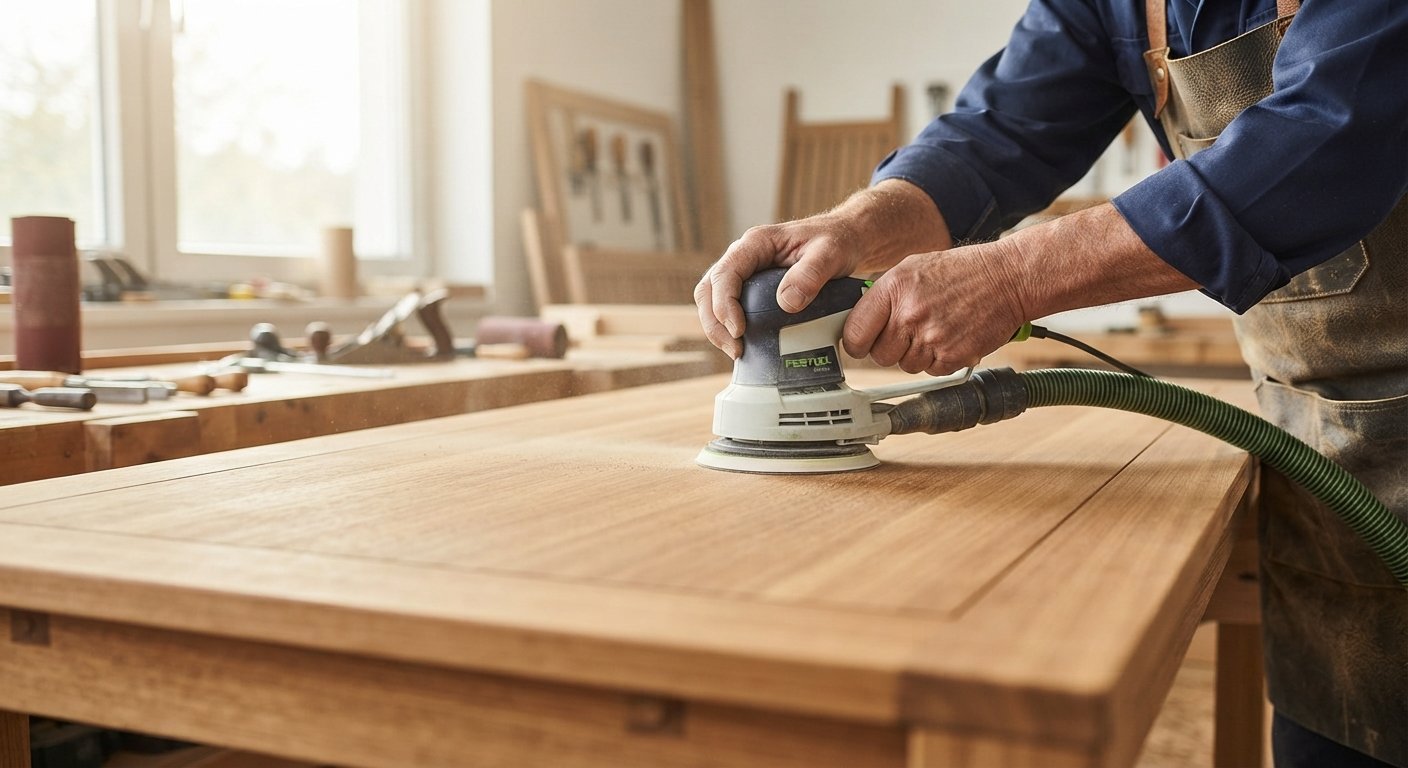
Rubberwood has a strong environmental case in its favor. Since it comes from trees that have already completed their productive life cycle as latex producers, using this timber for furniture reduces waste and maximizes the value of each tree. This makes rubberwood a genuinely eco-friendly choice, as it does not require cutting down trees specifically for timber production.
Teak wood’s sustainability picture is more mixed. While teak plantations exist and are managed responsibly in some regions, the high global demand for teak has historically led to overharvesting of natural teak forests in places like Burma and Indonesia. When shopping for teak furniture, it is worth looking for certifications that confirm the wood was sourced from a sustainably managed plantation rather than illegally logged forests.
If your priority is furnishing an indoor space on a reasonable budget, rubberwood is a practical, attractive, and eco-friendly solid wood option. It works particularly well for furniture that will be painted, stained, or used in low-humidity environments.
If you need furniture that can withstand outdoor conditions or you want a piece that will last for generations, teak wood is worth the investment. Its natural resistance to moisture, pests, and wear makes it one of the most reliable hardwoods available today.
When making your final decision, weigh these four factors carefully. Strength favors teak wood, thanks to its higher density and hardness. Appearance is more of a personal preference, since rubberwood’s light, consistent tone appeals to modern interiors while teak’s rich golden hue suits classic and outdoor styles. Maintenance leans in teak’s favor as well, since its natural oils reduce the need for frequent sealing or treatment. Budget, however, tips the scale toward rubberwood, making it the more accessible option for most households.
There is no single right answer when it comes to rubber wood vs teak wood. Both are legitimate solid wood options with distinct strengths. Rubberwood is a smart, sustainable, and affordable choice for indoor furniture, while teak wood remains the gold standard for durability, outdoor performance, and long-term aesthetic appeal.
Think about where the furniture will live, how much wear it needs to withstand, and how much you are willing to invest upfront. A rubberwood bookshelf might serve your living room perfectly for years, while a teak outdoor dining set could become a piece your family enjoys for decades. Whatever you choose, understanding these differences means you are buying with confidence rather than guesswork.
Is rubberwood as good as teak wood?
Rubberwood is a solid, budget-friendly hardwood suitable for indoor furniture, but it is not as durable or moisture-resistant as teak wood. Teak wood generally outperforms rubberwood in strength, longevity, and outdoor use.
Is rubberwood a cheap wood?
Rubberwood is more affordable than many hardwoods, including teak, oak, and mahogany, because it is sourced from rubber plantations already being harvested for latex. This makes it an economical alternative without being a low-quality material.
Can rubberwood be used outdoors?
Rubberwood is best suited for indoor furniture. Without heavy treatment and sealing, it lacks the natural resistance to moisture and pests needed for outdoor applications, unlike teak wood.
Why is teak wood so expensive?
Teak wood is expensive because Tectona grandis trees grow slowly and are primarily sourced from limited regions like Indonesia and Burma. High global demand combined with limited supply keeps prices elevated.
Does teak wood need maintenance?
Teak wood requires minimal maintenance thanks to its natural oil content, which protects against moisture, rot, and pests. Occasional oiling can help maintain its color, though many people let it weather naturally outdoors.
Which wood is better for furniture making, rubberwood or teak?
It depends on the project. Rubberwood is easier to work with for beginners and ideal for indoor furniture manufacturing, while teak wood suits woodworkers seeking durability and a premium finish for both indoor and outdoor pieces.
Is rubberwood eco-friendly?
Yes, rubberwood is considered environmentally friendly because it comes from trees that have already been used for latex production. Using the wood after its latex-producing years reduces waste and avoids cutting down trees solely for timber.