Physical Address
304 North Cardinal St.
Dorchester Center, MA 02124
Physical Address
304 North Cardinal St.
Dorchester Center, MA 02124

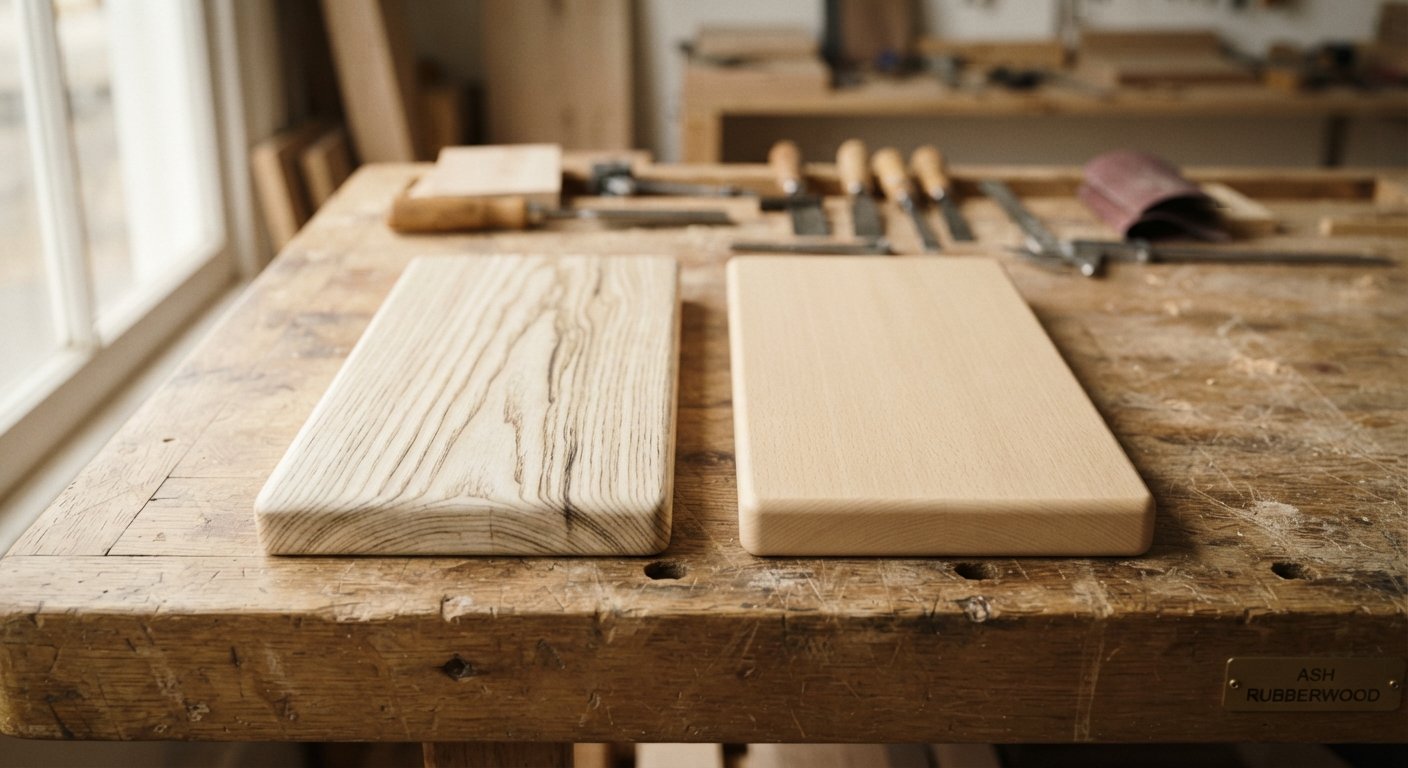
Choosing the right wood for furniture can feel overwhelming, especially when two popular options like ash wood and rubberwood both promise durability and good looks at different price points. If you’re shopping for a new dining table, bed frame, or cabinet, you’ve probably come across both types of solid wood used in furniture making and wondered which one actually fits your needs.
This guide breaks down everything you need to know about ash wood vs rubberwood, from grain pattern and strength to cost and sustainability. If you’ve already been comparing tropical hardwoods, you may have explored whether acacia wood vs. rubberwood better suits your needs. By the end, you’ll know exactly which hardwood or budget-friendly alternative suits your furniture project, your home, and your wallet.
Before comparing the two side by side, it helps to understand what each wood actually is, where it comes from, and why it’s commonly used for furniture.
Ash wood is a hardwood known for its strength, elasticity, and attractive straight grain. It comes from ash trees found across North America and parts of Europe, and it has long been a sought-after choice for furniture makers who want something durable furniture buyers will pass down for generations. The wood has a light, pale hue with occasional golden or brown streaks running through it, giving pieces of wood a warm, natural look without heavy staining.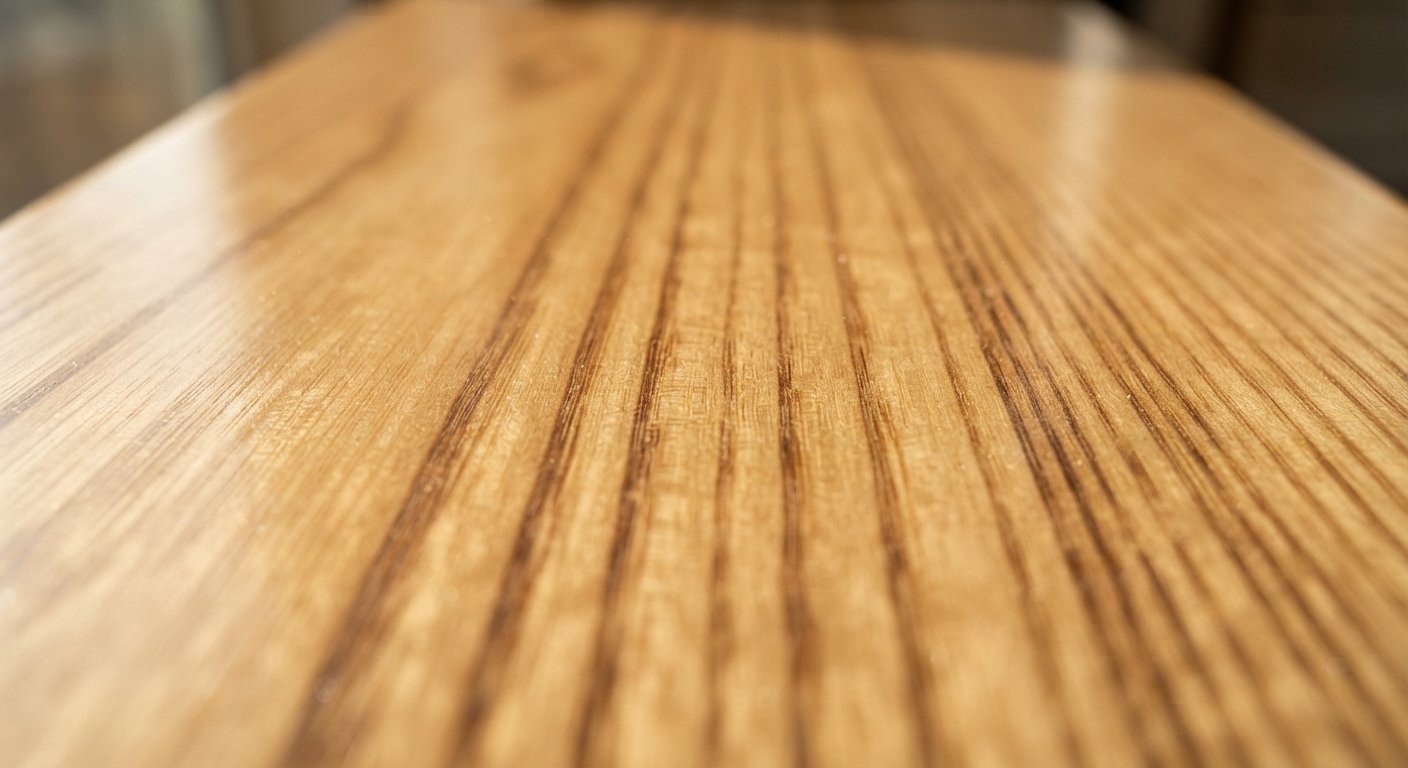
Ash wood is prized for its flexibility and shock resistance, which is why it’s traditionally used for tool handles, sports equipment, and now, high-end furniture pieces like dining tables, chairs, and cabinetry. Its uniform grain pattern also makes it a favorite among craftsmen who want a clean, cohesive look across a whole furniture set.
Rubberwood, sometimes called parawood, comes from rubber trees that have finished their latex production cycle, usually after 25 to 30 years. Rather than discarding these plantation trees, furniture makers repurpose them into wooden furniture, making rubberwood a genuinely eco-friendly choice. This is one reason rubberwood has grown in popularity for budget-friendly and mid-range furniture over the past two decades.
In terms of appearance, rubberwood offers a pale beige to light brown color with a relatively straight grain, though it can look a bit less refined than ash wood. It’s a favorite for furniture styles that lean minimalist, since its light color and clean lines work well in modern interiors.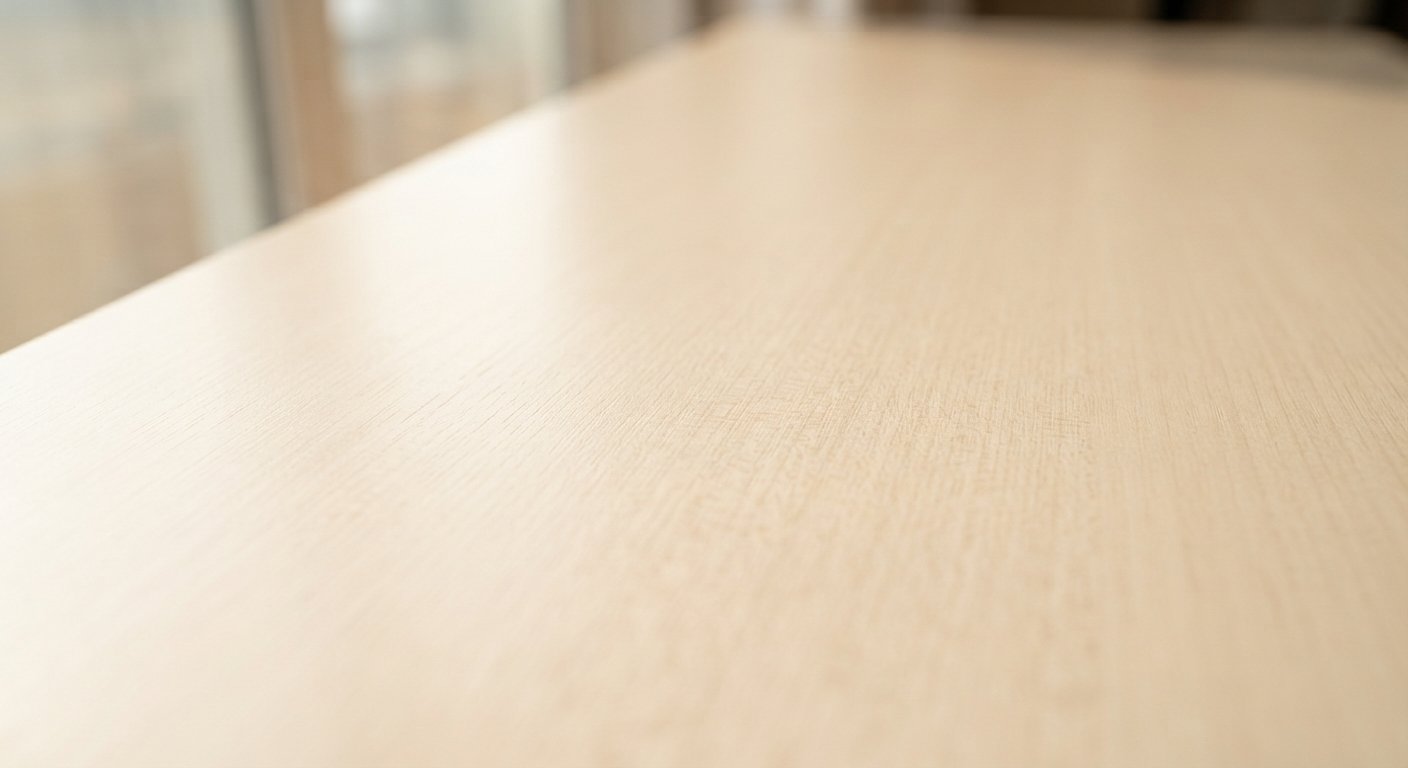 You’ll commonly find rubberwood in bed frames, cabinets, panels, and other indoor furniture where affordability matters more than premium aesthetics.
At a glance, ash wood and rubberwood differ in three major ways: strength, cost, and grain character. Ash wood is a true hardwood with tighter grain and higher density, making it more durable and better suited to furniture that sees daily wear and tear. Rubberwood, while still a hardwood, is softer and more lightweight, which makes it easier to work with but less resistant to dents and scratches over time.
Cost is another major differentiator. Ash wood is generally imported and more labor-intensive to process, which pushes its price closer to oak or walnut. Rubberwood, being widely available and sourced from plantation trees already grown for latex production, tends to be far more economical.
Finally, the two woods take stain and finish differently. Ash wood’s open, straight grain absorbs stain evenly, giving it a rich, comparable-to-oak appearance when finished well. Rubberwood’s tighter, less pronounced grain pattern can sometimes look flatter under stain, though it still finishes nicely for most furniture styles.
When it comes to durability, ash wood has the clear edge. It’s dense, shock-resistant, and holds up well against daily use, which is why it’s often used for furniture that needs to handle a lot of movement, like dining chairs and tables. Rubberwood is still a solid, durable option for indoor furniture, but it’s softer, so it’s more prone to dents and scratches if not cared for properly.
In terms of appearance, ash wood has a slightly more dramatic grain with visible streaks, giving furniture a bold, natural character. Rubberwood tends to have a more uniform, understated look, which appeals to buyers who want something clean and simple rather than a statement piece.
Ash wood’s straight grain pattern is one of its most desirable traits. It’s consistent enough to look elegant across large surfaces like table tops, and it takes stain beautifully, allowing furniture makers to match it to walnut, cherry, or oak tones if desired. This versatility is part of why ash wood is considered a premium hardwood despite being lighter in color than oak or walnut naturally.
Rubberwood’s grain, while still attractive, is less pronounced. It finishes well with paint and light stains, but it doesn’t always achieve the same depth of color that ash wood can. In terms of longevity, ash wood generally lasts longer under heavy use, while rubberwood furniture tends to perform best when kept indoors, away from excess moisture and direct UV exposure, both of which can affect its color and structure over time.
Ash wood brings a lot to the table, quite literally, for anyone shopping for durable, good-looking furniture.
Advantages:
Disadvantages:
Rubberwood has earned its place in the furniture world thanks to its affordability and eco-friendly sourcing.
Advantages:
Disadvantages:
Rubberwood is a great fit for indoor furniture where cost-effectiveness matters more than showroom-level aesthetics. Think bedroom furniture like bed frames and dressers, home office cabinets, or budget dining tables for a starter apartment. Because rubberwood is lightweight and easy to work with, it’s also a popular choice for flat-pack and DIY furniture kits. If you’re furnishing a rental property or a space where furniture might need to be replaced every few years, rubberwood offers solid value without a big upfront investment.
Ash wood makes more sense when you want furniture built to last, especially pieces that see a lot of daily use. Dining tables, chairs, and cabinetry that need to handle constant movement and pressure benefit from ash wood’s strength and flexibility. It’s also the better option if you want furniture with a distinct grain pattern that stands out, rather than blending into the background. Homeowners investing in high-end furniture or heirloom-quality pieces often lean toward ash wood for its combination of beauty and resilience.
Several factors influence the price gap between these two woods. Ash wood often needs to be imported, and its processing requires more skill to bring out its grain pattern and strength properly, which adds to labor costs. Its growing popularity for high-end furniture has also increased demand, pushing prices upward in recent years.
Rubberwood, by contrast, benefits from its origin as a byproduct of the rubber industry. Since the trees are already grown for latex production, using the wood afterward for furniture making is a cost-effective way to avoid waste. This keeps rubberwood prices consistently lower than most hardwoods, including ash and oak.
If you’re thinking about long-term value, ash wood tends to be the better investment despite its higher upfront cost. Its durability means less replacement and repair over time, which can offset the initial price difference. Rubberwood, while more budget-friendly at the point of purchase, may need more careful maintenance and could show wear sooner, particularly in high-traffic households with kids or pets.
That said, rubberwood remains an excellent choice for buyers who prioritize affordability and don’t need furniture to last decades. For many people furnishing a first home or working within a strict budget, rubberwood strikes the right balance between quality and cost.
For woodworkers, both ash and rubberwood are considered easy to work with, though each has its quirks. Ash wood’s density means it holds screws and joints firmly, making it a reliable choice for furniture that needs strong structural connections. It sands smoothly and takes detailed joinery well, which is why it’s popular for craft projects that require precision.
Rubberwood is softer, so it’s easier to cut and drill without specialized tools, making it a favorite for hobbyists and DIY furniture builders. However, its softness means joints may need reinforcement over time, especially in furniture that gets moved frequently.
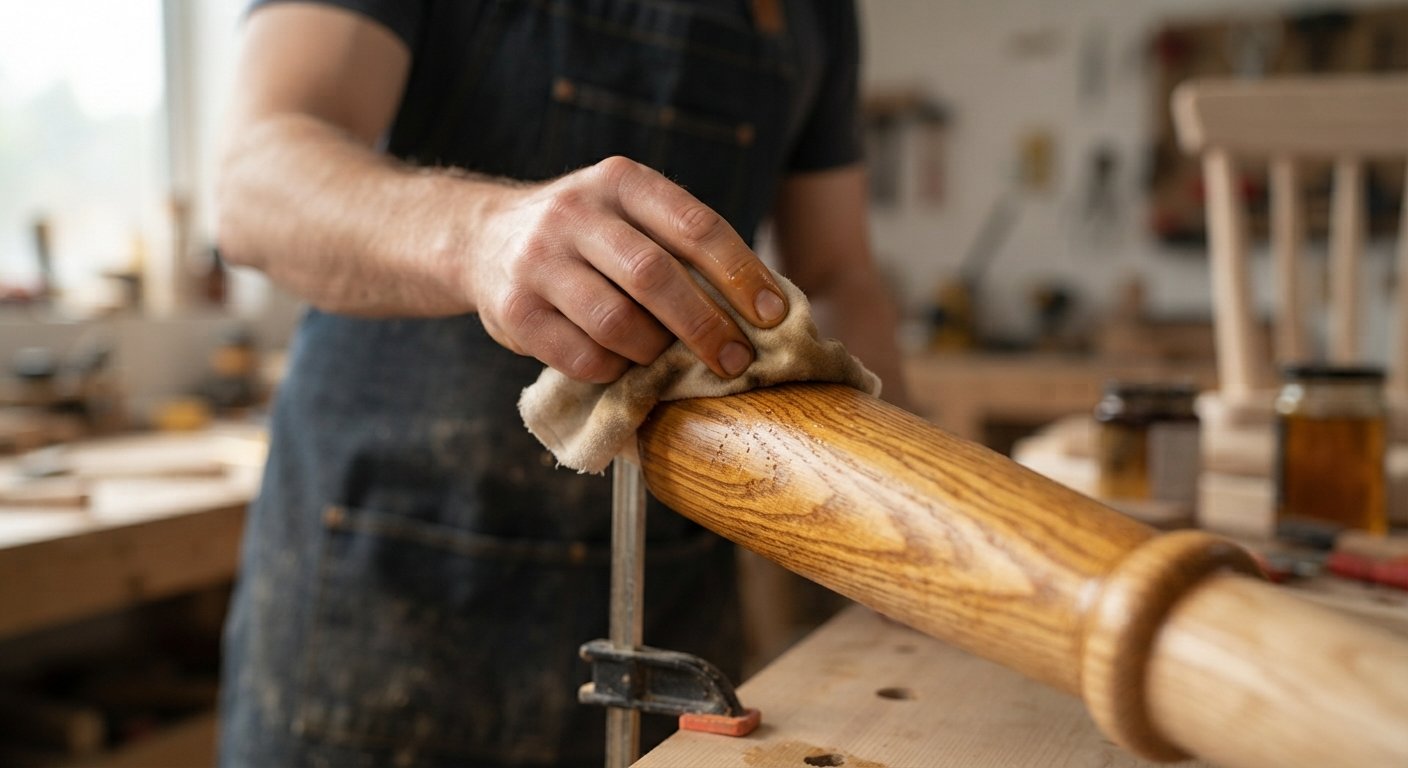
Both woods accept glue well, but ash wood’s tighter grain generally creates a stronger bond for structural joints. Rubberwood is also glue-friendly and, thanks to its light color, works nicely with a wide range of stains and paints, making it a popular pick for DIY projects and upcycled furniture.
When it comes to finishing, ash wood rewards a bit of extra effort. Its grain pattern really shines through with oil-based finishes or stains that mimic oak or walnut. Rubberwood finishes faster and more predictably, which is one reason it’s so widely used in mass-produced, affordable furniture lines.
Ash wood comes from slower-growing trees, and in some regions, ash populations have faced pressure from pests like the emerald ash borer. Because of this, sourcing ash responsibly matters. Buyers should look for furniture certified by organizations like the Forest Stewardship Council to ensure the wood was harvested sustainably and won’t contribute to further environmental strain.
Rubberwood has a strong sustainability story built right into its origin. Since it’s sourced from plantation trees that have already served their purpose in latex production, using the wood afterward reduces waste rather than requiring new trees to be cut down solely for furniture making. This makes rubberwood one of the more eco-friendly options among commonly used furniture woods, appealing to buyers who care about environmental impact without sacrificing style.
If durability and a beautiful, distinctive grain pattern top your list, ash wood is worth the investment. It suits buyers furnishing spaces meant to last, from family dining rooms to statement furniture pieces that double as conversation starters.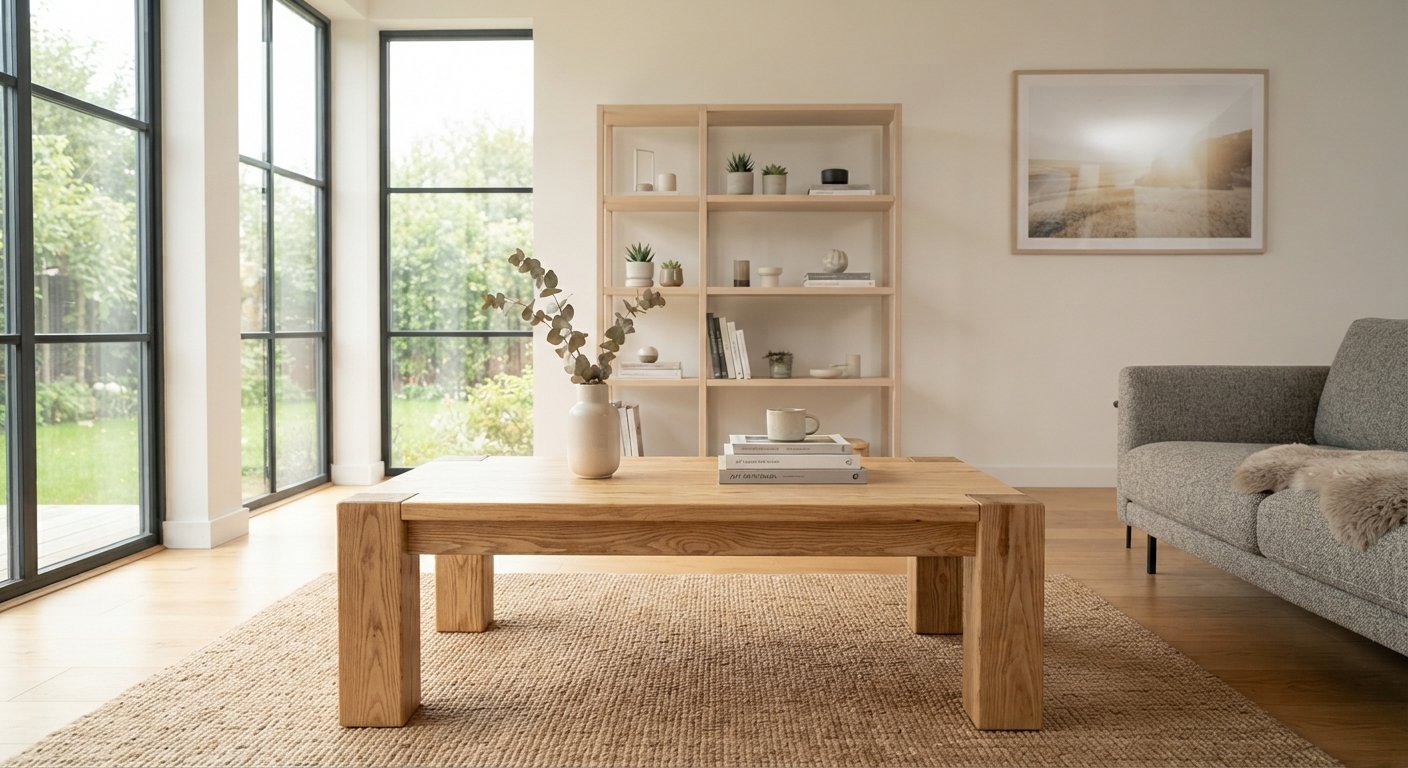
If your priority is affordability and eco-friendly sourcing, rubberwood delivers solid performance without straining your budget. It’s a smart choice for renters, first-time homeowners, or anyone furnishing a space that doesn’t need to last a lifetime.
Ultimately, the right choice comes down to balancing three factors: how much wear and tear the furniture will face, how important grain pattern and aesthetics are to you, and how much you’re willing to spend. Neither wood is objectively “better” across the board. It depends entirely on what you need the furniture to do.
Both ash wood and rubberwood have earned their place among popular types of solid wood used in furniture making. Ash wood wins on strength, grain character, and long-term durability, making it ideal for high-end or heavily used furniture. Rubberwood wins on affordability, sustainability, and ease of use, making it a smart pick for budget-conscious buyers and DIY furniture projects.
If you’re still unsure, think about how the furniture will be used day to day. A dining table that hosts family dinners every night calls for the resilience of ash wood. A bedroom dresser or a starter apartment set can thrive with the value and eco-friendly appeal of rubberwood. Whichever you choose, understanding these differences means you’re set up to pick furniture that fits your lifestyle, your style preferences, and your budget.
Is ash wood better than rubberwood?
Ash wood is generally stronger, more durable, and has a more distinctive grain pattern than rubberwood, making it better suited for high-end or heavily used furniture. Rubberwood, however, offers better affordability and is a more eco-friendly, budget-friendly option for everyday furniture.
Is rubberwood a good quality wood for furniture?
Yes, rubberwood is a solid, durable hardwood for indoor furniture. While it’s softer than ash wood or oak, it holds up well for bed frames, cabinets, and dining tables when properly cared for and kept away from excess moisture.
Why is ash wood more expensive than rubberwood?
Ash wood costs more due to import expenses, more intensive processing, and growing demand for its strength and grain pattern. Rubberwood is cheaper because it’s a byproduct of the rubber industry, repurposed after trees finish latex production.
Can rubberwood be used for outdoor furniture?
Rubberwood isn’t ideal for outdoor use since it’s more sensitive to moisture and UV exposure, which can cause warping or discoloration over time. Ash wood also isn’t naturally weather-resistant, so both are best suited for indoor furniture unless properly treated.
Does ash wood scratch easily?
No, ash wood’s density and strength make it fairly resistant to scratches and dents compared to softer woods like rubberwood, which is why it’s often chosen for furniture that sees frequent use.
Is rubberwood eco-friendly?
Yes, rubberwood is considered one of the more eco-friendly furniture woods because it’s sourced from plantation trees after their latex production cycle ends, reducing the need to cut down additional trees solely for furniture making.
Which wood is easier for DIY furniture projects?
Rubberwood is generally easier for DIY projects since it’s lightweight, softer, and simpler to cut, drill, and finish. Ash wood requires more effort but rewards woodworkers with a stronger, more polished final product.