Physical Address
304 North Cardinal St.
Dorchester Center, MA 02124
Physical Address
304 North Cardinal St.
Dorchester Center, MA 02124

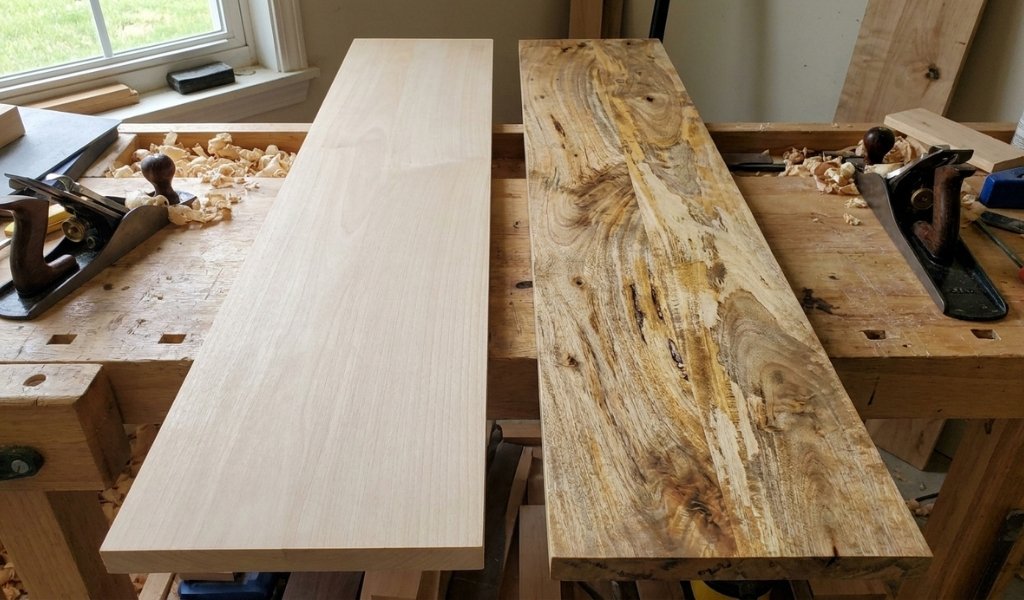
Choosing between mango wood and rubberwood often comes down to a simple question: do you want bold, figured grain or a smooth, uniform surface built for everyday use? Both are sustainably sourced hardwoods that have become staples in the furniture industry, prized as eco-friendly alternatives to slower-growing timbers like teak, oak, or rosewood. If you’ve already compared acacia wood vs. rubberwood, you’ll recognize a similar theme here: one wood leans toward rustic character, the other toward practical consistency.
This guide breaks down the real differences between mango wood and rubberwood, so you can decide which one fits your next furniture project. We’ll cover origins, hardness, appearance, sustainability, best use cases, and the practical downsides that furniture makers and buyers don’t always mention upfront. For a broader look at how these two stack up against other timber options, check out our full wood types guide before making a final decision.
Before comparing performance metrics, it helps to understand what each wood actually is and where it comes from. Mango wood and rubberwood share a common thread: both are byproducts of trees originally grown for something other than lumber. That shared origin story is a big part of why both materials have earned a reputation as sustainably sourced hardwood options in the furniture industry.
Rubberwood comes from the Hevea brasiliensis tree, the same species tapped for commercial latex production. Once a rubber tree stops producing usable latex, typically after 25 to 30 years, the timber is harvested and repurposed rather than discarded. This makes rubberwood one of the more genuinely sustainable hardwoods in the furniture industry, since it uses timber that would otherwise go to waste.
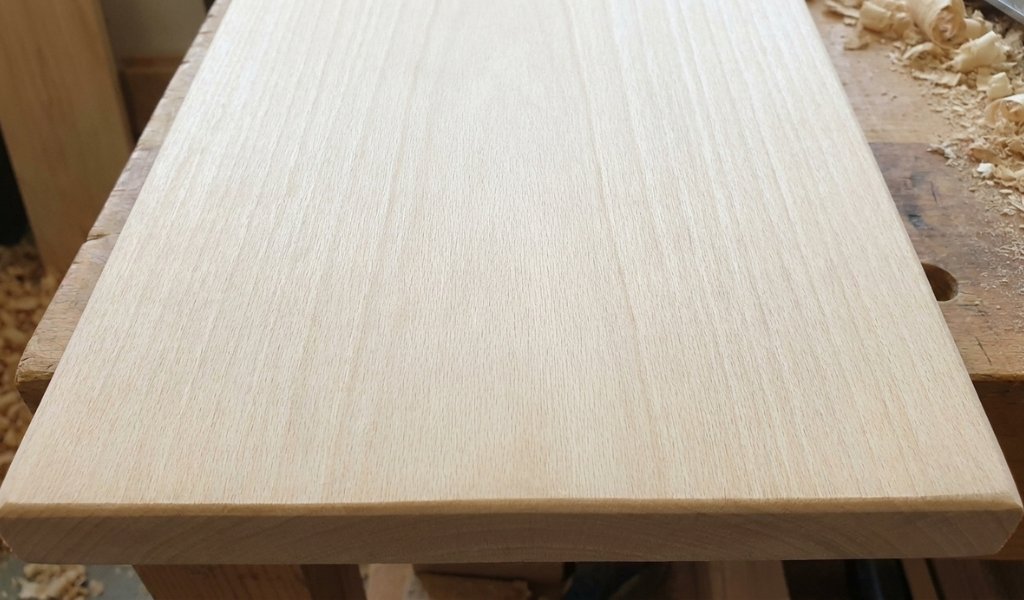
In terms of properties, rubberwood is a light-to-medium density hardwood with a pale cream to light tan color and a fine, straight, uniform grain. It’s dimensionally stable once kiln-dried, resists warping under normal indoor conditions, and takes stain or lacquer evenly thanks to its consistent texture. Furniture makers frequently use rubberwood for cabinets, table legs, dining tables, and other indoor furniture where a clean, uniform finish matters more than dramatic grain character.
Mango wood is harvested from the mango tree (Mangifera indica) after it stops producing viable fruit, usually somewhere between 15 and 20 years of age. Rather than burning or removing these trees, furniture makers in India, Thailand, and Southeast Asia repurpose the wood, giving solid mango a second life as furniture-grade timber. This is why mango wood is often marketed as sustainably sourced and closely tied to responsible harvest practices.
What sets mango wood apart visually is its interlocked grain and natural color variation, ranging from golden blonde to deep brown, sometimes within the same slab. No two mango wood furniture pieces look quite alike, which is part of the appeal for buyers who want a one-of-a-kind, rustic look. Indian furniture makers, in particular, have built an entire industry around solid mango’s figured grain and rich tonal range.
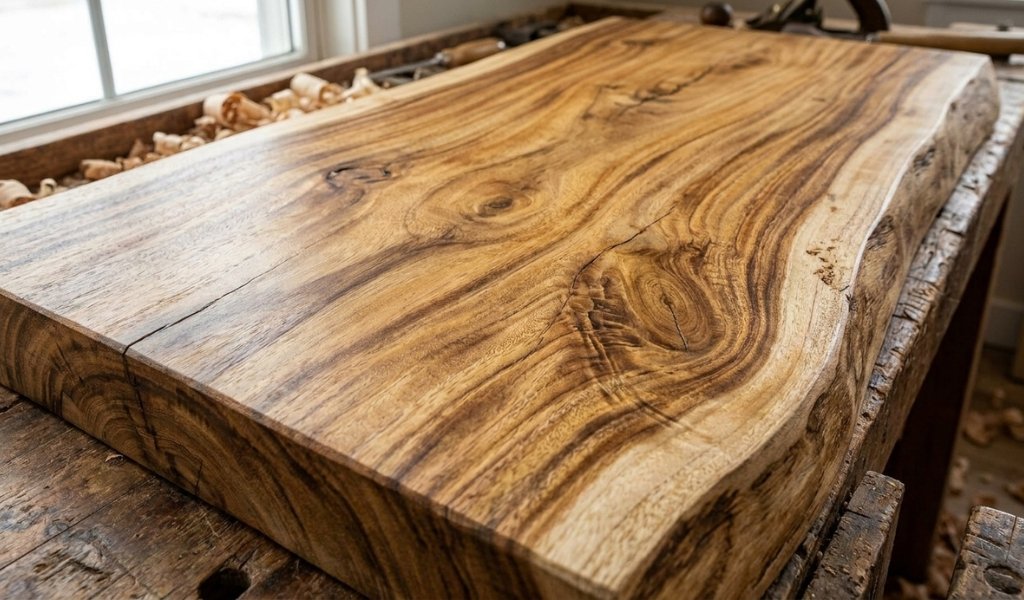
The Janka hardness scale measures a wood’s resistance to denting and wear, and it’s one of the clearest ways to compare rubberwood vs. mango wood on durability.
Rubberwood typically scores between 980 and 1,000 lbf on the Janka hardness scale, placing it firmly in the light-to-medium hardwood category. It’s harder than most softwood but noticeably softer than teak, oak, or acacia. Mango wood generally scores a bit higher, ranging from roughly 1,070 to 1,220 lbf depending on the specific harvest and growing conditions, giving it a modest edge in day-to-day durability.
In practice, both woods can dent under heavy impact or sharp objects, and neither is as dense as teak or sheesham wood. But for everyday furniture that isn’t subjected to constant mechanical stress, both mango wood and rubberwood hold up reasonably well.
This is where mango wood and rubberwood diverge most sharply. Mango wood’s interlocked grain and natural color variation make it a favorite for hand-carved pieces, live-edge dining tables, and rustic-style furniture where the wood itself is the design statement. Its tonal range means every solid mango slab tells a slightly different story, which furniture makers lean into rather than try to hide.
Rubberwood, by contrast, has a light, uniform grain with minimal color variation. That consistency makes it an ideal candidate for paint, veneer, or an even stain application, since the surface takes finishes predictably without unexpected grain patterns showing through. If you want furniture that matches a specific color scheme exactly, rubberwood’s uniformity is a real advantage. If you want furniture with visible natural character, mango wood wins.
Both woods score well on sustainability, but for slightly different reasons. Rubberwood is harvested only after a rubber tree’s latex production declines, meaning the timber is essentially a byproduct rather than the primary reason the tree was planted. This makes rubberwood furniture a low-waste choice within the broader timber industry.
Mango wood follows a similar logic: mango trees are grown primarily for fruit, and only repurposed for timber once they stop bearing fruit reliably. Using mango wood for furniture prevents these trees from being cut down and wasted, and it reduces pressure on old-growth hardwoods like rosewood or teak. Neither wood contributes meaningfully to deforestation when sourced from managed plantations, which is a key reason both have grown in popularity among furniture makers focused on sustainably sourced materials.
Rubberwood makes the most sense when you want solid wood furniture with a clean, consistent look and a manageable price tag. Its uniform grain and light color make it a strong choice for:
Because rubberwood is easy to cut, sand, and finish, it’s also a favorite in the furniture industry for high-volume production where workability directly affects cost.
Mango wood shines in applications where the wood’s natural character is the point, not something to disguise. Consider solid mango for:
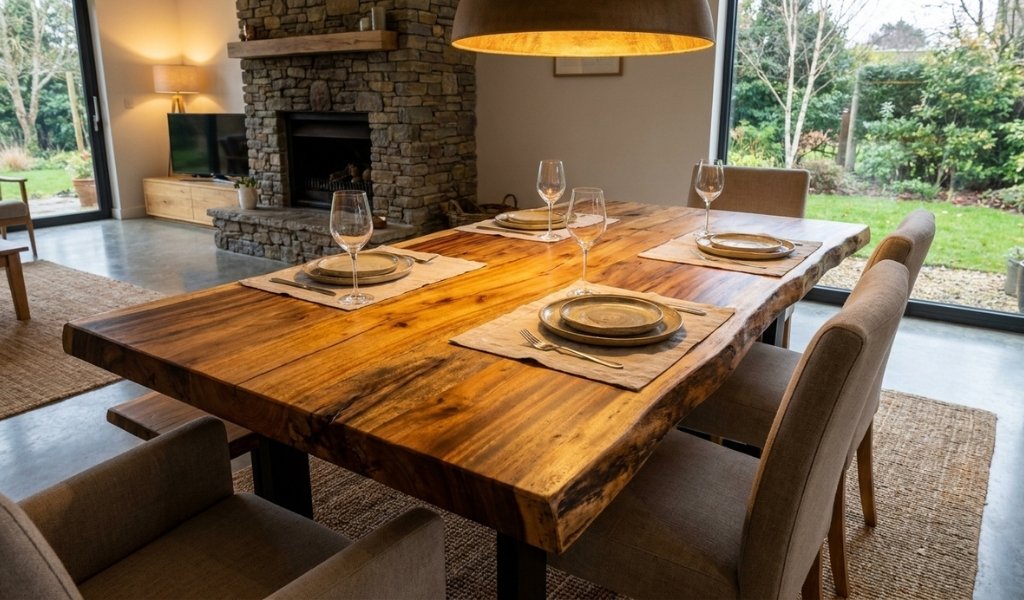
Mango wood furniture tends to work best indoors, away from direct sunlight, which can cause fading and uneven color shifts over time given the wood’s natural tonal variation.
Rubberwood’s biggest limitation is its poor natural resistance to moisture and fungal attack. Without proper sealing, rubberwood furniture absorbs water readily, which can lead to warping, swelling, or fungal and insect attack over time. This makes rubberwood strictly an indoor material; it’s not suited for outdoor furniture or humid, uncovered spaces.
Its lower Janka hardness score also means rubberwood furniture is more prone to dents and surface scratches than harder woods like teak or acacia. Most commercial rubberwood furniture undergoes kiln-drying and chemical treatment to reduce these vulnerabilities before reaching consumers, but buyers should still avoid placing rubberwood pieces near sources of moisture or on floors prone to dampness.
Mango wood isn’t without its own trade-offs. Its interlocked grain, while visually appealing, can make the wood more challenging to machine, requiring sharp cutting tools to avoid tear-out during production. Mango wood furniture is also somewhat susceptible to fungal and insect attack if not properly treated and sealed, particularly in humid climates.
Color consistency can be a concern too. Because solid mango naturally varies in tone from piece to piece, buyers looking for a perfectly matched furniture set may find mango wood’s variability frustrating rather than charming. Direct sunlight exposure over time can also cause noticeable fading, so mango wood furniture is best kept away from windows or used with UV-protective finishes.
Mango wood’s main downsides include its interlocked grain, which makes it harder to machine without tear-out, and its vulnerability to fungal and insect attack if left untreated. It’s also prone to color fading with prolonged direct sunlight exposure, and natural color variation between pieces can make matching furniture sets more difficult.
Rubberwood’s primary disadvantages are its lower Janka hardness rating, which makes it more prone to dents and scratches, and its poor natural resistance to moisture. Without sealing, rubberwood is vulnerable to fungal attack and warping, making it unsuitable for outdoor furniture or humid environments.
Yes, rubberwood furniture is generally good quality for indoor use, especially when kiln-dried and properly treated. It’s dimensionally stable, takes finishes evenly, and holds up well under normal household conditions. It’s not as durable as harder woods like teak or acacia, but it’s more than adequate for everyday furniture.
Mango wood is relatively inexpensive because it’s a byproduct of fruit farming rather than timber grown specifically for furniture use. Since mango trees are repurposed only after they stop producing fruit, the raw material cost is lower than that of hardwoods grown exclusively for lumber, keeping mango wood furniture affordable.
Beyond fading and machining challenges, mango wood can be susceptible to fungal decay without proper sealing, and its natural grain variation means finished pieces won’t have the uniform look of engineered wood or veneer. It also requires more careful finishing than rubberwood to achieve an even stain across a single piece.
Rubberwood and mango wood both deliver genuine value as sustainably sourced hardwoods, but they serve different priorities. Choose rubberwood if you want a uniform, paintable surface for cabinets, dining tables, or mass-produced indoor furniture on a budget. Choose mango wood if you want figured grain, natural color variation, and furniture with genuine character, like hand-carved accent pieces or rustic dining tables.
Whichever you choose, proper care matters. Keep both woods away from prolonged moisture and direct sunlight, and make sure any indoor furniture is properly sealed to guard against fungal or insect attack. For a deeper dive into how these two compare against other popular options like teak, acacia, and sheesham wood, browse our complete wood types guide to find the best material for your next project.