Physical Address
304 North Cardinal St.
Dorchester Center, MA 02124
Physical Address
304 North Cardinal St.
Dorchester Center, MA 02124

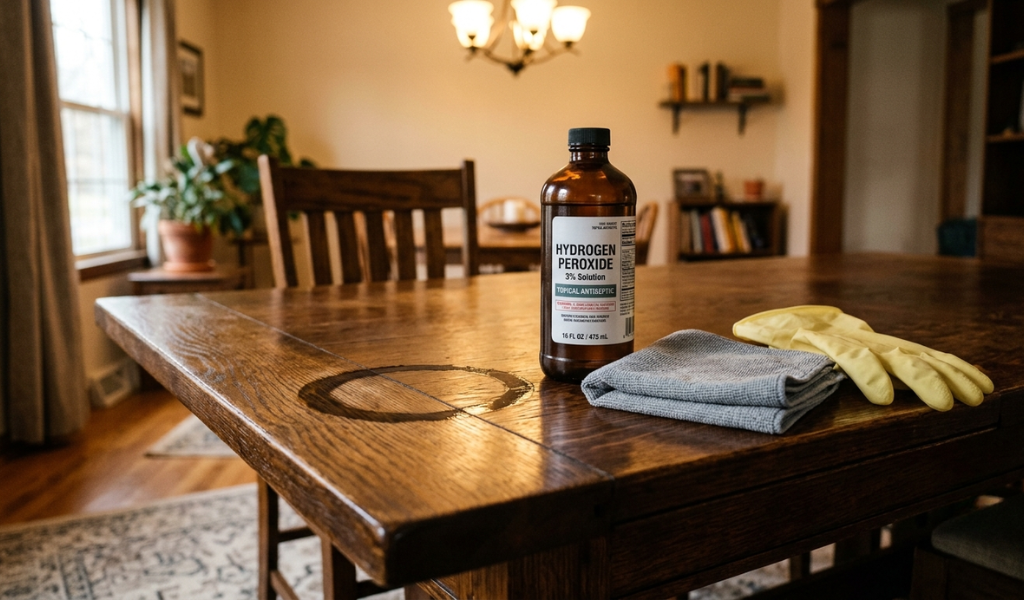
Wood is one of the most beautiful materials you can have in your home. But dark water stains? They can make even the nicest furniture or floor look neglected. If you’ve ever looked down at your hardwood floor or dining table and spotted a dark, stubborn ring that just won’t budge, you’re not alone.
Learning how to remove dark water stains from wood is something most homeowners will eventually need to do. The good news is that most dark stains can be treated at home without professional help. The key is knowing what kind of stain you’re dealing with, what caused it, and which removal method gives you the best shot at restoring your wood to its original condition.
This guide walks you through everything: what causes dark stains, the difference between white and dark stains, the best removal methods for both finished and unfinished wood, and how to protect your wood so it doesn’t happen again.
Not all water stains are the same, and telling them apart matters a lot before you start treating them.
White stains are the lighter marks you’ll often see left behind by hot coffee mugs, cold glasses, or steam. They form when moisture gets trapped inside the wood’s finish, not the wood itself. Because they haven’t penetrated past the surface layer, white stains are relatively easy to remove.
Dark stains are a different story. These marks show up when water has broken through the finish and soaked directly into the wood fibers. They often look brown, gray, or black. Black stains from iron reacting with tannins in the wood are especially stubborn and can be difficult to fully remove without the right approach.
The color of the stain tells you how deep the damage is. The darker it is, the further the water has gone, and the more effort it’ll take to fix.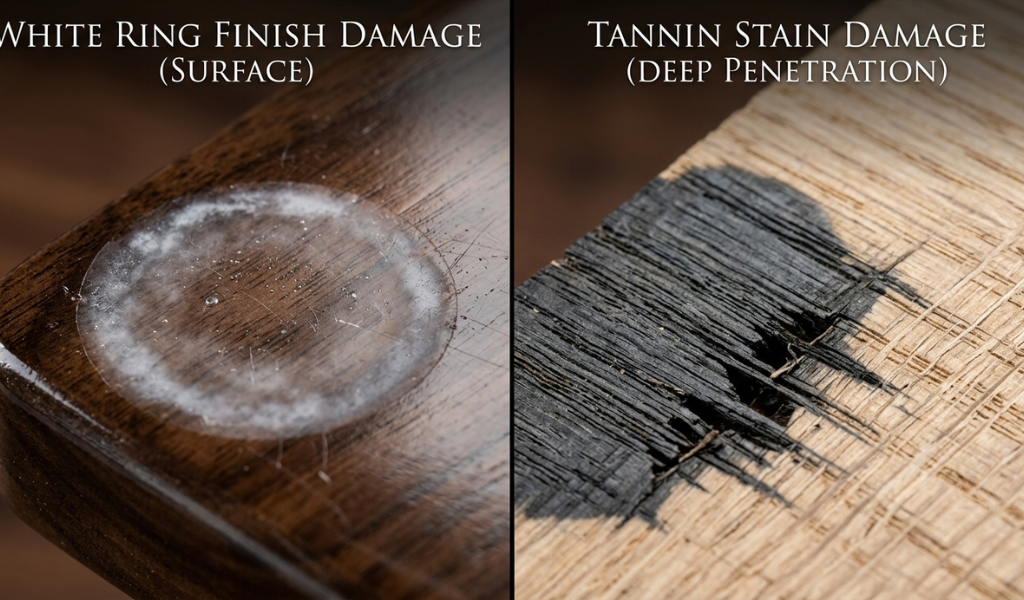
There are several common reasons dark water stains appear on wood. Here’s a breakdown of the most frequent culprits:
Pet accidents. Urine and vomit from pets are two of the top causes of dark stains on wood floors. Pet urine contains ammonia, which is highly reactive with wood. If it soaks in before you clean it up, you’ll often end up with a stubborn dark ring. Vomit is also acidic, which adds another layer of damage.
Water spills and leaks. Everyday spills, roof leaks, condensation from pipes, and even steam from a kettle can work their way through the finish and into the wood. This is one of the most common reasons wood develops dark stains over time.
Bloodstains. Blood has a high water content and also contains iron, which reacts with the tannins in wood and can leave behind a lasting dark mark.
Spilled ink. Ink behaves like water but leaves behind far darker stains because of its pigmentation. It spreads quickly and clings to wood fibers, making it one of the harder stains to lift.
Beyond direct spills and accidents, dark stains can also develop gradually through neglect and improper cleaning habits.
Poor maintenance. Dust and grime accumulate over time. When left unchecked, they can break down the protective finish on wood, creating tiny openings for moisture to get through. Regular cleaning and polishing isn’t just about aesthetics — it’s about protection.
Steam mops. Steam is just water in gas form, and it can damage wood finishes just as easily as liquid spills. Using a steam mop on wooden flooring without taking proper precautions is a common way people accidentally cause dark staining.
Using the wrong cleaning products. General household cleaners aren’t designed for wood. They can strip finishes and leave surfaces more vulnerable to moisture. Always use products that are specifically made for wood surfaces.
It’s tempting to put off dealing with a stain, especially if it’s in a corner or under a rug. But ignoring dark stains on wood is a mistake.
Dark stains are a sign that water has already reached the wood itself. That moisture causes the wood fibers to swell. Over time, swollen fibers weaken the structure of the wood, leading to warping, cracking, or even rot. What starts as an eyesore can become a serious structural problem if left untreated long enough.
Addressing stains early gives you the best chance of a clean fix. The longer you wait, the harder the job gets.
Quality hardwood, when well cared for, can last for decades. A treated hardwood floor can last 10 years at a minimum, but with regular maintenance that lifespan can easily double or more.
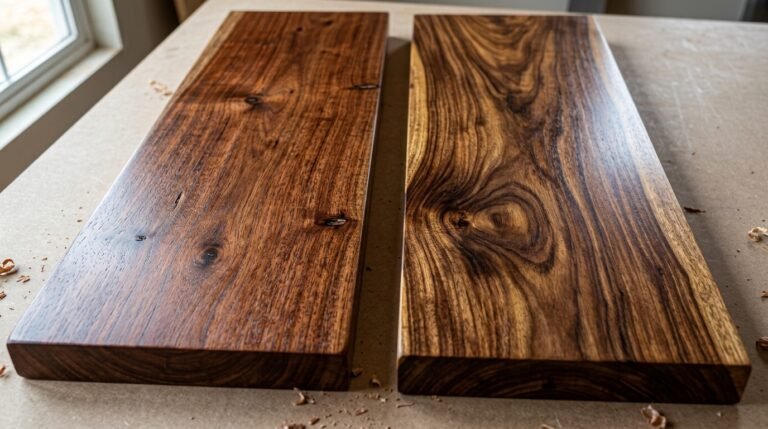
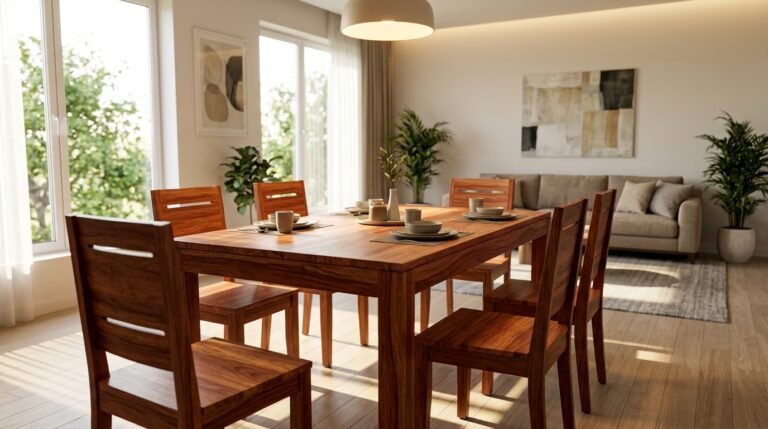
Furniture made from Acacia wood can last over 40 years with proper care. Burmese Teak is famous for outlasting its owner, even without a protective finish. As a general benchmark, good hardwood with consistent maintenance should serve you well for 15 to 20 years at least.
Stains, if ignored, can cut that lifespan significantly. That’s reason enough to deal with them quickly.
When it comes to the best ways to remove dark stains from wood, your three go-to methods are hydrogen peroxide, oxalic acid, and spot sanding. Each works differently, so the right choice depends on the severity and age of the stain.
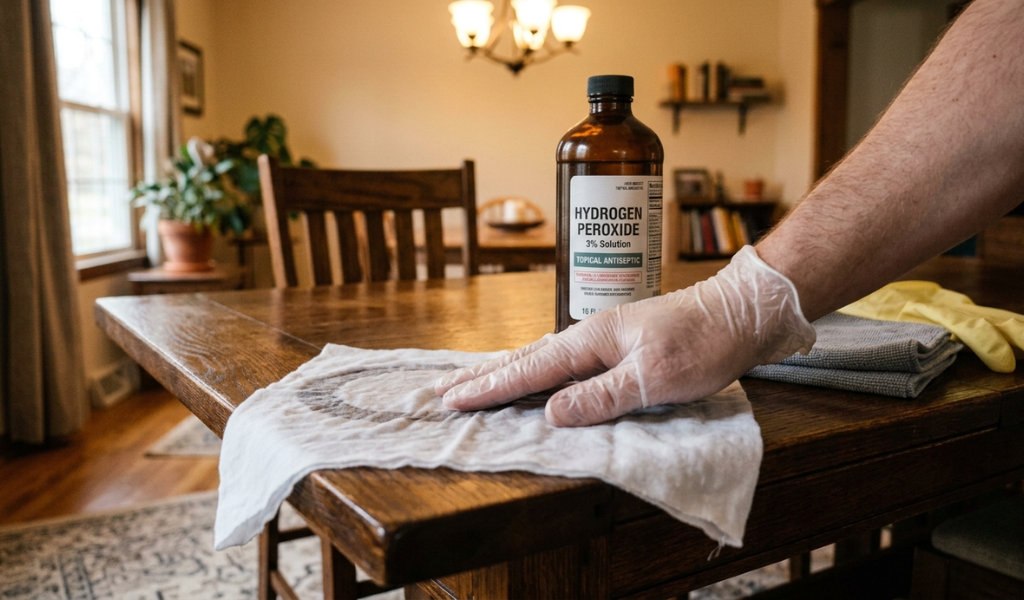
Hydrogen peroxide is one of the most effective and accessible ways to remove dark water stains from wood floors and furniture. It works by bleaching the stained fibers from within.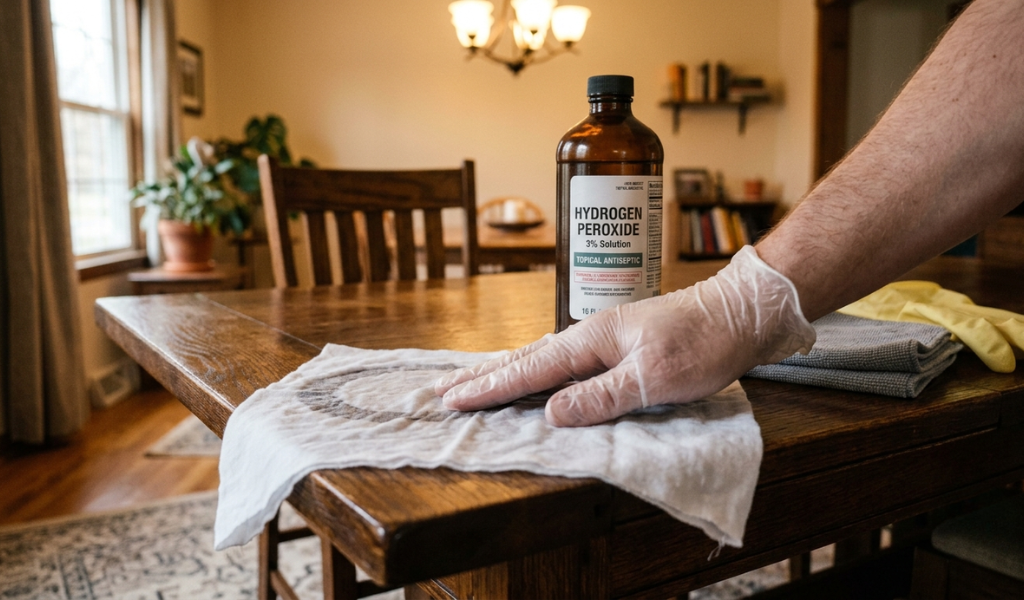
Here’s how to do it , soak a clean cloth in 3% hydrogen peroxide (available at most pharmacies).Press the cloth firmly over the stained area and rub gently to work the peroxide into the wood. Leave the cloth sitting on the stain for 6 to 8 hours. Remove the cloth and wipe up any leftover peroxide with a dry cloth. Wipe the area clean with a damp sponge. If the stain is still visible, repeat the process.
This method works best on fresh-to-medium-aged stains. For very old and dark stubborn stains, you may need something stronger.
Oxalic acid, found in many commercial wood bleaches, is particularly effective for removing black stains caused by iron reactions in the wood. This is a stronger option, so take precautions.
Purchase a wood bleach product that contains oxalic acid. If it comes in powder form, dissolve it first. Put on protective gloves and eye protection before handling. Dilute the solution according to the product’s instructions using warm water.
Use a clean toothbrush to scrub the solution into the stain using a circular motion. Be careful to keep it on the stained area only. Leave the bleach to sit for several hours. Wipe the area with a wet sponge to remove any residue. Repeat if the stain hasn’t fully lifted.
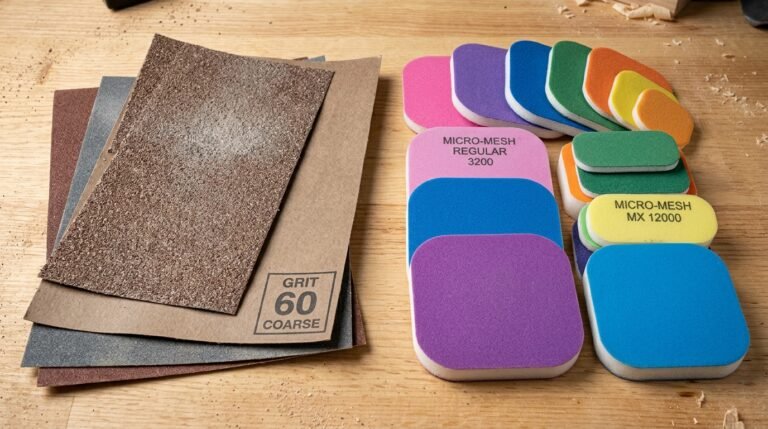
When chemical methods don’t fully remove the dark stain, spot sanding is a reliable fallback. This involves using wood sanding tools to physically remove the stained layer.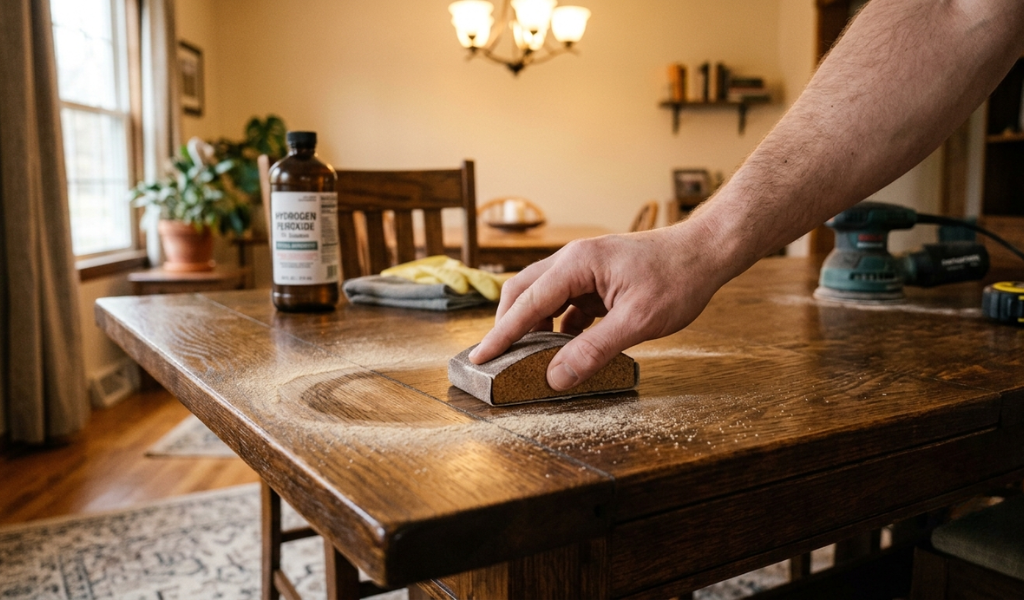
Start with 100-grit sandpaper to remove just the finish from the stained area. Switch to 150-grit sandpaper and sand along the grain of the wood to work through the dark stain. Wipe the area clean of all sawdust with a dry cloth.
Fill any uneven spots with wood putty and let it dry completely. Sand the area smooth once more, then reapply the finish. If the repaired area looks discolored, apply a matching wood stain before reapplying the finish.
For very small and light surface stains, a hairdryer on the lowest setting can sometimes do the trick. Move it constantly and follow up by buffing with a dry cloth.
Old and dark stubborn stains require a bit more patience and a different set of tools. Here are the best approaches for stains that have been sitting for a long time:
Commercial watermark removers are acid-based products made specifically to lift water stains from wood without harming the surrounding finish. They’re simple to apply: pour or spray onto the stain and wipe with a cloth. These products are a solid first stop for stains that haven’t responded to basic cleaning.
White vinegar’s acidity makes it an effective stain remover. For dark stains, use a diluted solution and apply it carefully to the affected area. Allow it to slowly absorb into the wood, then wipe the area completely dry with a clean cloth. Be careful not to over-saturate, as too much vinegar can damage solid wood.
Commercial wood bleach can be applied to specific stained spots or used over the entire surface for a more uniform result. Use a soft sponge to spread it evenly and keep the surface moist as you work. Rinse thoroughly when done.
Mineral spirits are particularly useful for persistent stains because they’re gentle enough not to damage the finish. Dampen a rag with mineral spirits and wipe gently around the stained area. The surface may darken temporarily, but it will return to its original color once the spirits evaporate. If light discoloration remains, apply mineral spirits across the whole surface and finish with a fresh coat of wax.
If nothing else works, sanding the entire surface may be your only option. This is time-consuming but effective. Use 80 to 150-grit sandpaper to strip the finish, then move to a higher grit to bare the wood down evenly. A palm sander will speed things up, and a finishing sander helps you work with the grain for a clean result. Always refinish the wood after sanding.
For finished wood, the priority is lifting the stain without stripping or damaging the protective coat. Hydrogen peroxide, commercial watermark removers, and mineral spirits are your safest bets. These solutions can penetrate through small gaps in the finish to reach the stain below, without requiring you to sand or strip the entire surface first.
Unfinished wood is easier to work with because you don’t have to worry about protecting a finish. You can apply bleach directly to the stain or use white vinegar to work out watermarks. Since the wood is exposed, these solutions can reach the stain more effectively and with less risk of collateral damage.
Prevention is far easier than repair. Once you’ve removed a stain, take steps to make sure it doesn’t happen again.
Applying a water-based polyurethane coat is one of the most effective ways to protect wood from future staining. For surfaces exposed to heavy moisture, consider a marine-grade polyurethane for maximum protection. This kind of finish creates a barrier that resists water, dust, and everyday wear.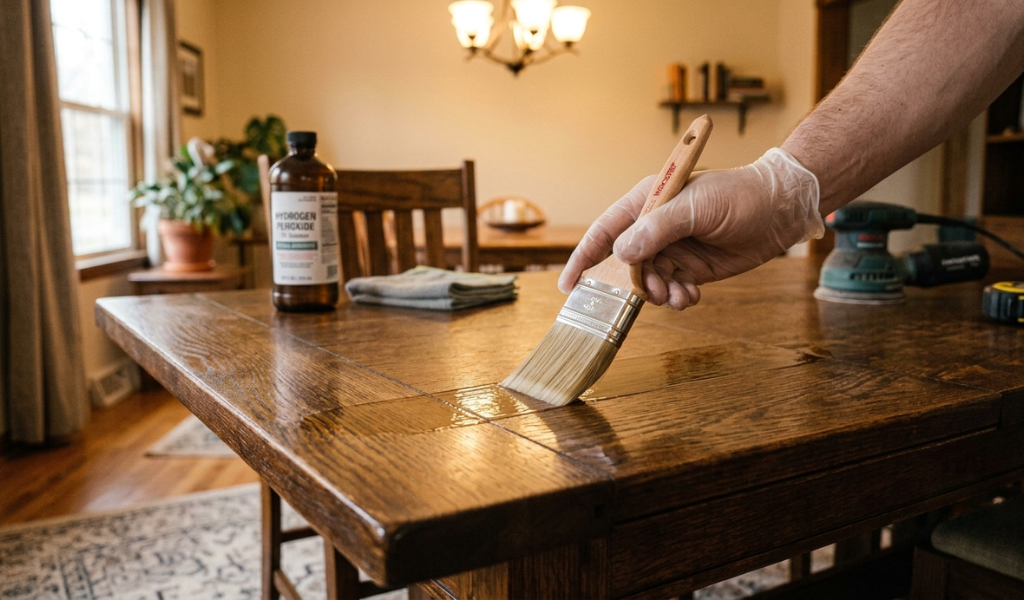
Beyond the finish, keep up with regular cleaning and polishing. Use coasters under glasses, placemats under dishes, and felt pads under any items that sit directly on wood surfaces. These small habits make a big difference over time.
If the piece is decorative and not used daily, two coats of wax and storage in a dry location away from moisture is usually enough. For unfinished wood that gets regular use, applying a proper finish is strongly recommended. Wax alone won’t hold up against frequent exposure to liquids.
Do:
Don’t:
Dark water stains on wood are frustrating, but they’re rarely a lost cause. Whether you’re dealing with a fresh spill or an old and dark stubborn stain that’s been there for years, there’s a method that can help. Start with the gentler options like hydrogen peroxide or mineral spirits, and work your way up to oxalic acid or sanding if needed.
Most importantly, act quickly when stains appear, and put proper protection in place once the wood is restored. A little maintenance now saves a lot of work later.
If you found this guide helpful, bookmark it for future reference and share it with anyone tackling a wood restoration project at home.
What causes dark water stains on wood?
Dark water stains form when water penetrates through the wood’s finish and soaks directly into the wood fibers. Common causes include pet accidents, liquid spills, leaks, condensation, and steam exposure. The reaction between water and the natural tannins in wood, or with iron-based substances, is what produces the dark discoloration.
Can dark water stains be removed completely?
In most cases, yes. Fresh stains respond well to hydrogen peroxide or oxalic acid. Older and more stubborn stains may require bleaching or sanding. The outcome depends on how deep the stain has penetrated and how long it has been left untreated.
What is the difference between white stains and dark stains on wood?
White stains sit within the wood’s finish and are caused by surface moisture, such as heat or condensation from glasses. Dark stains mean water has gone through the finish and into the wood itself. Dark stains require more intensive treatment to remove.
Is it safe to use hydrogen peroxide on wood?
Yes, 3% hydrogen peroxide is generally safe to use on wood for stain removal. It works by bleaching the stained fibers without causing significant damage to the surrounding wood or finish when used correctly. Always test on a small, hidden area first.
When should I use wood sanding tools to remove a dark stain?
Sanding should always be your last resort. Try hydrogen peroxide, oxalic acid, mineral spirits, vinegar, or commercial watermark removers first. If none of these methods remove the stain, then spot sanding or full surface sanding becomes the appropriate next step.
How do I protect wood from dark stains in the future?
Applying a water-based or marine-grade polyurethane finish offers strong protection against moisture. Use coasters, placemats, and felt pads on surfaces that come into regular contact with liquids. Regular cleaning and polishing also help maintain the finish and prevent moisture from breaking through.
Does the type of wood affect how easy a stain is to remove?
Yes. Denser hardwoods like teak or acacia are more resistant to staining, while softer or more porous woods absorb moisture faster and stain more easily. Unfinished wood of any species is more vulnerable to dark staining because there’s no protective layer to slow water penetration.