Physical Address
304 North Cardinal St.
Dorchester Center, MA 02124
Physical Address
304 North Cardinal St.
Dorchester Center, MA 02124

If you’ve ever browsed furniture stores or browsed cutting boards online, chances are you’ve come across acacia wood. It shows up on dining tables, butcher blocks, outdoor furniture, and hardwood floors. But what exactly is it, and why does everyone seem to love it so much?
Acacia wood is one of the most versatile and durable hardwoods available today. Its rich brown tones, striking grain pattern, and impressive durability make it a popular choice for both functional and decorative products. Whether you’re a homeowner looking for solid wood furniture or a woodworker hunting for a reliable material, it delivers on almost every front.
In this guide, we’ll walk you through everything you need to know about acacia wood, from its origin and characteristics to its uses, pros, cons, and how it compares to teak and oak. By the end, you’ll know exactly whether this is the right wood for your next project or purchase.
Acacia wood comes from the acacia tree, a flowering plant that belongs to the genus Acacia within the family Fabaceae. There are over 1,000 known species, making it one of the largest genera of trees and shrubs in the world. The wood harvested from these trees is prized for its density, natural beauty, and longevity.
What sets acacia apart from many other hardwoods is its combination of appearance and durability. The wood tends to display warm honey tones, golden hues, and deep rich brown shades, often within the same plank. That variation in color, paired with a wavy or interlocking grain pattern, gives furniture and products a distinct, eye-catching look.
The acacia tree has been around for millions of years. It’s one of the oldest known wood sources used by humans, with references dating back to ancient Egypt, where it was used to build furniture and boats. This wood is even mentioned in the Bible, where it was reportedly used to construct the Ark of the Covenant and the Tabernacle.
Botanically speaking, acacia is a hardwood. It’s denser than many popular hardwoods, including walnut and some species of oak, which contributes to its impressive durability and resistance to wear and tear.
Not all acacia species produce wood suitable for commercial use. The most commonly harvested varieties include:
Acacia melanoxylon (Blackwood Acacia): Native to Australia, this species produces a rich, dark wood with a tight grain structure. It’s a favorite among woodworkers for fine furniture and flooring.
Acacia koa: Found primarily in Hawaii, koa is considered a premium wood. Its golden hues and striking grain make it a highly sought-after material for guitars, cabinets, and decorative pieces.
Acacia confusa: Common in parts of Asia, this species is frequently used for crafting acacia wood products like cutting boards and small furniture items.
Acacia mangium: Widely planted across Southeast Asia, this fast-growing species is a popular source for affordable acacia wood furniture sold in modern homes around the world.
Acacia trees grow naturally across Africa, Australia, Asia, and parts of the Americas. Australia is home to the highest number of native acacia species, while Africa’s trees are often associated with the iconic savanna landscapes.
In commercial terms, a large portion of acacia wood sold globally comes from Southeast Asia, particularly from countries like Thailand, Vietnam, and Indonesia. The climate in these regions supports the rapid growth of acacia species, which makes large-scale harvesting economically practical.
One reason acacia has become a popular choice for eco-conscious buyers is its fast-growing nature. Many species can reach harvestable size in just 5 to 7 years, compared to slower-growing hardwoods like teak or mahogany, which can take decades.
Responsible producers follow Forest Stewardship Council (FSC) certification standards to ensure sustainable harvesting. These practices include replanting harvested trees, protecting surrounding ecosystems, and reducing the carbon footprint of production. Acacia’s role in carbon sequestration also adds to its environmental value, as the trees absorb carbon dioxide during their rapid growth cycle.
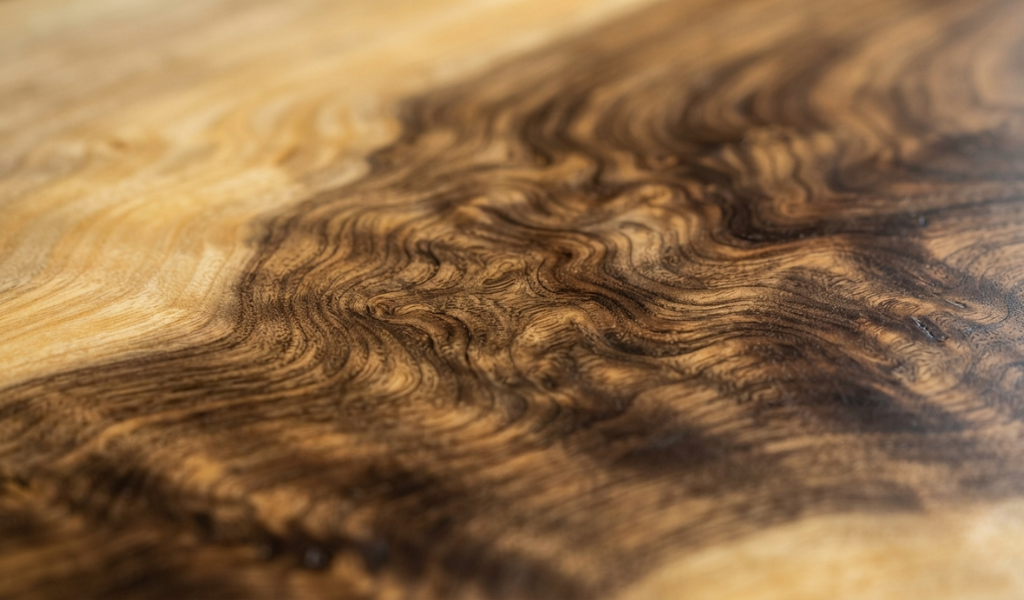
One of the most appealing features of acacia wood is its visual variety. No two pieces look exactly the same. The wood can range from pale golden tones to deep, rich brown, sometimes displaying multiple shades within a single board. This natural variation is largely due to the distinct growth patterns of different species.
Acacia’s grain pattern is another standout feature. The grain is often wavy or interlocking, which not only creates a visually dynamic surface but also adds structural strength. This interlocking grain makes solid acacia less prone to splitting than straight-grained woods.
Acacia ranks high on the Janka hardness scale, which measures how much force is needed to embed a steel ball into a piece of wood. Most species score between 1,700 and 2,300 lbf (pounds-force), placing them well above oak (1,290 lbf) and even teak (1,070 lbf) in terms of hardness.
This makes acacia an incredibly dense wood with excellent resistance to scratches, dents, and general wear and tear. For high-use surfaces like cutting boards, countertops, and flooring, that durability is a significant advantage.
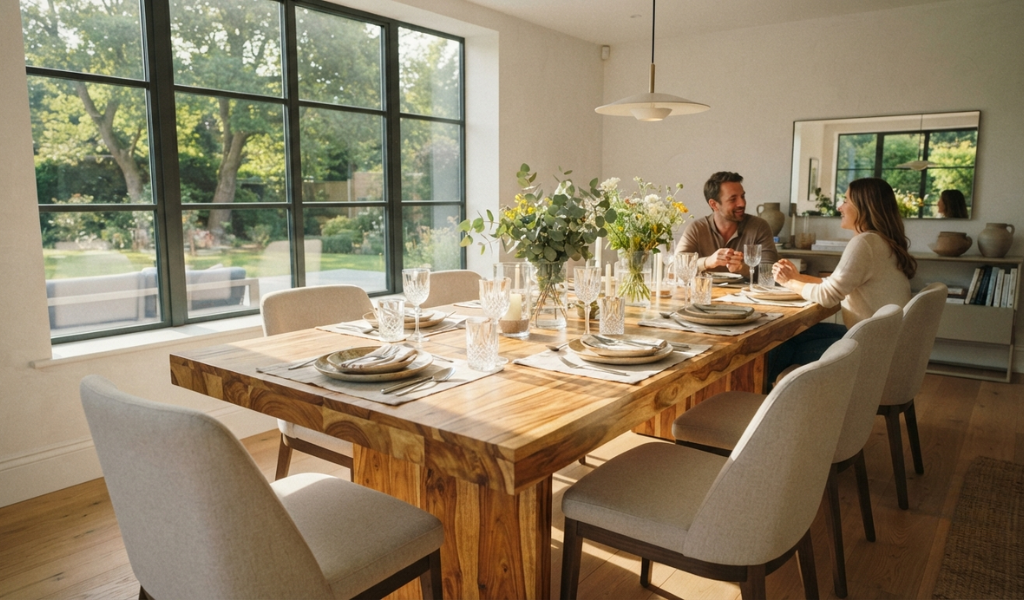
Acacia wood furniture has become a staple in modern homes, and it’s easy to see why. From wooden dining tables to wood coffee tables, extendable dining tables, and bedroom sets, it offers a combination of strength and visual warmth that suits both rustic and contemporary interiors.
Solid acacia dining tables are particularly popular. They hold up well under heavy-duty daily use and age gracefully over time. An extendable dining table made from acacia wood, for example, combines practicality with a natural aesthetic that fits a wide range of home styles.
Acacia hardwood flooring is another common application. Its density and resistance to scratches make it a practical choice for high-traffic areas. The variation in color and grain also means acacia floors tend to hide small scuffs and marks better than more uniform woods.
In the kitchen, acacia wood products shine , cutting boards and butcher block surfaces are among the most popular on the market. The wood’s tight grain structure means it’s less likely to absorb bacteria or moisture than softer woods, and its hardness allows it to withstand years of chopping, slicing, and everyday use.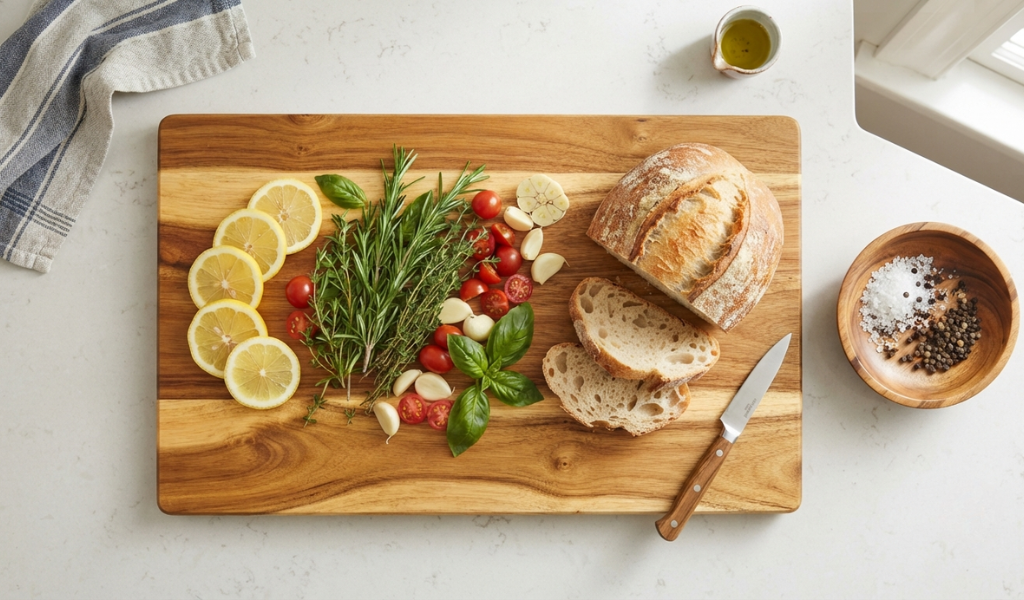
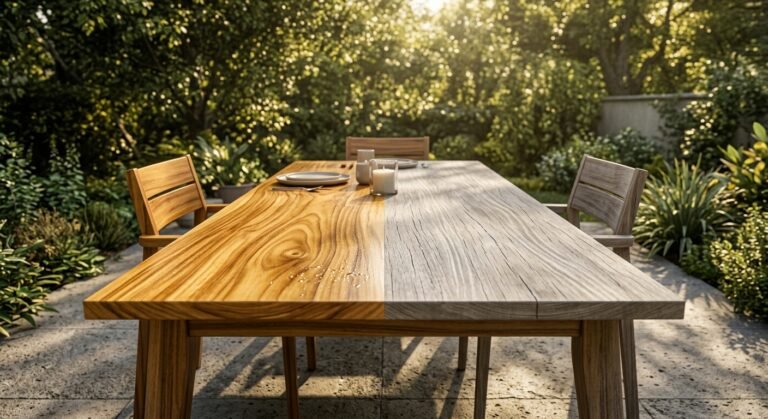
For outdoor spaces, acacia wood is a reliable option. Outdoor furniture made from this holds up well against the elements, particularly when properly maintained.
There are several compelling reasons why this is such a popular choice across furniture, flooring, and kitchen products:
Impressive durability: Acacia is incredibly dense and hard, making it highly resistant to scratches, dents, and prolonged exposure to daily use.
Natural beauty: The unique grain, honey tones, and rich brown hues give acacia a natural elegance that few other hardwoods can match.
Water resistance: Acacia has a natural resistance to moisture, which makes it suitable for kitchen use and outdoor applications.
Eco-friendly: As a fast-growing species, acacia is a more sustainable option compared to slower-growing hardwoods.
Versatility: From dining tables to cutting boards to outdoor seating, acacia adapts well to a wide range of uses.
Affordability: Compared to premium woods like teak or walnut, acacia offers similar durability and aesthetics at a lower price point.
No wood is without its drawbacks, and acacia is no exception:
Sensitivity to climate changes: Acacia can warp or crack when exposed to significant shifts in humidity or temperature. This is worth considering if you live in a region with extreme seasonal changes.
Inconsistent coloring: While many buyers love the natural variation in acacia’s color and grain, others find it harder to match multiple pieces of acacia furniture within the same space.
Requires regular maintenance: To preserve its water resistance and appearance, acacia wood needs periodic oiling, especially when used outdoors or as a cutting board.
Heavy: The density that gives acacia its durability also makes it quite heavy, which can be a consideration for furniture that needs to be moved frequently.
Both acacia and oak are popular hardwood choices for furniture and flooring, but they differ in a few key ways. Acacia is harder than most oak varieties, scoring higher on the Janka scale. Acacia’s grain pattern is generally more dramatic and visually varied, while oak tends to have a more uniform, predictable appearance.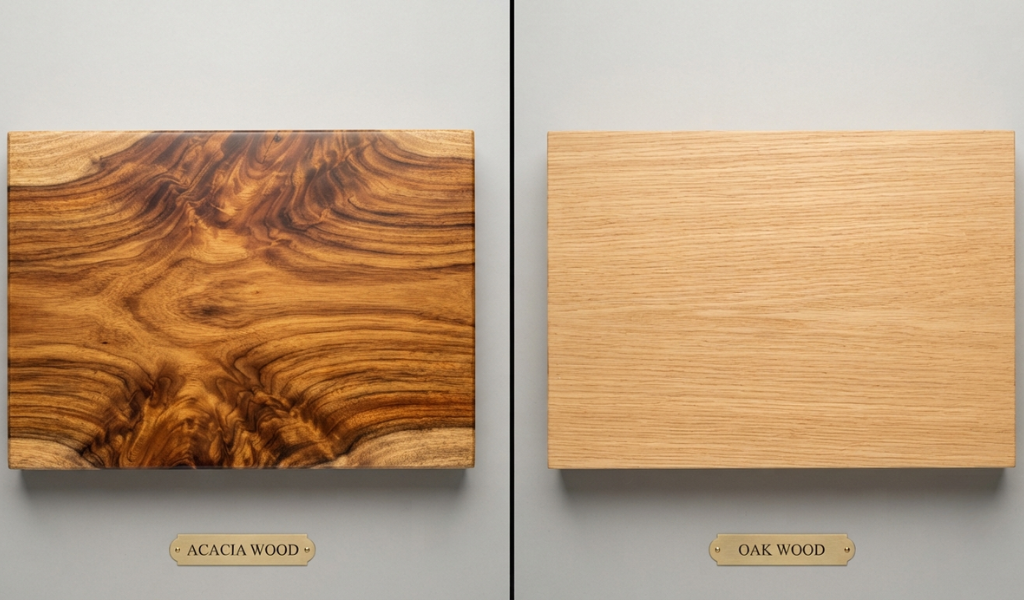
In terms of price, acacia is often more affordable than high-quality oak. However, oak has a longer track record in fine furniture making and may be easier to source locally in North America and Europe. Choose acacia if you prioritize hardness and visual character; choose oak if you prefer a more consistent, classic look.
Teak is widely considered the gold standard for outdoor furniture, thanks to its high natural oil content and resistance to moisture and decay. Acacia is a good alternative to teak, particularly for buyers working with a tighter budget. While acacia’s natural resistance to moisture is notable, teak performs slightly better with prolonged exposure to rain and direct sunlight without additional maintenance.
That said, the gap between acacia and teak narrows significantly when acacia is properly sealed and maintained. For indoor furniture and kitchenware, acacia often outperforms teak in hardness and scratch resistance.
Keeping acacia wood clean is straightforward. For everyday cleaning, wipe the surface with a damp cloth and mild soap, then dry it immediately. Avoid soaking acacia wood in water or leaving wet items on it for extended periods, as this can cause the wood to warp over time.
For acacia cutting boards and butcher block surfaces, rinse with warm water after each use and dry promptly. Avoid putting acacia wood products in the dishwasher, as the heat and prolonged moisture will damage the wood.
To keep acacia wood looking its best and to maintain its water resistance, apply a food-safe mineral oil or beeswax conditioner every one to three months. This is especially important for cutting boards, countertops, and outdoor furniture.
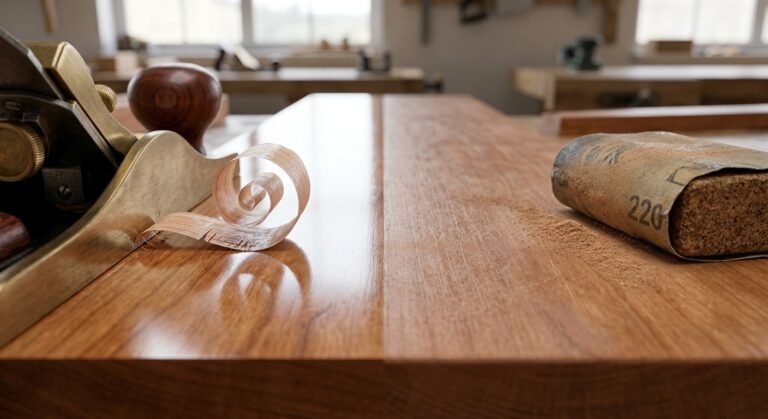
For outdoor acacia furniture, a teak oil or outdoor wood sealant works well and helps protect against UV damage and moisture. 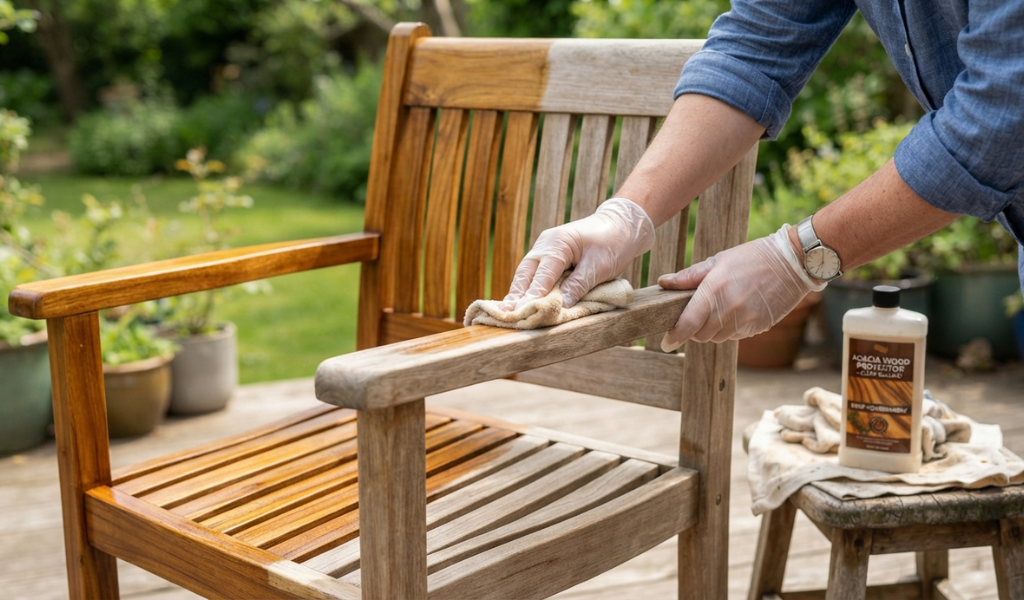 Sand the surface lightly with fine-grit sandpaper before applying the oil to open up the wood’s pores and allow better absorption.
Acacia wood’s natural resistance to moisture and decay makes it a practical choice for outdoor furniture. Its density helps it resist warping under moderate weather conditions, and its natural oils provide a baseline level of protection against water infiltration.
That said, like all natural woods, acacia does benefit from additional protection in outdoor settings. Without proper sealing, prolonged exposure to rain, direct sunlight, and extreme temperatures can cause the wood to dry out, crack, or fade over time.
Acacia wood is well-suited for outdoor seating, dining tables, benches, and garden furniture. It performs best in covered outdoor spaces or areas where it’s protected from constant direct rainfall. With proper maintenance, outdoor furniture made of this wood can last for many years and maintain its appearance and durability throughout.
Acacia trees are among the fastest-growing trees used for commercial hardwood production. This rapid regeneration means that acacia can be harvested more frequently without depleting forests, making it a more eco-friendly choice than slow-growing alternatives.
Many acacia plantations are established on previously degraded land, which helps restore ecosystems while providing a source of sustainable timber. When sourced from FSC-certified suppliers, acacia wood comes with verified assurances of responsible forest stewardship and carbon sequestration practices.
From a sustainability standpoint, acacia’s durability is also worth noting. A well-maintained piece of acacia hardwood furniture can last for decades, reducing the need for frequent replacement. That longevity translates to less waste and a lower overall environmental footprint compared to lower-quality wood products that need replacing every few years.
Acacia’s natural water resistance reduces the need for heavy chemical treatments during production. Many acacia wood products require only minimal finishing, which lowers the amount of chemical sealants and lacquers that end up in the environment.
Acacia wood earns its popularity for good reason. The combination of beauty and strength, impressive durability, natural resistance to moisture, and relatively sustainable sourcing makes it one of the most well-rounded hardwoods available. Whether you’re shopping for a solid acacia dining table, a new butcher block cutting board, or outdoor furniture for your backyard, it is a choice that genuinely delivers.
If you’re comparing acacia to teak for outdoor use or to oak for flooring or furniture, acacia holds its own and often comes out ahead on hardness and price. The key is choosing quality products from responsible sources and committing to basic maintenance to keep the wood in good condition over the long term.
Ready to bring acacia wood into your home? Start by exploring certified acacia wood furniture and kitchenware from reputable suppliers, and look for FSC-certified products to ensure your purchase supports responsible harvesting practices.
Is acacia wood good quality?
Yes, acacia wood is considered high quality. It is an incredibly dense hardwood with a high Janka hardness rating, making it resistant to scratches, dents, and wear and tear. Its natural beauty and durability make it a popular choice for furniture, flooring, and kitchen products.
Is acacia wood better than oak?
Acacia is generally harder than most oak species, which gives it an edge in durability and scratch resistance. However, oak has a more consistent grain pattern and a longer history in fine furniture making. The better choice depends on your priorities: choose acacia for hardness and visual character, and oak for a classic, uniform look.
What does acacia wood look like?
Acacia wood typically displays warm honey tones, golden hues, and rich brown shades, often within the same piece. The grain pattern is frequently wavy or interlocking, giving it a dynamic, natural appearance. No two pieces of acacia look exactly the same, which adds to its visual appeal.
What is so special about acacia wood?
Acacia stands out for its rare combination of hardness, natural water resistance, striking grain patterns, and eco-friendly sourcing. It’s one of the few hardwoods that performs well across such a wide range of applications, from kitchen cutting boards to outdoor furniture, all while remaining more affordable than premium alternatives like teak or walnut.
What is acacia wood in the Bible?
In the Bible, acacia wood (referred to as “shittim wood” in the King James Version) was used to construct the Ark of the Covenant and parts of the Tabernacle. It was chosen for its strength and availability in the desert regions of the ancient Near East, reflecting its long-standing value as a durable and reliable material.
Is acacia a good choice for outdoor furniture?
Acacia is a good choice for outdoor furniture, particularly when properly maintained. Its natural resistance to moisture and decay makes it suitable for outdoor spaces. Regular oiling or sealing will extend its lifespan and protect it from prolonged exposure to rain and UV light.
How do I maintain an acacia wood cutting board?
To maintain an acacia cutting board, wash it by hand with warm water and mild soap after each use, then dry it immediately. Apply a food-safe mineral oil every one to three months to preserve the wood’s moisture resistance and prevent cracking. Avoid soaking the board in water or placing it in the dishwasher.