Physical Address
304 North Cardinal St.
Dorchester Center, MA 02124
Physical Address
304 North Cardinal St.
Dorchester Center, MA 02124

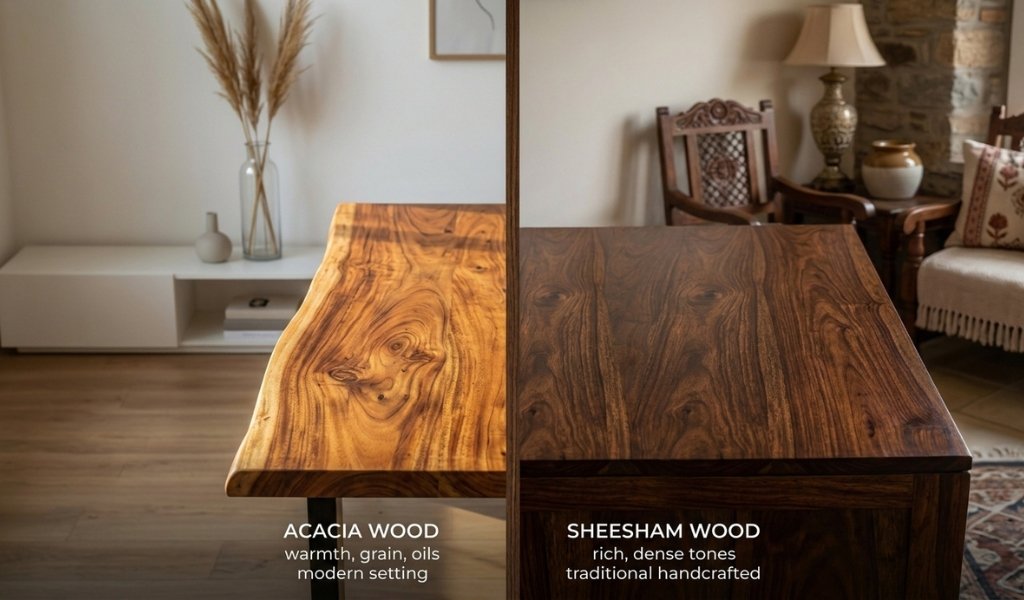
Choosing the right wood for your furniture is one of those decisions that looks simple on the surface until you’re standing in a showroom comparing two virtually identical-looking dining tables with wildly different price tags, origins, and long-term performance profiles. Acacia wood and Sheesham wood are two of the most widely used solid hardwoods in modern furniture making, yet they differ fundamentally in density, grain character, moisture resistance, and ideal use cases.
Both have built loyal followings. Acacia wood, harvested from the fast-growing acacia tree, has become a popular choice for contemporary and Japandi-style interiors worldwide. Sheesham wood, also known as Indian Rosewood, remains the backbone of traditional handcrafted furniture across the Indian subcontinent and beyond. If you’ve been comparing types of wood for furniture and keep landing on these two, this guide will give you a clear, practical breakdown of exactly what sets them apart.
It’s also worth noting that this comparison exists within a broader landscape of premium hardwoods. If you’re weighing your options further, the guide on Acacia Wood or Teak Wood: Which One Should You Choose? offers an excellent parallel reference for understanding how acacia performs against another hardwood heavyweight.
By the end of this post, you’ll know precisely which wood suits your furniture goals, your interior style, your climate, and your budget.
Before comparing acacia and sheesham wood head-to-head, it helps to understand what each species actually is where it comes from, how it grows, and what makes it structurally distinct from engineered wood or softer timber alternatives.
Acacia wood is a dense, heavy hardwood sourced from the acacia tree, a genus with over 1,300 species native to Australia, Africa, and parts of Asia. The varieties most commonly used in furniture making include Australian Blackwood and Hawaiian Koa, though plantation-grown acacia from Southeast Asia now dominates the commercial furniture market.
What makes acacia wood furniture immediately recognizable is its grain pattern. The wood displays high contrast between its lighter sapwood and darker heartwood, producing a striking mix of amber, golden-brown, and deep mahogany tones within a single plank. No two pieces look the same a quality that makes it especially appealing for live-edge tables and rustic furniture designs.
From a structural standpoint, acacia wood is exceptionally hard. On the Janka Hardness Scale, it ranges from 1,100 to over 4,200 lbf depending on the species, comfortably harder than many other hardwoods used in furniture making. The wood also contains natural oils that provide moderate resistance to moisture and pests, though not to the same degree as teak wood.
Acacia is also a notably eco-friendly material. The acacia tree matures in as little as 10 to 15 years, allowing for continuous, sustainable harvest without depleting old-growth forests. For buyers prioritizing responsible sourcing, acacia wood offers genuine credentials.
Sheesham wood comes from Dalbergia sissoo, a tree indigenous to the Indian subcontinent and commonly referred to as Indian Rosewood. It belongs to the same botanical family as Brazilian Rosewood and shares many of that species’ prized characteristics: rich color, tight grain, and impressive structural density.
Sheesham wood’s popularity in Indian furniture is deeply rooted in history. Craftsmen across Rajasthan, Gujarat, and Punjab have used it for centuries to produce intricately carved, long-lasting furniture pieces that double as heirlooms. The wood features warm chestnut and golden-brown tones with darker streaks running through the grain, giving sheesham wood furniture a sophisticated, layered appearance.
In terms of density, sheesham sits at approximately 770–880 kg/m³, placing it firmly in the hardwood category. It is relatively easy to work with; sheesham accepts chisels, lathes, and carving tools well, which is why it’s the preferred choice for traditional handcrafted furniture and intricate joinery. The wood also finishes exceptionally well, taking both oil and lacquer to produce a smooth, polished surface.
When it comes to raw hardness, acacia wood generally wins. Its Janka rating can exceed 2,500 lbf for many commercially used species, compared to sheesham’s rating of approximately 1,660 lbf. That difference is meaningful in high-traffic furniture applications acacia is less prone to surface denting from everyday impact, making it a more durable wood for dining tables that see heavy daily use.
That said, sheesham wood’s load-bearing capacity is more than sufficient for virtually all indoor furniture, including heavy bedroom sets, wardrobes, and study desks. Its dense, interlocked grain contributes to excellent structural rigidity, and sheesham wood furniture is known to stand the test of time often lasting 20 to 40 years or more with reasonable care.
Where acacia wood comes with a caveat is dimensional stability. Because of its density and the wide variation between acacia species, some acacia furniture pieces can develop minor surface checking (small cracks) when exposed to rapid humidity fluctuations indoors. Sheesham, while not immune to movement, tends to perform more consistently in stable indoor environments.
For sheer load-bearing in large furniture pieces like beds and wardrobes, both woods perform admirably. For surfaces that need to resist dents, scratches, and heavy use acacia wood offers a slight edge.
Aesthetics are often the deciding factor when choosing wood for furniture, and the two species offer distinctly different visual identities.
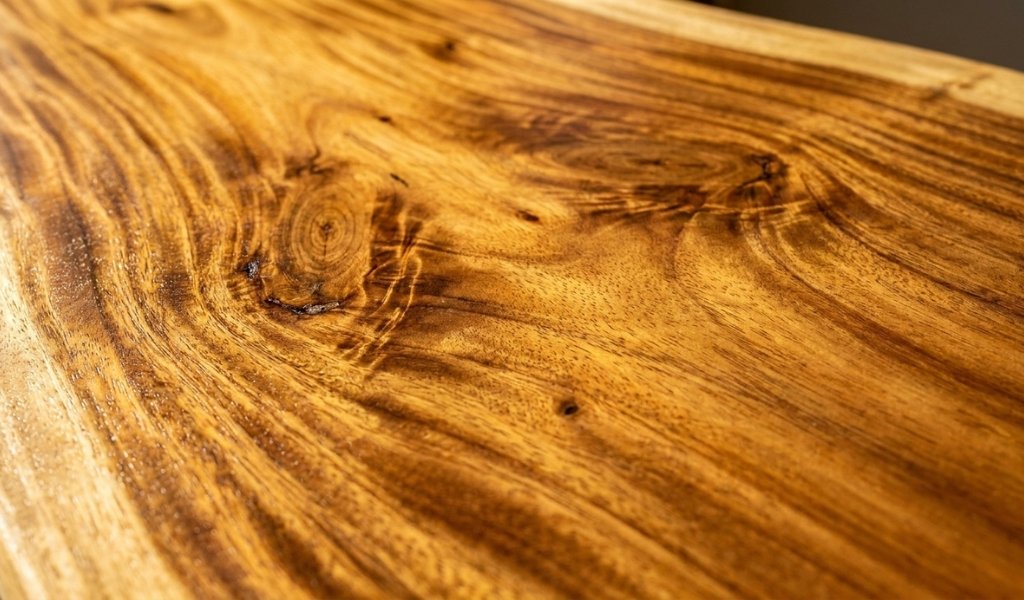
Acacia wood’s natural beauty lies in its unpredictability. The dramatic contrast between the pale sapwood and dark heartwood creates bold, organic patterns that shift from straight lines to flowing waves within the same plank. The color palette spans light honey, warm amber, and rich mahogany sometimes all in a single tabletop. This makes acacia wood furniture a natural focal point in any room.
Sheesham wood, by contrast, offers a more refined and cohesive aesthetic. Its grain is tighter and more uniform, with warm golden-brown tones punctuated by darker chestnut streaks. The overall effect is elegant and grounded closer to the rich visual depth of rosewood than the wild expressiveness of acacia. Sheesham wood’s aesthetic appeal translates particularly well into classical, colonial, and traditional Indian furniture designs.
For modern minimalist or Japandi interiors, acacia’s high-contrast grain provides the organic visual texture these styles call for. For traditional or heritage-inspired interiors, sheesham’s refined tones and carving-friendly surface make it the natural fit.
Both acacia and sheesham wood offer natural resistance to common threats, but their protection profiles differ.
Acacia wood’s natural oils give it a moderate degree of moisture resistance, making it suitable for indoor furniture and, with proper treatment, some outdoor furniture applications. It is naturally resistant to fungal decay in well-maintained conditions, though it is not classified as highly durable for prolonged outdoor exposure. Without periodic oiling, acacia wood can dry out, lose its luster, and develop surface cracks over time.
Sheesham wood performs comparably in moisture resistance for indoor use. Its dense cellular structure limits water absorption, making sheesham wood furniture reliable in rooms with moderate humidity. However, like acacia, prolonged exposure to rain or standing water will eventually degrade the wood without protective finishes.
On termite resistance, sheesham has a well-documented advantage. Indian Rosewood contains natural compounds that are inhospitable to termites and wood-boring insects a significant factor in tropical and subtropical climates across the Indian subcontinent where termite attack is a genuine risk. Acacia also shows reasonable resistance to pests, but sheesham’s track record in termite-prone regions is stronger.
For purely outdoor furniture in high-exposure environments, neither species matches teak wood’s legendary performance. Both are best suited to indoor and sheltered outdoor applications.
Price is one of the most practical differentiators between these two hardwoods.
Acacia wood is generally more affordable, owing largely to the acacia tree’s fast growth cycle and wide availability. Plantation-grown acacia from Southeast Asia keeps supply consistent and costs reasonable. A solid acacia dining table, for example, typically costs significantly less than an equivalent sheesham piece of comparable quality.
Sheesham wood commands a moderate premium. Growing primarily in India and Pakistan, the supply chain for quality sheesham is more regional, and the wood’s longer growth period (typically 15 to 30 years to harvest-ready maturity) contributes to higher production costs. Online solid wood furniture in sheesham tends to be priced in the mid-to-upper range more accessible than teak wood, but above mass-market acacia offerings.
From a long-term value perspective, both woods offer excellent returns on investment if properly maintained. Sheesham wood furniture, particularly pieces with quality craftsmanship and joinery, can last for generations. Acacia wood furniture, while sometimes less expensive upfront, is comparably durable indoors and provides excellent cost-per-year value over its lifespan.
Acacia wood is arguably the best wood for dining tables in modern households. Its hardness resists the inevitable dents, scratches, and spills that come with regular family use. The bold grain patterns make large flat surfaces visually striking, and the wood’s warm tones pair naturally with the neutral palettes and natural textures favored in Japandi and modern minimalist interiors.
Acacia chairs and benches carry the same advantages: hard-wearing surfaces, natural beauty, and a relatively lighter weight than some denser hardwoods, which makes rearranging a dining space practical rather than punishing.
For contemporary furniture designs that call for clean lines with organic character, acacia wood is consistently the preferred choice among interior designers working in the modern minimalist space.
Sheesham wood is the material of choice for heavy bedroom furniture, and for good reason. Its density provides the structural mass needed for king-size bed frames and large wardrobes without sacrificing the ability to add intricate carved detailing. Indian furniture makers have refined their techniques with this specific wood over centuries, producing joinery and decorative work that is simply not achievable with softer or more unpredictable materials.
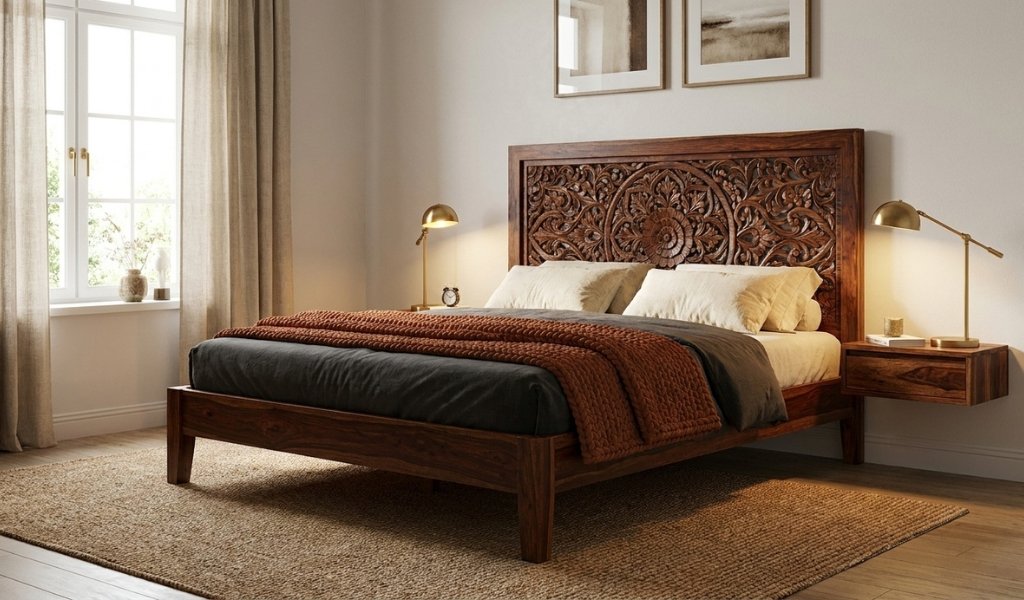
For handcrafted furniture pieces featuring hand-carved panels, mortise-and-tenon joinery, or regional design motifs, sheesham’s workability makes it the superior substrate. It holds fine detail without chipping, finishes smoothly, and ages gracefully with proper care.
Sheesham wood also performs well in study furniture, bookshelves, and sideboards where load-bearing strength and a sophisticated appearance are both priorities.
Acacia wood requires consistent but straightforward care to stay in peak condition. The primary maintenance requirement is periodic oiling, which replenishes the wood’s natural oils, prevents surface drying, and keeps the grain looking vibrant.
Follow these steps to maintain acacia wood furniture effectively:
Sheesham wood is relatively easier to maintain than many other hardwoods, but it rewards consistent care with an increasingly rich patina over time.
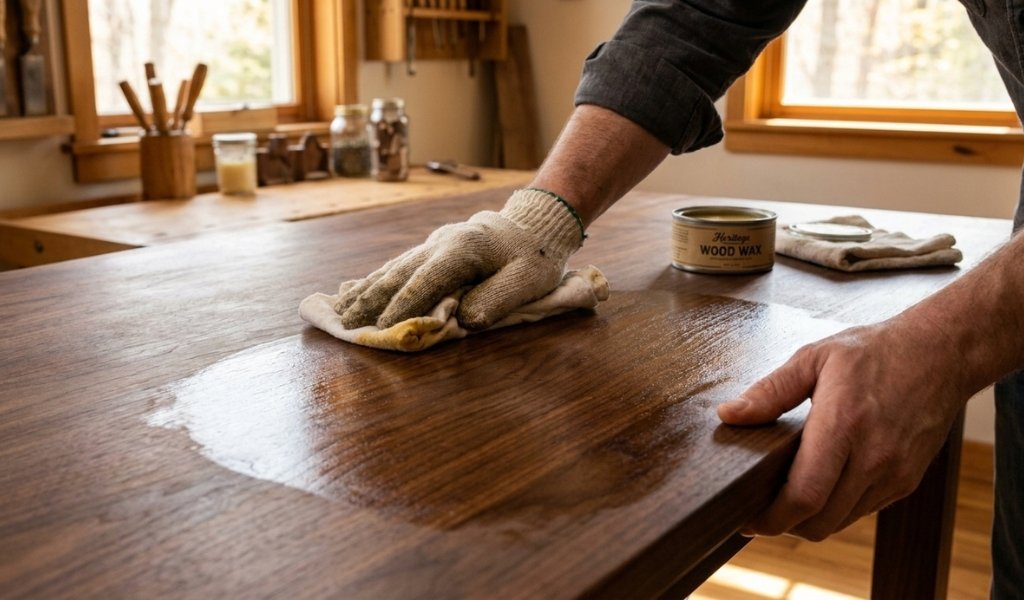
For a comprehensive maintenance protocol covering both these hardwoods and other solid wood types, a dedicated solid wood furniture care and polishing guide at /wood-care-guide/ provides step-by-step instructions for cleaning, oiling, and refinishing a wide range of wood species.
Acacia wood scores higher on the Janka Hardness Scale, making it more resistant to surface dents and scratches under heavy daily use. Sheesham wood is also highly durable and structurally strong, but its slightly lower hardness rating means it may show surface wear more quickly on high-traffic pieces like dining tables. For long-lasting furniture in demanding environments, acacia holds a narrow edge in raw durability.
Acacia wood’s biggest drawback is its sensitivity to humidity fluctuations. In climate-controlled or heated interiors, the wood can dry out and develop minor surface cracks (checking) if it’s not regularly oiled and maintained. Acacia also varies considerably between species quality can differ significantly depending on the source, which makes buying from a reputable supplier important.
For traditional and carved furniture styles, sheesham wood produces exceptional dining tables with fine joinery and rich visual depth. However, for modern dining tables that need to withstand heavy daily use, acacia wood’s higher hardness makes it slightly more practical. Sheesham is better for dining tables where aesthetics and craftsmanship take priority; acacia is better where durability and scratch resistance are the main concerns.
Acacia wood is generally less expensive due to its faster growth rate and greater global availability. Sheesham wood commands a moderate premium, particularly for high-quality handcrafted pieces made by skilled craftsmen in India. Both sit well below teak wood in terms of price, making them both accessible options for buyers seeking solid wood furniture without a luxury price tag.
Acacia wood is the stronger fit for modern minimalist and Japandi-style interiors. Its high-contrast grain patterns, warm tones, and organic character align naturally with the aesthetic philosophy of these styles which prize raw natural materials, restrained color palettes, and functional beauty. Sheesham is better suited to traditional, colonial, or classic Indian interior design contexts where richer tones and intricate craftsmanship are the priority.
The acacia wood vs sheesham wood decision ultimately comes down to three factors: your interior style, your primary use case, and your maintenance commitment.
Choose acacia wood if you’re furnishing a modern or Japandi-inspired space, need a highly durable surface for heavy daily use (like a family dining table), or are working within a tighter budget without wanting to compromise on quality. It’s an eco-friendly, versatile hardwood that performs consistently well across a wide range of indoor furniture applications.
Choose sheesham wood if you’re drawn to traditional or heritage-inspired interiors, want handcrafted furniture with intricate joinery and carved detailing, or need heavy bedroom furniture beds, wardrobes, and storage units that need to carry significant structural loads. Sheesham’s natural termite resistance also makes it a smarter choice in warmer, more humid climates.
Both acacia and sheesham wood produce high-quality furniture that genuinely stands the test of time. Neither is a compromise; they’re simply excellent materials optimized for different applications. Know your space, know your use case, and either choice will serve you well for decades.