Physical Address
304 North Cardinal St.
Dorchester Center, MA 02124
Physical Address
304 North Cardinal St.
Dorchester Center, MA 02124

If you own a home with a wooden deck, fence, or siding, you have probably heard people talk about exterior wood stain like it is some kind of magic potion. It is not magic, but it does come close to being one of the smartest investments you can make in your property. Exterior wood stain protects your wood from rain, sun, and years of wear while making it look like you actually care about your home (which you do).
This guide walks you through everything a beginner needs to know about exterior wood stain. We will cover what it actually is, why it matters, the different types available, how to pick the right one, application steps, how long it lasts, and a handful of tips that will save you time and frustration. By the end, you will know exactly how to approach your next staining project with confidence.
Exterior wood stain is a protective coating designed specifically for outdoor wood surfaces like decks, fences, pergolas, siding, and outdoor furniture. Unlike paint, which sits on top of the wood and forms a solid film, wood stain soaks into the wood fibers. This penetration is what makes stain such a popular choice for homeowners who want to protect their wood without hiding its natural grain and texture.
Most exterior wood stains contain a mix of pigments, binders, and solvents. The pigments provide color and UV protection, the binders help the stain adhere to the wood, and the solvents (either oil or water based) help the product spread evenly and penetrate the surface. Some stains also include additives like mildewcide to prevent mold and algae growth, which is especially useful in humid climates.
The main job of exterior wood stain is simple: keep moisture out, block harmful UV rays, and extend the life of your wood. Without this kind of protection, wood left exposed to the elements will gray, crack, and rot much faster than you would expect.
Many homeowners assume wood stain is purely cosmetic, but its real value lies in protection. A good stain acts like sunscreen and a raincoat combined, shielding your wood from two of its biggest enemies: moisture and sunlight.
Wood is naturally porous, which means it absorbs water like a sponge. When rain soaks into unprotected wood, it causes the fibers to swell. As the wood dries out again, it shrinks back down. This constant swelling and shrinking, repeated season after season, leads to cracking, splitting, and warping.
Exterior wood stain creates a water-resistant barrier that slows this absorption process. While no stain makes wood completely waterproof, a quality product significantly reduces how much moisture gets in. This is especially important for horizontal surfaces like deck boards, which collect standing water after every rainstorm.
Moisture also creates the perfect environment for mold, mildew, and wood rot. Many stains include mildewcide additives that actively resist fungal growth, which helps keep your wood structurally sound for years longer than it would last unprotected.
Sunlight might seem less threatening than rain, but ultraviolet (UV) rays are just as damaging to exterior wood. Over time, UV exposure breaks down lignin, the natural compound that gives wood its strength and color. This breakdown is what causes untreated wood to turn that familiar silvery gray color.
Pigmented wood stains contain UV-blocking particles that absorb or reflect sunlight before it can damage the wood fibers underneath. Generally speaking, the more pigment a stain contains, the better its UV protection. This is one reason solid stains tend to last longer in direct sunlight compared to lighter, more transparent options.
Without this protection, sun-damaged wood becomes brittle, splintery, and prone to cracking. Combine that with moisture damage, and you have a recipe for a deck or fence that needs replacing far sooner than it should.
Not all exterior wood stains are created equal. They generally fall into three categories based on how much pigment they contain and how much of the wood grain remains visible after application. Choosing the right type depends on the look you want and how much protection your wood needs.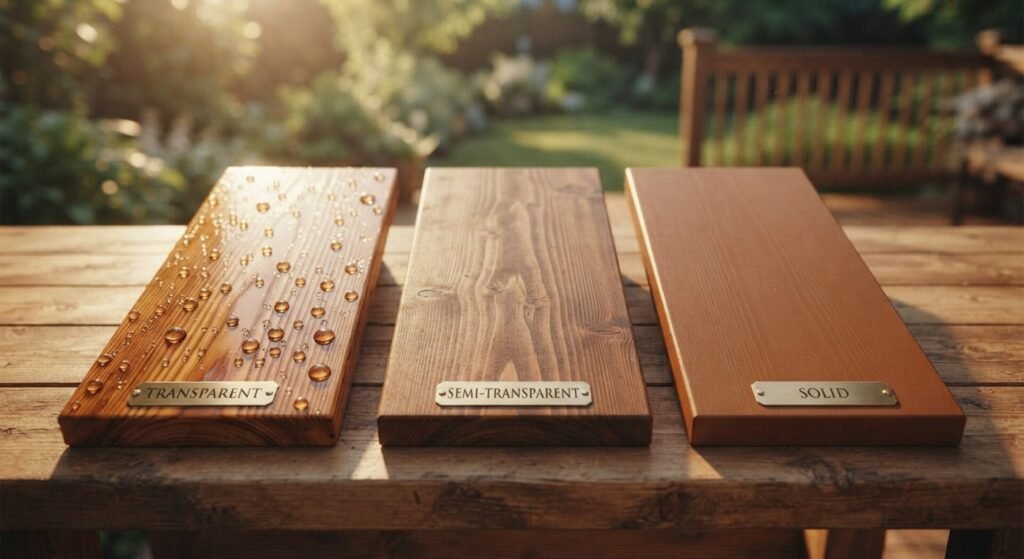
Transparent stain contains little to no pigment, allowing the natural color and grain pattern of the wood to shine through almost unchanged. This option works best on newer wood that already has an attractive, consistent color you want to highlight.
Because transparent stains offer minimal UV protection, they tend to wear off faster than other types, sometimes within a year or two depending on sun exposure. They are a good choice for homeowners who enjoy the ritual of regular maintenance and want their wood to look as natural as possible.
Semi-transparent stain strikes a balance between appearance and protection. It contains more pigment than transparent stain, which means it adds a visible tint to the wood while still letting the grain pattern show through.
This type of stain is one of the most popular choices for decks and fences because it offers noticeably better UV resistance than transparent stain without completely masking the wood’s natural beauty. Semi-transparent stains typically last two to three years before needing to be reapplied, making them a practical middle ground for most homeowners.
Solid stain, sometimes called opaque stain, contains the highest amount of pigment. It covers the wood grain almost entirely, giving a look that is closer to paint than traditional stain. Because of its heavy pigment load, solid stain offers the best UV protection of the three types and tends to last the longest, often three to five years.
Solid stain is a great option for older wood with uneven coloring, repairs, or imperfections you would rather hide. The tradeoff is that you lose the natural wood grain appearance that many people choose stain for in the first place.
Picking the right exterior wood stain comes down to a few key factors: the condition of your wood, your climate, the look you want, and how much maintenance you are willing to commit to.
Start by examining the current state of your wood. New or well-maintained wood with an attractive grain pattern is a great candidate for transparent or semi-transparent stain. Older wood with stains, discoloration, or patch repairs often looks better with a solid stain that can even out the appearance.
Next, think about your climate. If you live somewhere with intense sun exposure, a stain with higher pigment content will offer better long-term protection. In rainy or humid regions, look for a stain with strong mildew resistance to prevent mold and algae growth between applications.
Also consider whether you prefer an oil-based or water-based formula. Oil-based stains tend to penetrate deeper into the wood and often provide a richer color, but they typically take longer to dry and can have stronger fumes during application. Water-based stains dry faster, clean up easily with soap and water, and tend to resist fading from UV exposure a bit better over time. Many professional painters now recommend water-based formulas for their lower odor and easier application, though oil-based options are still favored by some for their traditional look and deeper penetration.
Finally, be honest with yourself about maintenance. If you want a low-maintenance deck that only needs attention every few years, lean toward a semi-transparent or solid stain. If you enjoy outdoor projects and do not mind restaining every year or two, transparent stain might suit your lifestyle better.
Applying exterior wood stain is not complicated, but it does require patience and the right preparation. Rushing through the process is the number one reason stain jobs fail early.
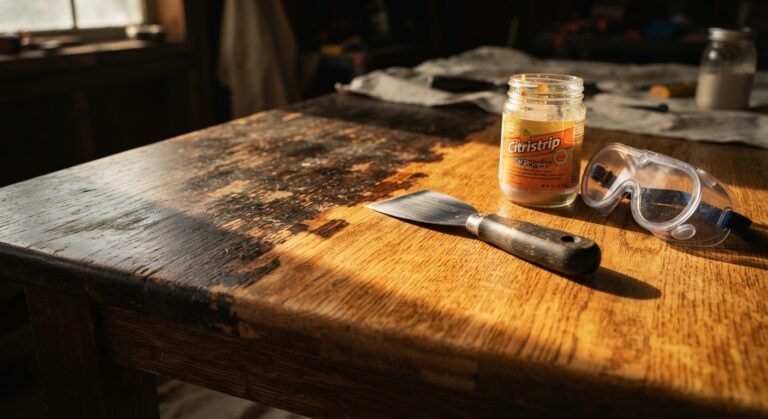
Step 1: Clean the wood. Before applying any stain, the wood surface needs to be free of dirt, mildew, old finish, and debris. Use a wood cleaner or a mixture of water and mild detergent, scrubbing with a stiff brush to remove grime from the grain. For decks with old peeling stain, a dedicated stain stripper may be necessary.
Step 2: Let the wood dry completely. Wood needs to be fully dry before staining, which usually means waiting at least 24 to 48 hours after cleaning, longer if humidity is high. Applying stain to damp wood prevents proper penetration and can lead to a blotchy, uneven finish.
Step 3: Sand rough areas. Light sanding smooths out rough patches, splinters, and raised grain, helping the stain absorb more evenly. Always sand in the direction of the wood grain and wipe away dust before moving forward.
Step 4: Test the stain in a small area. Stain color can look different once applied compared to how it appears in the can. Testing on a hidden section of wood, or a scrap piece, helps you confirm the color before committing to the whole project.
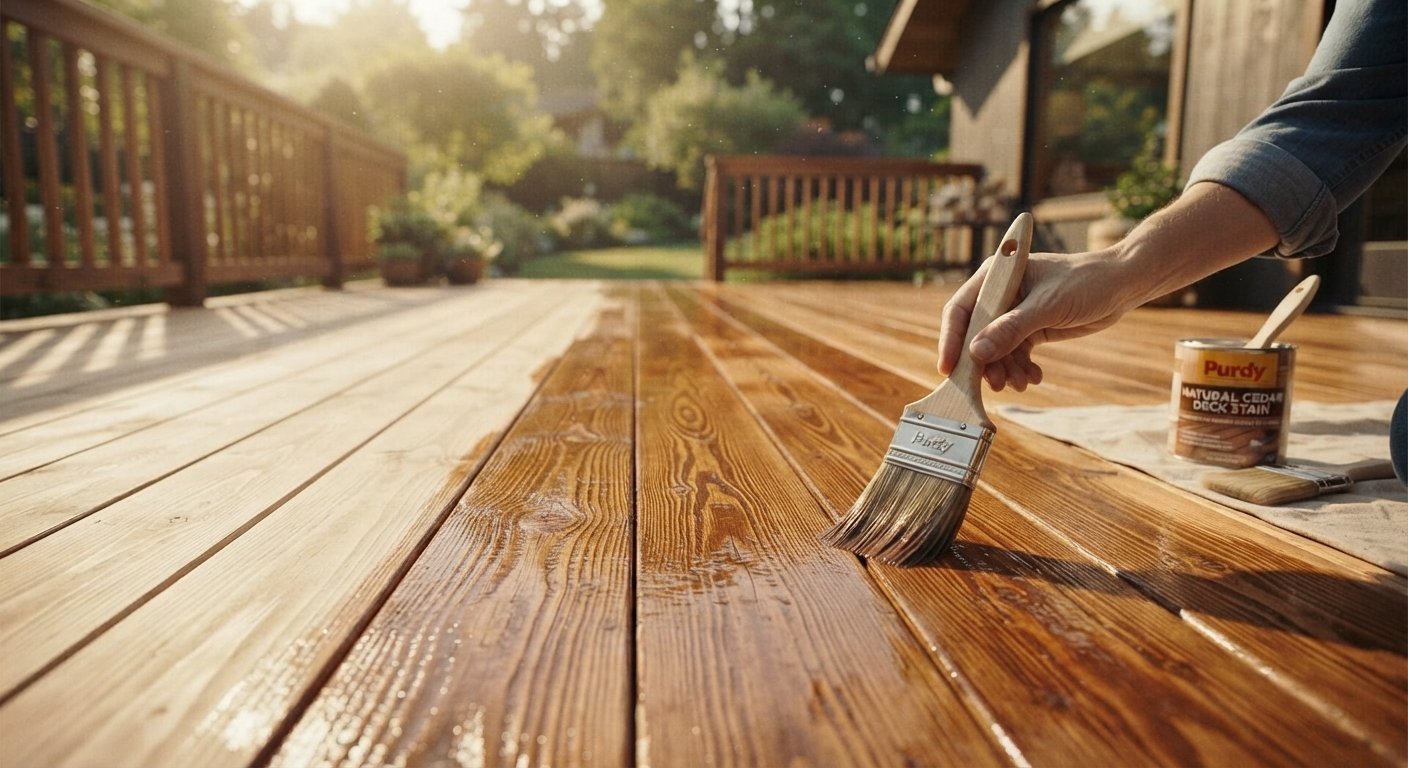
Step 5: Apply the stain. 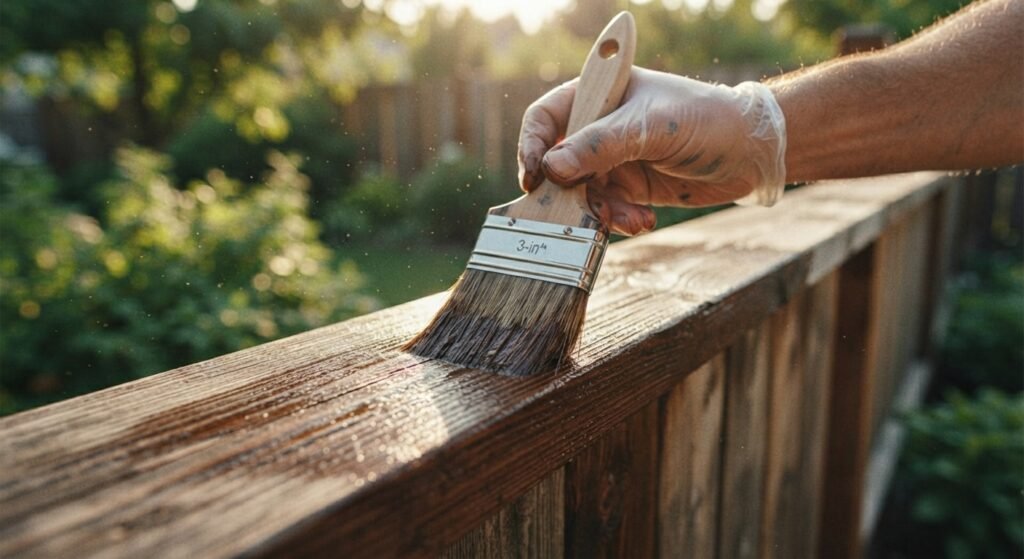 Use a brush, roller, or sprayer depending on the size of the project and personal preference. Work in small sections, applying stain along the direction of the wood grain. Keep a wet edge as you go to avoid visible lap marks where one section overlaps another.
Step 6: Wipe off excess stain. For most stains, especially oil-based ones, wiping away excess product after a few minutes helps prevent a sticky, uneven surface. Follow the manufacturer’s instructions for specific timing.
Step 7: Apply a second coat if needed. Many stains benefit from two coats, particularly semi-transparent and solid formulas. Always check the drying time on the product label before applying an additional layer.
Step 8: Let the stain cure fully. Drying and curing are not the same thing. While the surface may feel dry to the touch within hours, full curing can take several days. Avoid foot traffic, furniture placement, or rain exposure during this window whenever possible.
How long exterior wood stain lasts depends on the type of stain used, the wood species, sun and weather exposure, and how well the surface was prepared before application.
As a general guideline, transparent stains last around one to two years, semi-transparent stains last two to three years, and solid stains can last three to five years. Vertical surfaces like fences and siding tend to hold stain longer than horizontal surfaces like deck boards, simply because horizontal surfaces take more direct sun and collect more standing water.
Climate plays a major role too. Homes in regions with intense sun, heavy rainfall, or extreme temperature swings will typically need to restain more often than homes in milder climates. Proper maintenance, like cleaning your deck regularly and addressing water pooling issues, can also extend the life of your stain job considerably.
A simple way to check if your wood needs restaining is the water test. Sprinkle a few drops of water onto the surface. If the water beads up, your stain is still providing protection. If it soaks in quickly, it is time to clean and reapply.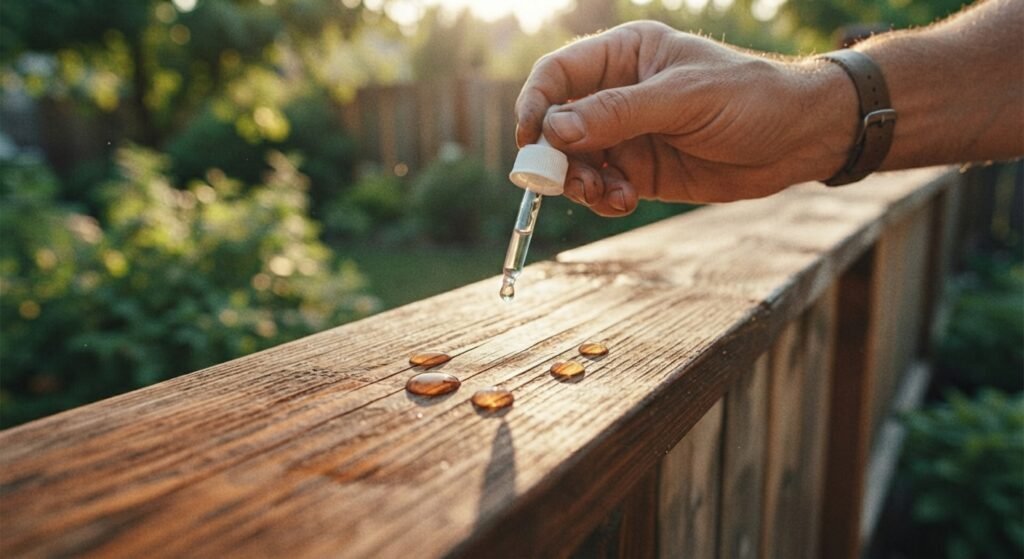
A few small habits can make a big difference in how your finished project looks and how long it lasts.
Exterior wood stain is one of the simplest ways to protect your deck, fence, or siding from moisture, sun damage, and the natural wear that comes with years outdoors. Whether you choose a transparent stain to showcase natural wood grain, a semi-transparent stain for a balance of color and protection, or a solid stain for maximum coverage, the right choice comes down to your wood’s condition, your climate, and the look you are going for.
Taking the time to properly prepare, apply, and maintain your stain job pays off in the long run, saving you money on repairs and keeping your outdoor wood looking its best for years to come. If your deck or fence is looking tired and gray, there is no better time than now to grab a brush and give it the care it deserves.
How often should I restain my deck?
Most decks need restaining every one to three years, depending on the type of stain used and how much sun and foot traffic the surface receives. Semi-transparent stains generally need reapplication every two to three years, while transparent stains may need attention annually.
Can I apply new stain over old stain?
In most cases, yes, as long as the old stain is in decent condition and the surface is properly cleaned first. If the old stain is peeling or flaking, it should be stripped or sanded before applying a new coat.
Is oil-based or water-based stain better for exterior wood?
Both have advantages. Oil-based stains penetrate deeper and often produce richer color, while water-based stains dry faster, have less odor, and tend to resist UV fading slightly better. The best choice depends on your priorities and local climate.
How long does exterior wood stain take to dry?
Most stains feel dry to the touch within two to four hours, but full curing can take anywhere from 24 to 72 hours depending on humidity, temperature, and the specific product used.
Do I need to seal wood after staining?
Many exterior wood stains already include sealing properties, so a separate sealer is not always necessary. However, some homeowners choose to apply a clear topcoat for extra protection, particularly on high-traffic surfaces like decks.
What is the best temperature for staining wood outdoors?
Most manufacturers recommend staining when temperatures are between 50 and 90 degrees Fahrenheit, avoiding direct midday sun and rain within 24 to 48 hours of application.
Can I stain pressure-treated wood right away?
New pressure-treated wood often needs time to dry out before it can properly absorb stain, sometimes several weeks to a few months depending on the moisture content. A simple water test, where water no longer beads on the surface, can help confirm when the wood is ready.