Physical Address
304 North Cardinal St.
Dorchester Center, MA 02124
Physical Address
304 North Cardinal St.
Dorchester Center, MA 02124

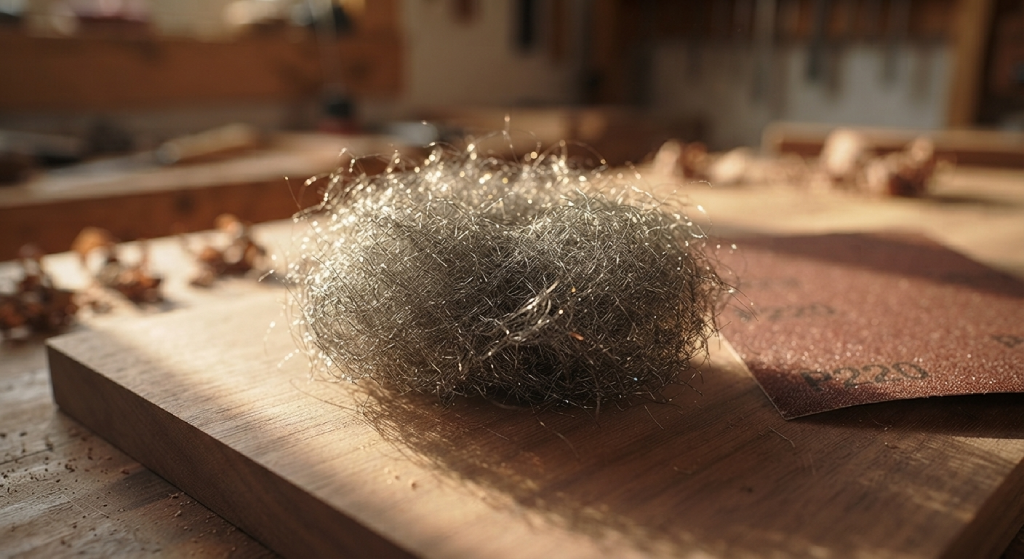
Sanding wood with steel wool is one of those old-school woodworking tricks that never really went out of style. Walk into any serious woodworker’s shop and you will probably find a few grades of steel wool sitting next to the sandpaper, the stain cans, and the polyurethane. That is not an accident. Steel wool does things that sandpaper simply cannot do, especially when you are working on furniture, smoothing a finish between coats, or trying to get that soft, hand-rubbed look on an antique piece.
This is the complete guide to sanding wood with steel wool, and it is written for people who have never touched the stuff before. Maybe you inherited an old dresser and want to bring it back to life. Maybe you just finished staining a tabletop and someone told you to “hit it with 0000 steel wool” and you have no idea what that means. Either way, by the end of this guide you will understand what steel wool actually is, when to reach for it instead of sandpaper, which grade to buy, and how to use it the right way without wrecking your project.
We will also cover the popular steel wool and vinegar trick for aging oak and other wood, how steel wool interacts with stain and tannin in the wood, and the safety steps most beginners skip. Let’s get into it.
Steel wool is made from long, thin strands of steel that are shaved into fine fibers and bundled together into a soft, flexible pad. Unlike sandpaper, which has a flat, rigid backing coated with grit, steel wool is loose and bendy. That flexibility is exactly why it works so well on wood surfaces that are not perfectly flat, like carved furniture legs, turned spindles, or moldings with grooves and curves.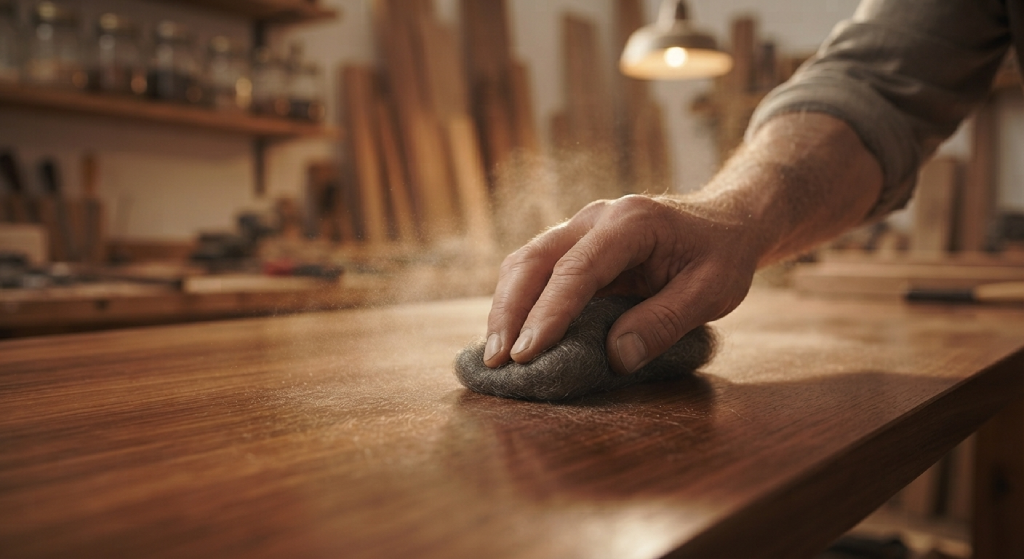
In woodworking, steel wool is mostly used for three jobs. The first is smoothing a finish, such as polyurethane, varnish, or lacquer, between coats so the next layer bonds properly and looks glassy instead of bumpy. The second is polishing a final coat to knock down the sheen and give it a soft satin or matte look instead of a plastic-like shine. The third is cleaning old wood surfaces, removing built-up wax, grime, or light surface rust from metal hardware attached to furniture.
Because the fibers are so fine, steel wool does not cut into wood the way coarse sandpaper does. Instead, it gently abrades the surface, removing tiny imperfections without changing the shape of the wood underneath. That is why professionals often reach for it during the finishing stage rather than the initial shaping stage.
Steel wool is not meant to replace sandpaper for every job. It shines in specific situations, and knowing when to use it will save you a lot of frustration.
Use steel wool when you are working between coats of finish, such as polyurethane, varnish, or shellac. A light pass with a fine grade knocks off dust particles and tiny bubbles that settled into the previous coat, giving the next layer a smoother surface to grip.
Use steel wool when you want to soften a glossy finish. If your furniture finish came out shinier than you wanted, buffing it with a fine pad can bring the sheen down to a satin or matte look without stripping the whole piece.
Use steel wool when refinishing antique furniture. Old finishes often have a soft, hand-rubbed quality that sandpaper tends to flatten out. Steel wool preserves more of that texture while still cleaning off grime and old wax.
Use steel wool when you are trying to age or darken wood, particularly oak, using the steel wool and vinegar method. This is a favorite trick among woodworkers who want a weathered, vintage look without buying commercial stain.
Avoid steel wool when you need to remove a lot of material quickly, such as stripping thick old paint or smoothing rough lumber straight from the mill. In those cases, sandpaper or a power sander will get the job done faster.
Steel wool comes in a range of grades, and picking the right one matters just as much as picking the right sandpaper grit. The grading system runs from coarse to super fine, and each number has a job it does best.
Grade 3 and grade 2 are coarse. These are mostly used for heavy cleaning or removing rust from metal, not for fine wood surfaces, since they can leave visible scratches. Grade 1 and grade 0 sit in the middle. They work well for stripping old wax buildup or roughing up a surface slightly before applying a new finish, similar to a light scuff sand. Grade 00 is a good all-purpose choice for general wood cleaning and removing light residue between finish coats. Grade 000 is finer still and commonly used for smoothing varnish or polyurethane between coats on furniture.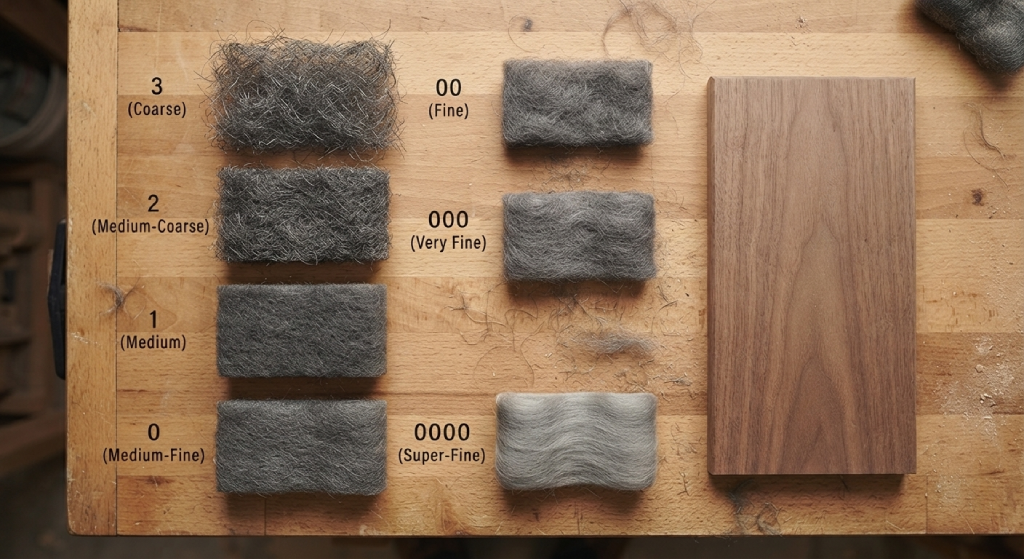
Grade 0000 steel wool is the finest grade sold at most hardware stores, and it is the one most woodworkers reach for the most. This pad is soft enough to polish a final coat of finish, buff out wax, or gently clean bare wood without scratching it. If you are only going to buy one grade as a beginner, 0000 steel wool is the safest bet.
A quick tip that saves a lot of trouble later: steel wool sheds tiny metal fibers as you use it. On light-colored wood like oak or maple, those fibers can get trapped in the grain and later react with moisture to cause small rust spots. For that reason, many woodworkers now prefer synthetic steel wool alternatives, often called synthetic wool pads, which look and feel similar but do not rust or leave metal particles behind. If you are working with a water-based finish or open-grain wood, a synthetic pad is often the smarter choice.
Sanding wood with steel wool is simple once you know the order of operations. Rushing through it, though, is the most common reason beginners end up with scratches, dull spots, or leftover residue trapped in the wood grain.
Before you touch a steel wool pad to the wood, make sure the surface is clean and dry. Wipe away dust, dirt, and any loose debris with a dry cloth. If the piece has old wax or grease on it, a light wipe with mineral spirits will cut through that buildup so the steel wool can actually reach the surface instead of just smearing gunk around.
If you are working on bare wood before applying stain, check for any leftover glue spots or rough patches first. Steel wool is not meant to fix major flaws or deep scratches. It is a finishing tool, so the wood should already be reasonably smooth before you start.
Have your steel wool pad, a soft brush, and a tack cloth ready before you begin. Tearing off a section of the pad, usually about the size of your palm, makes it easier to control than trying to grip a whole roll.
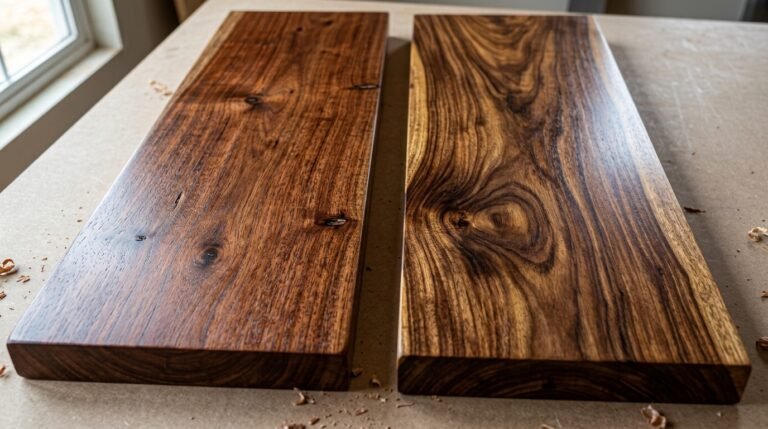
This step is where most of the actual work happens, and it is also where beginners go wrong most often. Always rub in the same direction as the wood grain, never across it and never in circles. Going against the grain, even with a fine pad, can leave faint scratch lines that become obvious once stain or finish is applied, especially on open-grain wood like oak or walnut.
Use light, even pressure. You are not trying to remove material the way you would with sandpaper. Let the fine steel fibers do the work. A few gentle passes are usually enough between coats of finish. If you are polishing a final coat, keep the pressure light and consistent across the whole surface so you do not end up with uneven patches of sheen.
Work in manageable sections rather than trying to cover an entire tabletop in one long stroke. This keeps your pressure consistent and makes it easier to spot any missed areas as you go.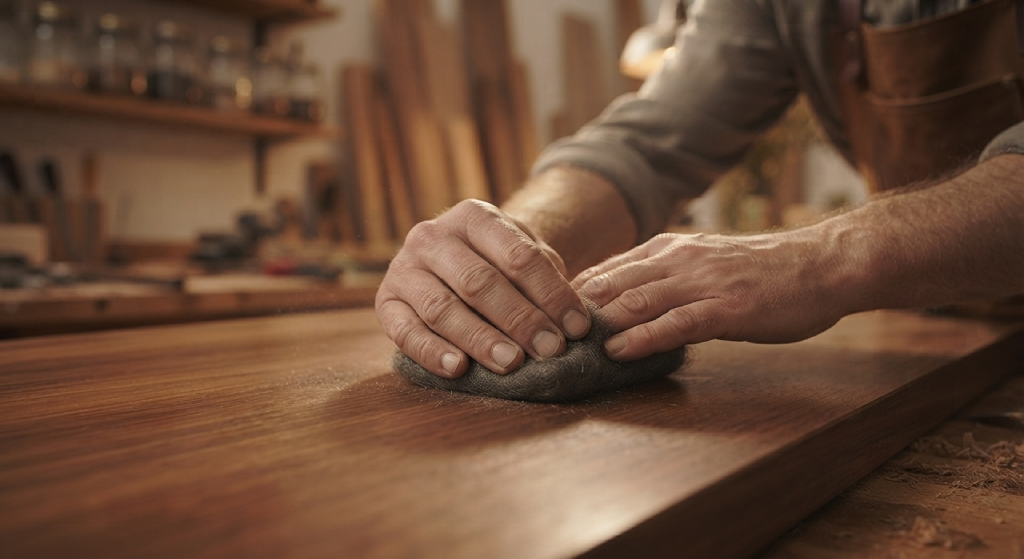
Once you have gone over the surface, tiny steel fibers and dust will be sitting in the wood grain. This step cannot be skipped, especially if you plan to apply stain, varnish, or another coat of finish next.
Start by brushing the surface with a soft natural-bristle brush to knock loose fibers out of the grain. A vacuum with a brush attachment works well for larger pieces of furniture. After brushing, wipe the entire surface down with a tack cloth to remove the fine dust that brushing alone will not catch.
Some woodworkers also do a final wipe with a cloth dampened slightly with mineral spirits, particularly if they are using an oil-based finish next. Just make sure the surface is fully dry before applying any new coat, since trapped moisture can cause the next layer to react poorly or bubble.
Skipping this residue removal step is one of the most common mistakes beginners make, and it usually shows up later as a slightly gritty texture under the finish.
Steel wool and sandpaper both smooth wood surfaces, but they are not interchangeable, and understanding the difference will help you pick the right tool for each stage of a project.
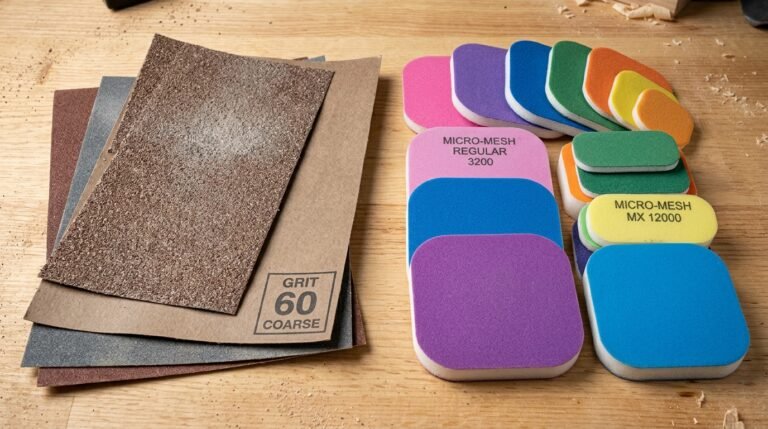
Sandpaper has a flat, stiff backing with grit glued to the surface, which makes it great for leveling flat surfaces and removing material fast. It comes in a wide range of grits, from very coarse for shaping rough lumber to very fine for final smoothing before finishing.
Steel wool has no rigid backing at all. It is soft, flexible, and shapes itself around curves, carvings, and corners that flat sandpaper struggles to reach evenly. This makes it a better choice for detailed furniture, turned legs, and decorative trim.
Sandpaper tends to leave a slightly more uniform scratch pattern, which is exactly what you want before staining, since even scratches help stain absorb evenly. Steel wool, on the other hand, is better suited for polishing between finish coats and creating a soft, hand-rubbed sheen on a final coat rather than prepping bare wood for stain.
Another difference worth knowing is residue. Sandpaper produces wood dust, which is easy to clean up. Steel wool produces both wood dust and tiny metal fibers, which need extra attention to remove, especially before staining light-colored wood.
Most experienced woodworkers use both tools at different stages. Sandpaper handles the shaping and initial smoothing, and steel wool handles the polishing and refinement once the finish is going on.
Even a simple tool like steel wool can cause problems if it is used the wrong way. Here are the mistakes that trip up most beginners.
Using a grade that is too coarse for the job is one of the biggest issues. Grabbing a grade 1 pad when the project calls for 0000 steel wool can leave visible scratches in a finish that took hours to build up. Rubbing against the grain instead of with it is another common error. Even fine steel wool can create faint lines that catch the light differently once a topcoat is applied. Skipping the residue cleanup step causes trapped metal fibers to sit in the wood grain, which can later rust and leave small orange or brown spots under a clear finish, particularly on oak and other open-grain woods.
Using regular steel wool with water-based stains or finishes is a mistake many beginners do not realize until it is too late. The moisture in water-based products can cause tiny leftover steel fibers to rust almost immediately. Synthetic wool pads solve this problem completely. Applying too much pressure is another issue. Steel wool works through gentle abrasion, not force. Pressing hard can create dull, uneven patches on an otherwise even finish.
Storing steel wool improperly is a smaller but still common mistake. Leaving an open pad exposed to humid air causes it to rust in the package before you even use it. Keeping it in a sealed glass jar or airtight container extends its usable life significantly.
Steel wool feels harmless compared to power tools, but it comes with a few real risks that are worth taking seriously. Wear gloves whenever possible. The fine steel fibers can break off and slip into skin, causing small but irritating cuts, especially with coarser grades. Work in a ventilated area. Steel wool dust is fine enough to become airborne, and breathing it in over time is not good for your lungs. A dust mask is a smart addition, especially if you are working on a large piece of furniture indoors.
Keep steel wool away from open flames and sparks. The fine steel fibers have a large surface area relative to their mass, which makes them surprisingly flammable. This matters most when steel wool is used for tasks like starting fires with a battery, which should never be attempted near a wood shop full of sawdust and finishing chemicals.
Store leftover pads properly. A partially used pad left sitting in the open will rust and become useless within days. A sealed glass jar or a zip-top bag with the air pressed out works well.
Be cautious when combining steel wool with chemical strippers or oil-based finishes soaked in rags. Rags soaked in linseed oil or other oil-based products, combined with fine metal fibers, can generate heat as they dry and pose a fire risk if bunched up and left in a pile. Always lay soaked rags flat outside to dry, or soak them in water before disposal.
One of the most popular uses for steel wool in woodworking has nothing to do with sanding at all. The steel wool and vinegar method is a classic technique for aging and darkening wood, especially oak, without using a commercial wood stain.
To make it, place a pad of steel wool into a glass jar and cover it with white vinegar. Leave the lid off or loosely covered so air can reach it, and let it sit for at least 24 hours, though many woodworkers let it soak longer for a stronger reaction. The vinegar dissolves the iron in the steel wool, creating a solution of iron acetate. When you brush that solution onto wood, it reacts with the natural tannin in the wood fibers, producing a gray to black coloring effect similar to naturally aged or weathered wood.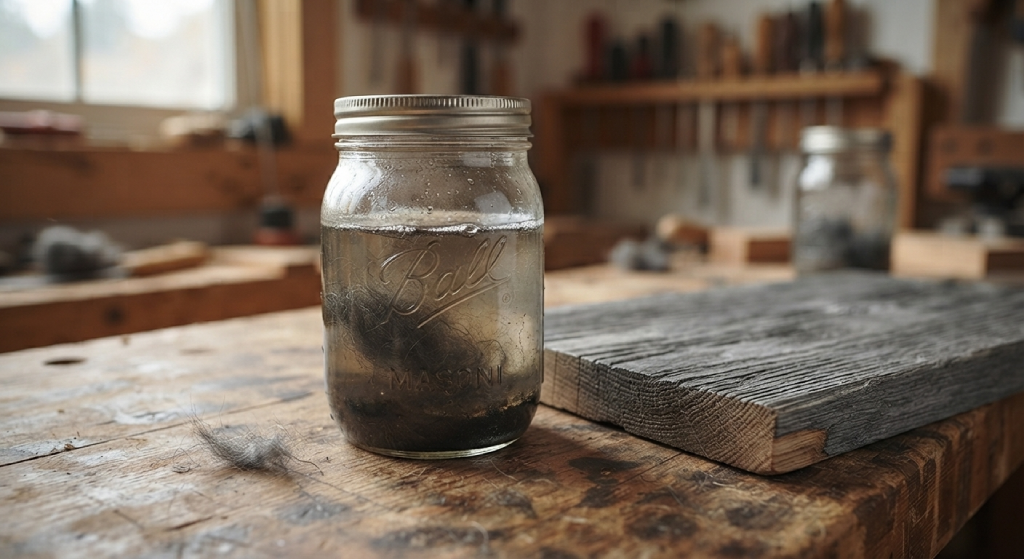
This reaction works best on wood that is naturally high in tannin, such as oak and walnut, since the color change comes from a chemical reaction rather than a surface stain sitting on top of the wood. Pine and other low-tannin woods will show a much weaker effect unless a tannin-boosting product like strong tea is applied first.
To use it, stir the solution well before applying, then brush it onto clean, bare wood with a natural-bristle brush. The color will look pale at first and continue to darken over the next 30 minutes to an hour as it fully reacts and dries. Once it is dry, a coat of clear finish, whether that is polyurethane, oil, or a sealer, locks in the color and protects the surface.
This technique gives furniture and woodworking projects an authentic aged look that is hard to replicate with a can of stain, and it is a favorite among people restoring antique-style pieces or building new furniture meant to look weathered.
Sanding wood with steel wool is a simple skill that makes a real difference in how a finished piece of furniture looks and feels. Whether you are smoothing polyurethane between coats, polishing a glossy varnish down to a soft satin sheen, or mixing up a batch of steel wool and vinegar to age a plain piece of oak, this humble material earns its spot next to the sandpaper in every woodworking shop.
The key things to remember are simple. Choose the right grade for the job, always work with the grain, clean up every bit of residue before applying stain or finish, and store your pads properly so they do not rust before you get to use them. Follow those basics and steel wool will become one of the most reliable tools in your woodworking routine.
If you are just starting out, grab a pack of 0000 steel wool and try it on a small scrap piece before working on your actual furniture. Once you see how smooth and soft the finish feels, you will understand why this old-school technique has stuck around for so long.
Can you sand wood with steel wool before staining it?
Yes, but it works best as a light final smoothing step rather than the main sanding process. Most woodworkers still start with sandpaper to level the surface and open the wood grain evenly, then follow up with a fine grade of steel wool, such as 00 or 0000, to remove any leftover fuzz before stain goes on.
What grade of steel wool is best for furniture?
Grade 0000 steel wool is the most common choice for furniture work. It is fine enough to polish a finish coat, clean bare wood gently, and buff wax without leaving noticeable scratches.
Does steel wool scratch wood?
Coarser grades can leave light scratches, especially if used against the grain or with too much pressure. Fine grades like 000 and 0000 are gentle enough that scratching is rarely an issue as long as you rub with the grain.
Can I use steel wool on a polyurethane finish?
Yes, steel wool is commonly used between coats of polyurethane to smooth out dust particles and small bubbles, and it can also be used on the final coat to soften a glossy sheen into a satin or matte look.
Why did my wood turn orange after using steel wool?
This usually happens when tiny metal fibers from the steel wool get left behind in the wood grain and then react with moisture in a water-based stain or finish, causing small rust spots. Switching to a synthetic wool pad for water-based products solves this problem.
What is the difference between steel wool and synthetic wool pads?
Synthetic pads are made from nylon or similar materials instead of metal fibers. They do not rust and are safer to use with water-based finishes, though many woodworkers still prefer real steel wool for its slightly more aggressive polishing feel on oil-based finishes.
How long should steel wool soak in vinegar for the aging effect?
At least 24 hours is typically enough to get a noticeable reaction, though letting it soak for several days produces a stronger, darker effect when applied to tannin-rich wood like oak.