Physical Address
304 North Cardinal St.
Dorchester Center, MA 02124
Physical Address
304 North Cardinal St.
Dorchester Center, MA 02124

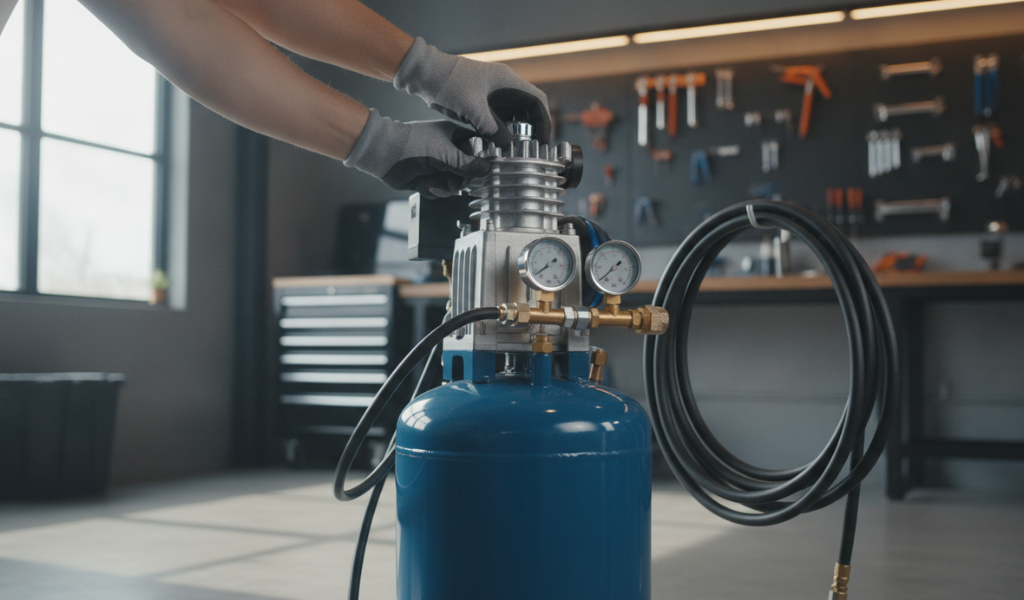
Most people don’t think about their air compressor until something goes wrong. A strange knocking noise, a pressure drop, or a unit that won’t start at all—these problems rarely appear out of nowhere. They build up gradually, often because basic maintenance gets skipped.
Learning how to maintain your air compressor properly doesn’t take much time, but it makes a real difference. A well-cared-for compressor runs more efficiently, lasts longer, and costs less to operate. Neglect it, and you’re looking at unexpected breakdowns, higher energy bills, and repair costs that could have been avoided entirely.
This guide covers everything you need to know—from what a compressor actually does, to how to use one safely, to a practical air compressor maintenance checklist you can follow every day, week, month, and year. By the end, you’ll have a clear picture of what to do and when to do it.
To maintain your air compressor, first we have to know what is a compressor and how does it works regularly drain moisture from the tank, check oil levels, inspect air filters, test for air leaks, and follow a scheduled maintenance checklist. Proper maintenance improves performance, extends equipment life, reduces energy costs, and helps prevent unexpected breakdowns.
An air compressor is a machine that takes in air from the surrounding environment and squeezes it into a smaller space, which raises its pressure. That pressurized air gets stored in a tank and released on demand to power tools, inflate tires, spray paint, operate pneumatic systems, and more.
There are several types of air compressors, but the most common ones fall into two categories: reciprocating (piston) compressors and rotary screw compressors. Reciprocating models use a piston inside a cylinder to compress air and are popular for home workshops and smaller jobs. Rotary screw compressors use two interlocking helical screws to compress air continuously, making them better suited for industrial and commercial settings where air demand is constant.
Some compressors are oil-lubricated, meaning they use oil to reduce friction between moving parts. Others are oil-free, which makes them lower maintenance but also shorter-lived under heavy use. Knowing which type you have matters, because the maintenance steps—particularly around oil—will differ.
Before diving into maintenance, it helps to understand how to use an air compressor correctly, because improper use is one of the leading causes of premature wear and damage.
Start by reading the manufacturer’s manual. This sounds obvious, but many users skip it entirely. The manual tells you the correct operating pressure range, the type of oil to use (if applicable), and the recommended service intervals for your specific model.
When starting the compressor, make sure the drain valve is closed and the pressure relief valve is not jammed open. Let the tank fill to its cut-out pressure before connecting any tools. Never exceed the maximum PSI rating printed on the tank—this is a safety boundary, not a suggestion.
Match the tool’s required pressure to the compressor’s output. Most pneumatic tools work between 70 and 120 PSI. Use a regulator to dial in the right pressure rather than running everything at max. Running a compressor harder than necessary accelerates wear and wastes energy.
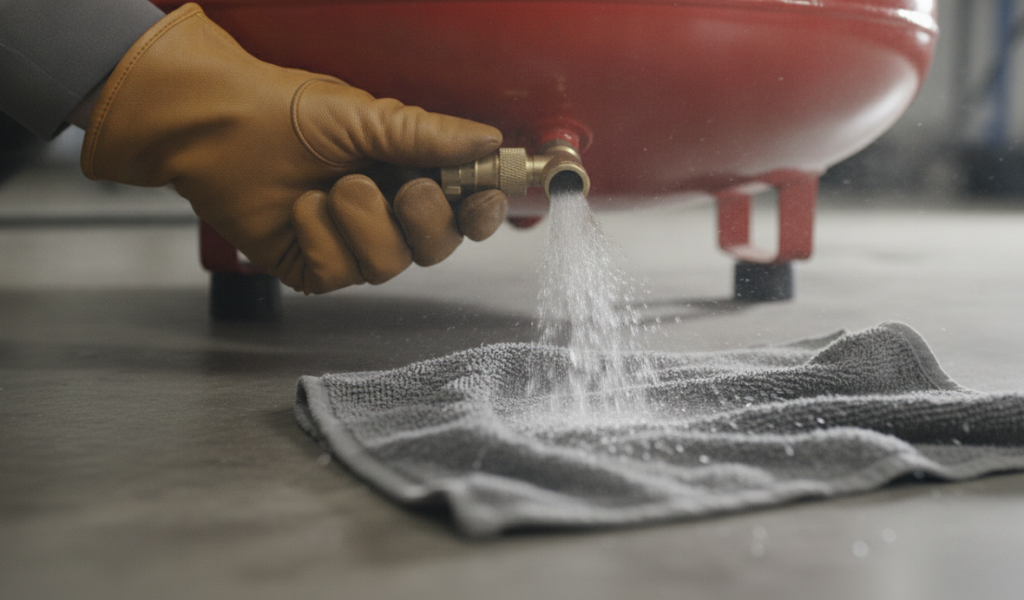
After use, always drain the moisture from the tank. Compressed air carries water vapor, and that water collects at the bottom of the tank over time. Left unchecked, it corrodes the tank from the inside—a problem that can render the unit unsafe and unrepairable.
Skipping maintenance on an air compressor is a bit like skipping oil changes on a car engine. You might get away with it for a while, but the damage accumulates quietly until something major fails. Here’s why staying on top of upkeep matters.
Performance: A clean, well-lubricated compressor delivers consistent airflow and pressure. When filters clog or oil breaks down, the unit has to work harder to produce the same output, which shows up as slower cycle times and reduced power.
Lifespan: Regular maintenance extends how long the compressor lasts. A properly maintained unit can run for many years beyond what a neglected one would manage before needing replacement.
Cost savings: Small problems—a worn seal, a clogged filter, a loose belt—are cheap to fix when caught early. Left alone, they often cascade into bigger failures that are far more expensive to address. Preventive maintenance is almost always cheaper than reactive repair.
Safety: A compressor with a corroded tank, a failing pressure relief valve, or damaged hoses can be genuinely dangerous. Pressurized systems carry real risk if components fail unexpectedly. Keeping everything in good condition reduces that risk significantly.
Energy efficiency: A compressor that’s running as it should uses less electricity to do the same job. Even small air leaks—invisible to the eye and barely audible—can force the motor to run longer and work harder, driving up your energy costs over time.
These are the foundational habits that keep a compressor healthy between scheduled service intervals.
A structured schedule is the most practical way to stay on top of maintenance without having to remember every individual task. Here’s a simple air compressor maintenance checklist broken down by frequency.
Sticking to this schedule doesn’t require much time per session. The daily checks take two or three minutes. The weekly and monthly tasks add a little more, but they catch problems before they become serious. The annual professional inspection is the one you really don’t want to skip.
Even with a good maintenance routine, things can still go wrong. Knowing what to watch for helps you catch problems early.
Reduced performance is often the first sign. If the compressor takes longer to reach pressure, or if your tools feel underpowered, something is affecting airflow or compression. A clogged filter or a developing leak is often the cause.
Unusual noises deserve immediate attention. A healthy compressor makes a consistent, rhythmic sound. Knocking, rattling, grinding, or squealing are all signs that something mechanical is wrong—a worn bearing, a loose part, or a failing component.
Visible moisture in the output air suggests that the tank isn’t being drained often enough, or that a filter has failed. Water in the air stream damages pneumatic tools and contaminates spray finishes.
Increased energy use that you notice on your electricity bill often points to a system working harder than it should. Air leaks are a common cause. So is a dirty filter or worn piston rings that reduce compression efficiency.
Frequent cycling (the motor turning on and off repeatedly in a short time) can indicate a pressure switch issue, an air leak causing constant pressure loss, or a tank that’s too small for the demand being placed on it.
When you notice any of these signs, don’t keep running the unit and hoping it resolves itself. Investigate the cause, or bring in a technician before a small problem becomes a costly one.
Many routine tasks—draining the tank, replacing filters, checking oil—are straightforward enough to handle yourself. But some maintenance work is better left to a trained technician.
Tank inspections, in particular, require proper testing equipment. Internal corrosion isn’t always visible from the outside, and a compromised tank is a serious safety risk. A professional can test tank integrity and certify that it’s safe to continue using.
Valve repairs, pressure switch replacements, and motor diagnostics also tend to require specialist knowledge and tools. Attempting these without the right experience can make a problem worse or create a new safety hazard.
Professional service visits typically include a comprehensive inspection, use of genuine manufacturer-approved replacement parts, and a documented service record—which matters if the unit is still under warranty. Many technicians also offer scheduled maintenance plans, which take the guesswork out of staying on top of annual upkeep.
A good rule of thumb: if you’re not confident you understand what you’re looking at, or if the repair involves pressurized components, call a professional.
Maintaining an air compressor is mostly about consistency. The individual tasks aren’t complicated—drain the tank, check the oil, inspect the filters, listen for anything unusual. Done regularly, these habits keep the unit running cleanly and efficiently for years.
The cost of regular maintenance is small compared to the cost of an unexpected breakdown, a premature replacement, or a safety incident that could have been prevented. A compressor that’s properly cared for rewards you with reliable performance every time you need it.
Start with the daily and weekly habits from the checklist above. Once those feel routine, the monthly and quarterly tasks become easy to fold in. And when it’s time for the annual inspection, don’t skip it—that’s often where the less obvious problems get caught before they turn serious.
How often should I drain my air compressor tank?
Drain the tank after every use, without exception. Compressed air carries moisture, and that moisture collects at the bottom of the tank. Regular draining prevents internal corrosion, which can eventually make the tank unsafe and unrepairable.
What type of oil should I use in my air compressor?
Always use the oil specified in your compressor’s manual. Most oil-lubricated compressors require either a dedicated compressor oil (mineral or synthetic) at a viscosity grade recommended by the manufacturer. Using the wrong oil can damage internal components or void your warranty.
How do I know if my air compressor has an air leak?
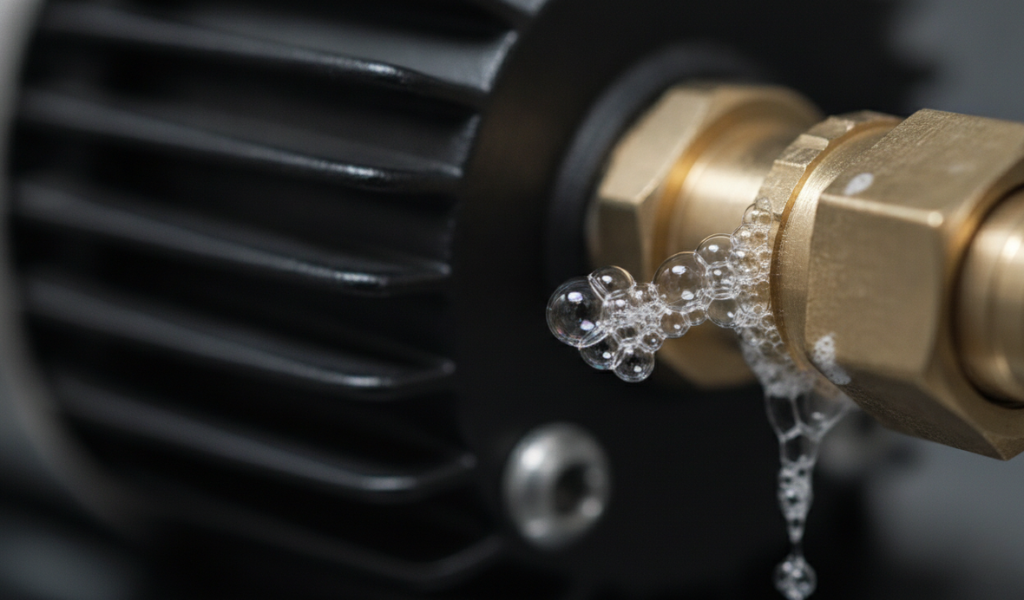
Apply a mixture of soapy water to all hose connections, fittings, and valve joints while the system is pressurized. Bubbles forming at any point indicate a leak. Even small leaks are worth fixing—they force the motor to run longer and increase energy costs.
Can I use my air compressor in cold weather?
Yes, but cold temperatures affect performance. Oil thickens in the cold, making startup harder on the motor. Condensation also increases in cold environments, so drain the tank more frequently. Some manufacturers specify a minimum operating temperature—check your manual for guidance.
How long does an air compressor typically last with proper maintenance?
A well-maintained reciprocating compressor generally lasts 10 to 15 years. Rotary screw compressors in commercial settings can last 20 years or more with consistent servicing. Neglected units often fail well before those benchmarks, making regular maintenance one of the best investments you can make in the equipment.
Do oil-free compressors need less maintenance than oil-lubricated ones?
Oil-free compressors don’t require oil changes, which simplifies upkeep. However, they still need regular filter cleaning, tank draining, and belt inspection (on belt-driven models). They also tend to wear faster under heavy use, so don’t assume oil-free means maintenance-free.