Physical Address
304 North Cardinal St.
Dorchester Center, MA 02124
Physical Address
304 North Cardinal St.
Dorchester Center, MA 02124

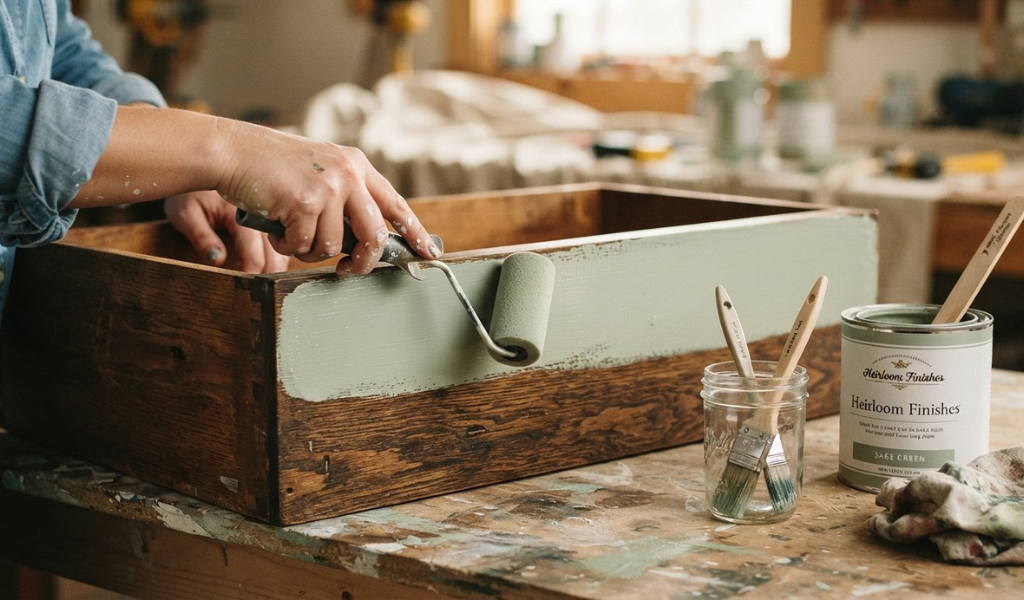
Refinishing old furniture used to mean hours of dusty, back-breaking sanding. But here’s the thing: you don’t always need to sand. With the right products and a solid prep routine, you can paint wood furniture without sanding and still get a result that looks clean, durable, and professionally done.
This guide walks you through the entire process of painting wood furniture without sanding, from choosing the right primer to applying a protective topcoat. Whether you’re working on an antique dresser, a tired coffee table, or laminate furniture, you’ll find practical advice here for every scenario.
If you’ve ever wanted to learn more about wood prep in general, The Complete Guide to Sanding Wood is a great companion resource, especially if you’re dealing with heavily damaged or peeling surfaces that may need more than a cleaning before paint.
But for most furniture projects? Skipping the sanding is completely doable. Let’s get into it.
Sanding furniture is messy, time-consuming, and physically demanding. It fills the room with fine dust, requires protective gear, and adds a significant chunk of time to any DIY furniture painting project. For smaller pieces or furniture with intricate detail work, sanding can actually damage delicate edges or carvings.
Beyond convenience, there are practical reasons to skip sanding. If you’re working with old painted furniture that has multiple layers of paint, sanding it all down introduces the risk of disturbing lead-based paint, which is a genuine health hazard in homes built before 1978. Skipping the sanding and using a bonding primer instead is often the safer choice.
There’s also the issue of wood veneer. Veneer is an incredibly thin layer of real wood glued over a base material. Sand it too aggressively and you’ll cut right through it, leaving an unsalvageable surface. For veneer furniture, painting without sanding or priming aggressively is far less risky.
Yes, you absolutely can paint wood furniture without sanding, and many experienced furniture painters do it regularly. The key is that sanding was traditionally used to do two things: rough up the surface so paint has something to grip, and smooth out imperfections. Modern bonding primers and specially formulated paints like chalk paint and mineral paint have largely replaced the need for sanding first.
Chalk paint, for example, was specifically designed to adhere to surfaces without any prep sanding. Mineral paint behaves similarly. When used correctly with a bonding primer, even regular latex paint can stick to an unscuffed wood surface without peeling or chipping prematurely.
That said, skipping sanding does not mean skipping preparation entirely. Cleaning the furniture thoroughly is non-negotiable, and we’ll cover exactly how to do that below.
Not every piece of furniture is equally suited to a no-sand approach. Here’s a general breakdown:
Great candidates for painting without sanding:
Pieces that may need at least light sanding:
If your furniture has significant damage or multiple thick layers of old paint, a light sanding in those specific spots before priming is worth it. You don’t have to sand the whole piece, just the problem areas.
Getting the right supplies together before you start will make the whole process smoother.
You’ll need a degreaser or TSP (trisodium phosphate) substitute to cut through grease, grime, and wax residue. Dish soap and warm water work for lightly soiled pieces, but a dedicated furniture cleaner gives you better results. Have clean rags or microfiber cloths on hand.
This is the most important product in your no-sand toolkit. A bonding primer chemically adheres to glossy or slick surfaces, giving your paint something to grip. Look for a shellac-based primer (like Zinsser BIN) or a water-based bonding primer. Both work well; shellac-based primers are particularly good at blocking stains and tannin bleed from natural wood.
Not all paint is created equal when it comes to furniture. Chalk paint and mineral paint are your most forgiving options since they’re designed to bond without heavy prep. Latex paint works well when paired with a proper bonding primer. Oil-based paint is more durable but takes much longer to dry and has a stronger smell. For most DIY furniture painting projects, a water-based latex or chalk paint is the sweet spot.
Use a high-quality synthetic brush for flat surfaces and detailed areas. A small foam roller is great for large, flat sections because it minimizes brush marks. A paint sprayer gives the smoothest finish of all, though it requires more masking and cleanup.
Once your paint is dry, a protective topcoat seals and hardens the surface. Options include water-based polycrylic, furniture wax, and polyurethane. Polycrylic is a popular choice because it dries clear, applies easily, and is compatible with most paint types including chalk paint.
Good preparation is what separates a paint job that lasts from one that chips within weeks.
Take off all knobs, handles, hinges, and drawer pulls before you start. Paint them separately or replace them entirely if they’re looking worn. Remove drawers so you can paint the drawer fronts and the furniture frame independently.
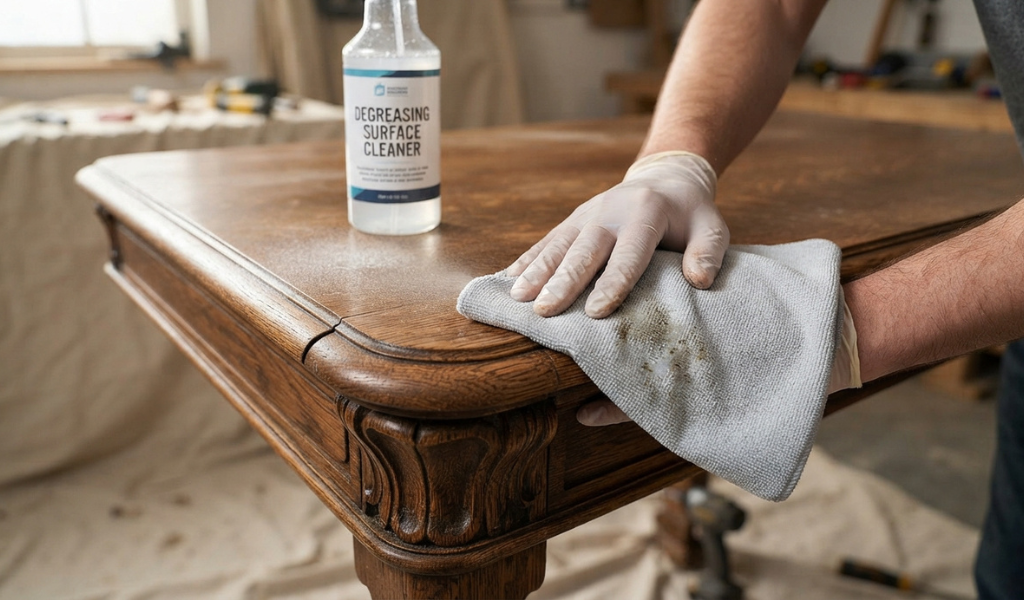
This step is critical. Any dirt, grease, or wax left on the surface will prevent the primer from bonding properly. Wipe the entire piece down with your degreaser, working in the direction of the wood grain. Pay close attention to drawer handles, corners, and any areas that get touched frequently, since these collect the most grease.
If the furniture has been waxed in the past (this is common with chalk-painted pieces), use a wax remover or mineral spirits to strip the wax before priming. Applying paint over wax is one of the most common reasons DIY paint jobs fail.
Fill cracks, holes, and gouges with a wood filler or spackling compound. Let it dry completely, then smooth it lightly with a damp cloth or fine-grit sponge if needed. You don’t need to sand the whole piece, just feather out the filled spots.
Before applying primer, make sure the furniture is completely dry. Moisture trapped under primer or paint is a common cause of bubbling and peeling. If you cleaned the piece with a wet rag, give it at least an hour to air dry in a well-ventilated area.
The best paint for wood furniture without sanding depends on the look you’re after and how much durability you need.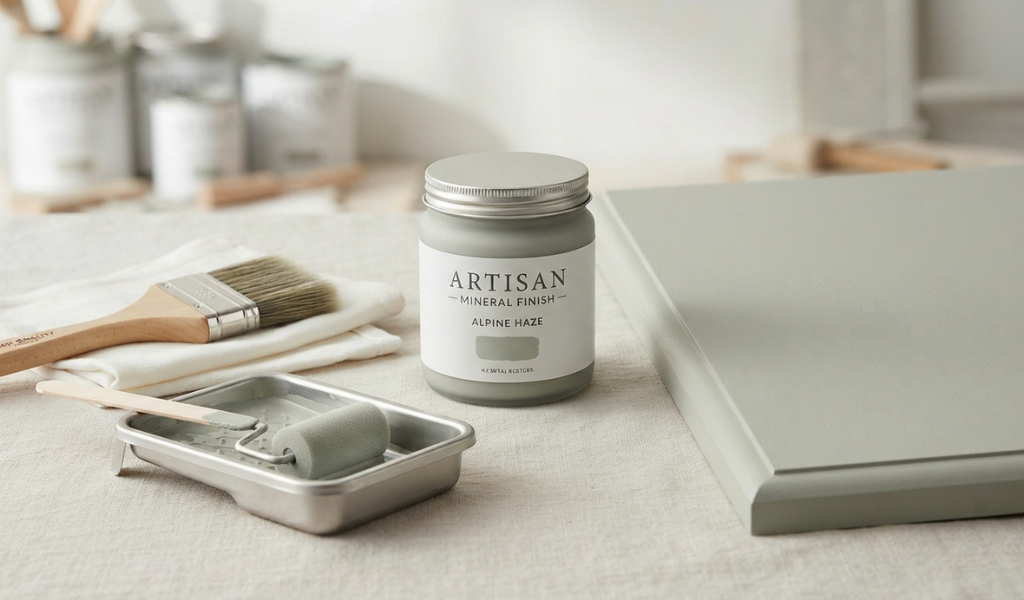
Chalk paint gives a matte, chalky finish with excellent adhesion and is probably the most popular choice for DIY furniture painting. It requires a wax or polycrylic topcoat to protect it.
Mineral paint is self-sealing, meaning it hardens without a separate topcoat in many cases. It’s a great option if you want a durable finish with fewer steps.
Latex paint is widely available at any paint store including Home Depot, comes in thousands of colors, and works well with a bonding primer. Use an eggshell or satin finish for furniture since flat finishes are harder to clean.
Oil-based paint creates a very hard, durable finish but is slower to dry and harder to clean up. It’s a solid choice for cabinets and furniture that takes heavy daily use.
Avoid regular wall paint for furniture. It’s not formulated to handle the wear and tear that furniture surfaces experience.
Use your degreaser to thoroughly clean every surface you plan to paint. Rinse with a clean damp cloth, then let it dry completely.
Apply wood filler to any cracks or holes. Let it cure fully according to the product instructions, then smooth the surface.
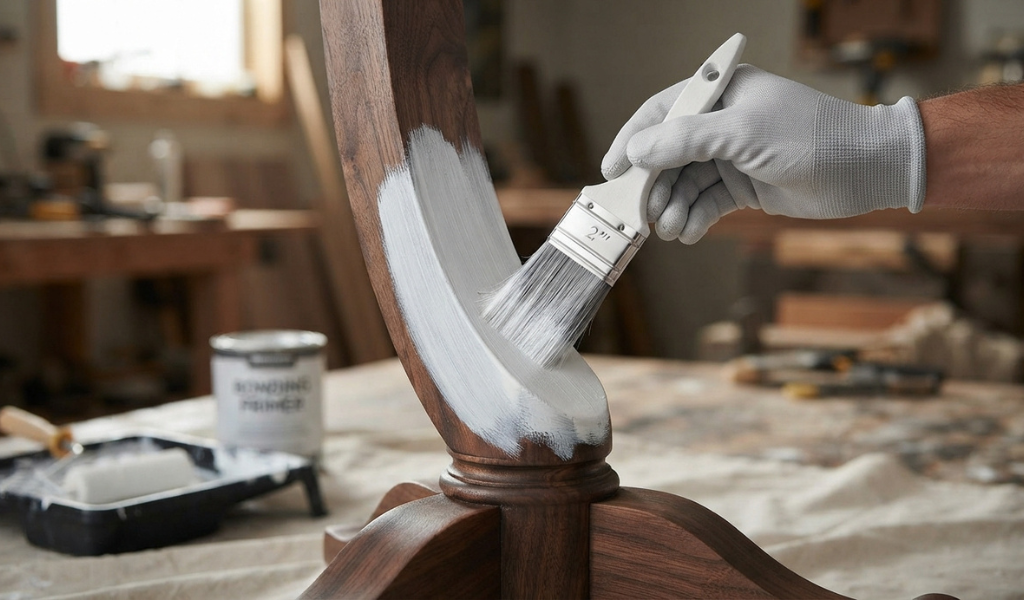
Apply a thin, even coat of bonding primer using a brush or roller. Work in the direction of the wood grain. Let it dry according to the manufacturer’s recommendations, usually one to two hours. If you’re painting over a dark color or a piece with visible stains, apply a second coat of primer.
Once the primer is fully dry, apply your first coat of paint using long, smooth strokes. Don’t overload the brush or roller. A thin coat is always better than a thick one. Let it dry completely before moving on.
Most furniture needs two to three coats of paint for full, even coverage. Lightly wiping the surface with a barely damp cloth between coats can help knock down any dust or texture without actual sanding. Make sure each coat is fully dry before applying the next.
Once your final coat of paint is dry, apply a protective topcoat. Polycrylic works well over most paints and dries clear. Furniture wax is another option, especially over chalk paint, though it needs to be reapplied periodically.
Laminate furniture can be tricky because paint doesn’t naturally grip laminate. A bonding primer is essential here, and even then, handle the piece gently until the paint has fully cured. Learning how to paint laminate furniture without sanding starts with this primer step.
Veneer furniture responds well to chalk paint or mineral paint since these adhere without aggressive prep. Clean the surface well and apply primer carefully, avoiding heavy coats that could cause the veneer edges to lift.
Antique furniture often has layers of old paint and varnish. A shellac-based primer is your best friend here since it blocks bleed-through from tannins in older wood and adheres over most existing finishes.
Varnished wood can be painted over without sanding if you use a bonding primer. Clean it thoroughly, apply the primer, and let it cure fully before painting.
Thick coats of paint dry slower and are more likely to drip, sag, or show brush marks. Multiple thin coats always produce a smoother result.
A foam roller on flat surfaces dramatically reduces brush marks. For a truly smooth finish, a paint sprayer gives results that brushes and rollers simply can’t match.
Rushing between coats is a common mistake. Even if the paint feels dry to the touch, it may not be fully set. Follow the manufacturer’s drying time recommendations, and add extra time in humid conditions.
Load your brush with a moderate amount of paint and use long, consistent strokes. If you see drips forming, catch them immediately with the tip of your brush before they dry.
No amount of quality primer or paint will compensate for a dirty surface. Grease and wax will prevent adhesion no matter what. Clean the furniture thoroughly before you do anything else.
Not all primers bond to slick surfaces. Standard drywall primer will not work on furniture. Always use a bonding primer specifically labeled for furniture or glossy surfaces.
Thick coats look tempting because they seem like they’d cover faster, but they lead to drips, long dry times, and an uneven surface. Thin coats are always the better approach.
Wax is paint’s enemy. If the furniture has been treated with wax at any point, it must be removed completely before priming. Even a thin wax residue will cause the new paint to bead up or peel.
Paint may feel dry after a few hours, but full curing can take days or even weeks depending on the paint type. Putting heavy objects on a freshly painted surface or reassembling drawers too soon can cause scratches and dents in the paint film.
A good topcoat is what keeps your paint job looking great for years. The right choice depends on your paint type and how much use the piece gets.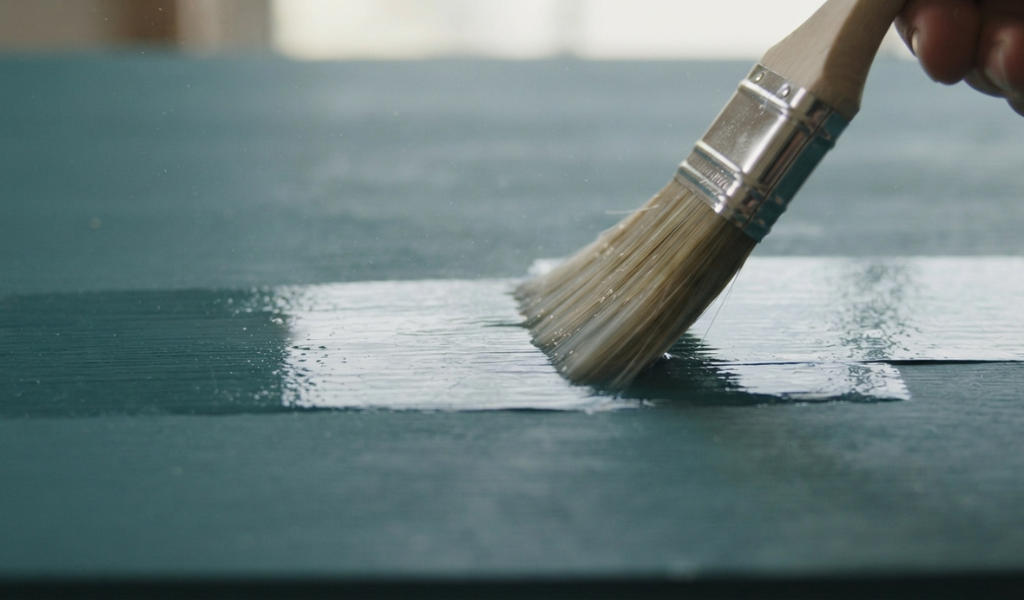
Polycrylic is water-based, dries clear, and works well over chalk paint, latex paint, and mineral paint. Apply two to three coats, letting each one dry fully before the next.
Furniture wax is ideal over chalk paint and gives a soft, matte sheen. It needs to be reapplied every year or so with regular use.
Polyurethane is the most durable option and is best for high-traffic pieces like dining tables and chairs. It can yellow slightly over time on light colors, so keep that in mind for white or cream painted furniture.
Always let painted furniture cure fully before using it daily. Curing typically takes two to four weeks depending on the product and conditions.
Painting wood furniture without sanding is not just possible; for most home projects it’s actually the smarter approach. The right bonding primer, a thorough cleaning, and the correct type of paint make all the difference. Follow the steps in this guide and you’ll have a furniture piece that looks refreshed, holds up to daily use, and didn’t require an afternoon of dusty, tedious sanding to get there.
Start with one smaller piece to build your confidence, and you’ll quickly get a feel for how the process works. Once you see the results, you may never want to go back to traditional sanding again.
Can you paint directly on wood without sanding?
Yes, you can paint directly on wood without sanding if you use a bonding primer first and clean the surface thoroughly. The bonding primer creates the adhesion that sanding would normally provide, giving the paint something to grip without roughing up the wood.
Can I paint straight onto varnished wood?
You can paint over varnished wood without sanding if you apply a bonding primer first. The primer bonds to the varnish, and your paint then adheres to the primer. Clean the varnished surface well before priming to remove any wax or grease.
Is it better to hand paint or spray paint wood furniture?
Both methods work well. A brush and roller give you more control and are easier for beginners, while a paint sprayer produces a smoother, more professional-looking finish. For pieces with detailed trim or carvings, a brush is usually the better choice. For large flat surfaces, a sprayer is hard to beat.
Can I paint wooden furniture without sanding it?
Absolutely. Chalk paint, mineral paint, and latex paint used with a bonding primer all adhere to wood furniture without sanding. Proper cleaning and priming are the key steps that replace the need to sand furniture before painting.
Do I need to seal painted wood furniture?
Yes. A protective topcoat is important for painted furniture, especially pieces that get regular use. Without a sealer, paint can chip, scratch, and wear down quickly. Polycrylic, furniture wax, and polyurethane are all solid options depending on the paint type and how much durability you need.
Can you paint over lead-based paint?
Painting over lead-based paint is possible, but it requires careful preparation and safety precautions. You should not sand surfaces with lead-based paint since sanding releases harmful dust. Applying a bonding primer and encapsulating the old paint with new layers is a common approach, but if you suspect lead-based paint, consult a professional before starting any DIY project.
Can you paint over varnished wood without sanding?
Yes. A bonding primer applied over a clean varnished surface will allow paint to adhere without sanding. Clean the varnished wood thoroughly, remove any wax with mineral spirits, apply the bonding primer, and then paint as normal. This approach works well on most furniture with a varnished finish.