Physical Address
304 North Cardinal St.
Dorchester Center, MA 02124
Physical Address
304 North Cardinal St.
Dorchester Center, MA 02124

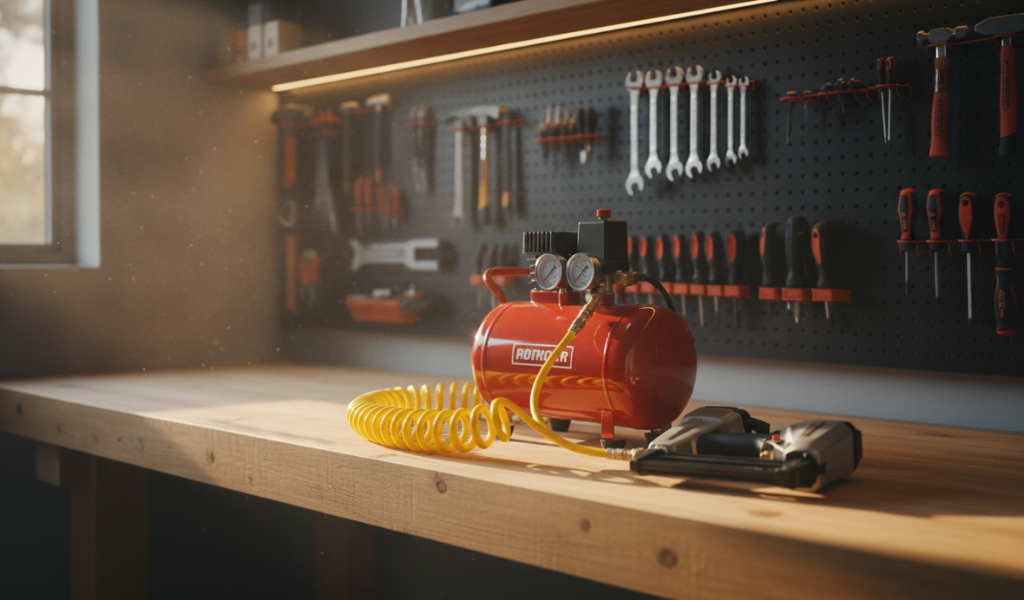
Ever wondered how a mechanic loosens a stubborn bolt in seconds, or how your fridge keeps your food cold day after day? The answer often comes down to one hardworking machine: the air compressor. So what is an air compressor used for, exactly? In short, it powers tools, runs appliances, inflates objects, and keeps countless industries moving—all by squeezing air into a smaller space and putting that pressure to work.
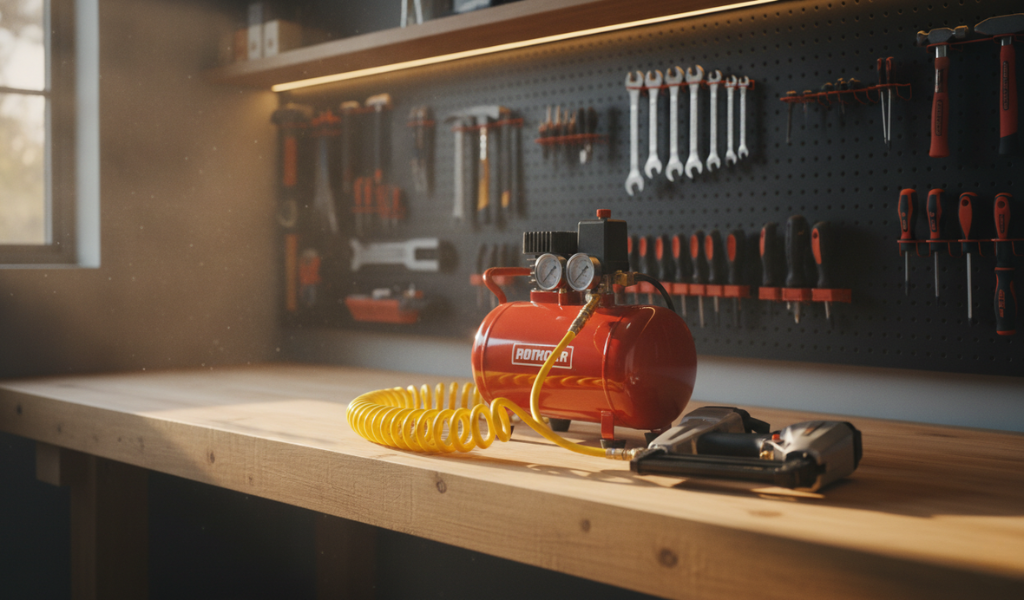
Air compressors are everywhere, even if you don’t always notice them. They sit quietly in your garage, hum inside hospital equipment, and roar on construction sites. Whether you’re a curious homeowner, a weekend DIYer, or a business owner weighing your options, understanding how these machines work can save you time, money, and effort.
In this guide, we’ll break down the many uses of air compressors at home, in workshops, and across major industries. You’ll also pick up practical tips on how to use an air compressor safely and how to maintain air compressor systems so they last for years.
Before diving into the uses, let’s answer a simple question: what is a compressor? At its core, a compressor is a machine that takes in air (or gas) and squeezes it into a smaller volume. This raises the pressure of the air, which can then be stored in a tank and released when needed.
Think of it like blowing up a balloon. The more air you push in, the more pressure builds up inside. An air compressor does the same thing, but with far more power and control. That stored, pressurized air becomes a flexible source of energy you can use to run tools, fill tires, spray paint, and much more.
There are different types of compressors, from small portable units you can carry around the house to massive industrial systems that power entire factories. No matter the size, they all share the same basic job: turning ordinary air into a useful, powerful resource.
Air compressors are some of the most versatile machines around. Here are the main areas where they shine:
That’s a wide range of work for one type of machine. Let’s look more closely at how these benefits play out at home and on the job.
You don’t need a factory to enjoy the perks of compressed air. A good home air compressor can make life easier in plenty of ways. The biggest draw? Versatility. One machine can power several tools, which saves both space and money.
Here are some common reasons homeowners invest in an air compressor:
If you love a good weekend project, an air compressor will quickly become your best friend. Air-powered paint sprayers give walls and furniture a smooth, even coat. Pneumatic nail guns and staplers speed up carpentry, turning hours of hammering into minutes. And for car repairs, impact wrenches and air ratchets make quick work of tight bolts.
Compressed air isn’t just for big builds. Use it to keep your bike and car tires properly inflated, which improves safety and saves fuel. Before winter, you can blow water out of your sprinkler lines to stop the pipes from freezing and cracking. Air-powered drills and grinders also handle smaller repair jobs with ease.
A quick blast of compressed air clears dust from places your hands can’t reach—think computer keyboards, vents, and electronics. Outdoors, it sweeps leaves and dirt off your patio, driveway, or garage floor in no time.
Step into any well-equipped home shop and you’ll likely find an air compressor humming in the corner. It acts as a central power source for a whole lineup of pneumatic tools.
Some of the most popular air-powered tools for a home shop include:
Beyond powering tools, a workshop compressor handles inflation duties for tires, sports gear, and air mattresses. It also tackles cleaning jobs, like blowing sawdust off your workbench or clearing debris from machinery. And when it’s time to paint, an air-powered sprayer delivers a professional finish on fences, furniture, and large surfaces.
For businesses, compressed air is more than a convenience—it’s a productivity booster. Companies across many fields lean on it for a few key reasons.
First, there’s efficiency. Air-powered tools often work faster than electric ones, which keeps projects moving and labor costs down. Then there’s versatility, since a single compressed air system can serve many departments at once. Air tools are also reliable, with fewer parts to break and lower repair bills as a result.
Safety matters too. Compressed air systems give off less heat and noise, which makes for a more comfortable and secure workplace. On top of that, modern compressors are built with energy-efficient technology that cuts down on emissions, helping businesses meet their sustainability goals without slowing production.
Industries of all kinds depend on compressed air to keep operations running smoothly. Here’s how different sectors put it to work.
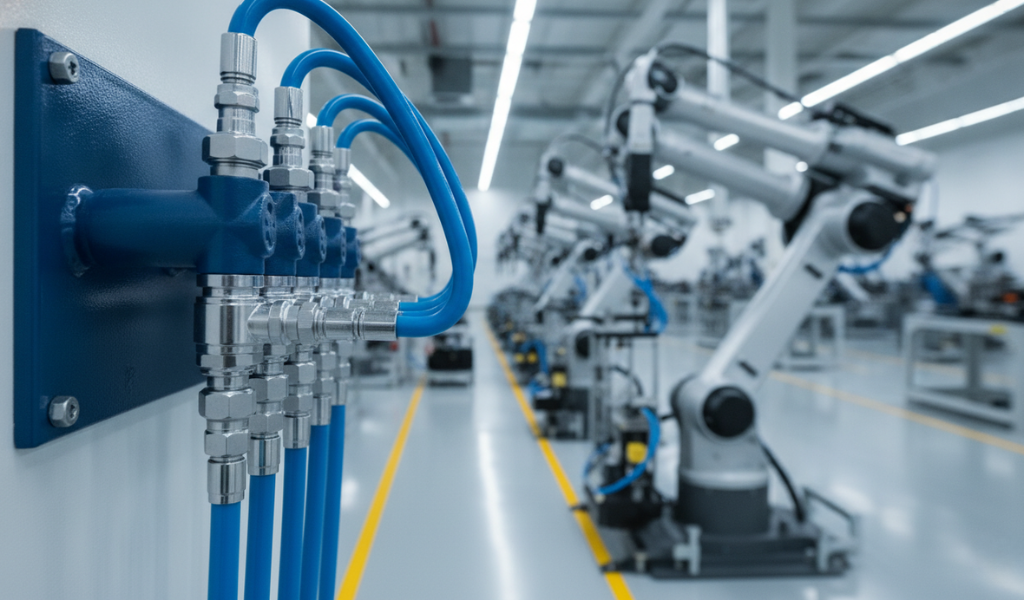
On the factory floor, compressed air powers drills, grinders, and polishers. It also runs automated assembly lines and robotics, plus it handles packaging and sealing tasks with speed and consistency.
Car makers and repair shops use compressed air to paint vehicle parts, run impact wrenches, and inflate tires during production. The result is faster assembly and a cleaner finish.
In food plants, compressed air operates filling and packaging machines, cleans equipment, and moves raw materials through the production line. Because it can be filtered for cleanliness, it’s a safe fit for sensitive environments.
Hospitals and drug makers count on clean compressed air to run medical and dental equipment, supply laboratories and cleanrooms, and power pumps and valves in manufacturing.

Out on job sites, compressed air drives drilling, excavating, and demolition tools. It also powers sandblasting equipment used to strip rust and prep surfaces before painting.
Across these industries, compressed air also handles material conveying, surface cleaning, coating, and even cooling through tools like air knives and vortex tubes. Few power sources are this adaptable.
Knowing how to use an air compressor the right way protects both you and your equipment. The basics are simple, but they make a big difference.
Start by reading the manufacturer’s manual so you understand your machine’s pressure limits. Always match the compressor’s PSI (pressure) and CFM (airflow) ratings to the tool you’re using. Running a tool on the wrong settings can damage it or cause injury.
Before you begin, put on the right safety gear: safety glasses, gloves, and ear protection. Never aim compressed air at your skin or clothing, since the pressure can cause serious harm. When you finish, disconnect the compressor from its power source and release any leftover pressure in the tank.
Here’s a quick safety checklist:
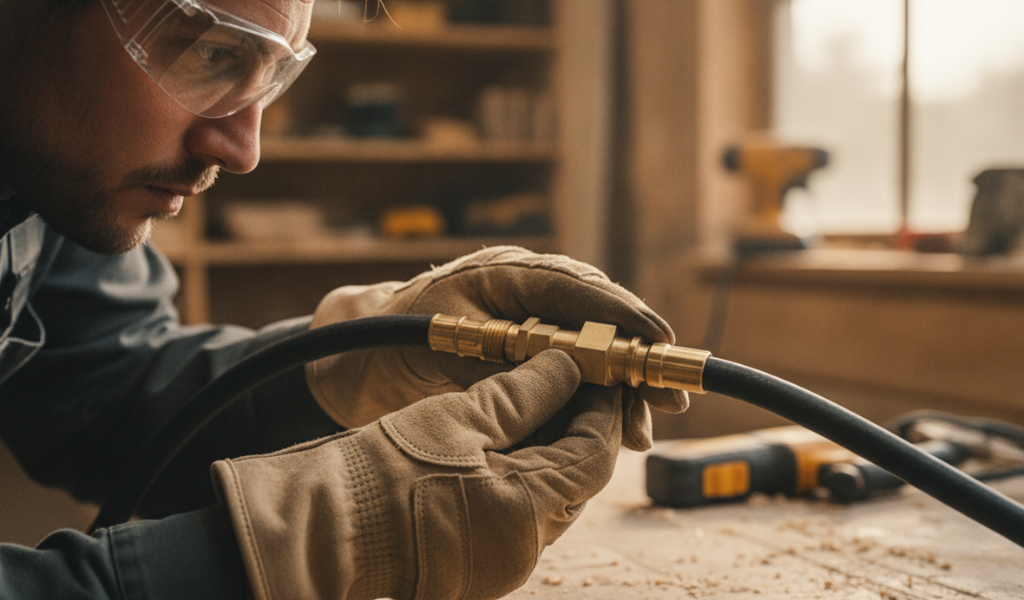
A little care goes a long way. Learning how to maintain air compressor systems keeps them running well and extends their life.
The good news is that most maintenance is straightforward. Check regularly for air leaks, since even small ones force the machine to work harder and waste energy. Keep moving parts properly lubricated according to the manual. Drain moisture from the tank often, because trapped water can lead to rust and damage over time.
Storage matters as well. Keep your compressor in a dry, well-ventilated spot to prevent moisture buildup. Inspect filters and replace them when they get dirty, as a clogged filter chokes airflow and strains the motor. These simple habits will help your compressor serve you reliably for years.
So, what is an air compressor used for? Just about everything. From inflating a flat tire in your driveway to powering an entire production line, this single machine proves its worth again and again. It blends efficiency, versatility, and reliability in a way few tools can match.
If you’re thinking about buying one, start by matching the compressor’s size and ratings to the jobs you have in mind. Take time to learn how to use an air compressor safely, and build a simple routine to maintain air compressor performance over time. Do that, and you’ll have a dependable workhorse ready whenever you need it.
Ready to find the right model? Compare your options, check the specs against your tools, and pick the compressor that fits your home, shop, or business best.
What is an air compressor used for at home?
At home, an air compressor is used to inflate tires and sports equipment, power tools like nail guns and impact wrenches, spray paint, and clean dust from hard-to-reach spots. It’s a versatile machine that can replace several single-purpose tools.
What is a compressor, in simple terms?
A compressor is a machine that pulls in air or gas and squeezes it into a smaller space, raising its pressure. That pressurized air is stored in a tank and released to power tools, run appliances, or inflate objects.
How do I use an air compressor for the first time?
Read the manual, check the PSI and CFM ratings, and match them to your tool. Put on safety glasses and ear protection, connect your tool with a proper hose, and let the tank fill before you start. Always release the pressure and unplug it when you’re done.
How do I maintain an air compressor?
To maintain an air compressor, check for air leaks, lubricate moving parts as needed, drain water from the tank regularly, and replace dirty filters. Store it in a dry, ventilated area to prevent rust and moisture damage.
What size air compressor do I need for home use?
For most home tasks, a small-to-medium portable electric compressor works well. Pick one with a tank capacity and PSI/CFM ratings that match the tools you plan to use. Bigger jobs, like running multiple air tools, call for a larger tank.
Are air compressors safe to use indoors?
Electric air compressors are generally safe indoors because they don’t produce exhaust fumes. Make sure the area is well-ventilated, keep the unit dry, and follow all safety guidelines. Gas-powered models should never run inside due to harmful fumes.
Why does my air compressor build up water in the tank?
Moisture in the air naturally condenses inside the tank as it cools. This is normal, but you should drain the tank regularly to prevent rust and keep your compressed air clean and dry.