Physical Address
304 North Cardinal St.
Dorchester Center, MA 02124
Physical Address
304 North Cardinal St.
Dorchester Center, MA 02124

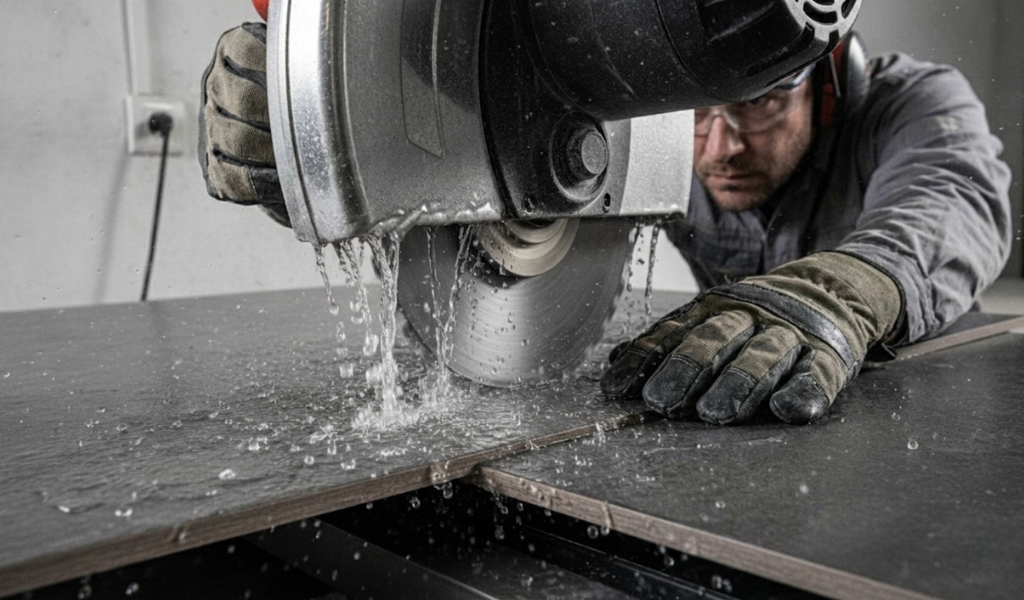
Match your tile cutter to your tile material and project size. Manual tile cutters work best for ceramic tiles and small, straight-cut jobs. Electric tile cutters (wet saws) with diamond blades are essential for porcelain, natural stone, and large-format tiles where precision and power matter most.
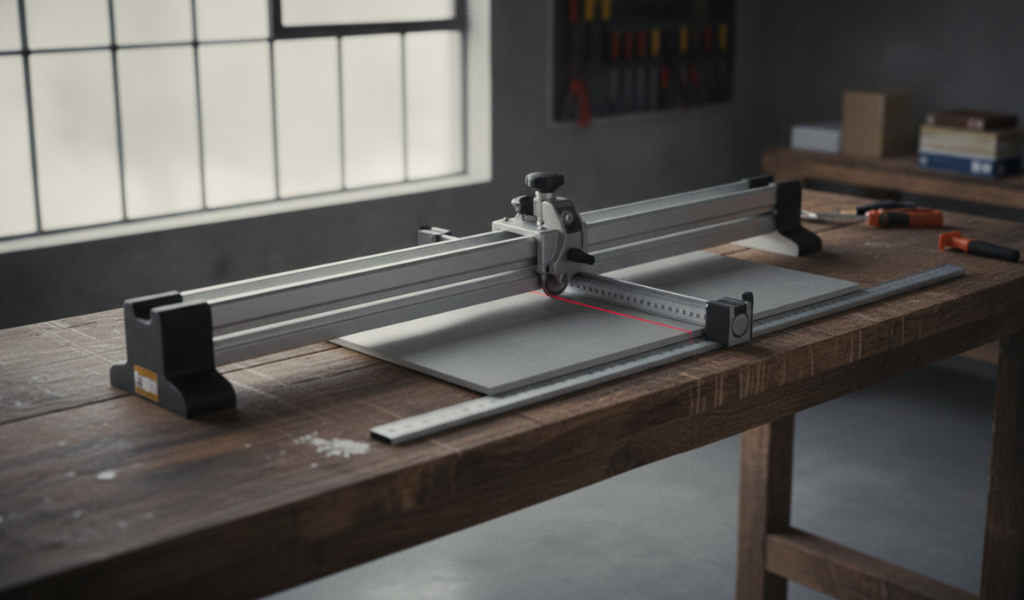
A great tiling job lives or dies by the details. You can pick the perfect tile, plan a flawless layout, and still end up with chipped edges and wasted material—all because of one overlooked decision: the tile cutter.
Tiles don’t give second chances. Unlike timber or plasterboard, a cracked tile is a ruined tile. The wrong cutter risks breakages, ragged edges, and a finish that screams “DIY gone wrong.” The right one delivers clean cuts, less waste, and a faster, safer install.
This guide breaks down exactly which cutter suits your project. We’ll cover how different tile materials affect your choice, when to reach for a manual cutter versus an electric one, and which specialist tools help you nail the finishing touches. By the end, you’ll know how to pick a cutter with confidence.
Tiles are precision products. Each type demands specific blades, pressure levels, and cutting techniques to break cleanly. Use the wrong tool, and you’ll fight the material the whole way—chipping glaze, cracking corners, and burning through your budget on replacements.
The cutting method matters as much as the tool itself. Scoring and snapping with a rail cutter suits some tiles, while scribes and nippers handle others. The right approach depends on the tile’s material, thickness, and the shape you need.
Getting this decision right pays off in three ways:
Whether you’re tiling a small bathroom splash back or a large floor, the precision of each cut shapes the overall look and durability of the finished job.
Before you choose a cutter, look closely at your tile material. There are different types of tile are available like ceramic, porcelain, glass, concrete, and natural stone ,each behave differently under a blade, and matching the tool to the material is the single most important step.
Ceramic tiles are softer and more porous, which makes them the easiest to cut. A manual tile cutter with a scoring wheel and measuring guide handles them beautifully. Score the surface—pressing firmly enough to penetrate the glaze—then snap for a clean, precise break. Ceramic suits walls and floors, and rarely needs anything more than a good manual cutter.
Porcelain is denser and harder than ceramic. For thicker or large-format porcelain, an electric tile cutter with a diamond blade gives you chip-free results that a manual tool struggles to match. Proper scoring depth and pressure are essential, which is why power and a diamond blade make the difference here.
Marble, granite, and slate are tough but brittle, so they call for specialist handling. Wet cutting with an electric tile cutter and diamond blade reduces heat and prevents damage, delivering smooth, accurate cuts on these harder materials.
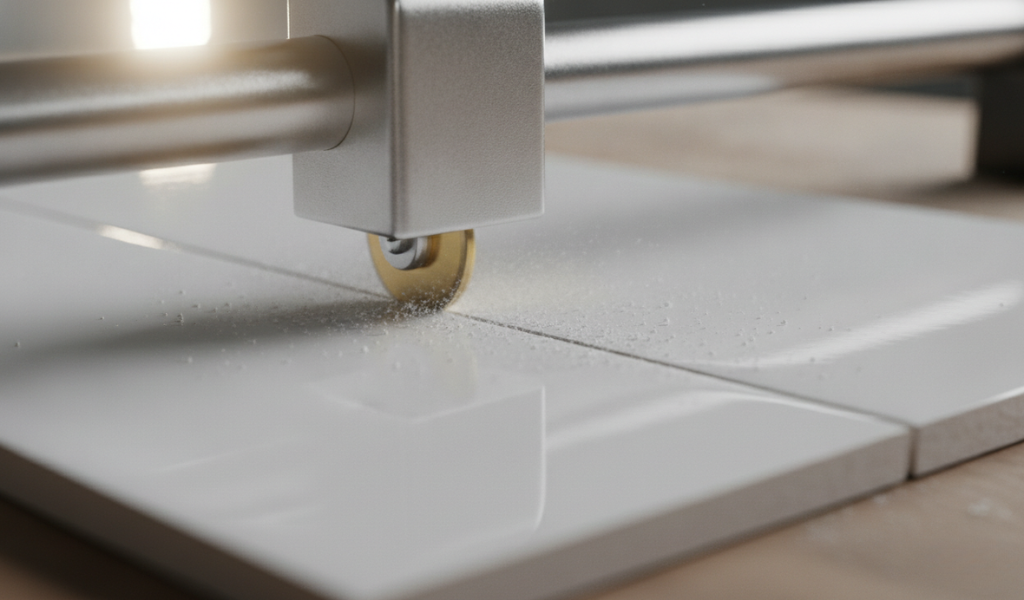
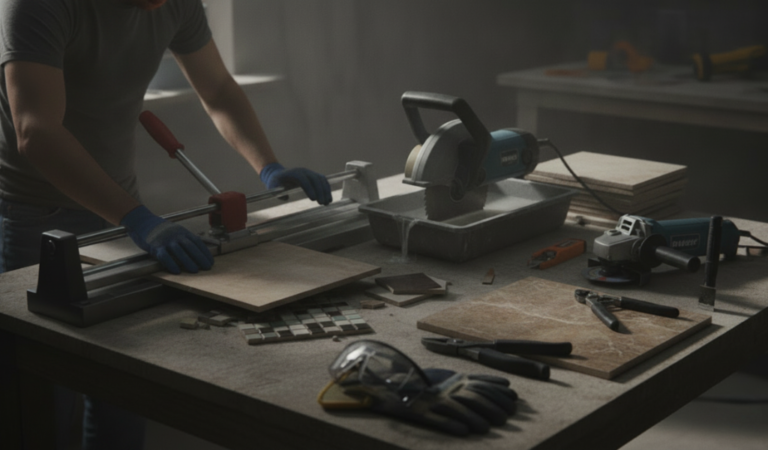
A manual tile cutter is a simple tool that scores and snaps tiles along straight lines. It uses a tungsten carbide scoring wheel and guide rails to stabilize the tile and create a clean scored line, so the break follows exactly where you want it. For smaller or simpler jobs, a tile scribe does a similar job—score first, then snap.
Manual cutters shine on smaller projects: wall tiling, bathroom renovations, and anything involving ceramic tiles. They excel at straight cuts and work well in tight spaces where bulkier tools won’t fit. Lightweight and portable, they’re perfect for quick adjustments on site.
Manual cutters struggle with thick porcelain and dense stone. Applying enough pressure on harder tiles is tough and risks uneven breaks. They also can’t manage intricate, curved, or unusual shapes. For diagonal cuts or awkward angles, you’ll need an electric cutter or wet saw.
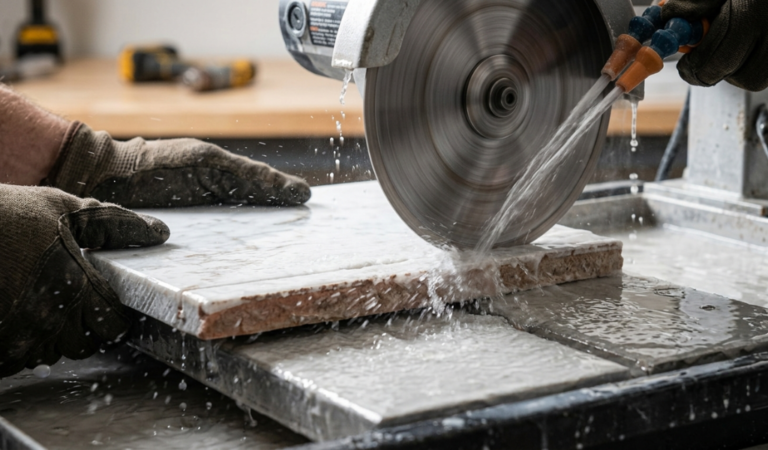
Electric tile cutters—often called wet saws—use a spinning diamond blade to grind through tiles. Most models cool the blade with water, which cuts down on heat and dust while preventing cracks and chips. That water cooling also makes them suitable for delicate materials like glass tiles, which need extra care for clean edges.
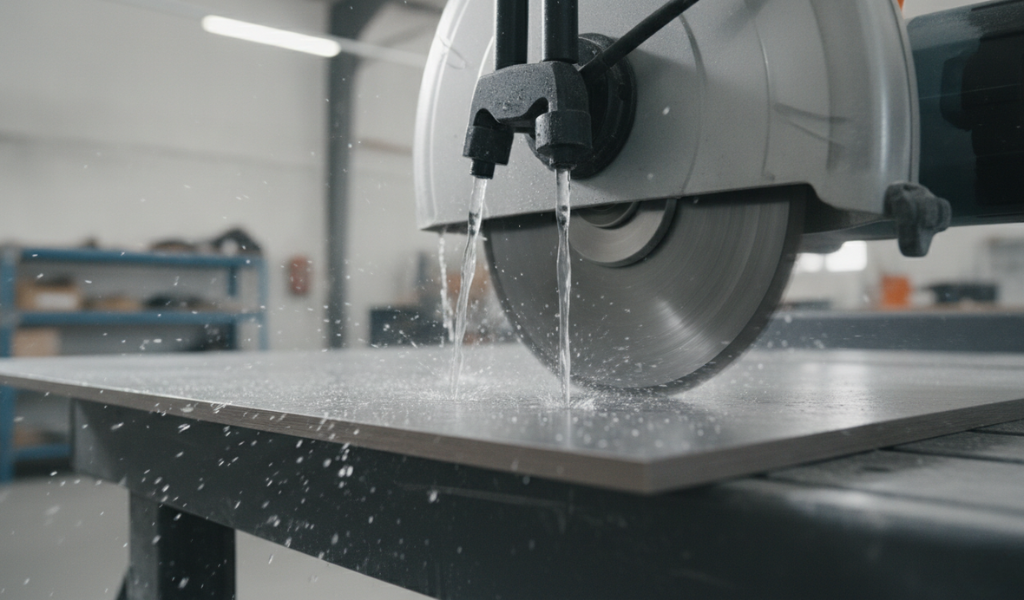
If your project involves large-format floor tiles, porcelain, or natural stone, an electric cutter becomes essential. These machines handle both straight cuts and intricate shapes—L-cuts, U-cuts, and rounded corners—with ease.
Electric cutters are the go-to for professionals and larger renovations where speed, precision, and versatility all matter at once.
Large-format tiles need extra care and the right setup. These heavier tiles—whether porcelain, natural stone, or other formats—require solid support during cutting to avoid cracking under their own weight.
An electric tile cutter or wet saw with a diamond blade is usually the best choice, offering the power and stability for clean, accurate cuts. A manual cutter can work, but only with a steady hand and consistent pressure. Choose a cutter designed for larger tiles to accommodate the size and thickness, and apply even pressure to avoid uneven snapping.
For porcelain or stone, always use a diamond blade or high-quality scoring wheel suited to the harder material. Straight cuts are manageable, but intricate shapes almost always call for an electric cutter. The best tool for the job is the one that matches both your tile material and the complexity of your cuts.
Manual and electric cutters cover most needs, but some situations call for finishing tools.
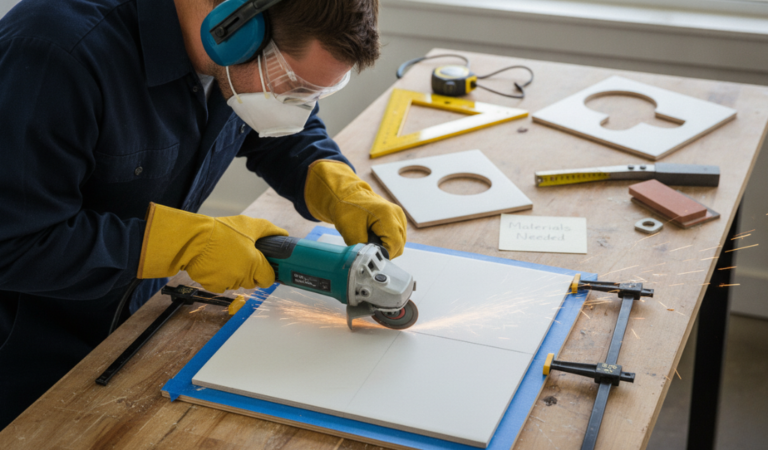
An angle grinder fitted with a diamond blade shapes tiles and polishes edges. It’s especially handy for cutting curves or notches where standard cutters can’t reach.
Tile nippers handle small adjustments. After a cut, use them to nibble away tiny sections or smooth edges around pipe fittings and corners.
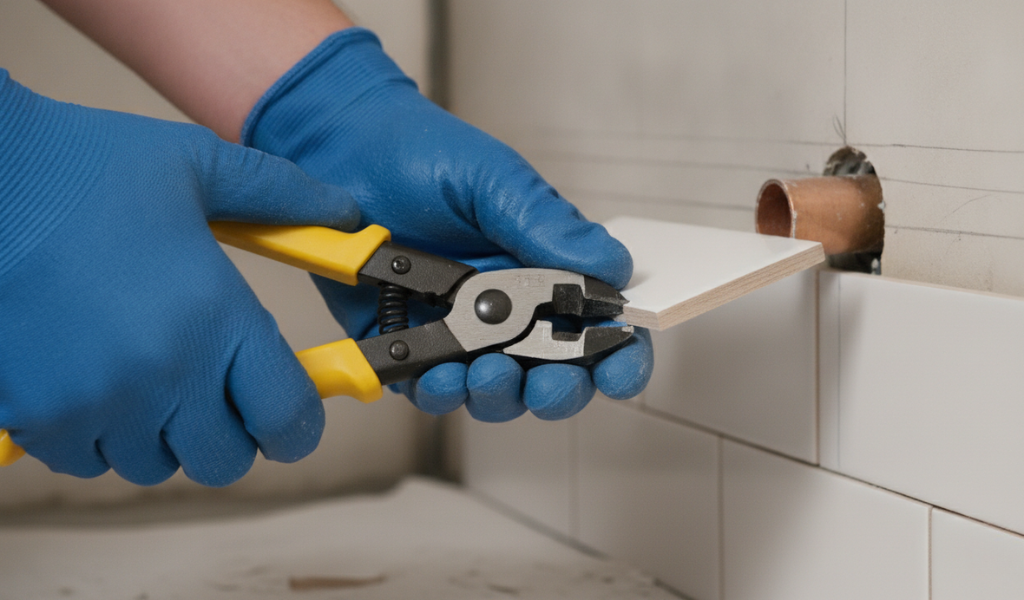
Neither tool is a primary cutter, but both are invaluable for achieving a clean, professional finish.
Your choice comes down to project size and tile type:
Many professional tilers keep both on hand—reaching for a manual cutter for quick straight cuts and an electric saw for tougher, more detailed work. If your projects vary, owning both gives you the flexibility to handle anything.
Choosing a manual tile cutter or electrical tile cutter isn’t about buying the most powerful tool—it’s about how you use them and matching the tool to your tiles and your project. Soft ceramic on a bathroom wall? A manual cutter does the job. Dense porcelain across a large floor? An electric wet saw earns its keep.
Start by identifying your tile material, then consider the size of the job and the complexity of the cuts you’ll need. Add an angle grinder and tile nippers for finishing touches, and you’ll have everything you need for clean edges and a professional result.
Take a moment to plan your tools before you start, and your tiling project will reward you with a finish that looks like it came straight from the pros.
A manual cutter can handle thinner porcelain, but it struggles with thick or dense porcelain tiles. Applying enough pressure to score them cleanly is difficult and often leads to uneven breaks. For reliable, chip-free cuts on porcelain, an electric tile cutter with a diamond blade is the safer choice.
No. Ceramic tiles are soft and porous, so a manual tile cutter with a scoring wheel cuts them cleanly. A wet saw is only necessary for harder materials like porcelain, natural stone, or for intricate shapes that a manual cutter can’t produce.
Natural stone like marble, granite, and slate is tough but brittle, so it needs an electric tile cutter with a diamond blade. Wet cutting reduces heat and prevents cracking, giving you smooth, accurate edges on these harder materials.
For curves, notches, and rounded shapes, use an angle grinder fitted with a diamond blade. Tile nippers also help with small adjustments, like trimming around pipe fittings and corners. Standard manual and electric cutters are built for straight cuts, so these specialist tools handle the detailed work.
If your projects vary in size and material, yes. Many professional tilers use a manual cutter for quick straight cuts and an electric saw for hard materials or intricate work. Owning both gives you the flexibility to handle any job without compromising on quality.