Physical Address
304 North Cardinal St.
Dorchester Center, MA 02124
Physical Address
304 North Cardinal St.
Dorchester Center, MA 02124

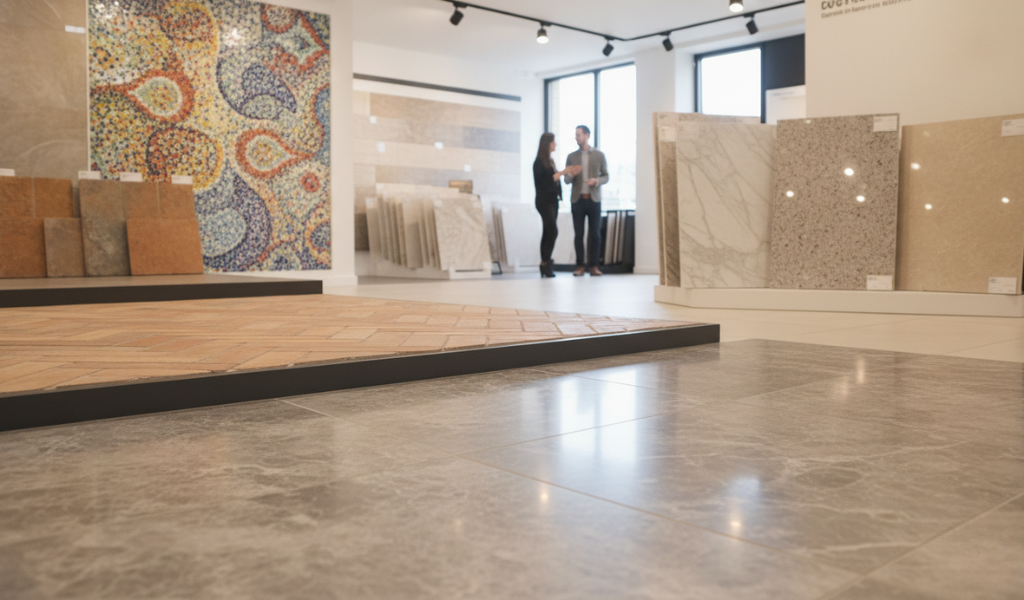
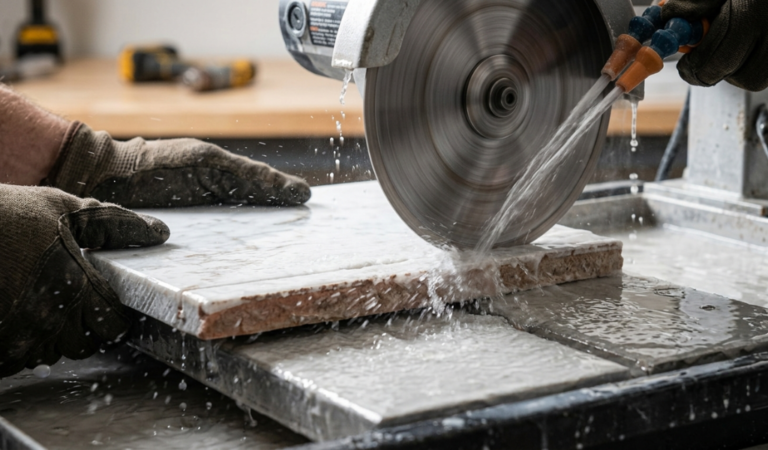
Choosing the right floor can feel overwhelming, especially when you start looking at all the different types of floor tile available, you will need tile cutters also. Either it’s a manual tile cutter or electrical cutter, you have to choose wisely. Walk into any tile showroom and you’ll see rows of ceramic, porcelain, marble, granite, and more. Each one has its own look, feel, and purpose. Picking the wrong one can lead to cracked floors, water damage, or a kitchen that just doesn’t feel right.
This guide breaks it all down in plain language. Whether it is your first tile project or you’re a homeowner planning a renovation or a contractor wanting a quick refresher, you’ll learn how to classify types of floor tile, explore the main types of stone tile, and understand the key differences between wall tile and floor tile. By the end, you’ll feel confident picking the tile that fits your space, budget, and lifestyle.
Floor tiles are available in several materials, including ceramic, porcelain, quarry, mosaic, marble, granite, and limestone. Each type offers different levels of durability, water resistance, maintenance requirements, and cost, making certain options better suited for kitchens, bathrooms, living rooms, commercial spaces, or outdoor applications.
Before you fall in love with a color or pattern, it helps to know how tiles are grouped in the first place. Learning how to classify types of floor tile makes shopping a lot easier, because you’ll understand why certain tiles work better in certain rooms.
Tiles are usually sorted by a few key factors. First, there’s the surface finish, which can be glazed or unglazed. Glazed tiles have a glassy coating that adds color and protects against stains, while unglazed tiles show their natural material.
Next is the installation area. Some tiles are made for indoor use, others for outdoors, and some specifically for floors versus walls. This matters more than people think, since a tile built for a wall can crack under the weight of foot traffic.
Then there’s the manufacturing process. Tiles can be pressed or extruded, which affects their shape and strength. Finally, there’s water absorption. Tiles are rated as high, medium, or low absorption. A low-absorption tile resists water and frost, making it perfect for bathrooms, kitchens, or outdoor patios.
Keep these factors in mind as we walk through each tile type. They’ll help you match the right tile to the right job.
Most floor tiles fall into a handful of popular categories. Here’s a closer look at the ones you’ll come across most often.
Ceramic is easily one of the most popular types of floor tile, and for good reason. It’s affordable, durable, and comes in nearly endless colors and patterns. Made from clay and finished with a protective glaze, ceramic tiles let designs and colors really pop.
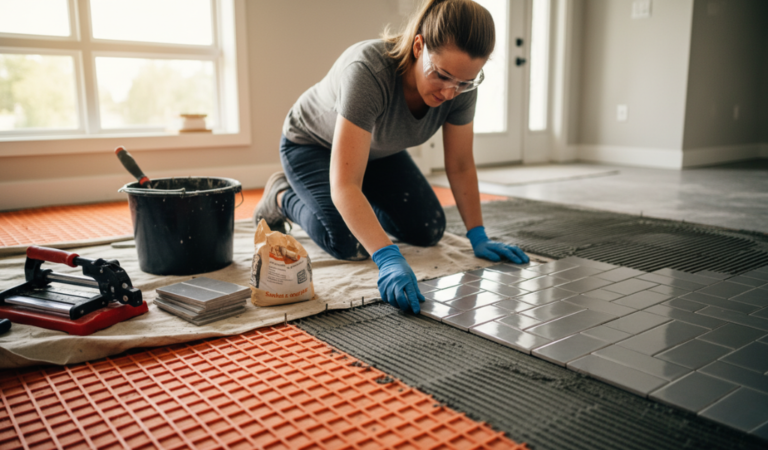
Because ceramic is lighter than many other tiles, it’s also easier to cut and install. That’s great news for DIY renovators. The one thing to watch out for is water. Ceramic tends to absorb moisture, so it’s best kept indoors rather than on an exposed patio. It also doesn’t hold heat well, which means it can feel chilly underfoot during winter mornings.
Real-life tip: ceramic works beautifully in living rooms, hallways, and bedrooms where you want style without a big price tag.
Porcelain is a close cousin of ceramic, but with a few important upgrades. It’s made from a denser clay and fired at much higher temperatures. The result is a tile that’s tougher, harder, and far more resistant to chips and cracks.
Thanks to that density, porcelain barely absorbs any water. This makes it a strong choice for bathrooms, kitchens, and even outdoor spaces in cold climates where frost is a concern. You’ll find porcelain in polished, unpolished, and glazed versions, so there’s a finish for almost any style.
Many experts consider porcelain the best all-around floor tile. 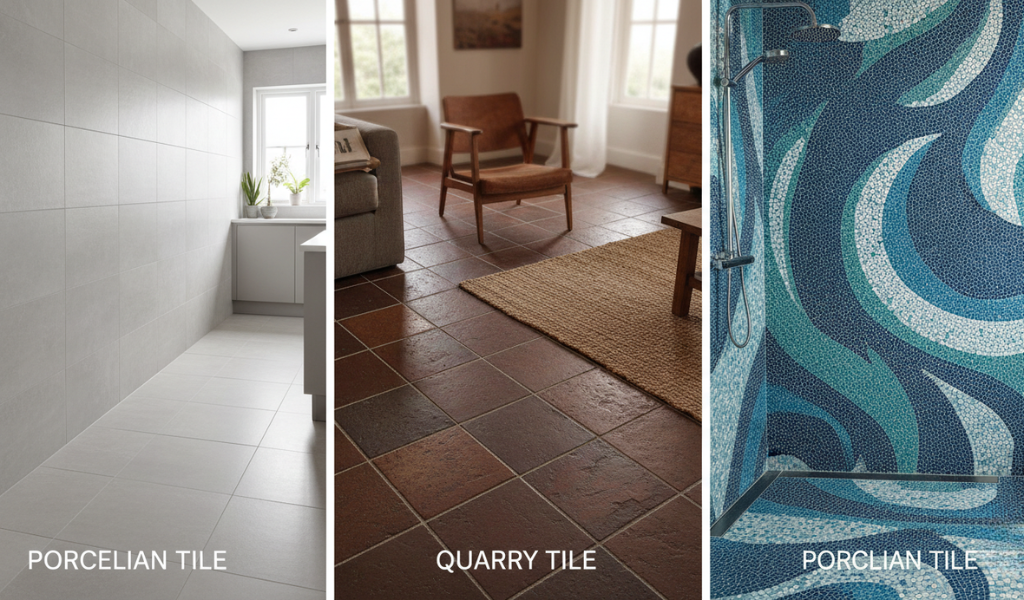 It costs a bit more than ceramic, but its strength and water resistance often make it worth the extra spend, especially in busy households.
Despite the name, quarry tile doesn’t come from a quarry. It’s made by grinding together natural minerals like clay, feldspar, and shale, then shaping and firing them. The process creates a tile that’s hard, dense, and very low in water absorption.
These qualities make quarry tile a great pick for outdoor areas, patios, and high-traffic spots. It naturally resists water, so it holds up well even in damp conditions. Quarry tile usually comes in earthy, reddish-brown tones, giving spaces a warm and rustic feel.
Mosaic tiles are the small, eye-catching pieces you often see in bathrooms, kitchen backsplashes, and shower floors. Usually about one inch in size, they’re easier to fit into tight or curved spaces than larger tiles.
The magic of mosaic tile is in the detail. You can create patterns, borders, and even artwork with them. The trade-off is that installation takes patience and the right tools. A quality tile cutter makes a huge difference when you’re working with so many small pieces.
If you want a floor that feels luxurious and lasts for generations, natural stone is hard to beat. Stone is the most durable flooring material around, able to handle wear that would damage other tiles. The trade-off comes down to cost and care, since stone usually costs more and needs extra maintenance.
Let’s look at the most popular types of stone tile.
Marble has been a symbol of elegance for thousands of years. Its swirling veins and soft glow make any room feel high-end. Designers and architects have loved it since ancient times, and it still turns heads today.
The catch is that marble is porous, which means it can stain or scratch easily. To protect it, you’ll need to apply a sealer before installation. That seal fills the tiny pores and creates an invisible shield against spills. With proper care, marble rewards you with timeless beauty.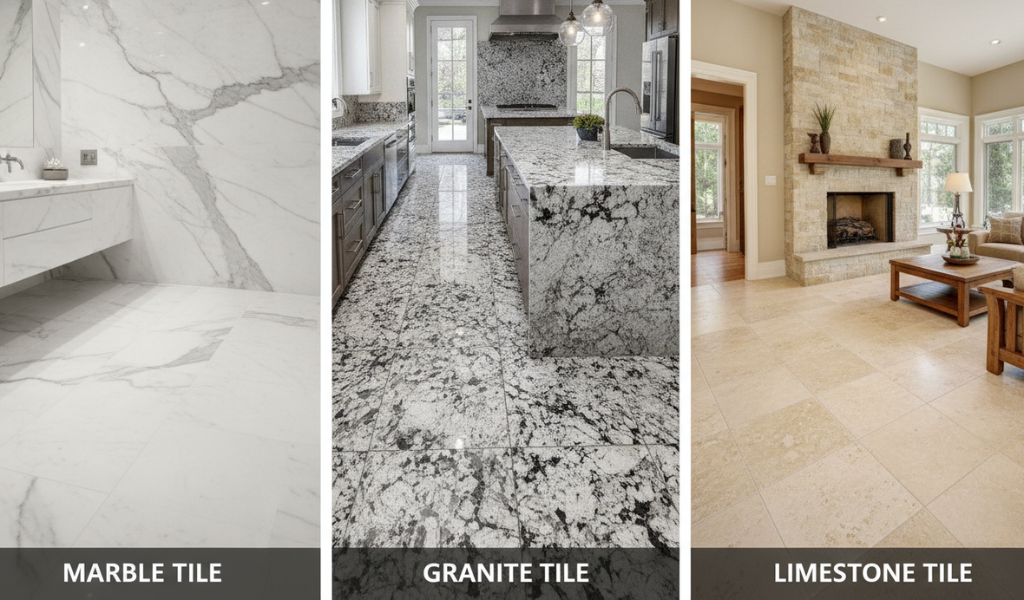
Granite is the workhorse of stone tiles. If you’ve got an area with heavy foot traffic, granite is a smart choice. It resists scratches and even stands up to acids, which is why it’s a favorite for kitchens.
Granite tiles are also relatively easy to measure and cut compared to other stones. Like marble, though, granite is porous and can stain. A good sealer applied before installation keeps it looking sharp for years.
Limestone offers a softer, more natural look that often resembles wood. That makes it a lovely option for homeowners who want warmth without choosing actual hardwood.
Don’t let its gentle appearance fool you. Limestone is surprisingly tough. The ancient Great Pyramids were built with it, which says a lot about its staying power. It’s harder than both marble and granite and resists scratching well. Its low porosity also makes it a solid pick for kitchen floors, where spills are part of daily life.
One of the most common mix-ups in tiling is treating wall tile and floor tile as the same thing. They’re not, and using the wrong one can cause real problems. Understanding the differences between wall tile and floor tile helps you avoid costly mistakes.
The biggest difference comes down to strength and grip. Floor tiles need to handle the weight of people, furniture, and daily traffic, so they’re thicker and tougher. Wall tiles, on the other hand, only need to stay put, so they’re often thinner and more delicate. Trying to use a wall tile on the floor is a recipe for cracks.
Grip matters too. Floor tiles carry a slip-resistance rating known as COF, or coefficient of friction. A safe floor tile usually needs a COF of 0.50 or higher so people don’t slip. Wall tiles can be smooth and shiny because nobody walks on them.
Water absorption is another key point. Floor tiles typically absorb only around 3% water, keeping them sturdy and safe. Wall tiles can absorb up to 10%, which is fine on a vertical surface but risky underfoot. Size differs as well, with wall tiles often coming in smaller dimensions, though modern designs are getting larger.
The simple takeaway: a floor tile can sometimes be used on a wall, but a wall tile should never go on the floor.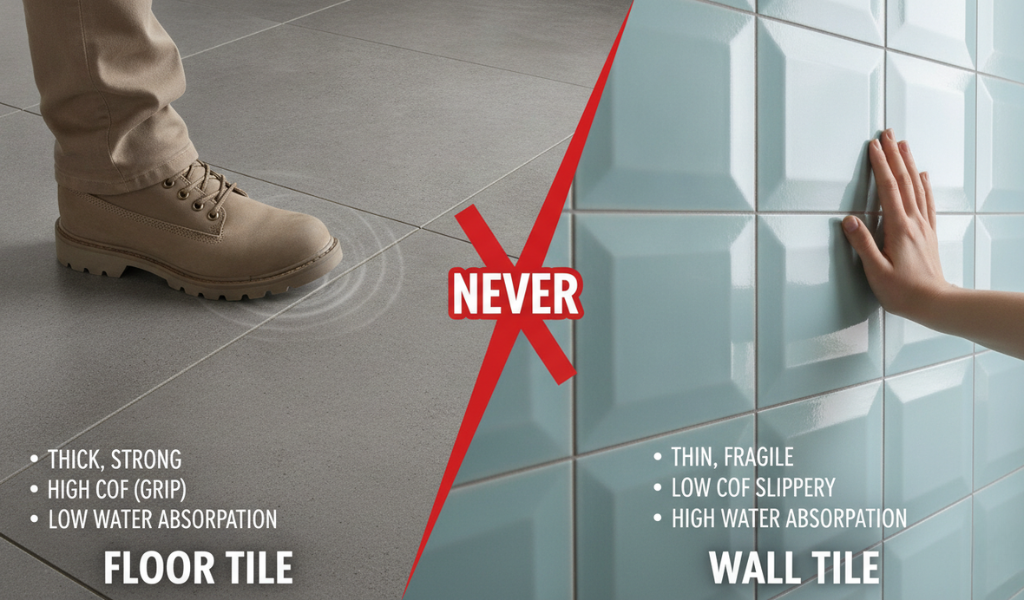
Now that you know your options, here are a few practical tips to guide your final pick:
A little planning here saves you from headaches later.
Picking the right floor tile doesn’t have to be stressful. Once you understand the main types of floor tile and how they’re classified, the choice becomes much clearer. Ceramic and porcelain offer durability and value for most homes. Quarry tile shines outdoors. And if you crave luxury, the types of stone tile like marble, granite, and limestone bring timeless beauty to any space.
Just remember the differences between wall tile and floor tile before you buy, and always think about where the tile will live and how much traffic it will see. With the right tile in the right place, your floors will look great and last for years.
Ready to start your project? Measure your space, set your budget, and visit a local showroom or trusted supplier to see and feel your top choices in person. The perfect floor is waiting.
What is the most durable type of floor tile?
Natural stone is the most durable flooring material overall, with limestone and granite standing out for their toughness. Among manmade options, porcelain is the strongest, thanks to its dense build and high firing temperature.
Which floor tile is best for bathrooms?
Porcelain is the top choice for bathrooms because it absorbs very little water and resists moisture damage. Quarry tile and properly sealed stone can also work well in wet areas.
Can I use wall tile on the floor?
No. Wall tiles are thinner, softer, and often too slippery for floors. They can crack under foot traffic and create a slipping hazard. Floor tiles, however, can sometimes be used on walls.
Is ceramic or porcelain tile better?
Porcelain is tougher and more water-resistant, making it better for high-traffic and wet spaces. Ceramic is more affordable and easier to cut, making it ideal for indoor rooms with lighter use.
Do stone tiles need to be sealed?
Yes. Most natural stone tiles, including marble and granite, are porous and need a sealer before installation. Sealing protects them from stains and water damage.
Why is porcelain tile often called the best floor tile?
Porcelain is made from dense clay fired at very high heat, which makes it harder and less porous than ceramic. It handles water, frost, and heavy use, making it a reliable choice for nearly any room.
Which floor tile feels warmest underfoot?
Most tiles feel cool, but natural stone holds temperature longer than ceramic. For real warmth, pairing any tile with radiant floor heating is the most comfortable option in cold climates.