Physical Address
304 North Cardinal St.
Dorchester Center, MA 02124
Physical Address
304 North Cardinal St.
Dorchester Center, MA 02124

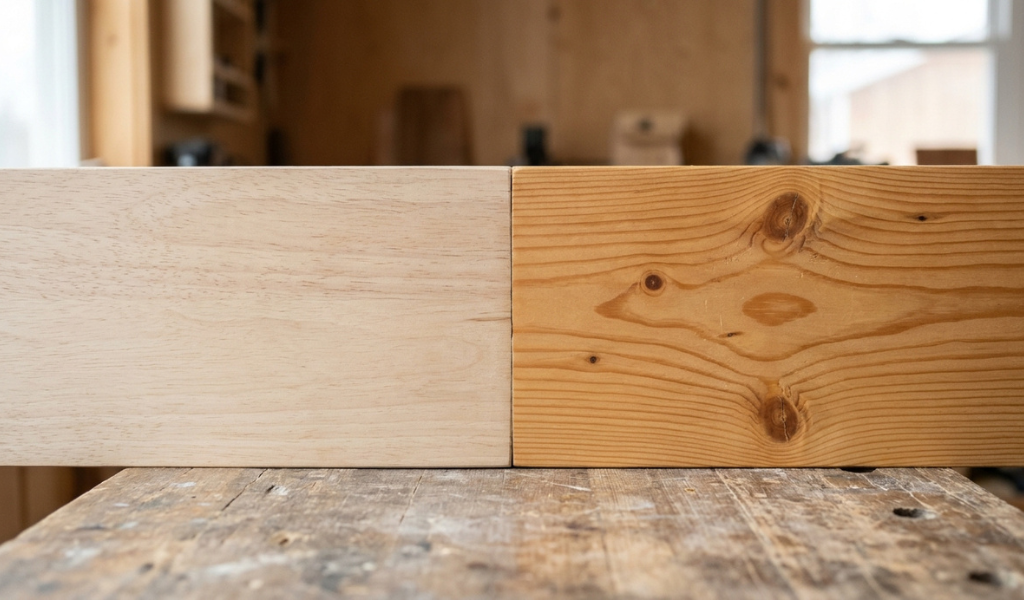
Stand in any furniture store and you will see the same problem. Two tables look almost alike. One costs a lot more than the other. The tag says “solid wood” on both. So what is really going on? If you are stuck on rubberwood vs pine wood, you are asking the right question, because these two real wood options behave very differently once they get home.
Both woods are popular because they are easy to find and kind to your budget. Both are also seen as eco-friendly choices compared with rare imported timber. But they come from very different tree families, and that changes how they dent, wear, and last. Many shoppers also compare Ash Wood vs Rubberwood when they want something sturdier than pine, so we will touch on that later too.
This guide walks through the pros and cons of each wood species in simple terms. By the end you will know which types of wood suit your home, your kids, and your wallet.
Rubberwood comes from the Pará rubber tree, known to scientists as Hevea brasiliensis. The tree started in South America but is now grown on huge plantations across Thailand, Malaysia, Indonesia, and Sri Lanka. Farmers tap these trees for latex for about 25 to 30 years.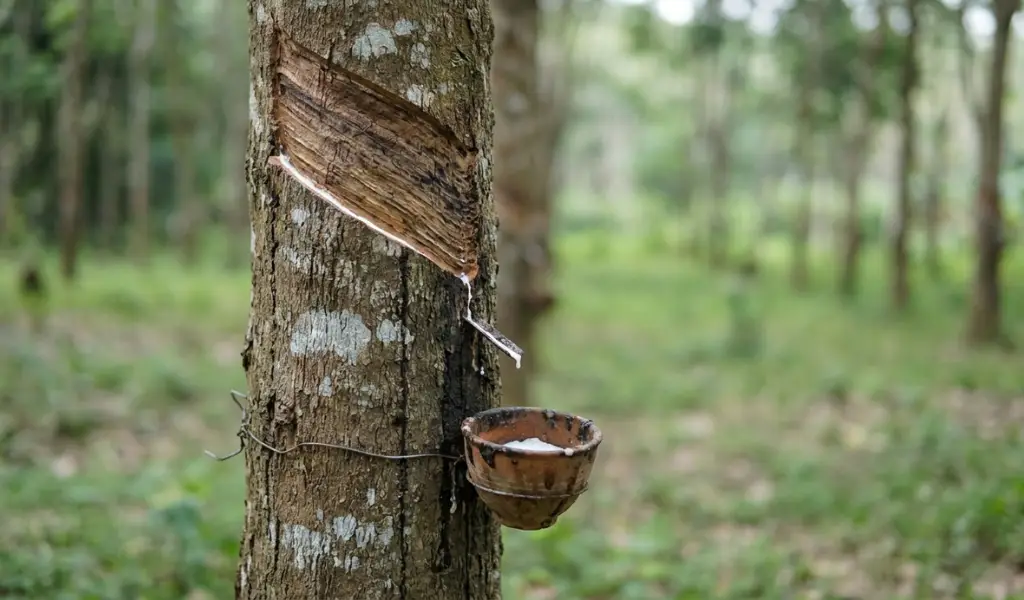 Once latex production slows down, the trees are cut down and the timber is harvested. In the past that wood was burned or thrown away. Today it becomes furniture, which is why many people call rubberwood a sustainable hardwood option.
You may also see it sold as parawood or sometimes under the trade name nyatoh, though nyatoh is technically a different tree family that looks similar. Shops use these names loosely, so ask for the exact species if it matters to you.
So what does it look like and how does it feel? Rubberwood has a light color, from cream to pale tan. The grain pattern is fairly straight and even, with a soft, calm look. It takes stain and paints smoothly, which makes it easy to match to different room styles. It is a medium-density wood, and its physical properties put it in a comfortable middle ground. It is not as hard as hard maple or oak, but it is fairly strong and much tougher than most softwoods.
There is one catch. Fresh rubberwood is rich in sugar and starch, so it can attract insects and fungus. Good factories fix this with kiln drying and a light chemical treatment. When this step is done well, the wood is stable and safe. When it is rushed, quality varies a lot. That is why the maker matters as much as the wood itself.
Most of what you see in stores falls into these groups:
Because the wood is steady and easy to work, many furniture makers like using rubberwood for both simple and detailed designs. If you want to go deeper, any good guide to rubberwood will tell you the same thing: it is a practical, budget-friendly hardwood that punches above its price.
Pine is the classic softwood. It comes from evergreen trees that grow fast across North America, Europe, and parts of Asia. Because the trees mature quickly, timber is plentiful and cheap. Here the word “soft” does not mean the wood is always weak. It is simply a botanical label. Softwoods come from cone-bearing trees, while a hardwood comes from broadleaf trees. That is how wood can be categorized in the simplest way.
There are several kinds of pine, and they are not equal:
Pine has a warm, yellowish look with bold knots and a clear grain pattern.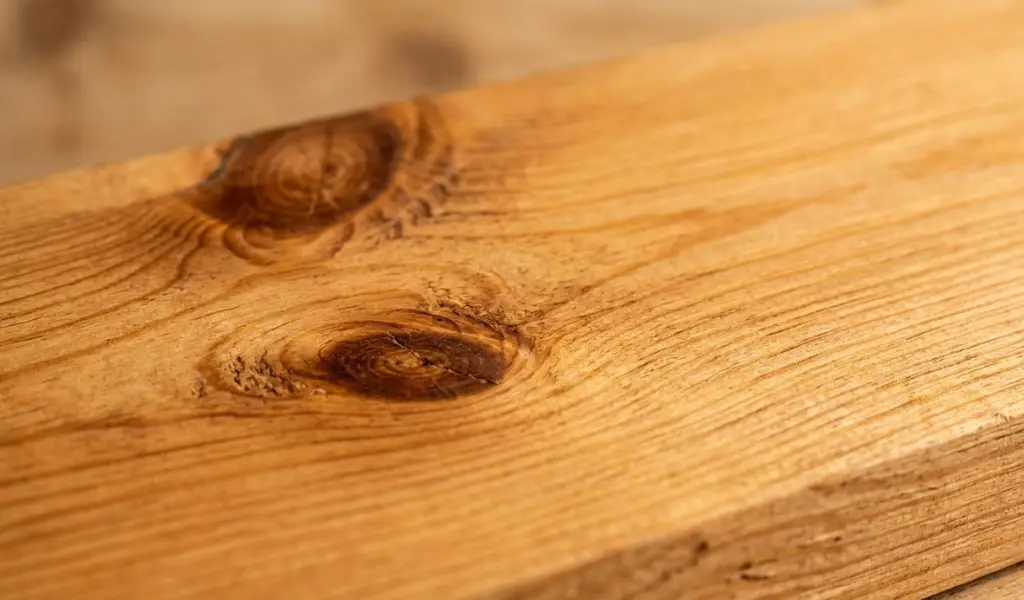 Many people love that rustic, farmhouse feel. Over time the color deepens to a honey or amber tone. It is also light to carry, easy to cut, and simple to nail or screw, which makes it a favorite for beginners in woodworking.
You will find pine in bunk beds, bookshelves, kitchen tables, floor boards, wood products like crates, and plenty of wooden furniture sold in flat packs. It is the first choice for many who want real wood without the high price tag. But pine does have a weak spot, and that is hardness. We will get to that next.
Now for the part you came for. Here is how rubberwood vs pine wood plays out in everyday life. Both are real wood, and both can be a smart pick. They just shine in different places.
The Janka hardness test measures how much force it takes to push a small steel ball halfway into a piece of wood.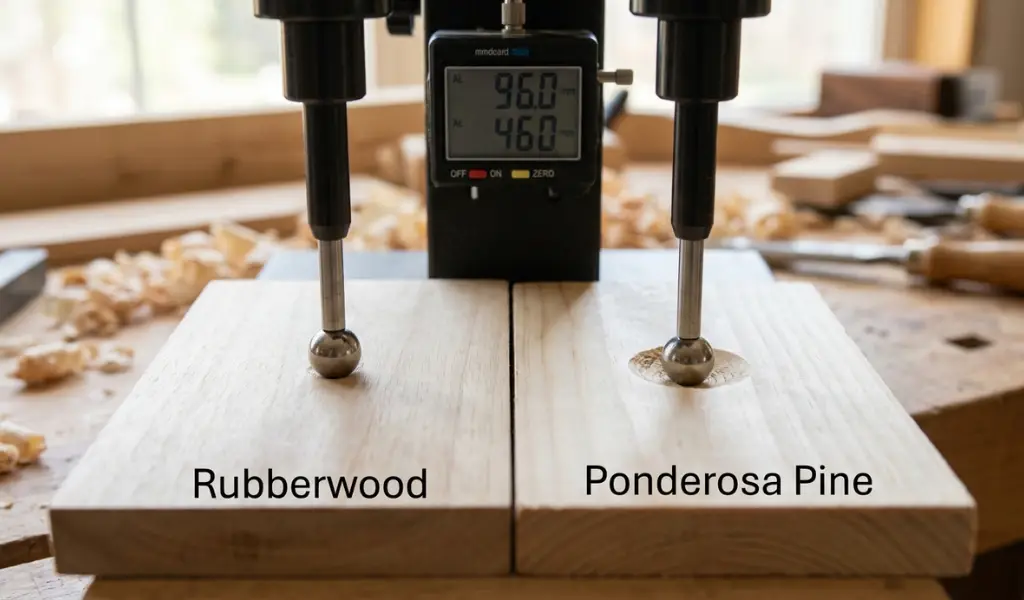 The higher the number, the harder the wood. It is the best quick way to judge dents and scratches before you buy.
Here are rough numbers that most charts agree on:
Look at where rubberwood lands. It sits right beside soft maple, which is a respected wood for furniture and cabinetry. It is more than twice as hard as white pine. So a dropped fork, a heavy mug, or a toy truck that would leave a mark on pine will often do much less harm to rubberwood. If you wonder about Ash Wood vs Rubberwood, ash is harder still at around 1,320 lbf, so it wins on dent resistance, but it also costs more. Rubberwood gives you much of that comfort at a lower price.
Hardness is only part of the story. Durability also depends on how a wood handles moisture, insects, and daily use.
Rubberwood durability is good indoors. Once it is properly kiln dried, it holds its shape well, resists warping, and keeps joints tight for many years. Its weakness is water. Rubberwood is not a great wood for outdoor use because rain and sun break it down fast unless it is sealed often. If you want outdoor furniture, teak or treated hardwood is a better fit. Rubberwood belongs inside the house.
Pine reacts to the seasons more. It expands and shrinks with humidity, and cheap boards can twist or crack if they were not dried well. Pine also holds a lot of resin, which can bleed through paint if the surface is not sealed. On the plus side, pine is easy to fix. A scratched pine table can be sanded and refinished in an afternoon, and many families like that part of owning it.
In plain terms, you can expect a well-made rubberwood piece to last 15 to 25 years with normal care. Good pine furniture can last just as long, but it will show wear and tear sooner, and it often gets a lived-in look along the way.
Both woods are budget-friendly, but the price depends on the grade and the maker. Pine is usually the cheapest solid wood on the shelf, especially in white pine and radiata. Rubberwood costs a little more because it needs careful drying and treating, but it is still far cheaper than oak, maple, or walnut.
Here is a handy way to think about it. If you spend very little, pine gets you a real wood piece fast. If you can spend a bit extra, rubberwood gets you a harder surface and a cleaner, more modern look. Both are better value than particleboard furniture, which falls apart when it gets wet, or cheap mdf and fiberboard that cannot be repaired once the surface chips.
This is the question we hear most. The honest answer is that it depends on the pine and on how you live.
A dining table takes more daily abuse than almost anything else in the house. Plates, hot cups, homework, art projects, and keys all land on it. A soft white pine tabletop will show every one of those marks within a year. Some people love this and call it character. Others find it annoying. If you want a clean surface that stays smooth, southern yellow pine with a tough finish is better, and rubberwood is better still.
Bed frames are a different story. A bed frame does not get hit or scratched the way a table does. It mostly carries weight, and pine can do that well as long as the slats and joints are built properly. Pine bed frames are very common, light to move, and easy to put together. The main thing to check is the thickness of the rails and the quality of the screws and brackets. A thin pine rail may creak over time, while a thick one will stay quiet for years.
There is a real-life example worth sharing. A young couple buys a pine dining set for a small flat and finds it covered in marks after one winter of family dinners. They sand it, apply a satin polyurethane, and it looks fresh again. Another family picks a rubberwood set with a similar finish and barely notices wear in the same period. Neither choice was wrong. One just asked for more upkeep.
So is pine too soft? For a busy dining table, often yes, unless you accept the dents. For beds, shelves, and side tables, it is usually fine.
Dents, scratches, and gouges are three different problems, and each wood handles them in its own way.
Dents happen when something presses the fibers down without cutting them. Pine is very prone to this because its fibers are soft and open. Rubberwood has a tighter and more even structure, so it resists light dents much better.
Scratches are shallow lines from keys, pet claws, or dragging objects. Both woods can scratch, but rubberwood’s pale and even color hides fine scratches well. Pine shows them more because of the contrast between the early and late growth rings in its grain pattern.
Gouges are deeper cuts from sharp or heavy impacts. Neither wood is immune. Pine will gouge faster, but a gouge in pine can be filled with wood filler and sanded without much trouble. Rubberwood takes more force to gouge, and repairs blend in nicely because the grain is so plain.
A few simple tips help with both woods:
If you have young kids, a dog, or a home where furniture gets pushed around, the extra hardness of rubberwood is a real help.
A busy home puts furniture through a lot. Think of kids climbing on chairs, guests leaning back on two legs, and tables being moved from room to room. Here, strength and joint quality matter more than surface hardness.
Rubberwood is known to be strong enough for chair frames, table legs, and bed rails. Its fairly even density means screws and dowels hold well, and the wood does not split easily when drilled. Since it is stable after kiln drying, joints stay tight even when the weather changes. This is why many furniture manufacturing plants choose it for dining chairs and kids beds.
Pine can also hold up, but the grade matters a great deal. Southern yellow pine with thick legs and solid joinery will handle heavy use. Thin white pine frames may loosen or crack at the joints after a few years of rough handling. Knots can also be weak points, especially near the edges of a leg or rail.
Here is something many shoppers overlook. 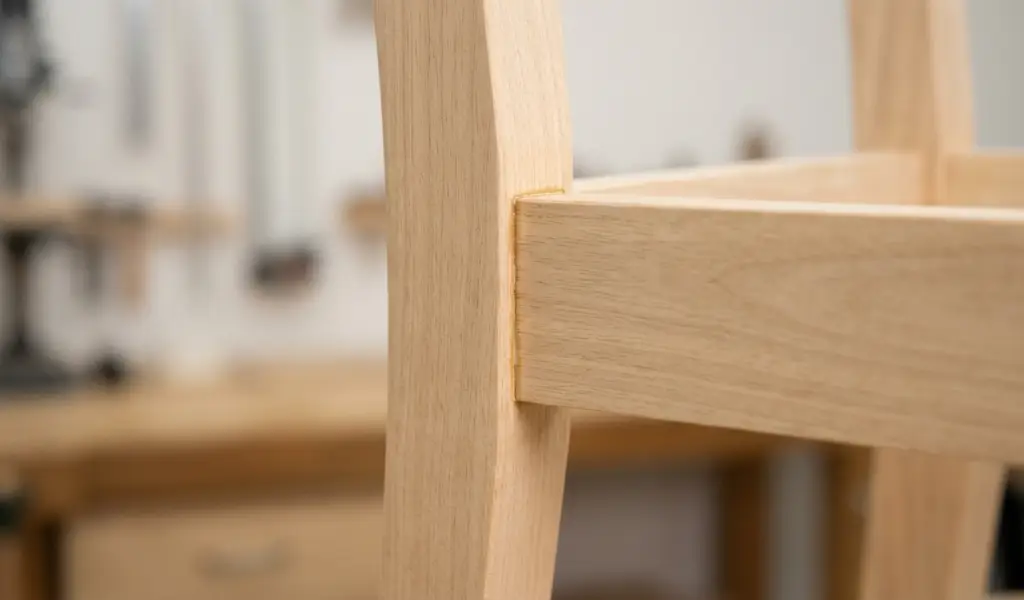 How a piece is built matters just as much as the wood. A well-made pine chair with mortise and tenon joints will outlast a poorly built rubberwood one held together with staples. Look at the corners and joints. Check that drawers slide smoothly. Give a chair a gentle shake in the store. Good furniture construction tells you more than the label does.
For homes with heavy daily traffic, rubberwood usually has the edge. For light-use rooms like guest bedrooms or studies, pine is a perfectly sensible choice.
| Feature | Rubberwood | Pine Wood |
|---|---|---|
| Wood type | Hardwood (Hevea brasiliensis) | Softwood |
| Janka hardness | About 960 lbf | About 380 to 870 lbf |
| Color | Light cream to tan | Yellow to amber, darkens with age |
| Grain pattern | Straight and even | Bold with visible knots |
| Dent resistance | Good | Fair to poor |
| Moisture and warp resistance | Good when kiln dried | Moderate, can twist or shrink |
| Outdoor use | Not recommended | Only if treated |
| Eco-friendly angle | Reuses plantation trees after latex | Fast-growing, renewable |
| Price | Low to mid | Low |
| Best for | Dining tables, chairs, kids furniture, cabinetry | Beds, shelves, rustic pieces, budget builds |
So, who wins the rubberwood vs pine wood debate? It really depends on your home and your budget.
Choose rubberwood if you want a harder, steadier wood that handles daily life well. It is a smart pick for dining tables, chairs, kids furniture, and cabinets. You get a clean look, good strength, and a friendly price. Just make sure the maker uses proper kiln drying and treatment, and keep it indoors.
Choose pine if you love the rustic look and want the lowest cost for real wood. It is great for bed frames, bookshelves, and rooms where furniture will not take much abuse. If you do not mind a few dents, or you enjoy refinishing, pine is hard to beat on price.
Whichever you pick, stay away from furniture that only looks like wood but is really layered veneer over mdf or particleboard when you were promised solid wood. Always ask what the piece is made from, and check the joints and finish before you pay.
Ready to shop? Take this guide with you, ask the seller about the wood species, and test the surface with your fingernail. A few minutes of checking now can save you years of regret later.
Is rubberwood real wood? Yes. Rubberwood is a type of solid wood cut from the rubber tree. It is not engineered wood, plywood, or fiberboard. It is a true hardwood, although it is softer than oak or hard maple.
Is rubberwood better than pine? For hardness and dent resistance, yes. Rubberwood is about twice as hard as white pine and holds up better on tables and chairs. Pine is cheaper and has a rustic look that many people prefer, so “better” depends on how you plan to use the piece.
Is rubberwood eco-friendly? Mostly yes. The trees are harvested only after they stop producing latex, so the wood would otherwise go to waste. It is a good use of plantation timber. Ask the seller about responsible sourcing to be sure.
Does rubberwood furniture warp or get eaten by bugs? Not when it is made well. Proper kiln drying and treatment control both problems. Poorly dried rubberwood can warp or attract insects, so buy from a trusted brand.
Can I use rubberwood or pine furniture outside? Neither is ideal. Rubberwood breaks down quickly in rain and sun. Pine can work outdoors only if it is pressure treated or sealed often. Teak or other weather-tough hardwoods are better for outdoor furniture.
How does Ash Wood vs Rubberwood compare? Ash is harder, with a bolder grain and a higher price. Rubberwood is lighter in color, easier to paint, and cheaper. If you want maximum strength, pick ash. If you want good value and a smooth look, rubberwood is a solid choice.
Is pine too soft for a dining table? Soft pines like white pine will dent easily. If you still love the look, choose southern yellow pine, add a hard finish, and use placemats. Otherwise, rubberwood is the safer choice for busy tables.