Physical Address
304 North Cardinal St.
Dorchester Center, MA 02124
Physical Address
304 North Cardinal St.
Dorchester Center, MA 02124

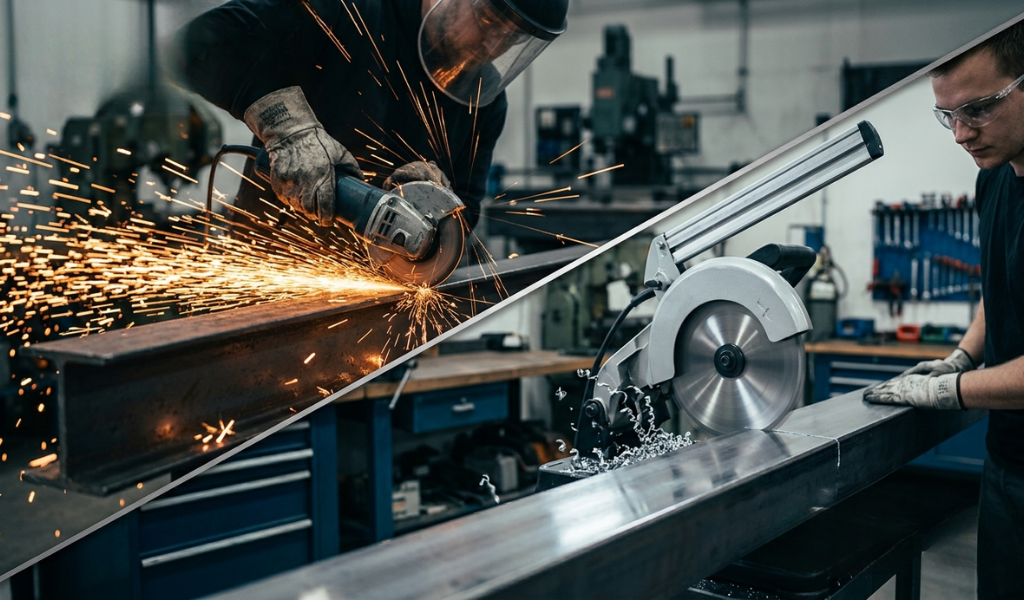
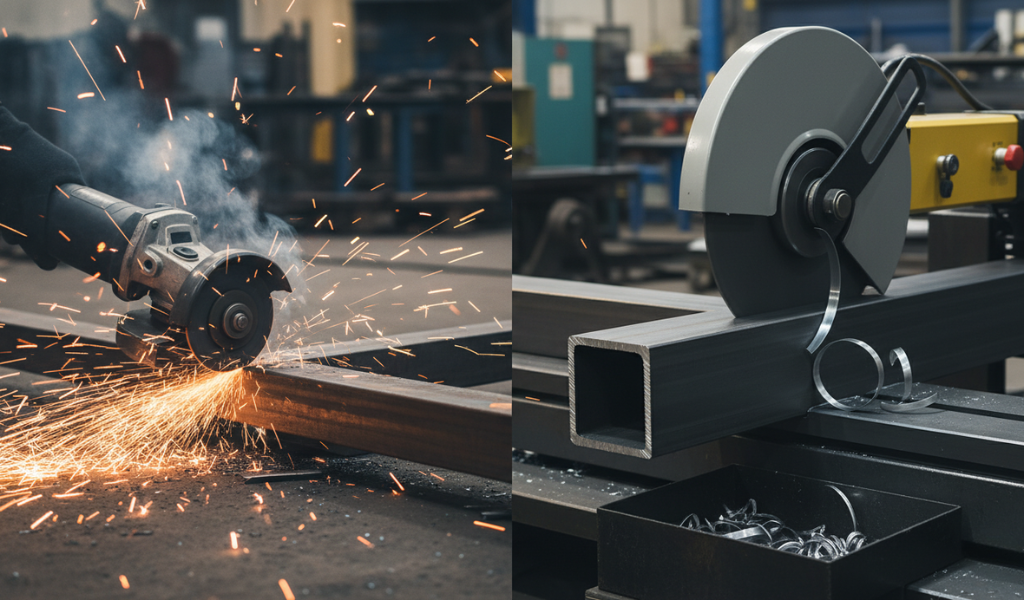
Cutting metal is often associated with a shower of orange sparks, a high-pitched whine, and the smell of burnt iron. While that looks dramatic in a workshop montage, in the real world, sparks can be a massive headache. They pose a fire risk, can ruin nearby glass or paint, and frankly, they make the job a lot messier. If you are working in a tight space or near flammable materials, learning how to cut metal without sparks isn’t just a “nice-to-have” skill—it’s a safety requirement.
In this guide, I’ll walk you through the best methods, from heavy-duty power tools to reliable hand tools, to get clean cuts without the fireworks. Whether you’re a seasoned fabricator or a weekend DIYer, there is a ‘metal cutting tool’ for every budget and project.
Can You Cut Metal Without Sparks?
Yes, you can cut metal without sparks by using cold-cutting tools such as nibblers, bandsaws, hacksaws, electric shears, nibblers or carbide-tipped metal saws. These tools reduce friction and heat, making cutting safer and cleaner.
Before we dive into the “how,” let’s talk about the “why.” Traditional abrasive saws (like a standard chop saw with a friction blade) work by grinding the metal away. This friction generates intense heat, which creates sparks.
These sparks are actually tiny bits of molten metal. If they land on your skin, they burn. If they land on a pile of sawdust or a gas can, you’ve got a fire. Furthermore, cold cutting—methods that don’t produce heat—usually leaves a cleaner edge that requires less filing later. Knowing how to cut metal without sparks saves you time on the “cleanup” phase of your project.
If you have a lot of material to get through, you’ll want some electricity on your side. However, not all power tools are created equal when it comes to heat.
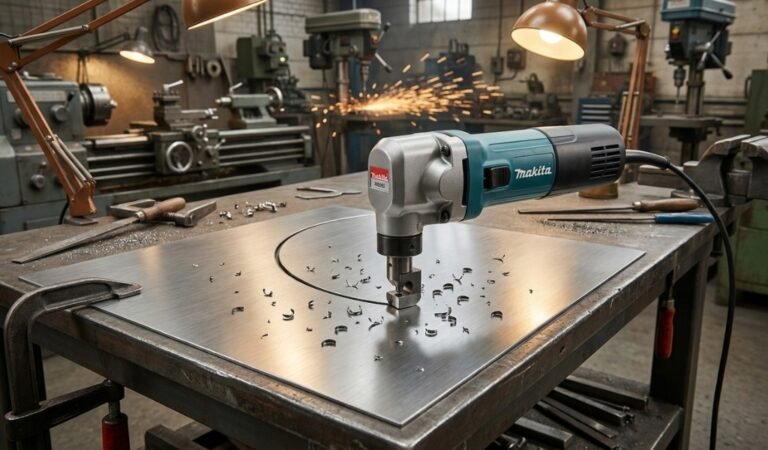
When it comes to sheet metal, ‘nibblers’ are arguably the king of the workshop. A nibbler works much like a hole punch. It has a tiny punch that moves rapidly up and down against a die, “nibbling” away small crescent-shaped bits of metal.
Because it’s a mechanical punching action rather than a grinding action, it produces zero sparks. It’s perfect for corrugated roofing or thin steel plates. The only downside? It leaves behind a trail of tiny, sharp metal chips (often called “splinters”), so make sure you have a magnet or vacuum handy.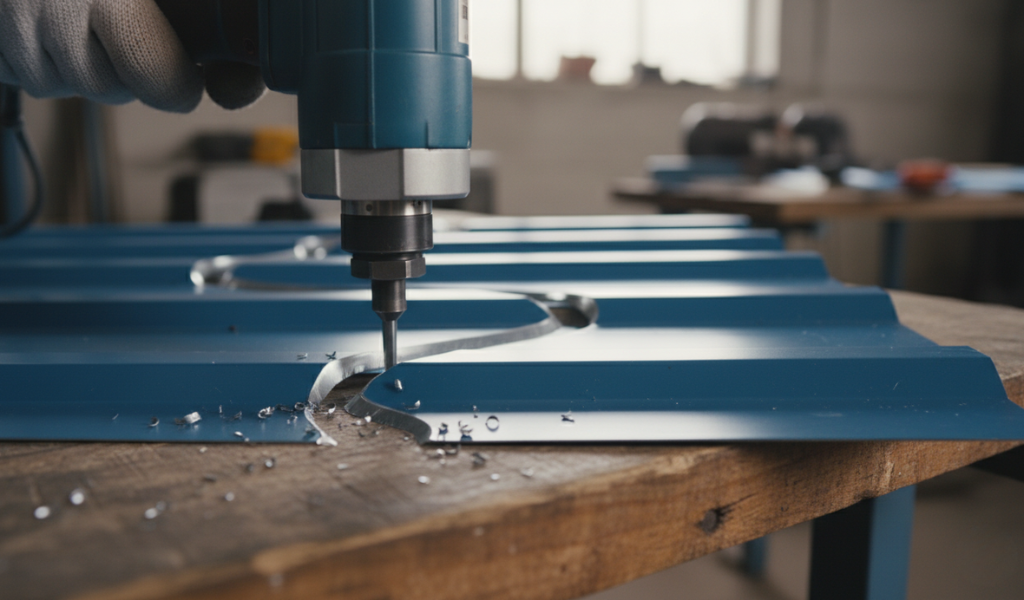
Unlike a wood saw, a cold saw uses a high-speed steel (HSS) or tungsten carbide-tipped (TCT) metal blade designed to cut at a much lower RPM. These saws literally “chip” the metal away. The heat is transferred into the chips rather than the workpiece, keeping the metal cool to the touch. This is a premier method for how to cut metal without sparks while maintaining high production speed.
If you’ve ever used scissors to cut paper, you know how electric shears work. These tools use two blades that bypass each other to slice through metal. Since there is no friction-based grinding, there is no heat and no sparks. They are excellent for long, straight cuts in thin-gauge metal.
A portable or stationary bandsaw is a fantastic metal cutting tool. It uses a long, continuous looped blade. Because the blade is so long, the teeth have time to cool down before they come back around for another pass. This prevents the metal from reaching the “glowing” point. If you use a variable speed bandsaw, you can turn the speed down for thicker steel to ensure a completely spark-free experience.
Sometimes, the simplest way is the best way. If you are only making one or two cuts, you might not need an expensive power tool.
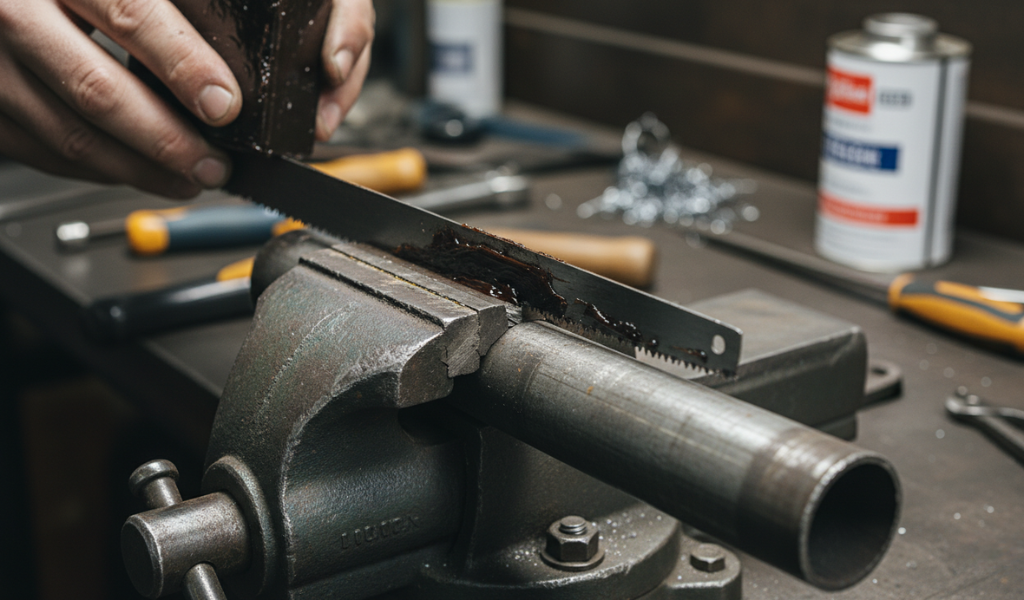
Every toolbox needs a hacksaw. It’s the most basic way to achieve a spark-free cut. The key to a good hacksaw cut is the TPI (Teeth Per Inch).
Since you are providing the power with your arm, the friction never gets high enough to produce sparks. Just remember to cut on the “push” stroke!
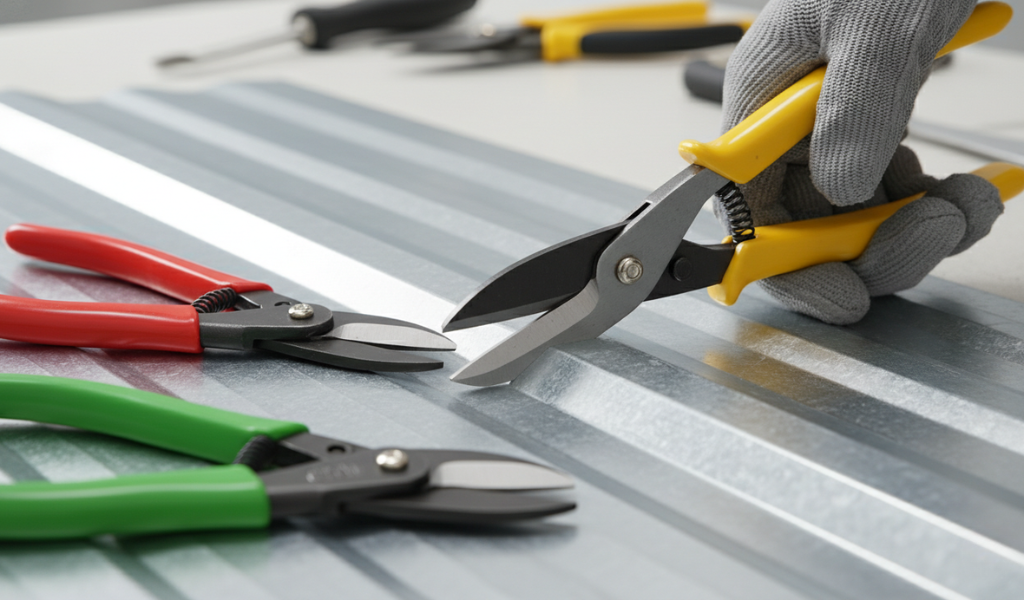
For thin-gauge sheets, ‘hand tools’ like snips are indispensable.
If you need to cut rebar, chain, or heavy wire, bolt cutters are the way to go. They use massive leverage to “crush” through the metal. It’s fast, silent, and 100% spark-free.
If you already own an angle grinder and don’t want to buy a new machine, you can look into “non-spark” wheels. Standard abrasive discs are made of materials that encourage sparking. However, specialty metal blades made from ceramic or specific resin bonds can significantly reduce the spark output.
Pro Tip: If you must use an angle grinder, try using a ‘diamond blade’ designed for metal. While they may still produce a few “cold sparks,” they are far safer and cleaner than traditional aluminum oxide discs.
| Tool Type | Best For | Spark Level | Portability |
| Nibblers | Sheet metal, curves | Zero | High |
| Bandsaw | Pipe, thick bar stock | Minimal | Medium |
| Hacksaw | Small DIY tasks | Zero | High |
| Cold Saw | Industrial precision | Zero | Low |
| Aviation Snips | Roofing, flashing | Zero | High |
Learning how to cut metal without sparks is a game-changer for any workshop. It makes your environment safer, reduces fire hazards, and results in a more professional finish. Eye and hearing protection are still recommended . If you’re working with sheet metal, I highly recommend investing in a pair of ‘nibblers’ or high-quality aviation snips. For thicker structural steel, a portable bandsaw or a cold-cut circular saw is worth every penny. By moving away from abrasive grinding, you are choosing a path of precision, safety, and longevity for your tools.
Stop dealing with the mess and the fire risk. Switch to cold-cutting methods today and see the difference in your craftsmanship!
Can I use a regular circular saw to cut metal?
Answer: Only if you use a dedicated metal blade and the saw’s RPM is compatible. Wood saws usually spin much faster than metal saws, which can be dangerous. Always check the manufacturer’s rating on both the tool and the blade.
Do nibblers leave a jagged edge?
Answer: Not necessarily jagged, but they do leave a “stepped” edge because of the punching action. A quick pass with a file or sandpaper will smooth it out in seconds.
Why are my “spark-free” blades still making some sparks?
Answer: Sometimes these are called “cold sparks.” They are much lower temperature than traditional sparks and usually don’t have the energy to ignite materials, but you should still keep flammable items away from the work area.
Is it faster to cut with a hacksaw or electric shears?
Answer: Electric shears are significantly faster and require much less physical effort. However, a hacksaw is more versatile for thicker items like bolts or small pipes.
Are there any metals that always spark?
Answer: Ferrous metals (metals containing iron, like steel) are the primary culprits for sparking. Non-ferrous metals like aluminum, copper, and brass rarely spark, making them much easier to cut “cold.”
What is the safest tool for a beginner?
Answer: For a beginner, a hacksaw or aviation snips are the safest ‘hand tools’ because you have total control over the speed and force.