Physical Address
304 North Cardinal St.
Dorchester Center, MA 02124
Physical Address
304 North Cardinal St.
Dorchester Center, MA 02124

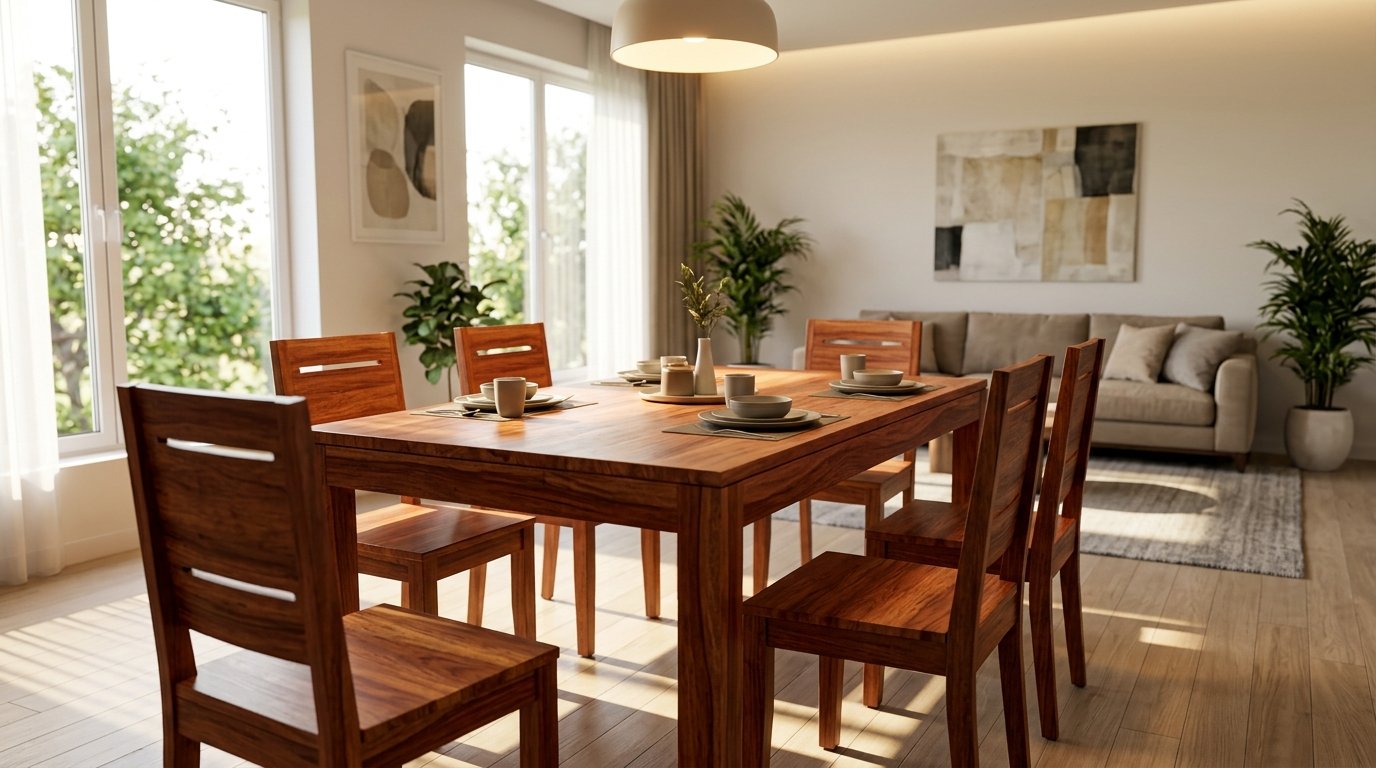
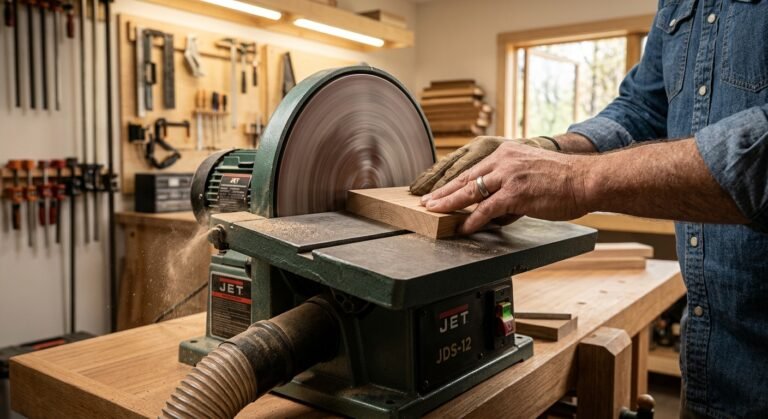
Neem wood looks like a bargain at first. The price is friendly, the reddish brown tone looks warm, and sellers love to say it keeps bugs away. But anyone who has worked with it knows the other side. Run a disc sander over a fresh neem plank and you will smell a sharp bitter scent that stays in the shop for days. Leave a finished table near a damp wall and it may start to bend before the year is over. These are real neem wood furniture disadvantages, and you should know them before you spend your money.
This post gives you a fair look at the pros and cons. We will go through the seven biggest problems, test the termite claim, compare neem with Neem Wood vs. Teak Wood, and finish with simple care tips that help your pieces last longer. By the end you will know if neem is the right choice for your home.
Neem comes from a fast growing tree that is also called margosa. It is common across India, Pakistan, Bangladesh, and parts of Africa, and people have used the tree for medicine and shade for centuries. As a type of wood it is a hardwood with a medium weight. Furniture made from neem is usually sold as a cheaper option next to teak, mahogany, or solid oak.
There are some good points to start with. Neem is fairly strong and handles everyday use well. The heartwood has a rich reddish brown color and can look warm and rustic when it is polished. It is also easy to find and less expensive than most popular hardwoods, so a solid wood table or bed in neem often costs far less than the same piece in teak. Many families in South Asia have used neem for doors, cots, and cabinet frames that lasted for decades.
But cheap does not always mean a smart buy. When you weigh the advantages and disadvantages, neem sits in the middle. It beats pine wood and engineered wood like plywood or particleboard for strength, yet it does not match the long life and smooth finish of the top woods. Whether it works for you depends on where the furniture will live, how much care you can give it, and how picky you are about looks. The next section shows where neem falls short.
No wood is perfect, and neem has some problems that buyers often learn about too late. Here are the five main ones, explained in plain terms with real examples.
Neem takes in moisture from the air more than many people expect. When the weather turns humid, the fibers soak up water and cause the wood to swell. When the air dries out again, the wood shrinks. This back and forth movement is what makes boards twist, cup, and warp over time.
The damage is worse if the wood was not dried well at the start. Planks with too much moisture content will keep moving even after they are made into a bed or a cabinet. One buyer in a coastal city shared that her new neem dining table had a slight curve across the top within eight months, and the drawers began to stick.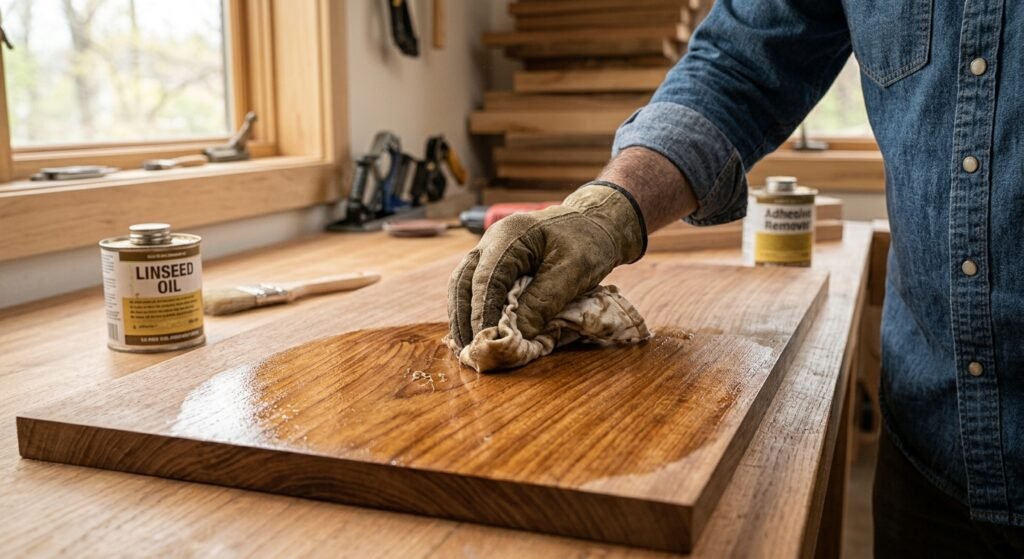 That kind of deformation is hard to fix once it happens.
If you live in a damp place or near the sea, you should be extra careful. Always ask if the wood was kiln dried, and never place neem furniture against a wet wall or on a bare floor that gets damp. Over many years constant moisture can also invite fungus and even rot.
This one surprises most people. Neem has a bitter, garlic like and slightly medicinal smell that comes from natural oils and compounds in the tree. The smell is strongest when the wood is freshly cut, and it can fill a room when you sand it or apply heat. For some people it is not a big deal. For others it causes headaches or a feeling of nausea.
In a small bedroom the smell of a new neem bed can be hard to live with for the first weeks. It usually fades over time and a good finish can help to seal it in, but it may come back in warm weather. If you are sensitive to strong odors, have a baby at home, or are making a sofa frame or a cabinet for a closed space, think about this before you buy. It is best to air out new neem pieces in an open area for a few weeks.
Carpenters also tend to wear a mask when they work on it. Fine dust from neem can bother the nose and throat, so good ventilation is a must in any workshop.
The grain of neem does not run in one clean direction. It often twists and interlocks, which means the fibers cross each other as they grow. This looks nice in some boards, but it makes the wood hard to work with. Hand planes and saws can tear the surface instead of cutting it clean, and blades dull quickly.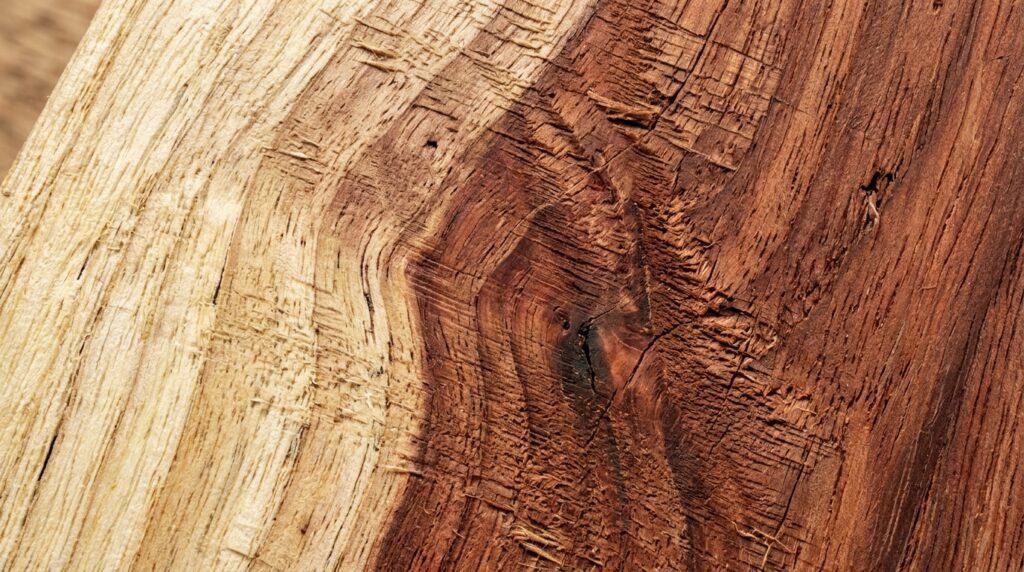
Fine carving is a real challenge. A craftsman who wants to make detailed patterns in a headboard will often find the wood chips out or splits along the grain. Sanding takes longer too, and even careful work can leave small rough spots. Gluing is usually fine, but screws near the edge may split the board unless you drill pilot holes first.
Finishing can also turn out uneven. Oils in the wood can push back against some stains and paints, so a piece may take extra coats or special primers. A skilled worker can still make a lovely product, but the labor cost may eat up some of the money you saved on the wood.
One neem board can look quite different from the next. The sapwood is pale yellow or cream while the heartwood is a deeper reddish brown, and when both show up in the same piece the color can look patchy. If you want a smooth, even look like walnut or a clean teak finish, this can be a letdown.
The texture is also on the coarse side. Even after good sanding the surface may feel a little rough compared with sheesham or teak, and the open grain can show through paint. Some buyers like the rustic and natural grain, but others feel it looks cheap in a modern room.
Color can also change over time. Neem tends to darken in sunlight and may show discoloration or dark streaks if water sits on it. A plain light stain can hide some differences, but the best fix is to pick boards carefully and match the color tones before the maker puts them together.
Just as damp air is a problem, very dry air is too. In rooms with strong heaters or air conditioners the wood loses moisture fast and can crack or split along the grain. Small hairline cracks may start on a tabletop and grow longer each season.
Solid wood furniture needs room to move, and a poorly built piece will not allow it. If a table top is fixed too tightly to its frame, the wood has nowhere to go when it shrinks and it simply splits. Neem pieces that were sold cheaply and rushed through the workshop often have this flaw.
The lesson is to keep indoor humidity steady. A room that stays between about 40 and 55 percent humidity is safest for any wood. Keep furniture a few feet away from heaters and out of direct sun, and the risk drops a great deal.
The biggest sales line for neem is that termites will not touch it. There is some truth here, and some myth. The tree makes natural compounds that bugs dislike, and farmers have used neem oil as a pest spray for ages. The heartwood of an older tree has some built in resistance to termite attack and other insect problems.
But the story changes when you look closer. Only the dark inner heartwood carries this protection, and a lot of furniture is cut from young trees with plenty of pale sapwood. The sapwood has little resistance and can be eaten just like any other wood. Resistance also is not the same as immunity. In places with heavy termite pressure, neem boards sitting on damp ground have been damaged anyway.
Borers and other insects can attack as well, especially if the wood is stored badly or not treated after cutting. A buyer who trusts the myth and skips treatment may get a nasty surprise. The honest summary is that neem is moderately resistant, which is better than pine wood but not as strong as teak, which has natural oil that fights both pests and rot.
If you want to be safe, buy furniture that was treated with a proper preservative, keep it dry, and check legs and joints a couple of times each year. Look for small holes or fine dust, which are early signs of trouble. Do not count on neem alone to protect your home.
To see where neem stands, it helps to put it next to two popular choices. Teak wood is the gold standard for long life. It is rich in natural oil, stays stable in changing weather, resists termites and rot, and can last for generations with little care. The price tag is high though, and that is the main reason many buyers look elsewhere. Teak also has a smooth, even look that is very pleasing to the eye.
Sheesham, also known as Indian rosewood, sits between the two. It has a beautiful grain with deep brown tones and darker streaks, takes polish nicely, and is strong and heavy. It is more expensive than neem but cheaper than teak. Sheesham can also warp if it is badly dried, but good quality pieces hold up well, and many people feel it gives the best balance of cost and looks.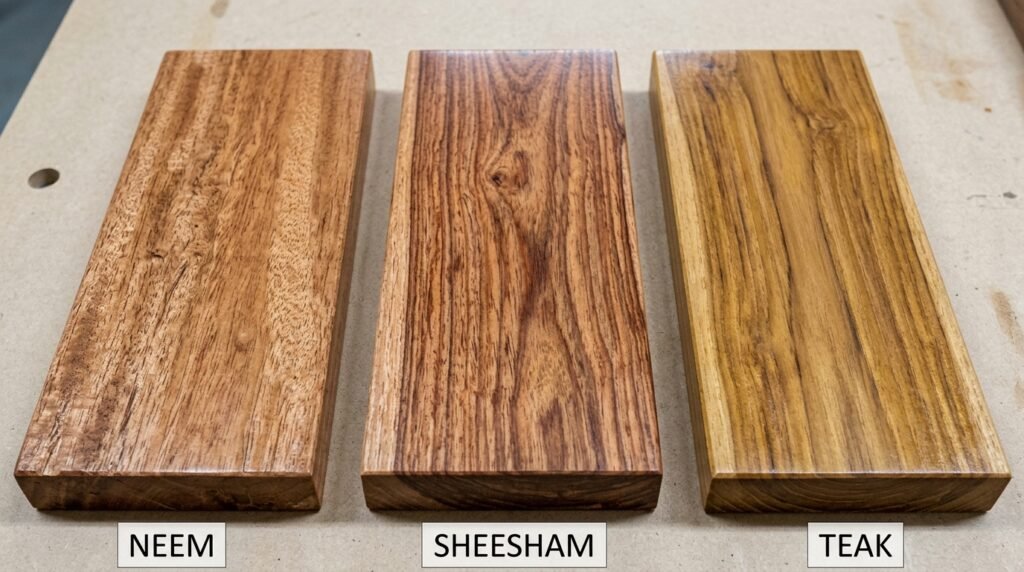
Neem comes in last for appearance and finish. It makes up for that with a low price and decent strength. For a plain bed frame, a storage cabinet, or a bench in a dry room, it is a fair pick. For a dining table that must handle spills, heavy use, and changing seasons, teak or sheesham will serve you better. Mango wood is another cheap option worth a look, as it is easier to work and has a lighter, cleaner color, though it is softer.
A small example shows the difference. Two families bought bedroom sets in the same year, one in neem and one in sheesham, and the neem set cost about one third less. After five years the neem set had slight warping on the headboard and some scratched surfaces, while the sheesham set still looked almost new. The neem owners said they were happy, because the price saving was worth some extra care.
The good news is that most neem problems can be reduced with simple habits. Good care and maintenance can easily add many years to a piece.
Start with the environment. Place furniture away from direct sun, radiators, and damp walls. Use a humidifier in dry winter months and a dehumidifier in the rainy season if you can. Leave a small gap between the furniture and the wall so air can move around it.
Next, protect the surface. Apply a good sealer, varnish, or natural oil like linseed or teak oil to lock out water and cut down on swelling. Sand lightly with fine paper before each new coat, and do not skip the underside and the back, since an unsealed side will absorb moisture faster and cause uneven movement. Re-coat every year or two depending on use.
Clean with a soft dry cloth and a mild wood cleaner, not a soaking wet rag. Wipe up spills right away to stop a stain from setting. Use coasters, felt pads, and table mats because neem can be scratched more easily than harder woods, and sharp objects or heavy items can leave a dent.
Finally, inspect your furniture often. Tighten loose screws, look for small cracks, and fill them early with wood filler or glue before they spread. If you spot tiny holes or powder near the legs, treat for insects at once. With proper care a neem piece can stay in good shape for many years.
Neem wood is not a bad material, but it is not a perfect one either. It is affordable and fairly strong, yet it can warp, crack, smell strong, and look uneven. Its termite resistance is real but limited, and it cannot match teak wood or sheesham for beauty and long life. If you pick well dried boards, seal them properly, and keep them in a steady indoor climate, neem can serve you for many years.
Before you buy, visit the shop, smell the piece, check the color and grain, and ask how the wood was dried and treated. Take your time and compare at least two other options. A little research now will save you from a costly mistake later.
It is a decent choice for budget furniture in dry rooms. Neem is strong enough for beds, cabinets, and chairs, but it needs sealing and good care to avoid warping and cracking. For heavy daily use, teak or sheesham are better.
It can, mostly when the wood was not dried properly or when the room is very damp. Buying kiln dried wood and keeping the furniture in a stable climate lowers the risk a lot.
New neem has a bitter medicinal smell that some people find strong. It usually fades in a few weeks, and airing out the piece and using a good finish helps.
No. The heartwood has some natural resistance, but the sapwood does not, and termites can still cause damage. Treat the wood and keep it dry for best protection.
Yes in most cases. Neem is harder and more durable than pine wood, so it handles scratches and weight better. It does cost more and is harder to work with.
With proper care it can last 15 to 30 years or more. Poorly dried or badly cared for pieces may show problems in just a few years.
It is not the best choice. Rain and sun will cause swelling, color change, and rot unless the wood is sealed often. Teak is a far better pick for outdoors.