Physical Address
304 North Cardinal St.
Dorchester Center, MA 02124
Physical Address
304 North Cardinal St.
Dorchester Center, MA 02124

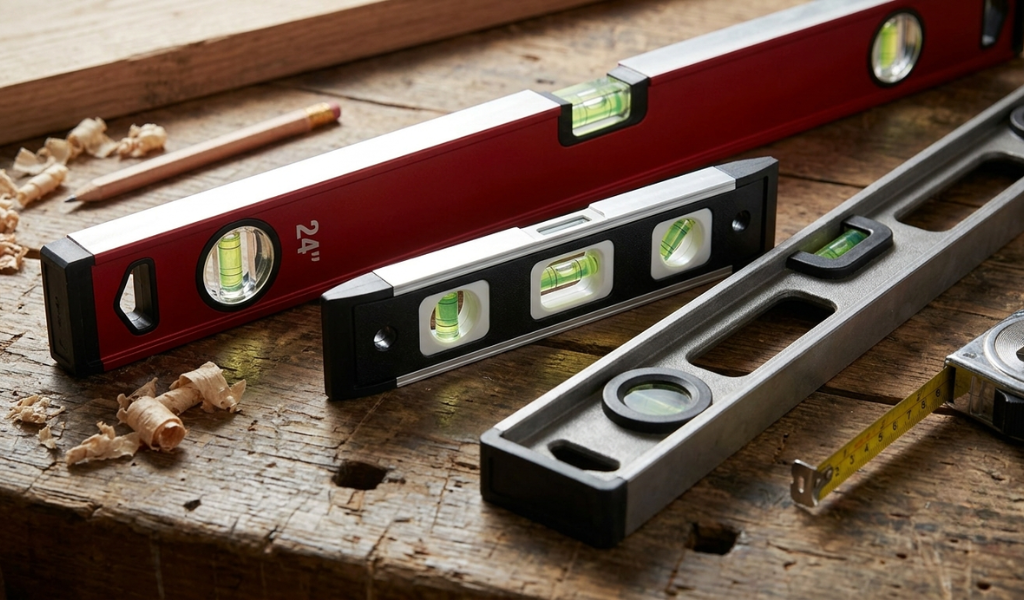
Getting a level surface sounds simple enough until you hang a shelf that slowly slopes to one side, or set a fence post that leans a few degrees off-center. These are the kinds of mistakes that waste time, materials, and money. Knowing how to choose the right spirit level before you start a project can save you from all of that.
A spirit level is one of those tools that looks basic but makes a real difference in the quality of your work. Whether you’re a seasoned tradesperson or tackling a weekend home improvement job, picking the right level tool matters more than most people realize. Not all spirit levels are built the same, and the “right” one depends on what you’re building, where you’re working, and what level of accuracy you need.
This guide breaks down everything you need to know from the different types of spirit levels to what to look out for when buying one.
A spirit level, sometimes called a level tool or bubble level is an instrument used to check whether a surface is perfectly horizontal (level) or perfectly vertical (plumb). It works through a small sealed vial filled with liquid and an air bubble. When the bubble sits between two marked lines, your surface is level.
It’s a simple concept, but the precision it delivers is essential. Even a small tilt in a wall, floor, or frame can cause big problems down the line. A misaligned fence post, a slanted countertop, or an uneven concrete slab can all trace back to skipping (or misusing) a spirit level.
Spirit levels come in many sizes and styles. Understanding which type of spirit level suits your needs is the first step toward buying the right one.
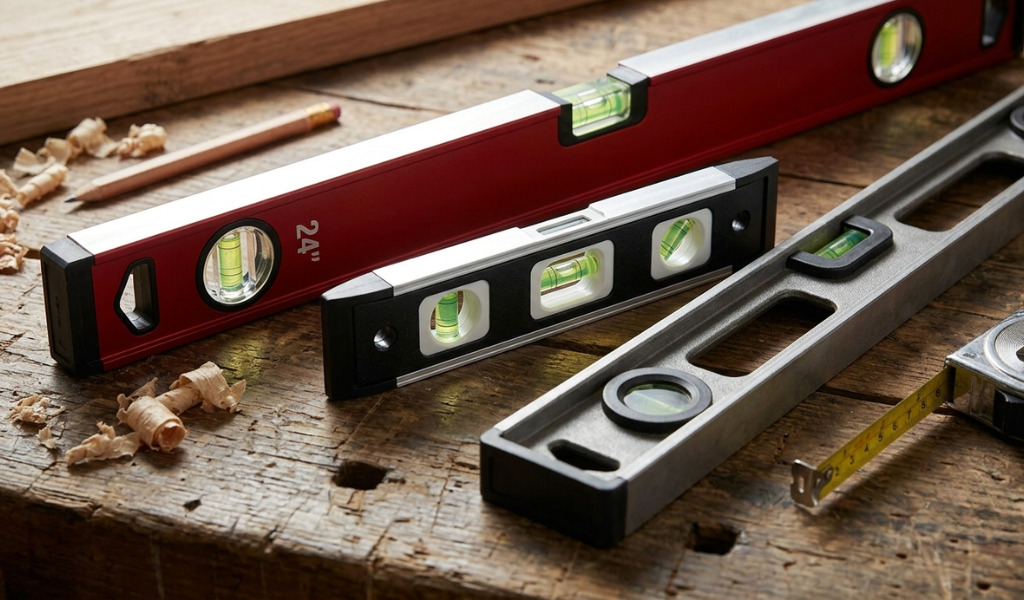
There are more types of spirit levels than most people expect. Each one is designed with a specific purpose in mind, so choosing the wrong type can make a job harder than it needs to be.
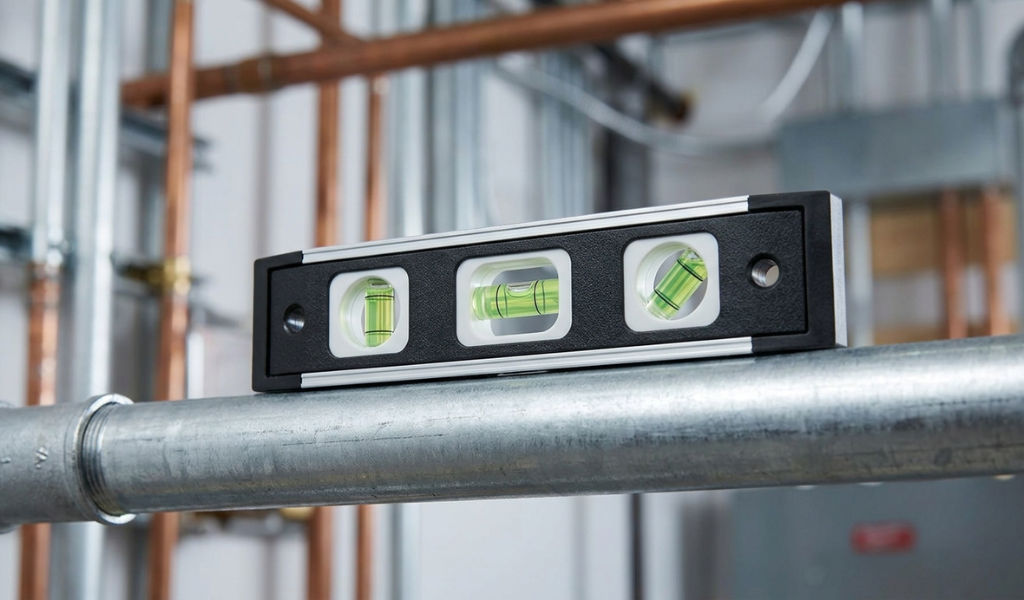
The torpedo level is compact, typically between 6 and 12 inches long which makes it ideal for working in tight or awkward spaces. It usually has three vials so you can check level, plumb, and a 45-degree angle in one tool. Electricians, plumbers, and carpenters often keep one on their belt.
If you’re mounting a fixture in a cramped cabinet or running pipe in a narrow crawl space, a torpedo level is your best option.
The scaffold level is similar in shape to the torpedo level, but it’s built with integrated magnets. This lets it attach directly to metal surfaces, which is particularly useful for scaffolders, pipefitters, and metalworkers who need both hands free while working.
If your job involves a lot of metal pipes, beams, or scaffolding, a scaffold level will make your work a lot more efficient.
A pocket level is the smallest type available. Most clip onto a belt or slip into a pocket, and many feature a V-groove or magnets for attaching to pipes and metal edges. They’re not designed for precision large-scale work, but they’re handy for quick checks on the go.
Think of a pocket level as a backup or secondary tool useful when you need a fast read without pulling out a full-sized level.
A line level is a single vial with hooks on each end so it can hang from a string or wire stretched between two points. Before laser levels became affordable, this was the standard method for leveling over long distances laying foundations, setting fence lines, or grading a yard.
Line levels are still widely used today for landscaping and outdoor projects where covering a longer span matters more than pinpoint accuracy.
A cross-check level has two vials mounted at a right angle to each other. This lets you check two planes simultaneously, which comes in handy when setting posts, columns, or any surface where both horizontal and vertical alignment need to be confirmed at once.
It’s a small, portable tool that punches above its weight in terms of usefulness on structural projects.
A circular level uses a round vial so you can check the level in all directions at once. These are commonly found attached to cameras, surveying equipment, and tripods. On a construction site, they’re sometimes used on platforms or machinery that need to be perfectly stable before use.
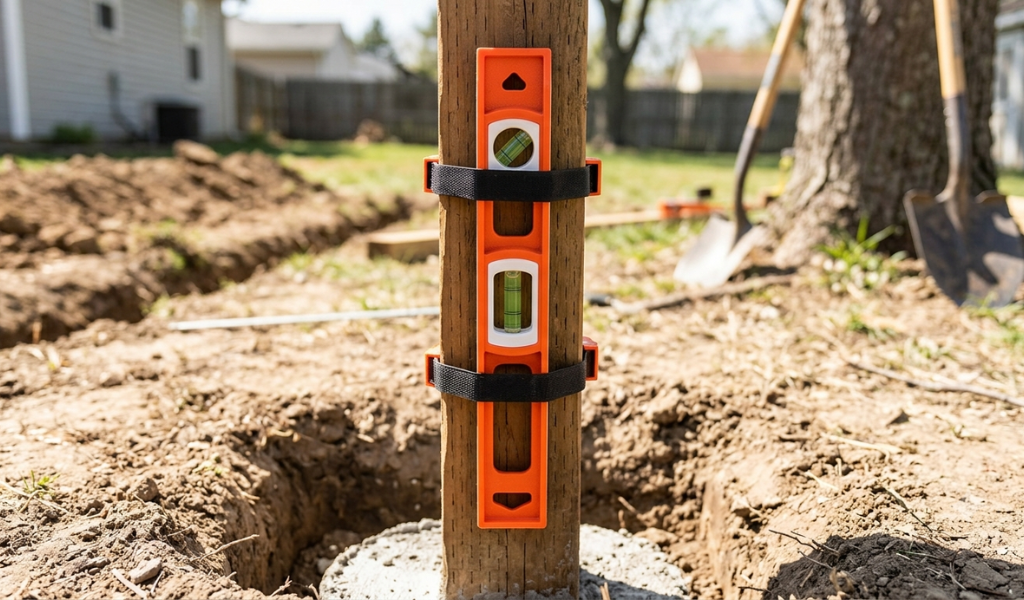
Post levels are designed specifically for setting posts, fence posts, deck posts and structural columns. They wrap around two sides of a post simultaneously, measuring plumb in both directions without needing to reposition. If you’re installing a deck or wooden fence, a post level will save you a significant amount of time.
An angle level is built to measure slopes and angles beyond just 0 or 90 degrees. Many models are digital and allow you to set a custom reference angle. These are useful in roofing, staircase building, or any project that involves working on an incline.
Once you know what types of spirit levels exist, the next question is what separates a good one from a poor one. Here’s what to pay close attention to.
This is the most important factor. Every spirit level has an accuracy tolerance usually expressed in millimeters per meter (mm/m). A tolerance of 0.5 mm/m is considered precise enough for most building work. For more critical applications like surveying or precision engineering, you’ll want something tighter.
Always check the tolerance listed on the packaging. A cheaper level might have a tolerance of 1.5 mm/m or worse, which could cause noticeable errors over longer distances.
The bubble inside the vial is what gives you your reading, so it needs to be easy to see and behave predictably. A larger bubble is generally easier to read. However, the quality of the liquid matters too especially in extreme temperatures.
In cold weather, some liquids expand or contract enough to shift the bubble slightly, throwing off your reading. Look for levels that specify stable vial performance across a wide temperature range if you’re working outdoors in variable climates.
Most modern spirit levels use a colored liquid usually green or yellow to make the bubble more visible. Over time, particularly with sun exposure, this color can fade. How quickly it fades is actually a decent indicator of the overall quality of the tool. High-quality spirit levels retain their vial color for years.
The accuracy of a spirit level also depends on how clear the reading lines are. These lines (also called graduation lines) are either etched into the vial or painted on, and they define exactly where the bubble should sit for a true level reading. Look for well-defined, clearly spaced lines that are easy to read at different angles of view.
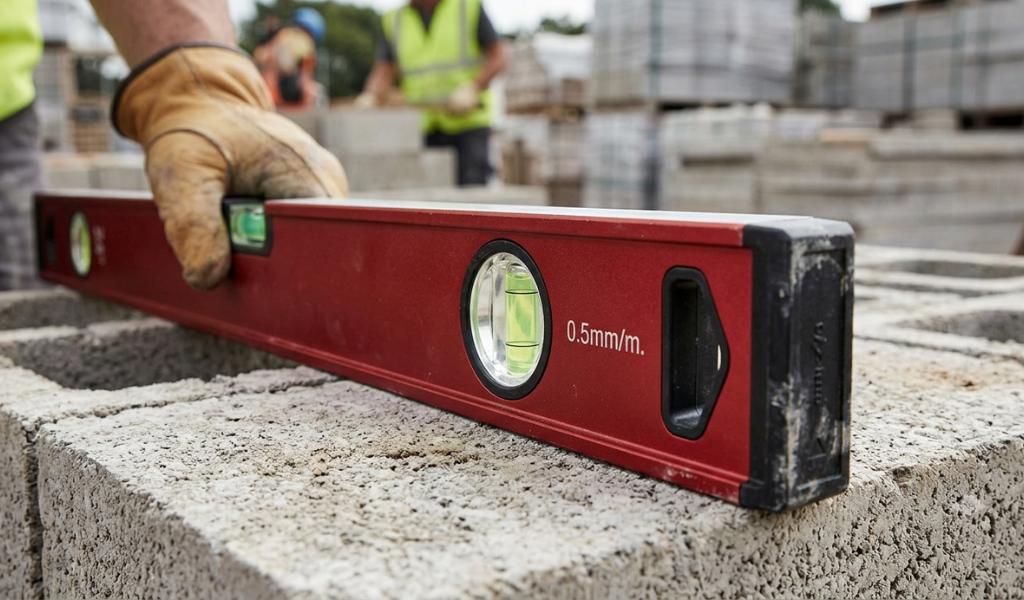
Building sites are rough environments. Spirit levels get dropped, knocked, and thrown into tool bags. A good level needs to handle that without breaking or losing calibration.
Look for:
Aluminum is the most common material for professional levels because it’s strong and lightweight. For work on delicate surfaces like freshly plastered walls a plastic-bodied level may be worth considering to avoid marking the surface.
If you’re working at height on a ladder or scaffold you need a spirit level that’s comfortable and secure to hold. Look for models with cut-out handles or rubberized grips. A tool that slips out of your hand while you’re eight feet up is a safety hazard.
Not essential for everyone, but if you work frequently with metal surfaces pipes, steel beams, scaffolding, or HVAC ducts a magnetic spirit level is a game-changer. It sticks to the surface independently, leaving your hands free to adjust, mark, or tighten fittings. Many torpedo and scaffold levels come with magnetic strips built in.
Here’s a quick reference to help you decide:
 A standard box level (24–48 inches) or torpedo level will cover most tasks.
The size of your project also matters. For spans greater than a few meters, a longer level (48 inches or more) will give you more accurate readings than a short one small errors get amplified over distance.
Choosing the right spirit level doesn’t need to be complicated. Start with the type of work you’re doing, then focus on accuracy, durability, how to use it and any specialist features like magnets or adjustable vials. A reliable spirit level is an investment that pays for itself the first time it saves you from tearing out a crooked wall or resetting a leaning post.
Take the time to compare options before you buy, handle a few different models if you can, and don’t cut corners on accuracy tolerance. Your finished project will show the difference.
A spirit level is used to check whether a surface, structure, or object is perfectly horizontal (level) or vertical (plumb). It’s an essential tool for construction, carpentry, plumbing, and home improvement projects where precise alignment is critical.
For most general construction work, a tolerance of 0.5 mm/m is sufficient. More precise applications such as surveying, precision engineering, or laying large floor areas may require a tighter tolerance. Always check the manufacturer’s stated accuracy before purchasing.
The most commonly used types are torpedo levels, box levels (also called contractor levels), scaffold levels, line levels, and post levels. Each is designed for a specific range of tasks, so the right choice depends on what you’re building and where you’re working.
Yes, but be aware that the liquid inside the vial can behave differently in extreme temperatures. Some low-quality levels become less accurate in the cold because the liquid contracts. Look for a spirit level that specifies stable performance across a broad temperature range if you’re working outdoors in winter.
Place the level on a flat surface and note the bubble position. Then rotate the level 180 degrees and check again. If the bubble sits in the same position both times, the level is accurate. If it shifts, the vial may be out of calibration and the tool should be replaced or recalibrated.
A torpedo level is short (6–12 inches) and designed for tight spaces and portable use. A box level (also called a contractor or builder’s level) is longer, typically 24 to 48 inches and provides more accurate readings over greater distances. Both serve different purposes and many professionals own both.
If you regularly work with metal surfaces such as pipes, scaffolding, or steel beams, a magnetic spirit level is very useful. It attaches to metal independently, freeing up your hands for other tasks. If you mainly work with wood or masonry, the magnetic feature is less important.