Physical Address
304 North Cardinal St.
Dorchester Center, MA 02124
Physical Address
304 North Cardinal St.
Dorchester Center, MA 02124

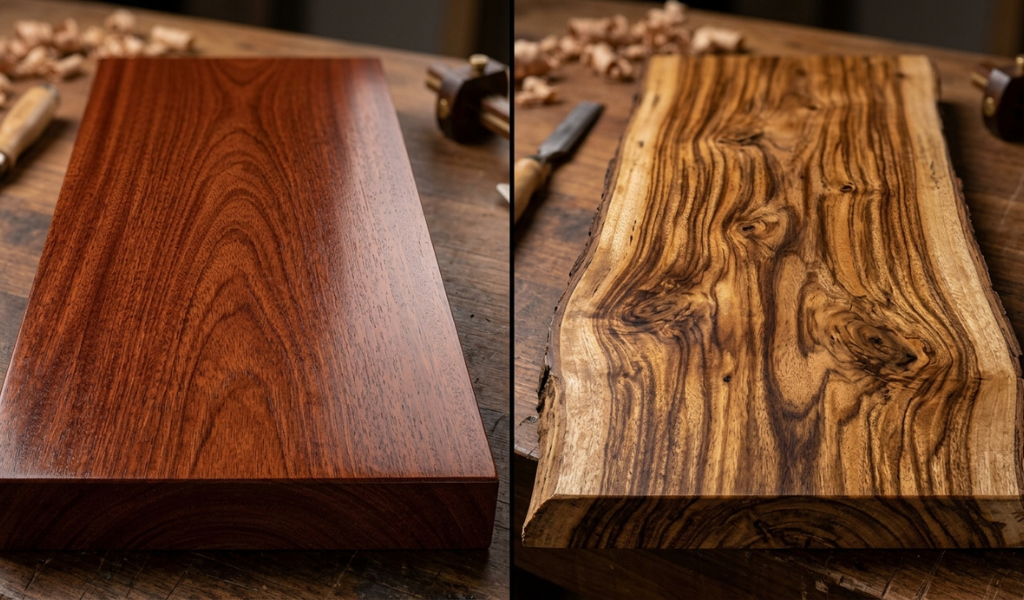
You walk into a showroom and see two dining tables. One is deep red and smooth. The other has wild stripes of gold and brown. Both are solid wood. Both look great. So which is better mahogany or acacia for furniture? The honest answer depends on how you live, where the piece will sit, and how much you want to spend.
The type of wood you pick decides how your furniture looks in ten years. It decides if a sofa side table survives a toddler, if a dining table handles hot plates, and if a garden bench lasts through monsoon season. Many shoppers also get stuck on a second question when they search online: acacia wood vs sheesham wood. These two look alike and share a similar price range in many markets, so people mix them up all the time.
In this guide we break down mahogany and acacia in plain words. We cover hardness, strength, price, upkeep, and style. We also bring in teak, sheesham and mango wood so you can see the bigger picture before you spend your money.
Mahogany has been the go-to wood for fine furniture for more than 300 years. Old sea captains had it built into their desks. Grand houses in England and America filled their studies with it. Even today the word mahogany tells people a piece is made to last and made to impress.
The wood comes from tropical trees. True mahogany grows in Central and South America and parts of Africa. Some trees grow so tall and wide that a single trunk gives long, clean boards with very few knots. That is one reason craftsmen love it.
Mahogany is known for its warm reddish brown color. New boards often look pinkish or light brown. Over the years the wood darkens into a rich deep red that many people call the classic look of old money.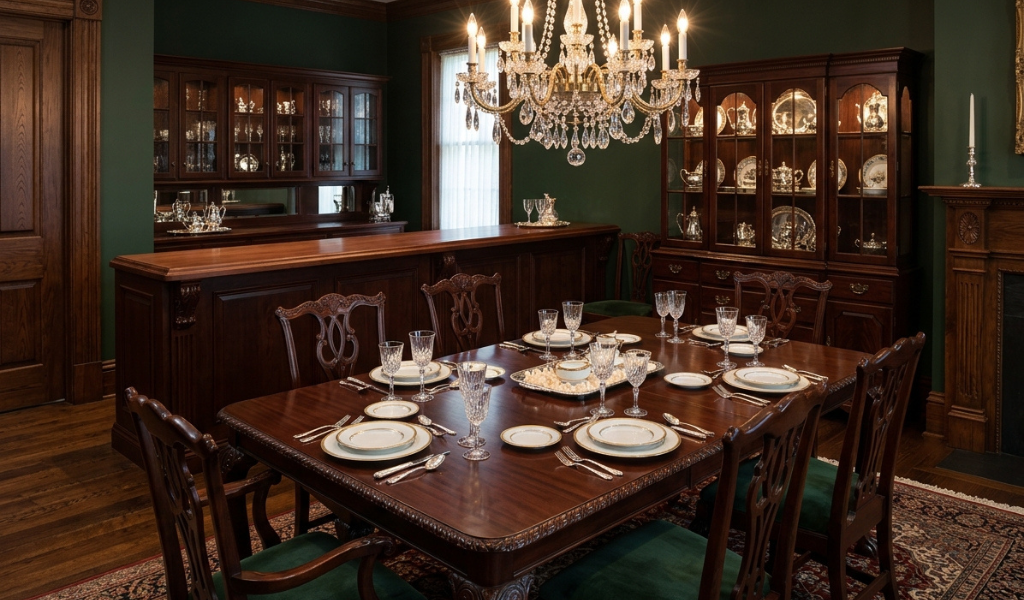 The grain is mostly straight and fine with a soft shine that shows up even under a thin coat of oil.
Some boards have a ribbon pattern that shifts as light moves across the surface. Others show a fiddleback or swirl figure that costs much more. A good example is a bedroom set from the 1920s that still looks polished today. Same wood. Same glow. Just richer with age.
This wood also carves very well. That is why you see it on ornate furniture with curved legs, detailed headboards and fancy trim. It takes stain evenly so a maker can shift the tone from light honey to dark chocolate without blotchy spots. If you want a formal or traditional room, mahogany is hard to beat.
On the Janka hardness scale true mahogany sits around 800 to 900 pounds of force. That puts it in the medium range for a hardwood. It is firmer than pine and softer than oak or maple. Dents can happen if a heavy object drops on it but day to day use is fine.
What mahogany does best is stay stable. It does not twist or swell much when the air gets humid. Drawers keep sliding. Doors keep closing. Joints stay tight. This stability is a big reason antique mahogany pieces still work after a century.
The weight is moderate. A mahogany dining table feels solid but you can still move it with two people. It is also lighter than many other dense hardwoods which makes shipping a little easier.
Acacia is a huge family. There are over a thousand species and they grow in Australia, Africa, Asia and the Pacific islands. The wood used in furniture usually comes from farm grown trees in Asia and Africa. Because acacia trees grow quickly a plantation can be harvested in around 10 to 15 years. That is a big contrast to mahogany which can take decades.
In recent years acacia wood furniture has become a popular choice for homes with a relaxed or rustic feel. You see it in coffee tables, benches, bed frames and plenty of dining sets.
Acacia is loved for its striking grain. A single board can show dark chocolate streaks beside pale honey bands.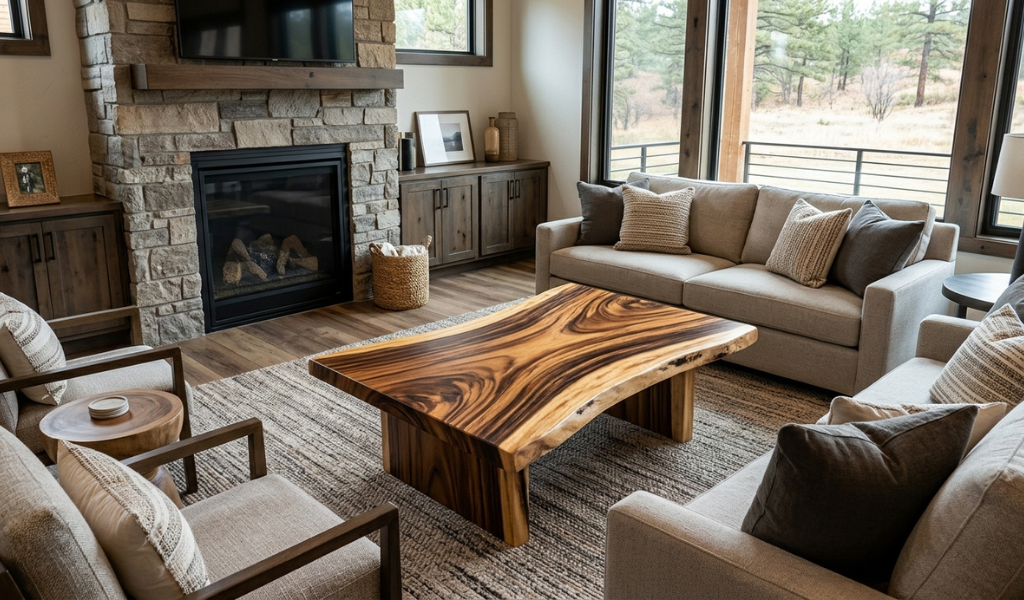 Some pieces have wavy lines. Others have knots and small swirls. No two tables look the same and many buyers see that as a perk. It feels like owning something that has a story.
Color can go from light golden brown to deep reddish brown depending on the species and the finish. A natural oil finish shows off the contrast. A darker stain calms it down for a more modern look. The mix of heartwood and sapwood in one board gives acacia the bold two tone look you often see in rustic furniture.
A quick tip. If you like a calm and even tone, ask the seller to show you the real piece before you buy. Photos of acacia can hide how busy the grain gets.
Acacia is a dense hardwood. Depending on the species its Janka rating lands somewhere between about 1,100 and 1,700. Many common furniture grade types are near the higher end. That makes acacia harder than mahogany and more resistant to dents and scratches.
This strength shows up in daily life. Picture a family dining table that handles homework, laptops, dropped forks and Sunday dinners. Acacia takes that kind of use well. Its natural oils also give it some defense against moisture and insects.
The trade off is movement. Acacia can shrink or swell more than mahogany if the boards are not dried well. Cheap acacia that was rushed through a kiln can crack or warp. Good drying and good joinery matter a lot here.
Now for the part you came for. Let us put the two woods side by side and look at the things that matter most when you shop. This is a comprehensive comparison but we will keep it simple.
Here is a surprise for many people. On paper acacia wins on hardness. It resists dents better than mahogany. 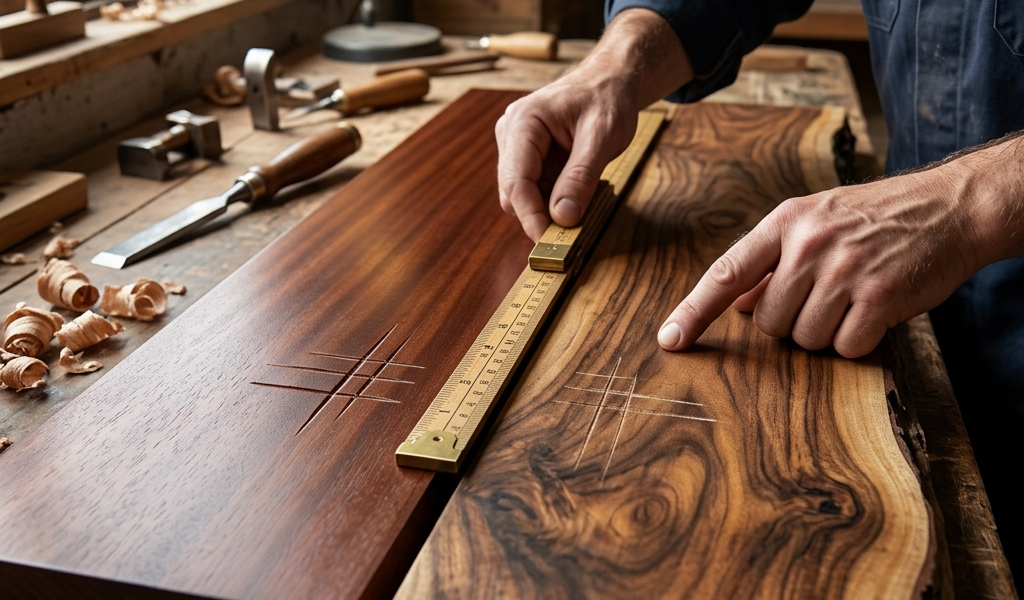 But durability is more than hardness. It also covers how a wood handles time, humidity and temperature changes.
Mahogany wins on stability. Well made mahogany furniture can last 50 to 100 years or more and many antiques prove it. Acacia furniture can last for years too. With good care a solid acacia table often serves a family for 20 to 30 years or longer. But low grade pieces may crack at the seams if the wood moves with the seasons.
Teak is worth a mention here. Teak sits in a similar range of hardness as mahogany but it has more natural oil. That is why it is the gold standard for the outdoors and also why it costs so much.
So who wins this round? If you want a family heirloom that stays tight and smooth for generations mahogany has the edge. If you want a tough everyday piece that handles knocks and bumps acacia is a strong pick.
Price is where the two woods split apart. Genuine mahogany is expensive. Large old growth trees are rare and many mahogany species are now protected by trade rules. That limits supply and pushes prices up. A solid mahogany dining table often costs two to three times more than a similar acacia one.
Acacia is much easier on the wallet. Fast growing trees and large plantations keep the cost down. You can find solid acacia furniture at fair prices without giving up real wood. For many buyers this is the best value in hardwood.
It helps to know what you see in stores. Some products sold as mahogany are really other woods that look similar. Words like Philippine mahogany or Nato are common. These are cheaper and softer. Always ask the seller for the exact species and check if the piece is solid wood or veneer.
Then there is the question of acacia wood vs sheesham wood on price. Sheesham is also known as Indian rosewood and it usually costs a bit more than acacia. Mango wood is often the cheapest of the three. Acacia sits in the middle and gives a nice balance of cost and strength.
Both woods are fairly easy to care for. Wipe them with a soft damp cloth. Keep them out of direct sun. Use coasters and mats under hot or wet items. That covers 90 percent of the job.
Mahogany has a closed grain and a small amount of natural oil. It handles moisture well and resists rot better than many other hardwoods. Still it needs a finish. Without one it can fade or dry out. An occasional coat of wax or oil keeps the color deep.
Acacia also has natural oils and it holds up well against water. That is why many outdoor sets use it. But it should be sealed to keep it from graying and cracking in strong sun or heavy rain. Plan to oil outdoor acacia once or twice a year. Teak requires less work outside but costs a lot more.
If you want low maintenance furniture for a covered patio acacia is a very good bet. For a humid indoor room mahogany is calm and steady. For a wet open garden teak is still the safest choice.
It would be unfair to talk about acacia without covering sheesham wood. In many online stores the two sit side by side and sellers sometimes blur the line between them. Sheesham is a dense hardwood from India and Pakistan. It has a Janka rating of around 1,600 and a rich brown color with darker streaks. Sheesham wood furniture is heavy and strong and it holds carvings nicely.
Acacia is a little lighter in weight and often lighter in color. It costs less and it grows much faster so it is the more eco friendly of the two. Sheesham trees grow slowly and have faced over harvesting in some regions so buy only from sellers who can show that the wood is legal and well sourced.
For a dining table or a bed frame both are excellent. Pick sheesham if you like a darker classic tone and carved details. Pick acacia if you want a lively grain and a lower price.
This point matters more each year. Acacia trees grow quickly and plantations replace what they cut. The wood often comes from managed farms which makes it an eco-friendly option when sourced the right way. Look for FSC labels or similar proof.
Mahogany is trickier. Wild big leaf mahogany has been over cut for decades and trade is controlled in many places. Responsible plantations do exist and reclaimed mahogany from old buildings is another smart choice. If a deal on mahogany seems too good to be true ask more questions.
The right wood depends on the room and the style you want. Here are some real life matches.
For a formal dining room mahogany is a natural fit. A long table with curved legs and a high shine looks great under a chandelier. The same goes for a study with a big desk and bookshelves. Mahogany also works for bedroom sets and cabinets where smooth drawers and tight doors matter most. Its steady nature makes it a good choice for bespoke furniture and custom furniture where a maker wants clean carving and fine detail.
For a modern or rustic home acacia shines. A chunky coffee table with a live edge looks wonderful in a living room with white walls. Acacia dining tables fit busy family homes since they shrug off scratches. Furniture like dining tables, benches, console tables and open shelves all look great in this wood. It also fits Scandinavian and farmhouse looks where texture is the star.
For outdoor seating acacia is a popular choice for patios and balconies. 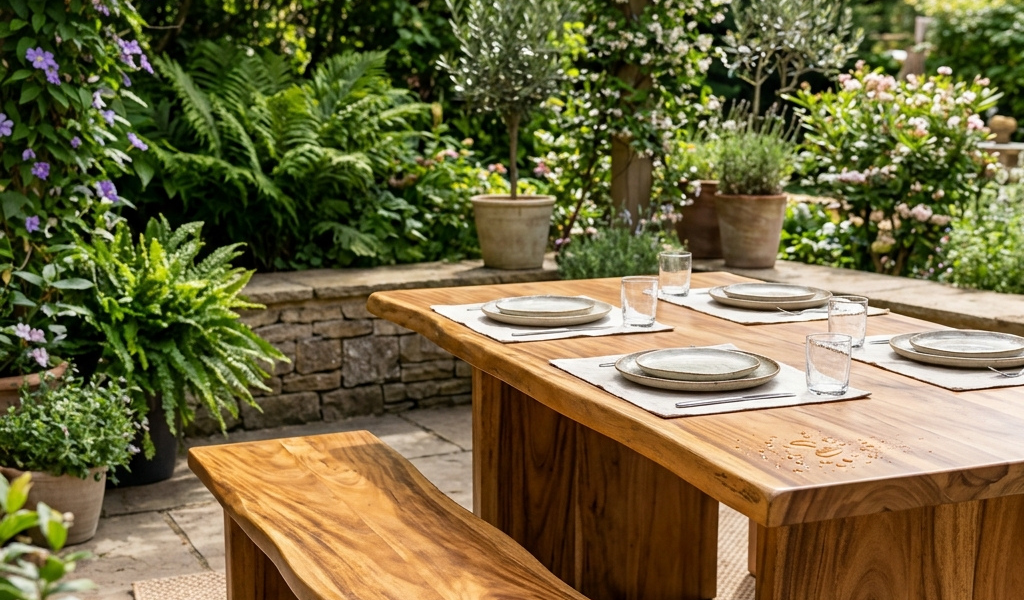 Add a good sealant and a cover in the rainy season and it will serve you well. If your budget allows teak or a high grade tropical hardwood is better for fully open gardens.
A simple tip from furniture makers. Pick the wood to fit the room, then pick the finish to fit the style. A dark stain on acacia can look close to mahogany. A pale oil on mahogany can look soft and modern. The finish has a big say in the final look.
So which is better mahogany or acacia for furniture? Neither wins in every case. Mahogany is the better pick if you want a classic look, fine detail and stable wood that can last a lifetime. Acacia is the better pick if you want real hardwood at a fair price with a bold grain and strong everyday toughness.
If you are comparing acacia wood vs sheesham wood remember that sheesham is darker and heavier while acacia is lighter on both your budget and the planet. If you are shopping for the garden skip mahogany and look at acacia or teak.
Before you buy always check three things. Ask for the exact species. Confirm that it is solid wood and not veneer. Look at the joints and finish in person. Do those three checks and you will end up with a piece that looks good and lasts. Ready to shop? Visit a showroom, touch the wood, and see which one feels right in your home.
1. Is acacia wood better than mahogany?
It depends on what you need. Acacia is harder and cheaper so it handles daily wear well. Mahogany is more stable and has a finer look so it suits formal and long lasting pieces.
2. Is acacia wood good for outdoor furniture?
Yes. Acacia has natural oils that resist water and insects. Seal it once or twice a year and keep it covered during heavy rain. Teak lasts longer outside but costs more.
3. What is the difference between acacia and sheesham wood?
Sheesham is denser and darker and comes from slow growing trees. Acacia is lighter in color and grows fast. Both make strong solid wood furniture and both suit dining tables and beds.
4. Is mahogany worth the high price?
If you want a piece that can last for generations and keep its value then yes. For a budget friendly home or a piece that will see heavy use acacia often gives better value.
5. How long does acacia furniture last?
With good care solid acacia furniture can last 20 to 30 years or more. Quality drying and good joints make the biggest difference.
6. Is acacia wood eco-friendly?
Usually yes. Acacia trees grow quickly and are farmed on plantations. Look for FSC or similar labels to be sure the wood is sourced in a responsible way.
7. How can I tell real mahogany from a cheap copy?
Ask for the botanical name of the wood. Real mahogany is from the Swietenia or Khaya group. Names like Philippine mahogany or Nato point to cheaper woods that only look similar.