Physical Address
304 North Cardinal St.
Dorchester Center, MA 02124
Physical Address
304 North Cardinal St.
Dorchester Center, MA 02124

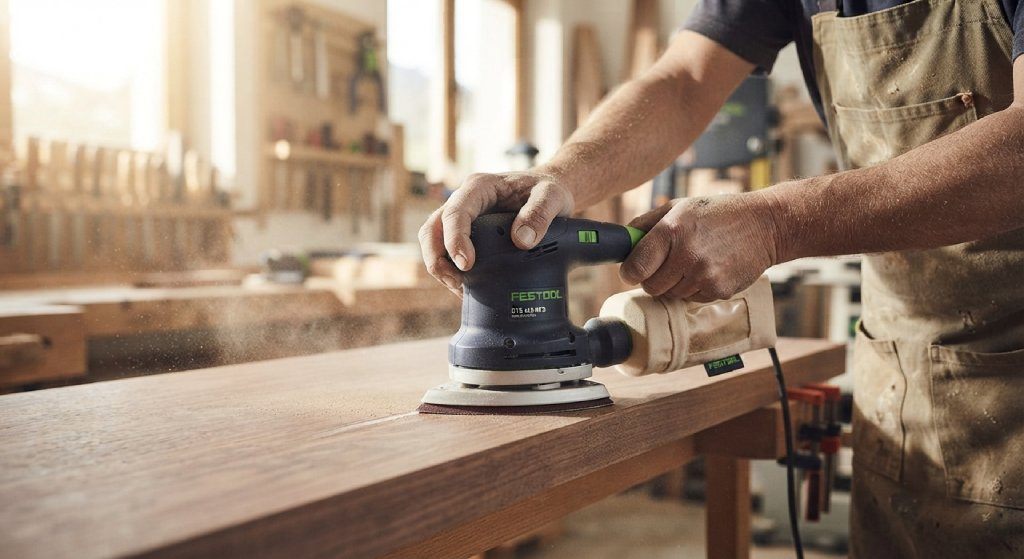
If you’re stepping into woodworking or tackling your first home improvement project, a palm sander is one of the first power tools you should add to your workshop. This handheld sander is compact, easy to control, and perfect for achieving smooth surfaces without the steep learning curve of larger machines like a belt sander or random orbital sander.
Whether you’re refinishing an old dresser, sanding wood joints flush after a glue-up, or prepping a project for paint, a palm sander gets the job done with minimal fuss. It’s lightweight, beginner-friendly, and versatile enough to handle both fine finishing work and moderate material removal. In this guide, we’ll break down everything you need to know about palm sanders, from their main features to how they stack up against other sanders for woodworking, so you can decide if this power tool belongs in your toolkit.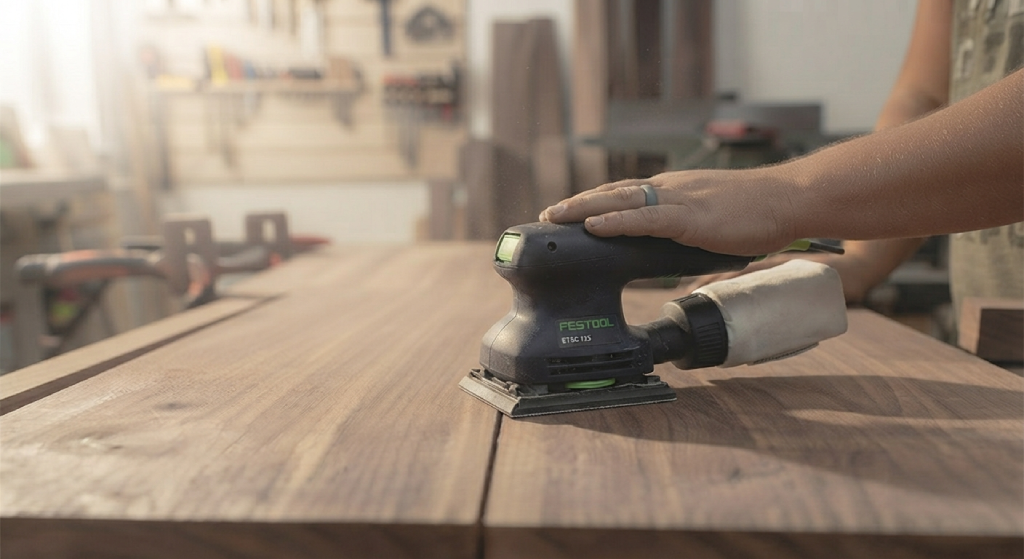
By the end of this article, you’ll understand how a palm sander works, what it’s best used for, how to pick the right sandpaper grit, and how to use one safely. Let’s get into it.
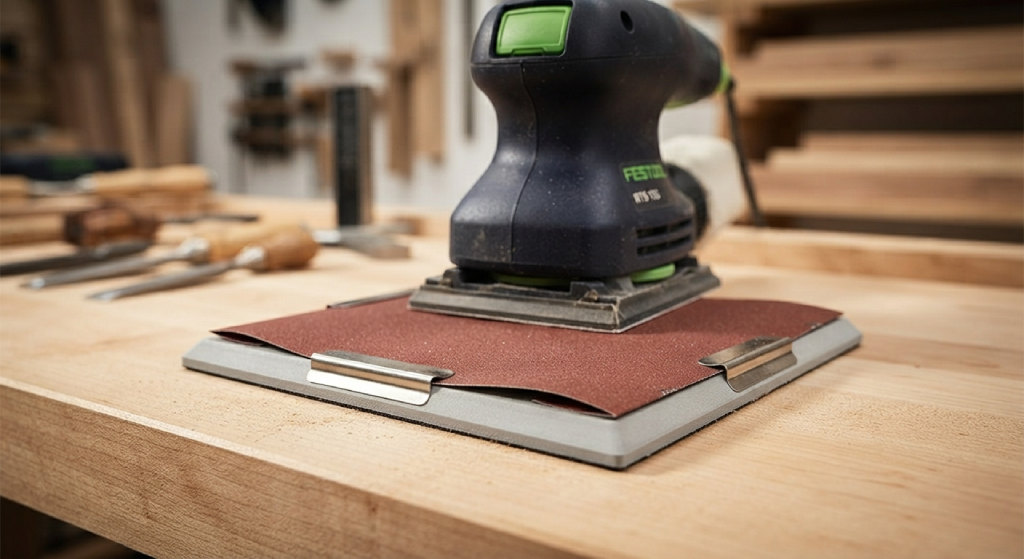
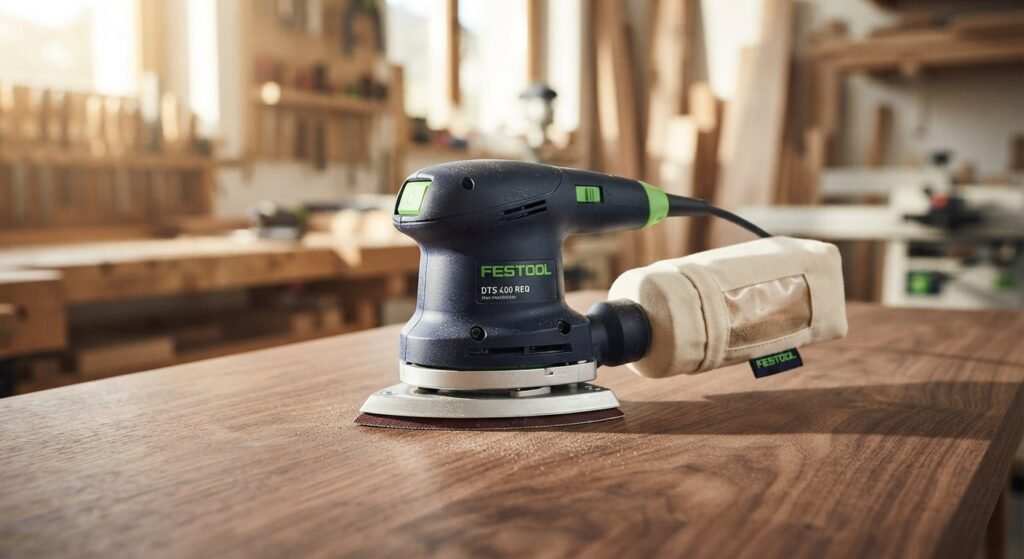
A palm sander, sometimes called a sheet sander or finishing sander, is a small, handheld sanding tool designed to fit comfortably in your palm (hence the name). It uses a square or rectangular sanding pad that moves in tight, orbital motions to smooth wood, remove old finishes, or prepare surfaces for paint or stain.
Unlike a random orbital sander, which uses a round pad that spins and vibrates simultaneously, a palm sander typically relies on a simpler back-and-forth or small circular motion. This makes it ideal for detail work and fine finishing rather than heavy-duty material removal.
Most palm sanders use quarter sheets of sandpaper, which you clip or clamp onto the sanding pad. Some newer cordless models use hook-and-loop sanding pads for quicker paper changes, which is a nice convenience if you’re switching grits often during a sanding job.
Palm sanders are essential tools for woodworkers, DIYers, and even automotive hobbyists who need a compact power tool for light sanding tasks in tight spaces or on smaller projects.
Understanding the main features of a palm sander helps you choose the right one for your sanding needs. Here’s what to look for:
Corded and cordless options. Palm sanders come in both corded and cordless versions. Corded models offer consistent power without worrying about battery life, while cordless sanders (like Dewalt’s 20V Max XR cordless lineup or Bosch’s cordless brushless models) give you more freedom to move around the workspace without a cord getting in your way.
Variable speed control. 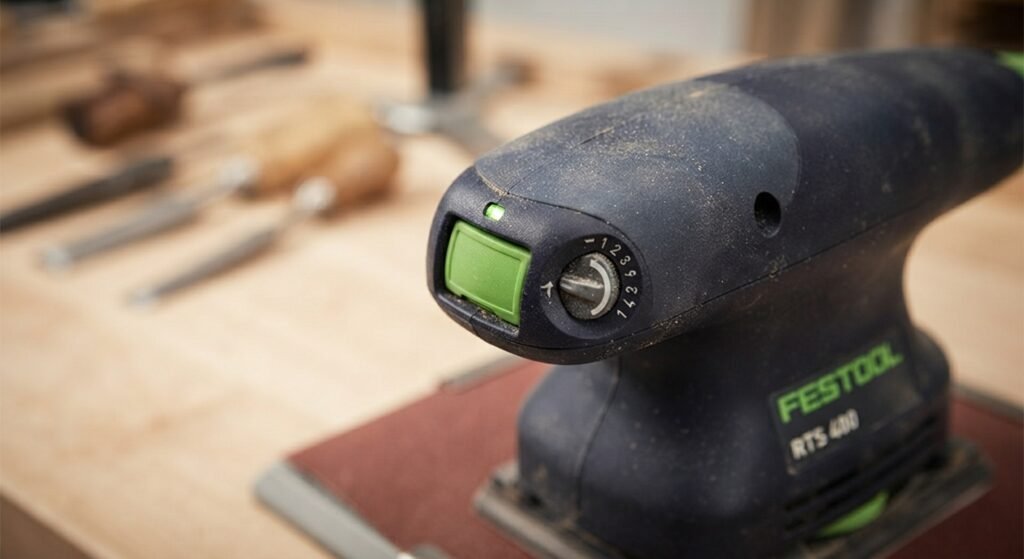 Many palm sanders include a variable speed dial, letting you adjust the orbits per minute based on the material and the finish quality you want. Lower speeds work well for delicate wood, while higher speeds tackle rougher surfaces faster.
Dust collection system. Sanding creates a lot of dust, and a good palm sander includes a dust bag or built-in dust collection port to keep your workspace cleaner. Some models connect to a shop vacuum for even better dust control, which is especially helpful when you’re working indoors or on drywall.
Ergonomic design. Since you’ll be gripping the tool for extended periods, an ergonomic handle matters. Look for a palm sander with a comfortable grip and low vibration, since this reduces hand fatigue during longer sanding jobs.
Brushless motor technology. Higher-end cordless models often feature a brushless motor, which runs cooler, lasts longer, and delivers more consistent power compared to older brushed designs. Brands like Dewalt, Bosch, and Skil have all incorporated brushless technology into their newer palm sander lines.
Lightweight and compact build. A palm sander is designed to be handheld and easy to maneuver. Its small size makes it perfect for reaching into corners, edges, and other tight spots that larger sanders for woodworking simply can’t access.
A palm sander is a versatile power tool, and it shows up in a wide range of woodworking projects and home improvement tasks. Here are some of the most common ways people use one:
Smoothing rough wood surfaces. Before staining or painting, a palm sander smooths out rough boards, giving you a clean, even surface to work with.
Sanding wood joints flush. After gluing two pieces of wood together, joints often sit slightly uneven. A palm sander helps level these seams quickly, creating a flush, professional-looking finish without removing too much material.
Removing old paint or varnish. If you’re refinishing furniture, a palm sander strips away old paint or varnish layers so you can apply a fresh coat.
Preparing surfaces for finishing. Fine sanding between coats of stain, paint, or polyurethane helps each layer bond better and results in a smoother finish quality overall.
Light automotive sanding. Some automotive hobbyists use a palm sander for prepping small body panels or removing light surface rust before repainting.
Drywall touch-ups. While not its primary purpose, a palm sander can handle small drywall sanding tasks, like smoothing joint compound after patching a hole.
Detail work in tight spaces. Because of its compact size, a palm sander reaches corners, edges, and other spots that a larger sander for woodworking might struggle with.
One of the most important parts of using a palm sander effectively is picking the correct sandpaper grit for your sanding project. Grit refers to the coarseness of the sanding pad, and using the wrong grit can either waste time or damage your workpiece.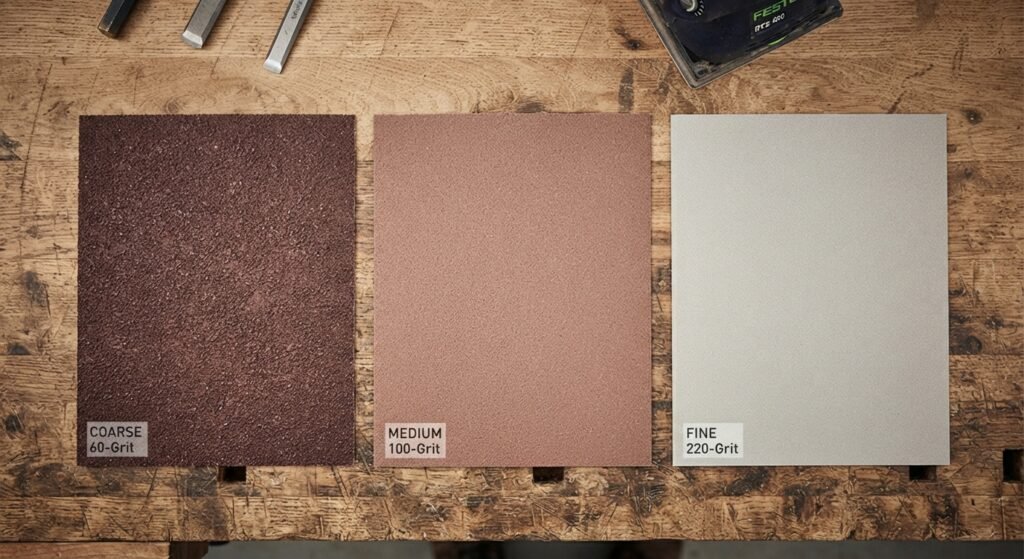
Coarse grit sandpaper, typically ranging from 40 to 60 grit, is best for removing material quickly. Use coarse grit when you’re stripping old paint, smoothing rough or splintered wood, or leveling uneven surfaces. Keep in mind that coarse grit leaves visible scratches, so you’ll need to follow up with a finer grit afterward.
Medium grit sandpaper, usually between 80 and 120 grit, works well for general-purpose sanding. This is your go-to grit for most woodworking projects, including smoothing surfaces after initial coarse sanding or preparing bare wood for staining. It strikes a good balance between removing material and creating a smoother finish.
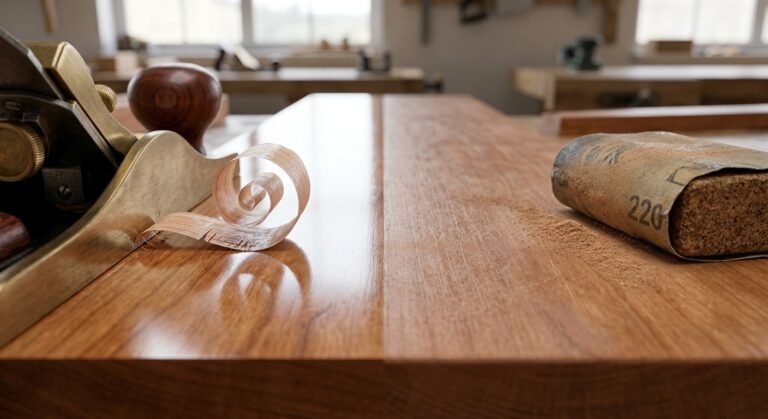
Fine grit sandpaper, ranging from 150 to 220 grit or higher, is used for the final stages of a sanding job. This grit level removes swirl marks left by coarser papers and creates the smooth finish needed before applying paint, stain, or a protective topcoat. For fine finishing work, especially on furniture or detail work, fine grit sandpaper makes all the difference in the final look of your project.
As a general rule, always work your way from coarse to fine grit rather than jumping straight to a fine finish. Skipping steps often leaves visible scratches that fine sanding alone can’t fix.
If you’re new to woodworking, it helps to understand how a palm sander compares to other sanders on the market. Each type has its strengths, and choosing the right one depends on your specific sanding needs.
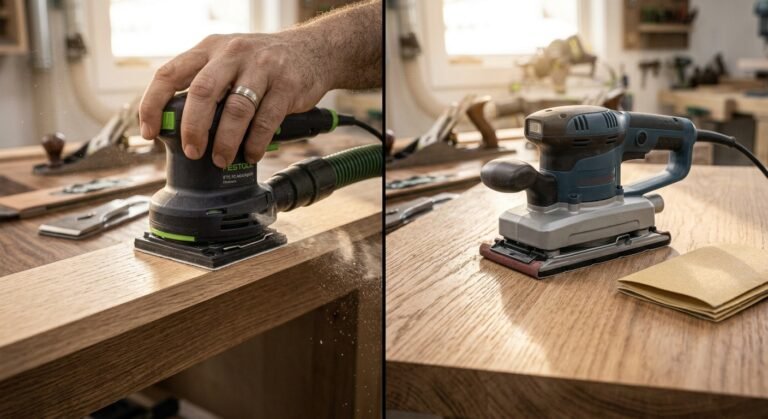
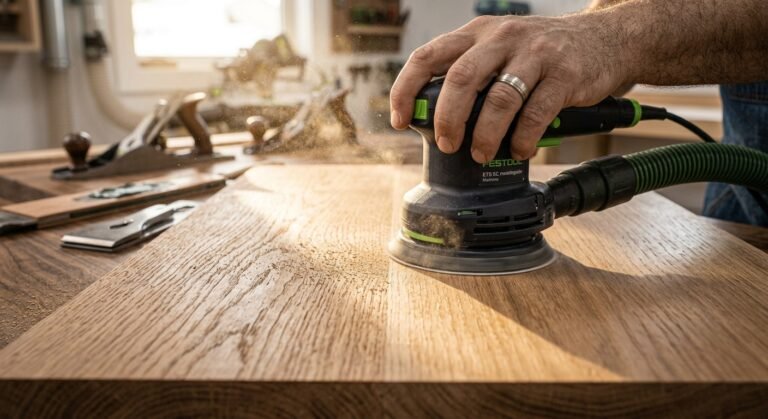
Palm sander vs. random orbital sander. A random orbital sander combines spinning and vibrating motions, which helps prevent swirl marks and works faster on larger surfaces. Palm sanders are simpler, more affordable, and better suited for smaller detail jobs. If you’re working on a large tabletop or flooring, a random orbital sander is usually the better choice. For quick touch-ups and finishing work, a palm sander gets the job done just as well, often at a lower price point.
Palm sander vs. belt sander. A belt sander is a heavy-duty power tool built for aggressive material removal, like leveling large boards or stripping thick layers of finish. It’s more powerful but also harder to control for beginners. A palm sander is much gentler and easier to handle, making it a better fit for finishing tasks rather than heavy stock removal.
Palm sander vs. sheet sander. In many cases, “palm sander” and “sheet sander” refer to the same type of tool, since both use sheets of sandpaper on a flat, rectangular pad. Some sheet sanders are larger and require two hands, while true palm sanders are designed for one-handed use. If portability and ease of control matter most, stick with a compact palm sander.
Palm sander vs. hand sander (manual). A manual hand sander has no motor. It’s simply a block you wrap sandpaper around and sand by hand. While inexpensive, it takes much longer and requires more physical effort. A power sander like the palm sander speeds up the process significantly, especially on larger surfaces.
Like any power tool, a palm sander comes with both strengths and drawbacks. Knowing these helps set realistic expectations before you start your sanding project.
Benefits:
 Many models include a dust bag or dust collection port, keeping your workspace tidier during a sanding job.
Limitations:
Understanding these trade-offs helps you decide whether a palm sander alone is enough for your project, or if you’ll need to pair it with another power sander for larger tasks.
Power tools require careful handling, and a palm sander is no exception. Follow these safety tips to keep yourself protected while working:
Wear eye protection. Sanding creates fine dust particles that can easily irritate or injure your eyes. Always wear safety glasses or goggles.
Use a dust mask or respirator. Inhaling wood dust over time can affect your respiratory health. A simple dust mask goes a long way in protecting your lungs, especially during longer sanding sessions.
Secure your workpiece. Always clamp down your material before sanding. An unsecured workpiece can shift unexpectedly, leading to uneven sanding or accidents.
Check the sandpaper before starting. Make sure the sandpaper is properly attached to the sanding pad. Loose paper can tear or cause the sander to slip during use.
Unplug or remove the battery when changing sandpaper. Whether you’re using a corded or cordless sander, always disconnect the power source before swapping out sandpaper to avoid accidental start-ups.
Keep both hands on the tool when possible. Even though a palm sander is designed for one-handed use, keeping a firm, steady grip gives you better control, especially on uneven or tricky surfaces.
Avoid excessive pressure. Let the sander do the work. Pressing too hard can create uneven surfaces, damage the sandpaper faster, and strain your wrist over time.
Work in a ventilated area. If you’re sanding indoors, open windows or use a fan to help clear dust from the air, particularly if your sander doesn’t have strong dust collection.
A palm sander is a small but mighty addition to any woodworker’s toolkit. It’s affordable, beginner-friendly, and versatile enough to handle everything from sanding wood joints flush to prepping furniture for a fresh coat of paint. While it won’t replace a belt sander or random orbital sander for heavy-duty jobs, it excels at fine finishing work, detail sanding, and reaching tight spaces other tools can’t.
If you’re just starting out in woodworking or home improvement, a corded or cordless palm sander from a trusted brand like Dewalt, Bosch, or Skil is a smart investment. Pay attention to features like variable speed, dust collection, and ergonomic design when making your choice, and don’t forget to match your sandpaper grit to the task at hand.
Ready to get started? Grab a palm sander, a few sheets of sandpaper in different grits, and put these tips into practice on your next sanding project.
What is the main difference between a palm sander and a random orbital sander?
A palm sander uses a square or rectangular pad that moves in small orbital or back-and-forth motions, making it ideal for detail work and finishing. A random orbital sander uses a round pad that both spins and vibrates, allowing it to cover larger areas faster while reducing the risk of swirl marks.
Can a palm sander remove paint?
Yes, a palm sander can remove old paint or varnish, especially with coarse grit sandpaper. However, for thick layers of paint, a belt sander or chemical stripper may work faster.
What grit sandpaper should I use for finishing wood?
For a smooth finish, use fine grit sandpaper between 150 and 220 grit. This removes any leftover scratches from coarser grits and prepares the surface for stain, paint, or a protective topcoat.
Is a cordless palm sander as powerful as a corded one?
Modern cordless sanders, especially those with brushless motors, come close to matching the power of corded models. Battery life and power may vary slightly, but for most woodworking projects, a cordless palm sander performs just as well as a corded version.
Do I need a dust bag for my palm sander?
While not required, a dust bag or dust collection system helps keep your workspace clean and reduces the amount of airborne dust you breathe in during a sanding job. Many palm sanders include this feature built in.
What is a palm sander used for in woodworking?
A palm sander is commonly used for smoothing rough wood, sanding wood joints flush, removing old finishes, and preparing surfaces for paint or stain. It’s especially useful for detail work and reaching tight spaces.
Is a palm sander good for beginners?
Yes, a palm sander is one of the easiest power tools for beginners to learn. It’s lightweight, simple to control, and forgiving compared to more aggressive sanders like a belt sander.