Physical Address
304 North Cardinal St.
Dorchester Center, MA 02124
Physical Address
304 North Cardinal St.
Dorchester Center, MA 02124

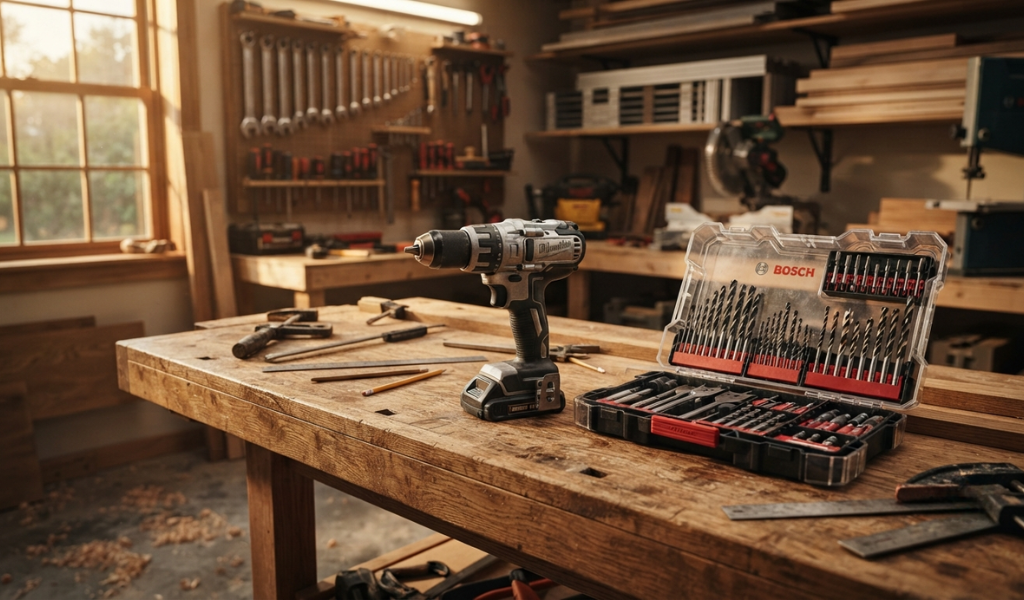
Whether you’re mounting a shelf, fixing a pipe, or working on a construction site, the uses of drilling show up in nearly every trade and hobby. A drill machine is one of the most versatile tools ever invented, and once you understand how to use it properly, a whole world of projects opens up.
This guide is written for beginners who want to understand drilling from the ground up. By the time you finish reading, you’ll know what drilling is, how the drilling process works, which types of drilling machines exist, how to pick the right drill bit, and how to stay safe while doing it. You’ll also find practical tips, real-life examples, and answers to the most commonly asked questions about drilling applications.
Drilling is the process of creating holes in a material using a rotating drill bit attached to a drill machine. The drill bit spins at high speed and cuts into the material, removing small pieces as it goes deeper. The result is a clean, round hole that can be used for fasteners, pipes, cables, or other purposes.
The applications of drilling are incredibly wide. From woodworking and metalworking to construction and manufacturing, the drill machine is found in almost every industry. It is one of the most essential machine tools ever developed because it helps workers create holes quickly and accurately in a wide range of materials.
Drilling is defined as a machining process in which a rotating drill bit is used to cut cylindrical holes into solid materials. The drill machine drives the drill bit along its spindle axis, applying downward pressure while the bit rotates to remove material.
In simpler terms, drilling is how you make holes, whether in wood, metal, concrete, or plastic. The drilling tool can range from a small handheld electric drill to a large industrial drill press, depending on the size and depth of the hole needed.
Understanding the drilling process helps you get better results and avoid common mistakes. Here is how it works, step by step.
First, you choose the right drill bit based on the material you are working with. Then you attach the bit to the drill machine and secure your workpiece so it does not move.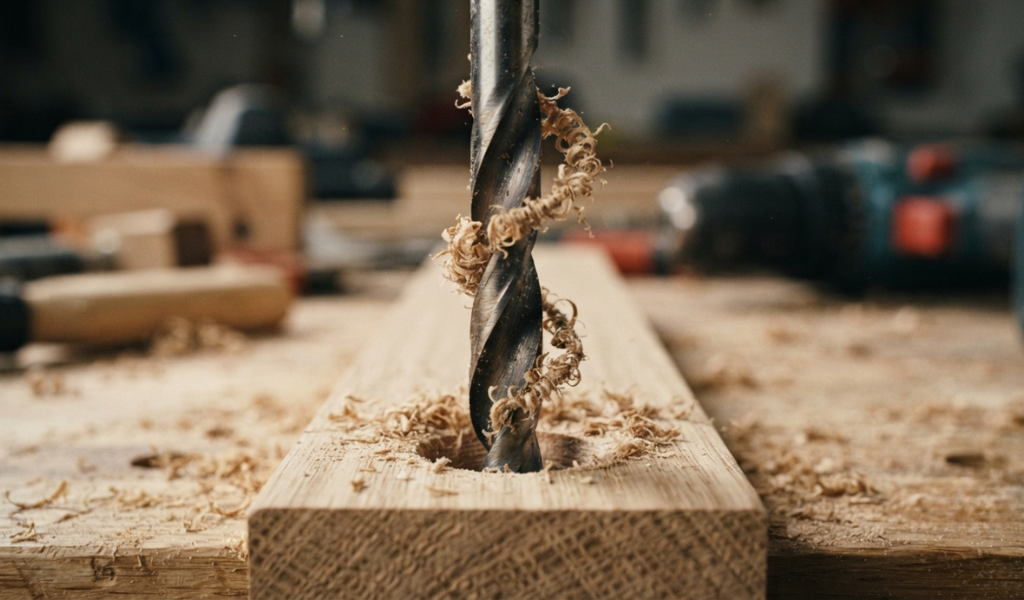
When you start the drill, the electric motor spins the drill spindle, which rotates the drill bit at a set speed. As you apply gentle downward pressure, the rotating drill bit cuts into the material. The cutting edges of the bit break the material apart and push the waste upward through the spiral grooves on the bit, keeping the hole clean.
The speed at which you drill, the amount of pressure you apply, and the type of drill bit you use all affect the quality of the hole. Precision drilling requires the right settings for each material. Too much speed on metal can overheat the bit, while too little pressure on wood can cause the bit to wander off-course.
In industrial settings, the drilling machine cuts with great consistency, making it possible to drill holes of exact sizes in exact locations, every single time.
The applications of drilling touch nearly every area of construction, repair, and manufacturing. Here are some of the most common ones.
Wood is one of the easiest materials to drill, and woodworking projects rely on a drill machine constantly. Carpenters use drills to make holes for screws, bolts, and dowels that hold furniture together. Cabinet makers drill precise holes for hinges and handles. Woodworkers also use a drill to create decorative patterns, route wiring through furniture, or connect structural beams.
A standard drill with a wood drill bit handles most woodworking tasks. For deeper or larger holes, a drill press gives better precision and control.
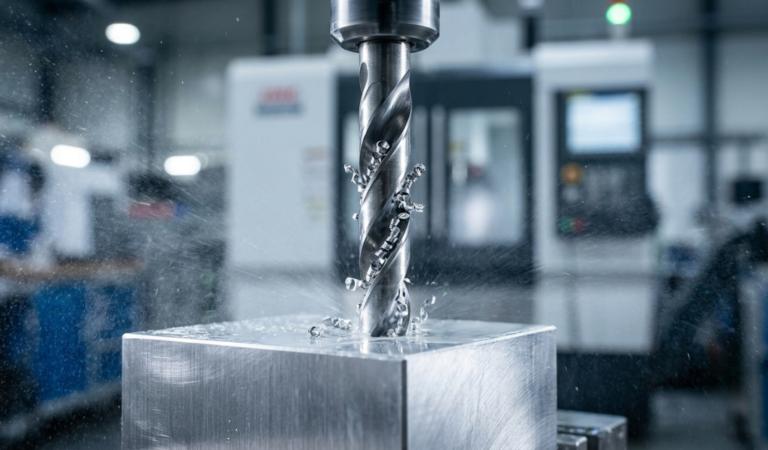
Metal is harder to drill than wood, but a drill machine with the right metal drill bit can cut through steel, aluminum, copper, and other metals cleanly. Metalworking applications include drilling holes in metal sheets for rivets or fasteners, creating openings for pipes or cables, and preparing parts for assembly.
Precision drilling is critical in metalworking because even a millimeter of error can make a part unusable. For this reason, pillar drill machines and drill presses are commonly used in metal fabrication shops. They hold the drill bit perfectly straight and allow the operator to control the depth with accuracy.
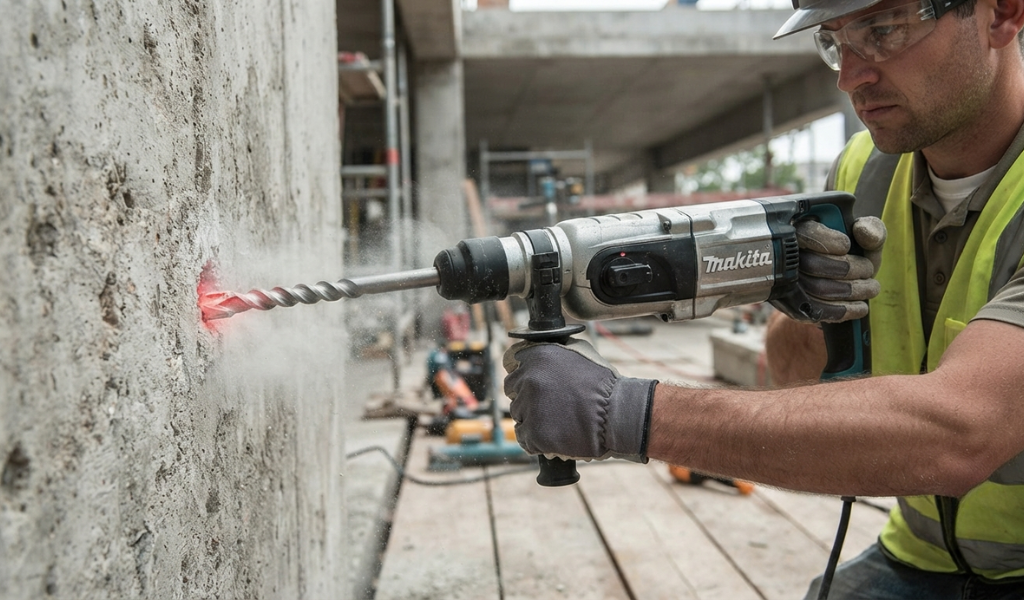
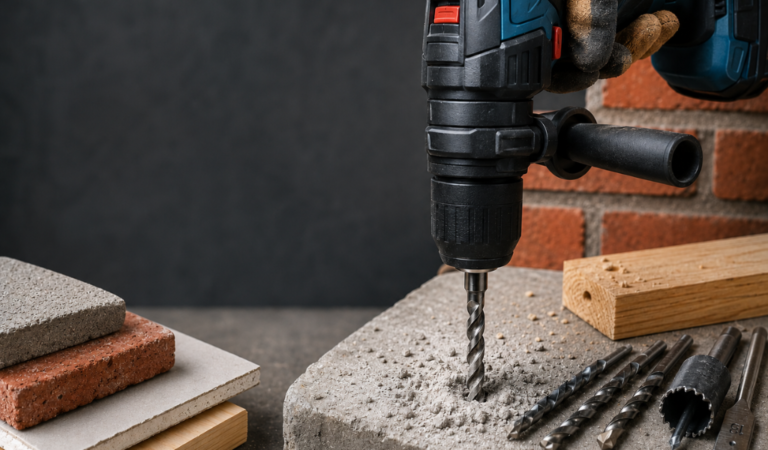
Drilling into masonry, brick, or concrete requires a different approach. Regular drill bits will not work on these surfaces. You need a hammer drill or an impact drill, along with masonry drill bits made from hardened materials.
The hammer drill adds a hammering action to the rotating motion, which helps the drill bit break through tough materials like concrete. This makes tasks like drilling into concrete walls for anchors, mounting brackets, or running plumbing and electrical conduit much faster and easier.
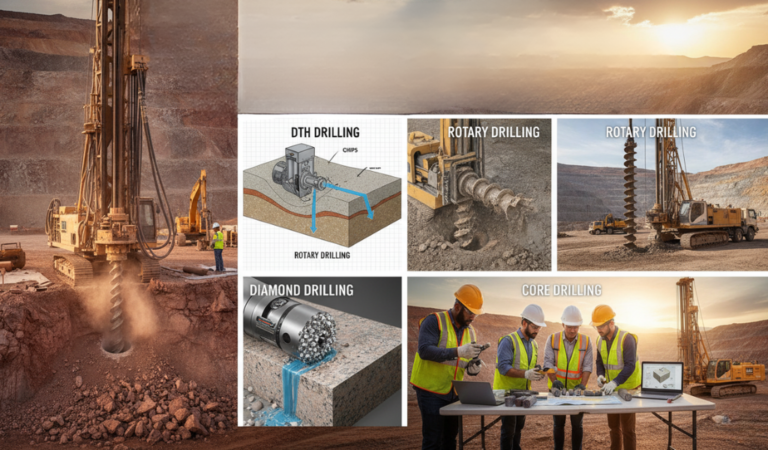
Diamond core drills are used for very heavy-duty drilling through thick concrete or stone, such as when creating large holes for pipes in construction work.
For most homeowners, the electric drill is the single most useful tool in the toolbox. The drill machine used in DIY projects include hanging pictures, assembling flat-pack furniture, installing shelves, fixing doors, and replacing fixtures.
A cordless drill is the go-to choice for home repairs because it is portable and easy to use in tight spaces. With the right drill bit, you can make holes in walls, wood, plastic, and even light masonry without needing professional help.
Different drilling applications call for different types of drilling machines. Here is a breakdown of the most common ones.
A hand drill is a manually operated drilling tool that does not require electricity. You turn a handle to rotate the drill bit. Hand drills are rarely used today, but they are still useful in remote locations without power or for very light tasks where an electric drill would be too powerful.
A cordless drill is a portable drilling machine powered by a rechargeable battery. It is the most popular type of drill for home use and small construction jobs. Cordless drills are easy to carry around, work in tight spaces, and handle a wide variety of materials. Most cordless drills also work as screwdrivers, making them even more versatile.
A drill press, also known as a pillar drill machine or upright drilling machine, is a stationary drill machine mounted on a base or workbench. It uses a drill table to hold the workpiece steady while the drill head moves downward along the spindle axis.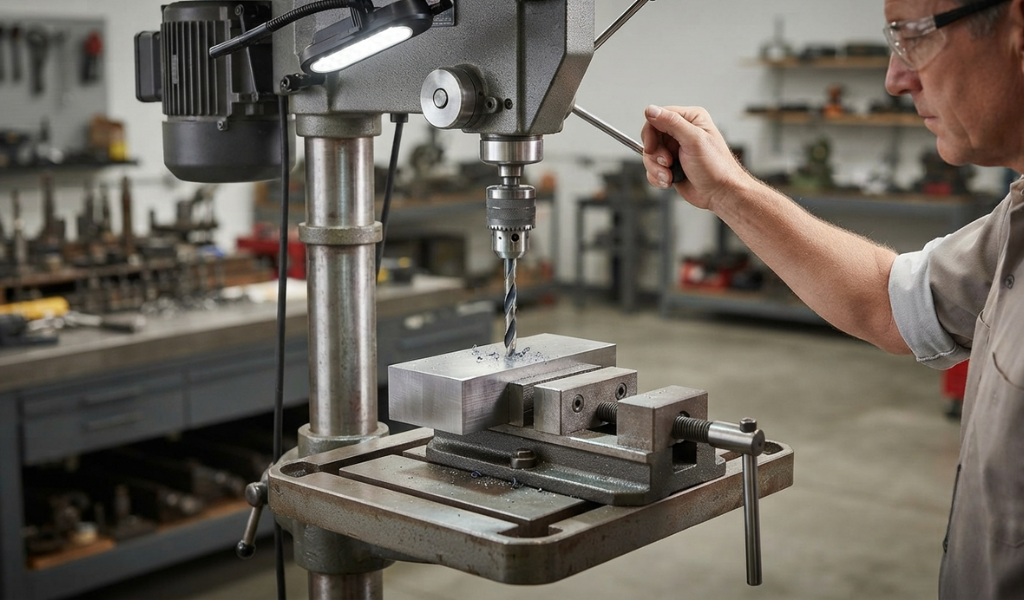
The drill press is the top choice for precision drilling because it keeps the drill bit perfectly vertical and allows exact depth control. It is widely used in metalworking, woodworking, and manufacturing. Operating a drill press is straightforward, but requires proper setup and safety precautions.
A hammer drill is a specialized drilling tool that combines rotary motion with a rapid hammering action. This makes it ideal for drilling into hard materials like concrete, brick, and stone. Hammer drills are essential for construction applications, especially when working with masonry.
Some models are also called impact drills or rotary hammers, depending on the level of power and the hammering mechanism they use. Heavy-duty tasks like drilling deep holes in concrete require a rotary hammer, while lighter masonry work can be done with a standard hammer drill setting on a cordless drill.
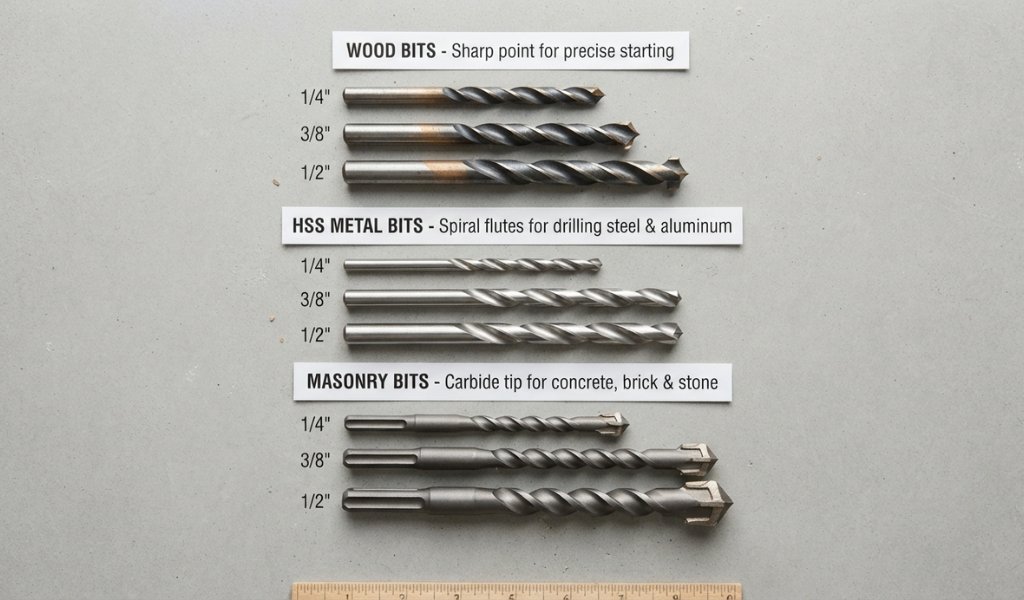
The drill bit you choose makes as much difference as the drill machine itself. Using the wrong type of drill bit is one of the most common mistakes beginners make.
Wood drill bits usually have a pointed tip that helps guide the bit into the wood without slipping. They come in many sizes and styles, including twist bits, spade bits, and auger bits. Spade bits are great for drilling large, flat holes, while auger bits are designed for deep hole drilling in thick timber.
For woodworking projects, always match the drill size to the size of the screw or fastener you plan to use.
Metal drill bits are made from high-speed steel (HSS) or cobalt and are designed to cut through tough materials without overheating. They have a specific tip angle that helps them bite into metal cleanly.
When drilling metal, use a slower speed and apply cutting oil to keep the drill bit cool. A larger drill bit used on metal should be introduced gradually, starting with a smaller pilot hole first for better accuracy.
Masonry drill bits have a hardened tungsten carbide tip that can withstand the abrasive nature of brick, stone, and concrete. They are used with a hammer drill for best results.
When working with masonry, never try to force a standard wood or metal drill bit through the surface. It will not work, and you will likely damage both the bit and the material.
Drilling is a safe activity when done correctly, but it does come with risks. Following the right safety steps protects both you and your workpiece.
Before you start drilling, put on safety glasses to protect your eyes from flying debris. If you are drilling metal or masonry, consider wearing a dust mask as well. Gloves are useful for handling rough materials, but avoid wearing them when operating a drill press, as loose fabric can get caught in the moving parts.
Always secure your workpiece with a clamp or vice before you start. Holding a piece by hand while drilling is dangerous, especially with a powerful drill machine.
Start slowly to let the drill bit find its position before increasing speed. Apply steady, even pressure rather than forcing the drill forward. If the drill bit gets stuck, reverse the drill to free it rather than yanking it out. For deep holes, pull the bit out periodically to clear away debris and prevent overheating.
When using a drill press, adjust the drill table so the workpiece is stable and the bit is perfectly aligned before you begin. Always turn the machine off before adjusting the drill bit or workpiece.
Even experienced users sometimes fall into these habits. Knowing them in advance saves time, money, and frustration.
This is the most common mistake. A wood drill bit will skate across metal without cutting. A standard twist bit will crack or crumble when used on masonry. Always check the material you are drilling before choosing your bit, and make sure the drill bit is sharp. A dull bit makes the job harder and produces poor results.
More pressure does not mean faster drilling. Forcing the drill can cause the bit to overheat, snap, or wander off course. Let the drill do the work. Apply firm, consistent pressure and let the rotating drill bit cut at its own pace. This is especially important when drilling into metal or when using precision drilling equipment like a drill press.
Drilling is a skill that rewards patience and the right knowledge. From simple DIY home repairs to complex industrial drilling operations, the applications of drilling are everywhere. The drill machine remains one of the most important tools in any toolkit, and once you understand how to use it well, you can take on a much wider range of projects with confidence.
Start with the basics: know your material, choose the right drill bit, secure your workpiece, and use the correct settings. As your experience grows, you can explore more advanced types of drilling machines and techniques. With practice, what once seemed difficult becomes second nature.
If you are just getting started, a good cordless drill and a basic set of drill bits covering wood, metal, and masonry is all you need. From there, the learning curve is short and the rewards are lasting.
A drill machine is commonly used to make holes in wood, metal, masonry, and plastic. Common applications include woodworking, metalworking, home repairs, construction, and plumbing and electrical installations. It is also used to drive screws and fasteners.
The three main types of drilling are rotary drilling (standard spinning action), hammer drilling (rotary motion combined with hammering for hard materials), and deep hole drilling (used in manufacturing and oil drilling to create very long, narrow holes).
The three most common types are: the cordless drill (portable, used for general home and construction tasks), the drill press (stationary, used for precision drilling in metal and wood), and the hammer drill (used for heavy-duty tasks like drilling into concrete and masonry).
Drilling applications span many industries. In construction, drills are used to make holes in walls for anchors and fasteners. In manufacturing, drill machines create precise holes in metal parts. In woodworking, drills connect furniture components. In mining and oil extraction, large drilling equipment bores into the earth to reach resources.
The main parts of a drilling machine include the base, column, drill head, spindle, drill chuck, drill table, and electric motor. The spindle holds and rotates the drill bit along the spindle axis, while the drill table supports the workpiece. The electric motor powers the entire operation.
Common drill bits include twist bits (for general purpose drilling in wood and metal), spade bits (for large holes in wood), masonry bits (for brick and concrete), auger bits (for deep holes in timber), and diamond core drills (for heavy-duty drilling through thick concrete or stone). Each type of drill bit is designed for specific materials and tasks.
A hammer drill uses a hammering motion along the drill bit’s axis to help break through hard materials like concrete, making it suited for masonry work. An impact drill (or impact driver) delivers rotational force in short bursts, making it better for driving screws and fasteners. Both are powerful drilling tools, but they serve different purposes.