Physical Address
304 North Cardinal St.
Dorchester Center, MA 02124
Physical Address
304 North Cardinal St.
Dorchester Center, MA 02124

Most people have picked up a hammer at some point. But ask someone what a mallet is, and you’ll often get a blank stare or a half-confident guess. The truth is, understanding what a mallet is and how it differs from a regular hammer can completely change the way you work, whether you’re a seasoned woodworker, a DIY enthusiast, or someone who just started tiling their bathroom floor.
So, what is a mallet exactly? A mallet is a type of hammer with a large, typically barrel-shaped head that is designed to strike a surface without damaging it. Unlike a standard metal-headed hammer, most mallets have heads made from softer materials like wood, rubber, or plastic. This makes them ideal for tasks that require controlled force without the risk of denting, scratching, or splitting the material you’re working on.
The word “mallet” covers a surprisingly wide range of tools. From the wooden mallet a furniture maker uses to drive a chisel to the rubber mallet a tile installer taps against ceramic, each type serves a specific purpose. Even musicians use mallets to strike instruments like xylophones and marimbas. The variety is broader than most people expect.
This guide will walk you through everything you need to know about mallets: what they are, how they differ from hammers, the main types available, what each one is best used for, and how to choose the right mallet for your next project. By the time you finish reading, you’ll know exactly which mallet belongs in your tool kit.
A mallet is a striking tool with a large head, usually made from a non-metallic material, attached to a handle. The head is typically wider and heavier than that of a standard hammer, giving it more surface area to deliver a controlled blow. This design allows the user to apply significant force to a surface without leaving marks or causing damage.
The concept of the mallet is ancient. Mallets of various types rank among the oldest tools ever discovered, with examples found in Stone Age gravesites. Early craftsmen understood that not every task called for brute force. Sometimes, you needed a tool that could guide another tool precisely, or push materials together gently. The mallet filled that role then, and it still does today.
Modern mallets come in a wide range of sizes, weights, and materials. Some are designed for woodworking. Others are made for tiling, metalworking, or assembly tasks. A few specialized versions are even designed for musical instruments or sound therapy. The common thread across all of them is the same: a tool built to deliver a measured, controlled strike.
This is one of the most common questions beginners ask, and it is a fair one. Mallets and hammers look similar. Both have a handle and a head, and both are used to hit things. But the difference between mallets and hammers goes beyond just appearance.
The most important distinction is the material of the head. A standard hammer has a metal head, usually made of steel. This makes it extremely hard and durable, perfect for driving nails through wood or concrete. However, that hardness also means it can easily damage softer surfaces or tools it comes into contact with.
A mallet, on the other hand, has a head made from softer materials like wood, rubber, plastic, or even brass. This softer head allows the mallet to deliver force without marring the surface being struck. When you are assembling a dovetail joint, for example, you do not want a steel hammer cracking the wood. A wooden mallet gives you the driving force you need while keeping the surface clean.
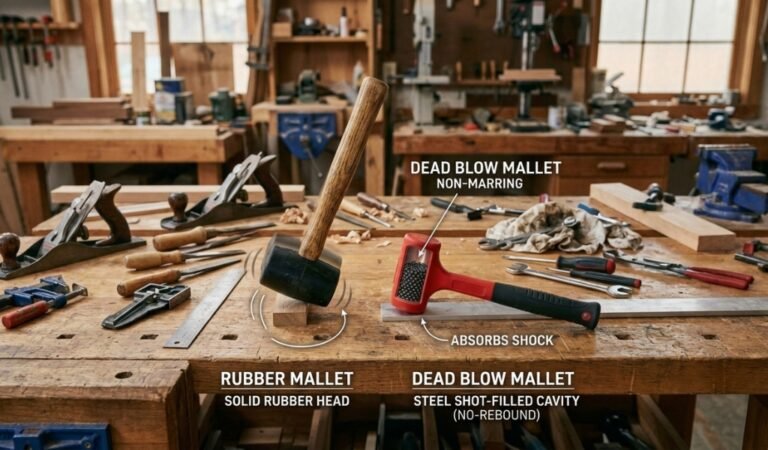
There is also a difference in how each tool handles bounce. A metal hammer can create significant rebound when it strikes a hard surface. A well-designed mallet, especially a dead-blow mallet, absorbs that rebound energy, making each strike more efficient.
Another key difference lies in purpose. Hammers are mostly used to drive nails or break materials apart. Mallets are more commonly used to drive chisels, assemble joints, or position materials gently. Knowing when to reach for one over the other is a skill that separates a beginner from a confident craftsman.
Understanding how a mallet is built helps you make smarter choices when buying or using one. Every mallet, regardless of type, shares the same basic structure: a handle, a shaft, and a head.
The Handle is usually made from wood, fiberglass, or aluminum. Wood handles, particularly those made from hickory or ash, are popular because they absorb shock well and feel comfortable in hand. Fiberglass handles are more durable and resist cracking. Aluminum handles are lightweight and common in mallets designed for extended use.
The Shaft connects the handle to the head. In many mallets, the shaft and handle are a single continuous piece. The material of the shaft affects how much vibration travels into your hand after each strike, which is why softer materials are preferred for long work sessions.
The Head is where most of the variation happens. Mallet heads can be made from beechwood, rubber, plastic, brass, or composite materials. The size and hardness of the head directly affect the kind of strike it delivers. A smaller, harder head produces more focused force. A larger, softer head spreads the impact over a wider area, reducing the chance of damage.
Some mallet heads are designed to be interchangeable, allowing you to swap between rubber and plastic faces depending on the task. Others are fixed, built for one specific type of work.
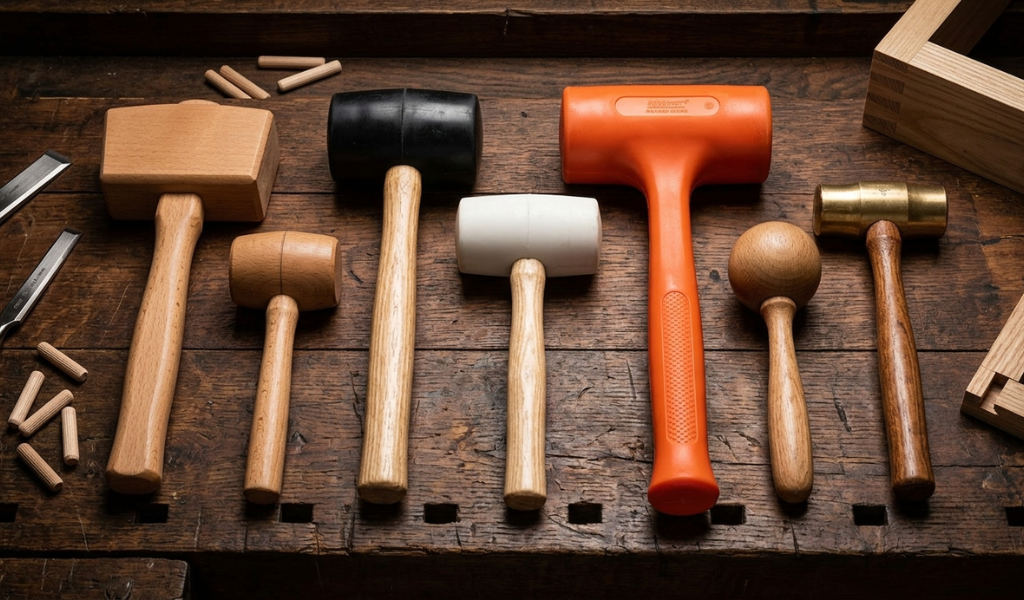
The types of mallets available today cover a wide spectrum of uses. Here is a breakdown of the most common ones and what makes each one worth knowing about.
The wooden mallet is probably the most traditional type. Woodworkers have used it for centuries to drive chisels, tap dowels into place, and assemble joints without causing damage to the wood surface or the tool being driven.
How you can make wooden mallets ? Well, wooden mallets are typically made from beechwood, which offers a good balance of hardness and density without being so hard that it damages workpieces. Some premium wooden mallets are made from hornbeam, which is denser and more durable, making it ideal for heavier bench work.
One key advantage of a wooden mallet over a rubber one in woodworking is control. A rubber mallet tends to bounce back after striking a chisel, which can reduce precision. The wooden mallet delivers a cleaner, more controlled strike, giving you better feedback on how much force you are applying.
Prices for wooden mallets are generally affordable, ranging from around $10 to $30 or more for high-quality versions. For casual DIY work, a basic wooden mallet does the job well. Professional woodworkers often own several sizes, using different ones for fine joinery versus heavier assembly.
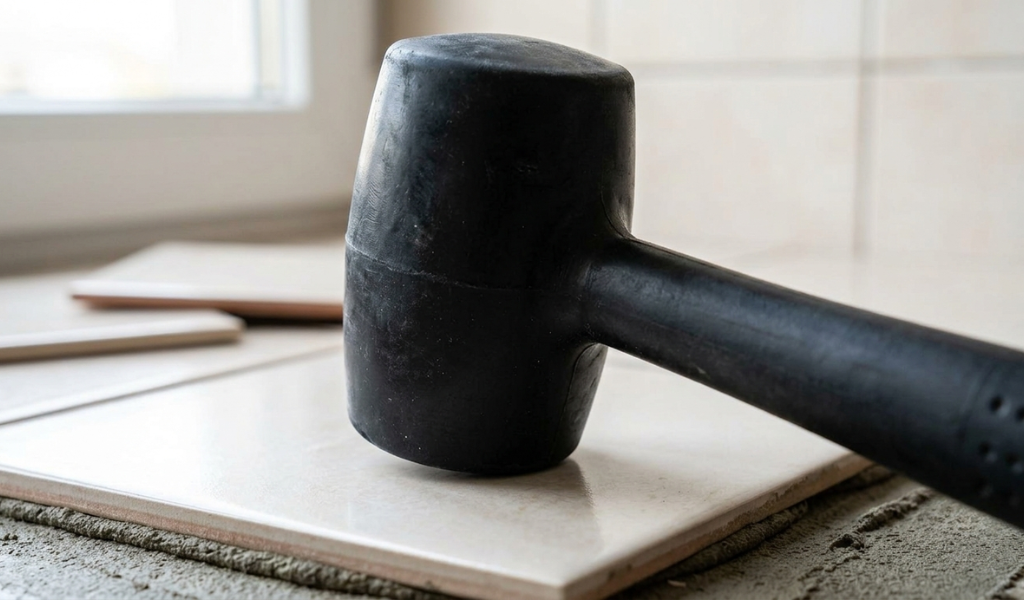
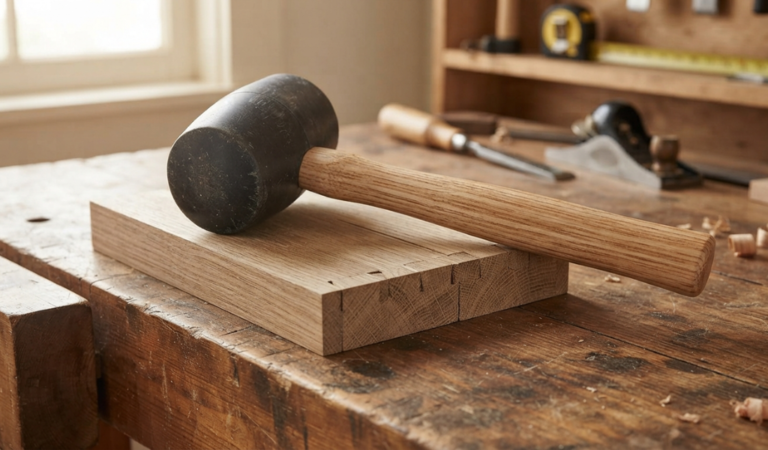
The rubber mallet is one of the most versatile tools you can own. It has a head made from molded rubber or hard plastic, paired with a wooden or fiberglass handle. Because of its soft striking surface, it is the go-to choice for any task where you need to apply force without leaving marks.
Rubber mallets come in two main styles. The first has a solid rubber head attached directly to the handle. The second has a metal head with rubber pads on each face, sometimes with different densities on each side. This second style is particularly useful when you need to alternate between slightly softer and firmer strikes.
One thing to keep in mind with rubber mallets is rebound. After each strike, the rubber head tends to bounce back, which can be jarring and slightly reduce the efficiency of your swing. Wearing safety glasses is a smart habit when using any mallet, but especially with rubber ones. Dead-blow mallets (covered below) were actually developed to address this exact issue.
The rubber mallet handles a surprisingly long list of tasks:
If you only own one mallet, a rubber mallet is probably the most practical choice for general home use.
The bench mallet is a staple in traditional woodworking shops. It is larger and heavier than most other mallets, designed specifically for use at the workbench. The most common version features angled striking faces, which makes it easier to hit the end of a chisel cleanly when it is standing upright on the benchtop.
Many bench mallets are made from hornbeam, one of the hardest and most durable hardwoods available. This gives them the weight and durability needed for heavy joinery work, like cutting mortises or driving large chisels through thick stock.
Turning the bench mallet sideways gives you a flat face, which is useful for nudging assembled joints together or leveling components without risking damage. It is a tool that rewards experience. The more you use it, the more you learn to read its feedback.
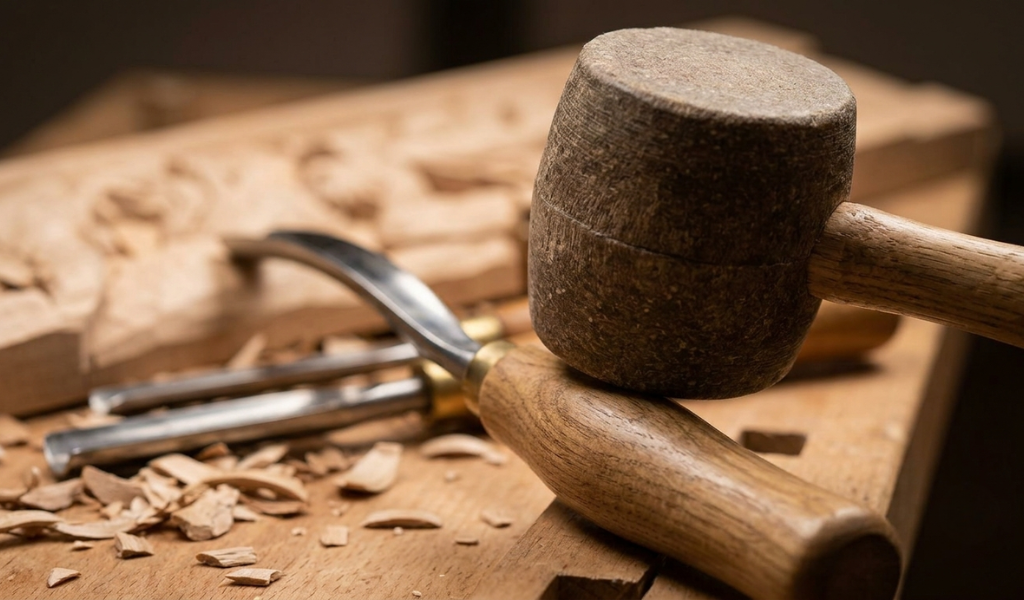
Where the bench mallet is about power, the carver’s mallet is about precision. Its defining characteristic is a round, cylindrical head, which allows it to deliver a consistent strike no matter which angle it approaches from. This is particularly useful when carving, since you are constantly rotating the chisel and gouge to follow curved shapes.
Carver’s mallets come in several sizes. Larger versions are used for removing material quickly and work well when you need to take off significant amounts of stock. Smaller versions are for detail work, where precision matters more than speed.
A notable variation is the brass carver’s mallet. The brass head adds significant weight without increasing the size of the tool, which is a real advantage when working in tight spaces. The extra mass means more force per strike, without needing to swing as hard. Many experienced carvers consider a small brass mallet one of the most useful tools they own.
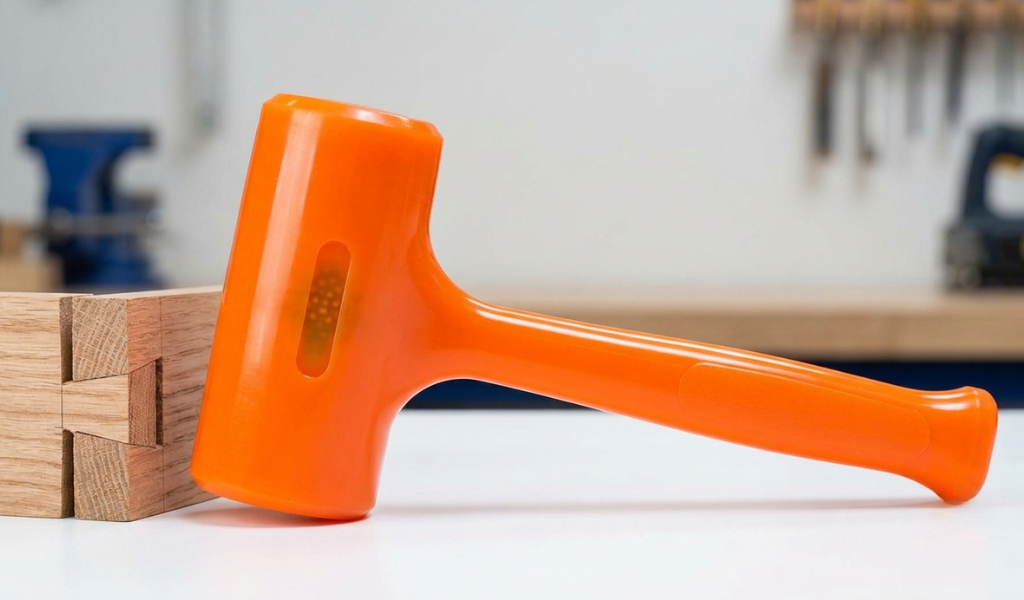
The dead-blow mallet solves the rebound problem that comes with standard rubber mallets. Its head is hollow and filled with metal shot or sand, which shifts forward on impact and absorbs the rebound energy. The result is a mallet that delivers nearly all of its energy into the target without bouncing back.
This makes the dead-blow mallet particularly effective for assembly work. When you are persuading two pieces of furniture together or seating a joint that has a lot of resistance, the last thing you want is energy being wasted in a bounce. The dead-blow ensures every swing counts.
Most dead-blow mallets have soft plastic or polyurethane faces, so they are safe to use on finished surfaces. They are a common sight in automotive workshops, woodworking shops, and manufacturing floors where precise, damage-free striking is essential.
Felt mallets are primarily used in music and sound therapy, though they appear in other contexts too. The soft felt head produces a gentle, rounded tone when used to strike instruments like singing bowls, xylophones, marimbas, or glockenspiels.
The softness of the felt directly affects the sound produced. A softer felt ball creates a gentler, deeper tone. A harder felt head produces a sharper, more pronounced sound with more overtones. This means musicians and sound therapists often have a selection of felt mallets in different sizes and densities, choosing based on the instrument and the effect they want.
In sound therapy specifically, felt mallets and rubber mallets are both commonly used with singing bowls. Rubber mallets work well for both striking and rubbing techniques, which produce different tones. Felt mallets are favored for their ability to draw out long, harmonious vibrations.
Gong mallets are purpose-built for striking gongs and share the same basic construction as other mallets: a handle, usually wood, and a head made from felt, rubber, fleece, or a combination of materials.
The position on the gong where the mallet makes contact changes the tone produced. Striking the center creates a deep, resonant sound, while hitting closer to the edge produces higher, more complex overtones. Gong friction mallets are a related tool, designed to be rubbed along the surface of the gong rather than struck against it. This creates a sustained, layered tone that unfolds over several seconds.
Mallets appear in more fields than most people realize. Here is a quick overview of where they show up and what role they play:
Woodworking and Carpentry: Driving chisels, assembling joints, persuading dowels, and fitting mortise and tenon joints without damaging the wood surface.
Tiling and Flooring: Tapping tiles into mortar beds, positioning pavers, and setting planks in laminate and vinyl flooring.
Metalworking and Auto Repair: Shaping sheet metal, realigning body panels, and knocking components into position without causing dents.
Music: Playing mallet percussion instruments like xylophones, marimbas, glockenspiels, vibraphones, and metallophones. Each instrument has specific mallet requirements based on head hardness and shaft flexibility.
Sound Therapy: Striking and rubbing singing bowls and gongs to produce therapeutic tones during meditation, massage, and healing sessions.
Construction and Landscaping: Driving stakes, positioning bricks, leveling pavers, and compacting materials during outdoor projects.
Children’s Toys and Games: Lightweight wooden toy mallets are used in peg toys and games like Whac-A-Mole, making mallets one of the first tools many children encounter.
Knowing how to choose the right mallet for your projects comes down to three main questions: What material are you striking? How much force do you need? And does the surface need protection?
For woodworking and chisel work: A wooden mallet or bench mallet is the right call. These give you control and won’t damage your chisels or wood surfaces. If you do fine carving, add a carver’s mallet to your kit.
For tiling, flooring, or furniture assembly: A rubber mallet handles most of these tasks well. If you are working on finished or delicate surfaces, a dead-blow mallet is worth the extra investment, since it gives you more control and eliminates the bounce.
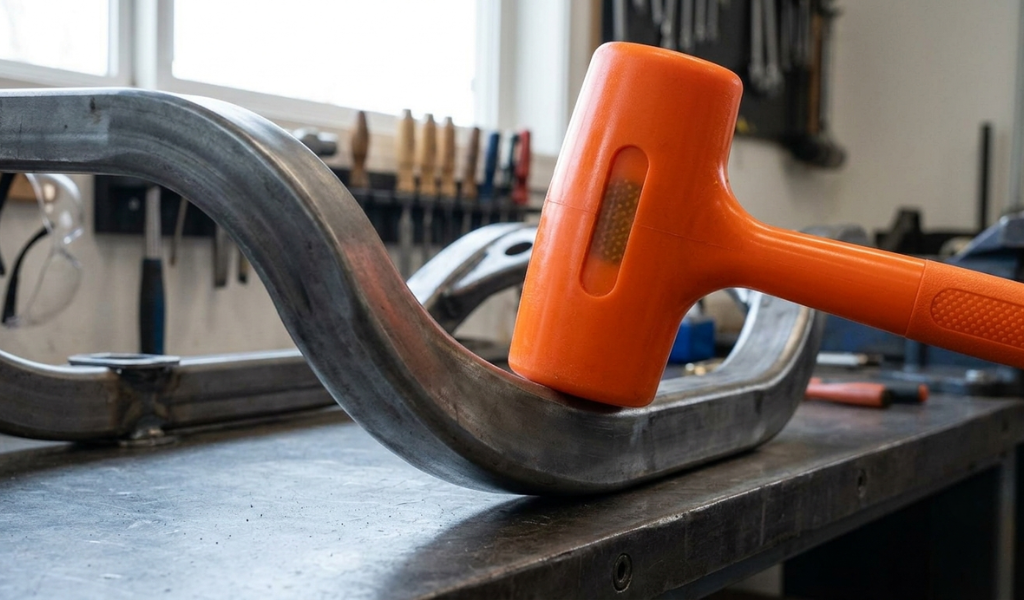
For metalworking or automotive work: A dead-blow or rubber mallet works well for shaping and positioning. The non-marking surface protects painted finishes and delicate components.
For music or sound therapy: Choose based on the instrument. Felt mallets suit singing bowls and percussion instruments that need a warm tone. Rubber mallets offer more versatility for both striking and rubbing techniques.
Weight and size matter too. A heavier mallet delivers more force but causes more fatigue over time. Match the weight to the task: heavier for stubborn joints and large chisels, lighter for detail work and precision fitting.
Budget is a practical consideration as well. A basic rubber mallet for home use costs very little, often under $15. A quality wooden bench mallet from a reputable brand can run $25 to $50. Specialty carver’s mallets in brass or premium hardwood can cost significantly more, but for professionals, the investment pays off in performance and longevity.
A mallet is a simple tool, but using it well takes a bit of practice and awareness.
Always wear safety glasses. Rubber mallets in particular can bounce back unpredictably, especially when striking hard surfaces or sharp objects.
Check the head regularly. Rubber and plastic heads wear down over time, especially if used on sharp or abrasive materials. A shredded or pitted head reduces performance and can become a hazard. Replace it when you notice significant wear.
Match the mallet to the handle of the chisel you are driving. A wooden mallet works best with wooden-handled chisels. For plastic or metal-handled chisels, a softer rubber or dead-blow mallet is the safer choice, since it reduces the shock transmitted to the handle.
Grip the handle firmly but not tightly. A death grip causes fatigue and reduces control. A relaxed, confident grip gives you a better feel for how the blow is landing.
Let the weight of the mallet do the work. You do not need to swing hard to get results with a well-matched mallet. Controlled, consistent strikes are more effective than wild swings and put less strain on your joints.
The mallet is one of those tools that looks basic from the outside but rewards the people who take time to understand it. Once you know what a mallet is, how the different types work, and which one suits which job, your projects become faster, cleaner, and less frustrating.
The difference between mallets and hammers is not just about materials. It is about choosing the right amount of force for the job and protecting the surfaces and tools you are working with. A rubber mallet for tiling, a wooden mallet for chiseling, a dead-blow for assembly work — each one earns its place in the tool kit.
If you are just getting started, pick up a quality rubber mallet for general use and a wooden mallet if you plan to do any woodworking. From there, you can build your collection as your projects demand. The right mallet does not just make the job easier. It makes the result better.
A mallet is a striking tool used to apply controlled force to a surface or another tool without causing damage. Common uses include driving chisels in woodworking, tapping tiles into place, assembling furniture, shaping sheet metal, and striking musical instruments like xylophones and marimbas.
The key difference between mallets and hammers is the material of the head. Hammers have a hard steel head designed for driving nails and breaking materials. Mallets have a softer head made from wood, rubber, plastic, or brass, which allows them to deliver force without marring or damaging the surface being struck.
The most common types of mallets include the wooden mallet, rubber mallet, dead-blow mallet, bench mallet, and carver’s mallet. Each type is suited to different tasks. Rubber mallets are the most versatile for general use. Wooden mallets are preferred for chisel work. Dead-blow mallets are ideal for assembly tasks that require zero bounce.
To choose the right mallet, consider what material you are working with and how much force the job requires. For woodworking and chiseling, use a wooden or bench mallet. For tiling and flooring, a rubber mallet works well. For furniture assembly or automotive work on finished surfaces, a dead-blow mallet gives you better control and protects the surface.
It depends on the task. For most basic chiseling, a wooden mallet is preferred over a rubber mallet because it delivers a cleaner, more controlled strike with less bounce. A rubber mallet tends to spring back after each hit, which can reduce precision. However, for softer work or when using plastic-handled chisels, a rubber mallet is a reasonable substitute.
Woodworkers use mallets rather than metal hammers when driving chisels because a metal hammer head can crack or split the wooden handle of a chisel. A mallet delivers enough force to drive the chisel cleanly while protecting both the tool and the wood surface being worked.
A well-made wooden mallet can last for decades if properly cared for. Rubber mallets have a shorter lifespan, as the head can shred or pit over time, especially when used on sharp or abrasive materials. Inspect the head regularly and replace the mallet if the striking surface shows significant wear or damage.