Physical Address
304 North Cardinal St.
Dorchester Center, MA 02124
Physical Address
304 North Cardinal St.
Dorchester Center, MA 02124

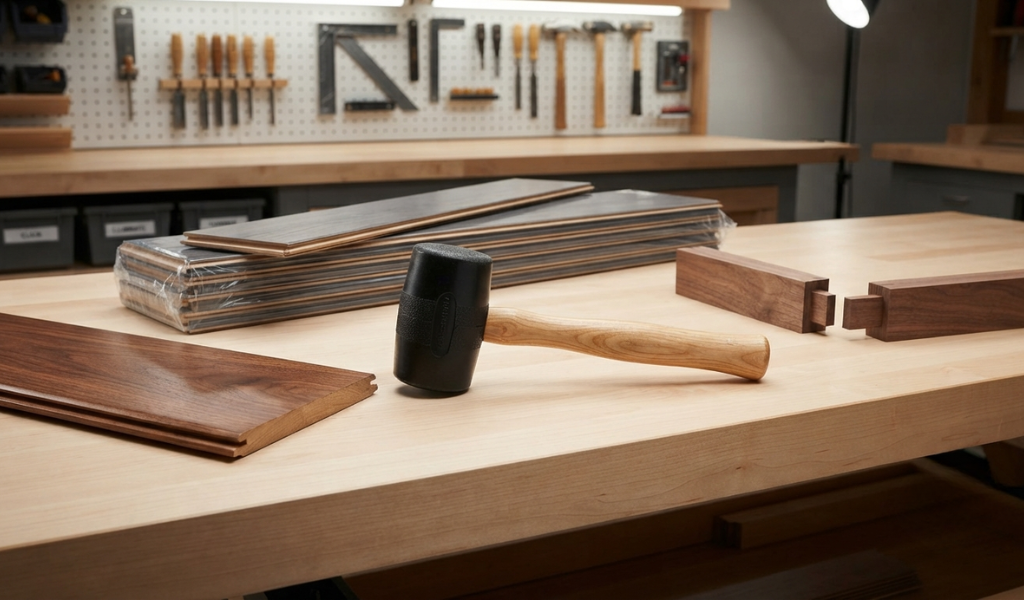
If you’ve ever watched someone tap a chisel, set flooring tiles, or assemble flat-pack furniture without leaving a single mark on the surface, you’ve seen a rubber mallet in action. Knowing what a rubber mallet is used for can save you from costly surface damage, stripped joints, and ruined workpieces whether you’re a seasoned mechanic, a weekend DIYer, or a professional craftsman.
This guide covers everything you need to know: how a rubber mallet differs from a regular hammer, what jobs it handles best, the different types of mallets available, proper technique, and safety tips. By the time you finish reading, you’ll know exactly when to reach for the rubber mallet in your toolbox and when to leave it on the shelf.
A rubber mallet is a type of hammer that called mallet with a head made from rubber rather than steel or iron. The rubber head is typically attached to a wooden, fiberglass, or rubber handle, and it comes in a range of weights and sizes to suit different tasks.
The defining feature of a rubber mallet is its softer striking surface. Unlike a steel hammer, which delivers a hard, concentrated blow, a rubber mallet spreads force across a wider area. This makes it perfect for tasks that require power without the risk of denting, scratching, or otherwise damaging the surface you’re working on.
At its core, a rubber mallet is a striking tool built for precision and finesse. The purpose is simple: deliver a firm blow to a workpiece without marring, denting, or breaking it. Rubber mallets come in various shapes and sizes, but the rubber head always serves the same function a softer blow that protects surfaces while still getting the job done.
You’ll find rubber mallets used in woodworking, flooring installation, automotive repair, leatherworking, upholstery, and even camping. The wide range of applications is what makes this tool such a practical addition to any toolbox.
The most obvious difference is the head material. A standard hammer has a hardened steel head designed to drive nails, break concrete, or strike metal with maximum force. A rubber mallet has a solid rubber or soft rubber head that absorbs impact and reduces bounce-back.
Here’s a practical way to think about it: if a steel hammer is built for brute force, a rubber mallet is built for controlled impact. With a steel hammer, you risk leaving dents on wood surfaces, cracking tile, or damaging delicate metal components. With a rubber mallet, you apply the force you need without those costly side effects.
The handles can look similar; both hammers and mallets often feature wooden or fiberglass handles but the feel is noticeably different. A rubber mallet tends to be heavier per size because the rubber material absorbs energy rather than transferring all of it to the striking surface.
Not all rubber mallets are built the same way. The head hardness, handle type, and rubber material each affect performance. Here are the most common materials:
Rubber head: Most mallets use solid rubber or a hard rubber compound. Softer grades work well for delicate wood surfaces and tile. Harder grades are better for automotive and metalworking tasks.
Fiberglass handle: Fiberglass is popular because it resists vibration and doesn’t splinter like wood. It’s a common choice for heavy-duty rubber mallets used in construction and automotive work.
Wooden handle: Traditional and comfortable, wooden handles offer a natural grip and are easy to replace. Most craftsmen and woodworking professionals still prefer them.
Plastic/composite handle: Lightweight and durable, plastic handles are often found on budget-friendly rubber mallets. They work fine for light DIY tasks but may feel less comfortable during prolonged use.
The size of the mallet head and the rubber material’s hardness are two factors worth checking before you buy. A soft rubber head leaves less of a mark, while a harder rubber head transfers more force for tougher jobs.
This is the big question, and the answer spans a surprising number of industries and everyday tasks. Mallets are used everywhere from professional workshops to backyard campsites. Here’s a detailed look at the most common applications.
Rubber mallets are a staple in woodworking and carpentry. When assembling furniture or fitting dowel joints, you need firm, consistent force but a steel hammer would crush wood fibers, split the grain, or leave ugly dents. A rubber mallet lets you tap pieces into alignment without damaging the wood.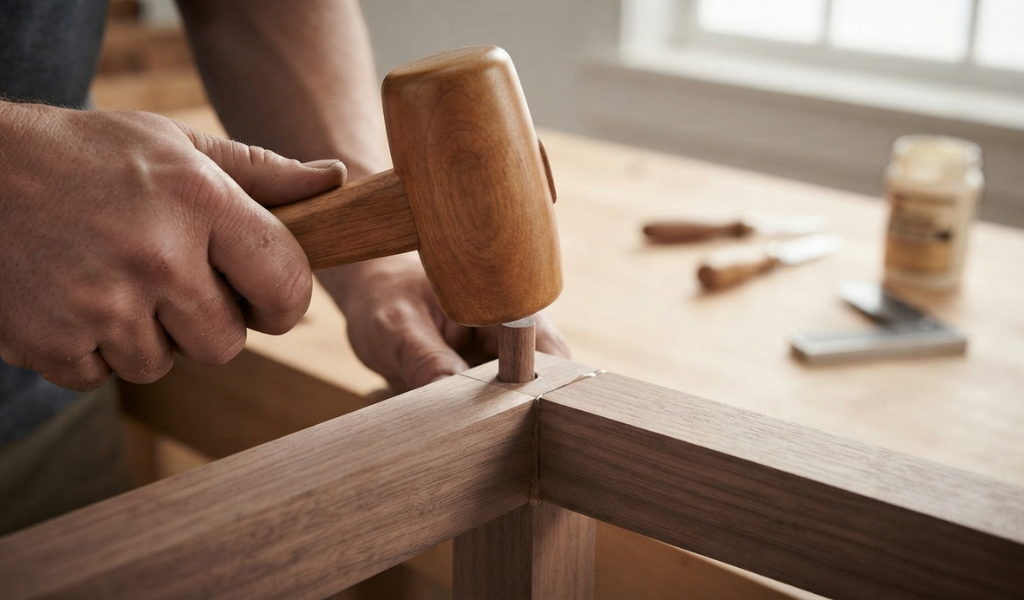
Joinery work often involves driving wooden joints together by hand. A rubber mallet gives craftsmen the precise control they need to fit mortise-and-tenon joints, dovetails, and tongue-and-groove connections cleanly. It’s also the go-to tool when using a chisel on hardwood, since a rubber mallet delivers a controlled blow that moves the chisel without shattering the handle.
Installing laminate flooring, hardwood planks, or tile requires the boards and pieces to lock tightly together without breaking. A rubber mallet is the right tool for the job here. Flooring installers use a rubber mallet often paired with a tapping block to snap planks into place along the tongue-and-groove edge without cracking them.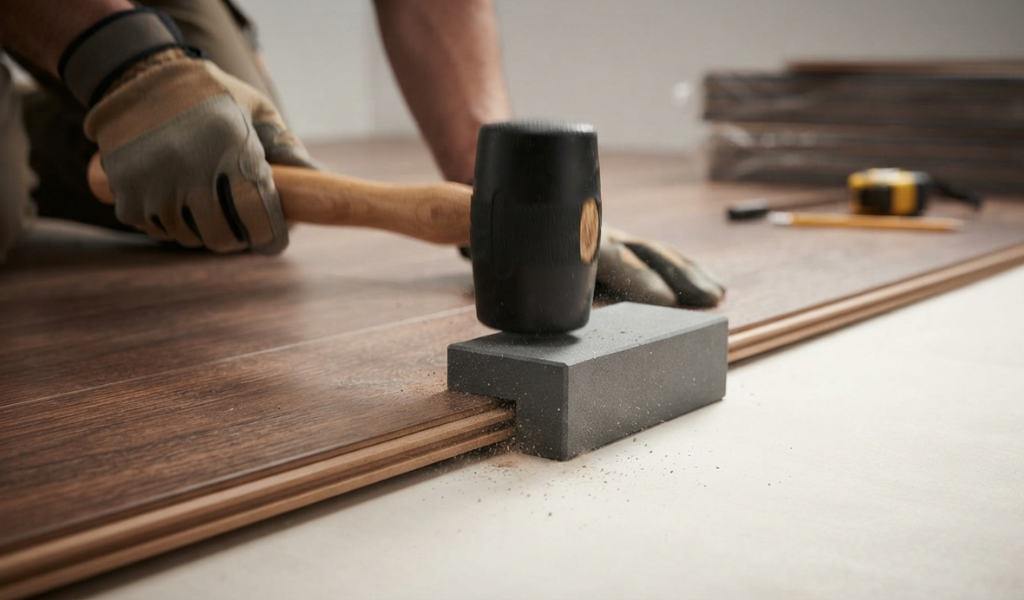
For tile work, a rubber mallet helps set tiles firmly into adhesive without breaking them. The floor absorbs the blow evenly, and the tile sits flat without damage. If you’ve ever tried to use a face hammer on tile, you’ll know immediately why a rubber mallet is a better choice.
A rubber mallet is a mechanic’s quiet companion. When you need to remove a stubborn part, a stuck hubcap, a seized bearing, or a panel that won’t budge, a rubber mallet applies enough force to break it free without leaving a dent or damaging surrounding components.
In tight spaces under a car, precision matters. A rubber mallet lets a mechanic direct force exactly where it needs to go, without the risk of slipping and scratching metal components. It’s also commonly used when working on exhaust systems, brake drums, and suspension parts.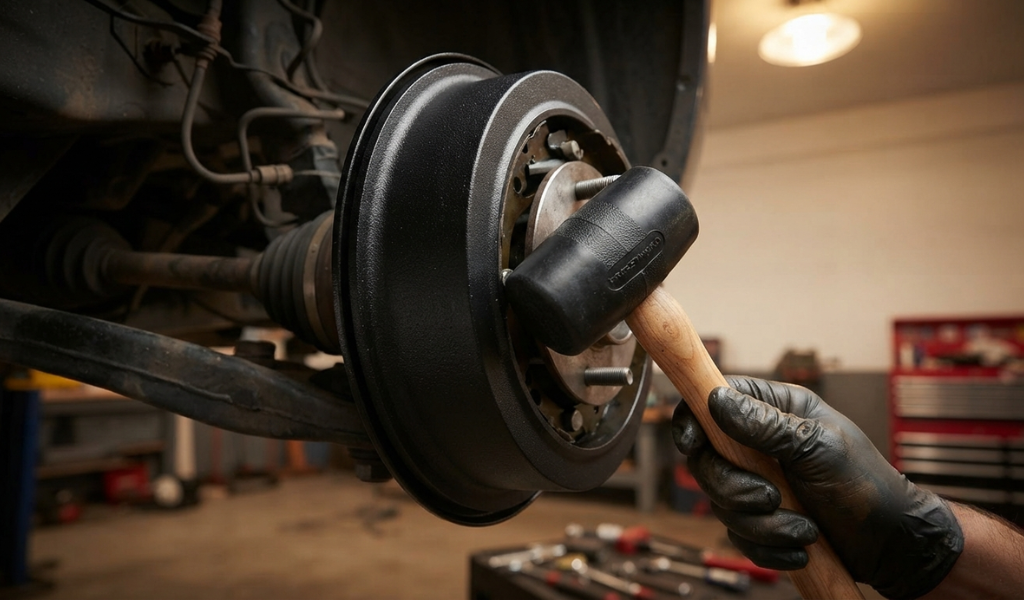
Certain metalworking tasks call for a softer striking surface. When aligning sheet metal panels, setting rivets, or straightening bent components, a rubber mallet delivers the force needed without scratching or marking the surface.
Leatherworking and upholstery professionals also rely on rubber mallets for stamping designs, setting hardware, and shaping materials. The non-marring quality of the rubber head makes it ideal for any task where surface finish matters.
For campers, a rubber mallet is a practical tool for driving tent pegs into hard ground. It’s quieter than a steel hammer, easier on the pegs, and less likely to cause injury if it slips.
Around the house, a rubber mallet handles everything from assembling flat-pack furniture and freeing stuck drawers to adjusting paving slabs and installing fence posts. It’s one of those tools that earns its place in the toolbox quickly.
Not every rubber mallet is suited for every task. Understanding the different types helps you choose the right one.
The most common type. Black rubber mallets use a hard, solid rubber head that’s durable and resistant to wear. They’re a solid choice for general woodworking, furniture assembly, and carpentry. The black rubber can leave marks on very light-colored surfaces, so they’re not ideal for white or unfinished wood.
White rubber mallets use a softer, non-marring rubber compound that won’t leave black scuff marks on light surfaces. They’re popular in flooring installation, cabinet-making, and any task involving finished wood or pale materials. If you’re working on visible surfaces where marks would be an issue, a white rubber mallet is the better choice.
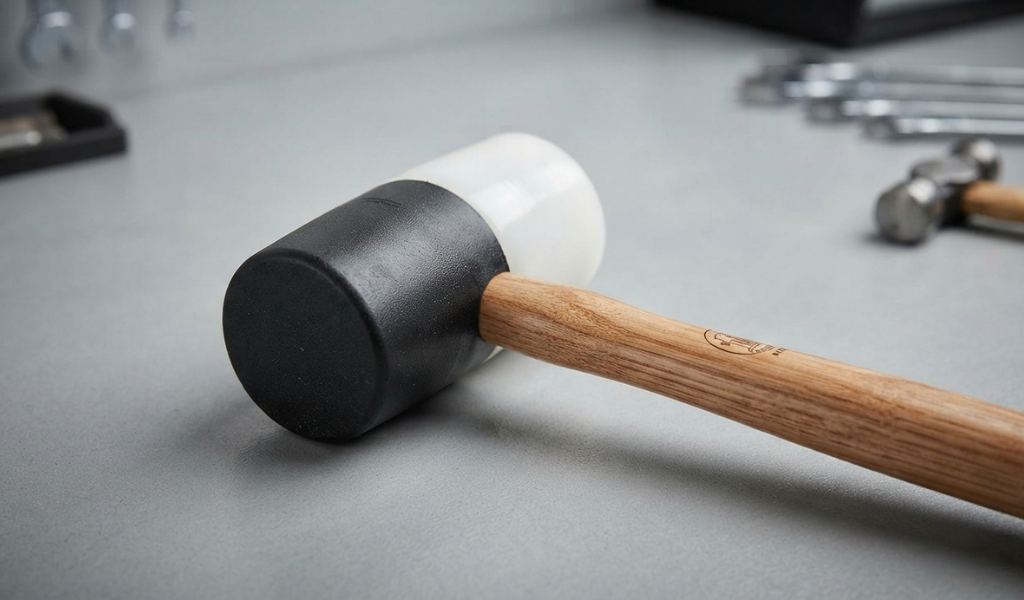
These mallets feature two different striking faces often one hard and one soft, or one rubber and one plastic. The double-faced design gives you more flexibility without needing two separate tools. They’re a practical choice for craftsmen who move between tasks regularly.
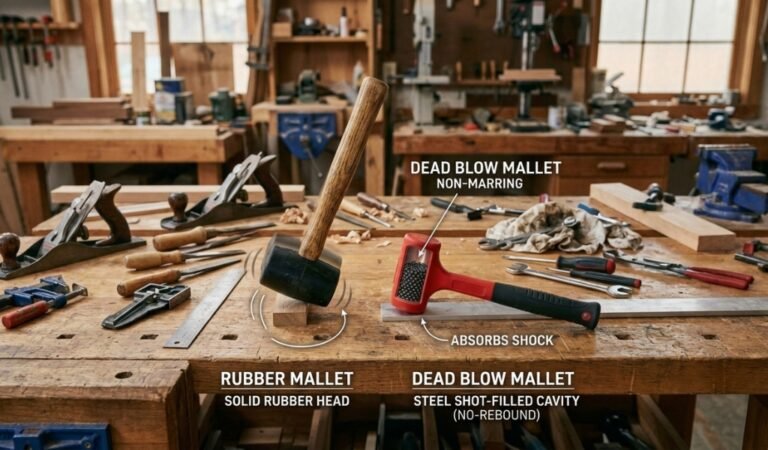
A dead blow mallet looks similar to a rubber mallet but works differently. The head of a dead blow is typically made from polyurethane and contains a cavity filled with steel shot or sand. When you strike a surface, the fill material shifts forward and eliminates bounce-back completely.
A standard rubber mallet still has some rebound when it hits a surface. A dead blow mallet has almost none. Dead blow mallets are preferred in automotive work and assembly tasks where rebound could drive a part out of alignment. Standard rubber mallets are better for woodworking and carpentry where a natural striking feel is preferred.
The biggest advantage is protection. A rubber mallet absorbs impact rather than transferring all of it to the workpiece. This means wood surfaces, tile, and finished metal stay free of dents and scratches.
Because the rubber head spreads force over a wider area, the impact is more controlled than with a steel hammer. This makes it easier to apply just enough force without overdoing it especially important in joinery, tile work, and furniture assembly.
Rubber absorbs energy, which means less bounce-back after each strike. This reduces hand fatigue during prolonged use and makes working in tight spaces safer and more comfortable. Rubber mallets are also noticeably quieter than steel hammers.
For leatherworking, upholstery, and precision work on hardwood or decorative surfaces, the soft rubber head protects materials that would be ruined by a harder striking tool.
The size of the mallet matters. A heavier mallet drives more force per strike but can be harder to control. A lighter mallet offers more precision but may not deliver enough force for tougher tasks. For general woodworking and furniture assembly, a mallet weighing between 12 and 16 ounces is a good starting point.
Hold the handle firmly near the end for maximum control. Swing from the elbow rather than the wrist for consistent strikes. Always aim for the center of the striking surface to avoid glancing blows that can slip and damage your workpiece. Let the weight of the mallet head do the work you don’t need to force it.
Even though a rubber mallet is a gentler tool, you just need to know how to use it .
Always wear safety glasses when striking tools or driving chisels fragments can still become projectiles. Check that the mallet head is firmly attached to the handle before use. A loose head can fly off mid-swing and cause serious injury.
Keep your free hand away from the striking area. Use clamps or a workbench vise to hold pieces in place rather than gripping them by hand while striking. Inspect the rubber head regularly for cracks or hardening, as a damaged head transfers force unevenly and reduces accuracy.
Use a rubber mallet when the task involves:
A steel face hammer is the right tool when you need to:
The rubber mallet and steel hammer serve different purposes. Keeping both in your toolbox covers the full range of striking tasks.
Using the wrong size: A mallet that’s too light won’t complete the job cleanly. Too heavy, and you lose control. Match the size of the mallet to the task.
Striking at an angle: Off-center blows cause glancing hits that can damage both the workpiece and the mallet head. Always aim square.
Ignoring head condition: A cracked or hardened rubber head doesn’t perform the same as a new one. Replace it when the rubber shows significant wear.
Using a rubber mallet where a dead blow is needed: If bounce-back is causing parts to shift after each strike, switch to a dead blow mallet rather than hitting harder.
Not using a tapping block: When installing flooring, always use a tapping block between the mallet and the plank edge. Striking directly can still crack or compress the tongue.
A rubber mallet is one of those tools that earns its place in any toolbox the moment you use it for the right job. The difference between tapping a joint together cleanly and splitting it open often comes down to choosing a rubber mallet over a steel hammer.
From woodworking and automotive repairs to flooring installation and camping, the rubber mallet handles a wide range of applications with control, precision, and care for surfaces. Quality tools last longer and perform better, so it’s worth investing in a well-made rubber mallet with the right head hardness and handle for your most common tasks.
Whether you’re a professional craftsman or a first-time DIYer, the right rubber mallet makes your work cleaner, faster, and more satisfying.
Why use a rubber mallet instead of a hammer?
A rubber mallet protects surfaces from dents, scratches, and marks that a steel hammer would leave behind. It’s the right tool for tasks like assembling furniture, installing flooring, and automotive work where surface damage would be costly or difficult to fix.
What are the three types of mallets?
The three most common types are rubber mallets, wooden mallets, and dead blow mallets. Rubber mallets are general-purpose tools for woodworking and assembly. Wooden mallets are traditional tools used mainly in carpentry and joinery. Dead blow mallets contain a weighted fill that eliminates bounce-back, making them ideal for automotive and precision assembly work.
What is the main use of a mallet?
The main use of a mallet is to deliver a firm, controlled blow to a surface without causing damage. Mallets are used for driving joints in woodworking, setting tiles, aligning flooring, and striking chisels any task where a steel hammer would be too aggressive.
Can I use a rubber mallet as a hammer?
For light tasks like driving tent pegs or tapping wooden joints, a rubber mallet works well. However, it cannot replace a steel hammer for driving nails, breaking concrete, or tasks that require hard, focused force. A rubber mallet is a complementary tool, not a full substitute.
What is the difference between a mallet and a hammer?
A hammer typically has a metal head and is designed to drive nails or strike hard surfaces with maximum force. A mallet has a softer head made from rubber, wood, or polyurethane and is designed for tasks that require a softer blow to avoid surface damage. The key difference is hardness and the type of force each tool delivers.
Is a dead blow mallet better than a rubber mallet?
It depends on the job. A dead blow mallet eliminates rebound almost entirely, which is valuable in automotive work and assembly tasks where parts need to stay in place after each strike. A rubber mallet has some natural bounce-back but offers a more tactile feel preferred by woodworkers and craftsmen. Both have their place in a well-stocked toolbox.
What size rubber mallet should I buy?
For most DIY and woodworking tasks, a rubber mallet in the 12 to 16-ounce range is a practical starting point. Heavier mallets (24 ounces and above) suit flooring installation and automotive work. Lighter mallets work better for delicate joinery, leatherworking, and tasks requiring fine precision and finesse.